

Breast Reconstruction: How to Prepare Physically and Emotionally for Surgery

Preparation for breast reconstruction includes medical, practical, and emotional planning. A preoperative consultation helps clarify the type of reconstruction, timing, risks, and expected results.
Key Takeaways
- Preparation for breast reconstruction includes medical, practical, and emotional planning.
- A preoperative consultation helps clarify the type of reconstruction, timing, risks, and expected results.
- Healthy habits such as stopping smoking, eating well, and staying active may support healing.
- Recovery is easier when home support, transport, and follow-up care are arranged in advance.
- Emotional preparation is just as important as physical preparation, especially after breast cancer treatment.
Breast reconstruction can help restore breast shape after mastectomy, lumpectomy, or injury, and preparation plays an important role in both safety and peace of mind. Understanding the surgical plan, preparing the body, and addressing emotional needs can make the experience more manageable and informed.
Overview of Breast Reconstruction
Breast reconstruction is surgery to rebuild the shape of a breast after mastectomy, partial breast surgery, trauma, or certain congenital or acquired conditions. It may be performed at the same time as breast removal surgery, known as immediate reconstruction, or at a later stage, known as delayed reconstruction. The choice depends on a person’s health, cancer treatment plan, body shape, preferences, and discussions with the surgical team.
There is no single “best” method for everyone. Reconstruction may use an implant, the person’s own tissue from another area of the body, or a combination of both. Some patients also consider procedures on the other breast for better symmetry. Learning about options such as breast reconstruction and related breast procedures can help patients prepare thoughtful questions for their consultation.
Preparation matters because reconstruction is not only a physical procedure. It also involves expectations about appearance, sensation, recovery time, scarring, and emotional adjustment. A clear understanding of the process can reduce uncertainty and help patients feel more in control.
Who May Consider Breast Reconstruction
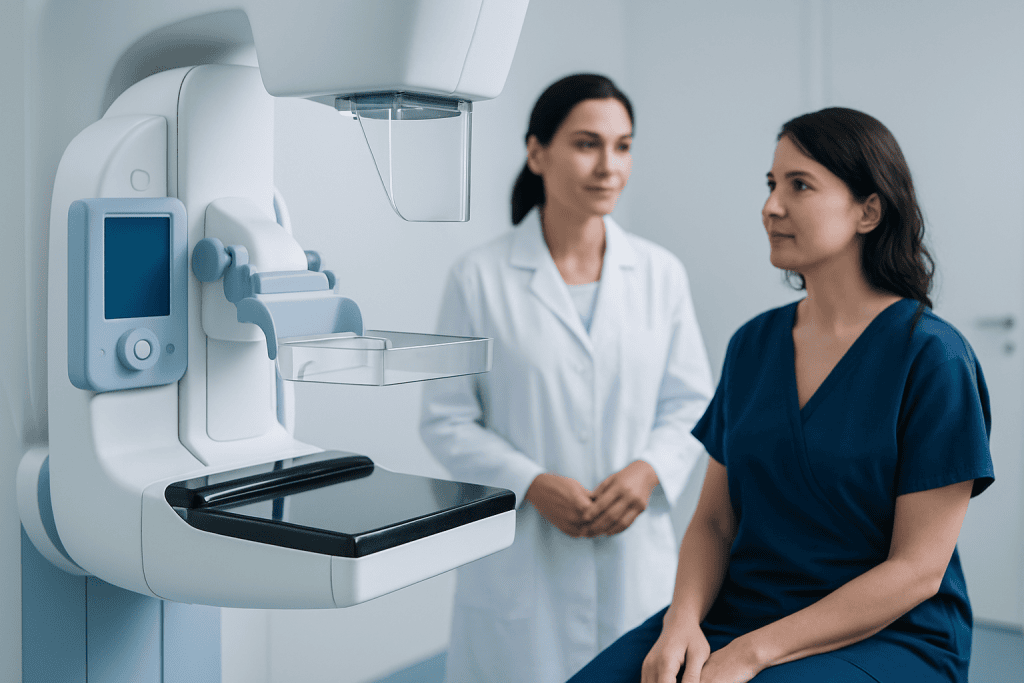
Breast reconstruction may be considered by people who have had or will have surgery for breast cancer, including mastectomy or sometimes lumpectomy if there is significant tissue loss. It may also be an option after trauma, previous breast surgery, or tissue damage caused by infection or radiation. Some people choose reconstruction soon after treatment, while others decide months or years later.
The decision is highly personal. Some patients want to restore breast shape to feel more comfortable in clothing or to support body image, while others prefer not to have additional surgery. Both choices are valid. A reconstructive consultation is meant to explain options, benefits, limitations, and likely recovery, not to pressure a person into any specific approach.
In some cases, existing skin quality, scarring, or conditions affecting healing may influence the plan. For example, people prone to thick or raised scars may want to discuss scar care in advance, especially if they have a history of keloid scars. A surgeon can explain whether this is likely to affect incision placement or postoperative management.
How to Prepare Physically Before Surgery

Physical preparation usually begins several weeks before surgery. The surgeon and anesthesiologist will review medical history, previous operations, allergies, current medicines, and lifestyle factors such as smoking and alcohol use. Patients may need blood tests, imaging, or other assessments depending on the type of reconstruction and their overall health.
Stopping smoking is one of the most important steps because tobacco reduces blood flow and can increase the risk of wound healing problems, infection, and tissue loss. Patients should also ask about prescription medicines, over-the-counter pain relievers, herbal supplements, and vitamins, because some can increase bleeding risk or interact with anesthesia. Medication changes should always be made only with medical advice.
Nutrition, hydration, sleep, and light physical activity can support readiness for surgery. A balanced diet with adequate protein helps tissue repair, while regular gentle movement may support circulation and recovery. It is also useful to prepare the home in advance, with easy-to-reach clothing, pillows for support, simple meals, and a comfortable place to rest during the first postoperative days.
- Follow instructions about eating and drinking before surgery.
- Arrange transport home and help for the first few days.
- Wear loose, front-opening clothing on the day of surgery.
- Ask whether a special bra or surgical garment will be needed.
Emotional Preparation and Setting Expectations
Emotional preparation is an essential part of planning for breast reconstruction. For many patients, reconstruction happens after breast cancer treatment, which can already be physically and emotionally demanding. Feelings may include hope, grief, relief, uncertainty, or concern about appearance and identity. These reactions are common and deserve attention.
It can help to talk openly with the care team about expectations. Reconstructed breasts often improve shape and symmetry, but they may not look or feel exactly like natural breasts. Sensation may be reduced or altered, scars are expected, and more than one procedure may be required to complete reconstruction or refine the final result. Understanding this in advance can reduce disappointment later.
Support from family, friends, a counselor, or a cancer support group may make the process easier. Some patients also find it helpful to speak with others who have had reconstruction. Writing down questions before appointments and discussing personal priorities—such as recovery time, breast size, avoiding implants, or minimizing scars—can help patients make decisions that fit their needs and values.
What Happens at the Surgical Consultation
The consultation is a good time to understand which reconstructive approach may suit the patient best. The surgeon usually examines the chest wall, skin quality, scars, body proportions, and possible donor sites if tissue-based reconstruction is being considered. Prior treatments such as chemotherapy or radiation are particularly important because they can influence timing and technique.
Patients may be offered implant-based reconstruction, flap reconstruction using their own tissue, or staged procedures involving tissue expanders. In selected cases, a surgeon may also discuss shape refinement with techniques related to breast fat transfer or balancing procedures on the opposite breast. If there are questions about size, contour, or symmetry, broader discussions of aesthetic breast surgery can also be relevant in planning.
Useful questions to ask include:
- What type of reconstruction is recommended and why?
- Will reconstruction be immediate or delayed?
- How many operations might be needed?
- What scars should be expected?
- How long is recovery likely to take?
- How might radiation or other treatments affect the result?
- What complications should the patient watch for after surgery?
Taking notes or bringing a trusted relative or friend to the appointment can help patients remember important details and feel more confident about the next steps.
Recovery Planning and Possible Risks
Planning for recovery before surgery often makes the postoperative period smoother. Recovery time varies depending on whether reconstruction uses implants or the patient’s own tissue, whether one or both breasts are treated, and whether additional procedures are done at the same time. Some discomfort, swelling, bruising, tightness, and temporary limits on arm movement are common in the early phase.
Patients should ask about drains, dressings, bathing, sleeping position, lifting restrictions, driving, and return to work. Many people need help with daily tasks at first, especially after tissue-based reconstruction. It is also helpful to know when follow-up visits are scheduled and when to contact the hospital if concerns arise.
All surgery carries some risk. Possible complications include bleeding, infection, fluid collection, delayed wound healing, implant-related problems, tissue loss, asymmetry, and scarring. Risks may be higher in smokers, people with diabetes, poor circulation, obesity, or prior radiation damage. Skin problems can range from mild delayed healing to more serious pressure-related injury if mobility is limited, so careful postoperative positioning and skin care are important, particularly for those at risk of pressure ulcers.
When to Contact a Doctor and Where to Find Support
Patients should seek medical advice promptly if they develop fever, increasing redness, worsening pain, unusual swelling, shortness of breath, heavy drainage, bad-smelling fluid, or sudden changes in breast shape after surgery. These symptoms do not always mean a serious problem, but they should be assessed without delay. It is always safer to ask than to wait.
Long-term support may also be needed. Some patients benefit from scar management, physiotherapy for shoulder movement, psychological support, or later revision procedures to improve comfort or appearance. Follow-up is an important part of care, especially for those also continuing cancer surveillance.
For international patients seeking coordinated treatment, Acibadem International’s multidisciplinary specialists and JCI-accredited hospitals diagnose and treat conditions related to reconstructive surgery, including breast reconstruction, with individualized planning and follow-up. The most important step is choosing a qualified surgical team, asking clear questions, and making a plan that supports both physical recovery and emotional well-being.
Frequently asked questions
When should a person start preparing for breast reconstruction surgery?
Preparation often starts several weeks before surgery, once the surgical plan is outlined. This allows time for medical review, lifestyle changes such as smoking cessation, and practical arrangements for recovery at home.
Is emotional preparation really necessary before breast reconstruction?
Yes. Breast reconstruction can affect body image, self-confidence, and expectations after cancer treatment or other breast surgery. Talking with the care team, loved ones, or a counselor can help patients feel more supported and informed.
What should a patient ask during the breast reconstruction consultation?
Helpful questions include what type of reconstruction is recommended, how many stages may be needed, what scars to expect, and how recovery may affect daily life. Patients should also ask how previous radiation or other treatments could influence results.
How can someone prepare their home for recovery after breast reconstruction?
It helps to organize a comfortable resting area, keep essential items within easy reach, and prepare loose, front-opening clothing. Arranging help with meals, transport, and household tasks can also reduce stress during the first days after surgery.
Will reconstructed breasts look and feel exactly the same as before?
Usually not exactly. Reconstruction can restore shape and improve symmetry, but sensation may change, scars are expected, and final appearance depends on the surgical method, healing, and any additional treatments such as radiation.
What lifestyle habits may support recovery after breast reconstruction?
Avoiding smoking, eating a balanced diet, staying hydrated, sleeping well, and following activity instructions from the surgical team may support healing. Patients should also follow all guidance about wound care, medicines, and follow-up visits.
References
- American Society of Plastic Surgeons
- National Cancer Institute
- Breastcancer.org
- Mayo Clinic
- National Health Service
This article is for general information only and is not a substitute for professional medical advice. Please consult a qualified doctor about your individual situation.
Breast Reconstruction in Turkey — costs, top hospitals & a free quote
JCI-accredited · board-certified surgeons · reply within 24h
Add us as a Preferred Source to see more of our trusted health content across Google Search, AI Overviews and Discover.

Plastic, Reconstructive & Aesthetic Surgery
Reconstructive and aesthetic procedures for the face and body, performed by experienced surgeons.
35 specialists in this unitRelated Treatments
Related Conditions
More from the Health Library



Related Specialists

Prof. Dr. Şükrü Yazar
Aesthetic Plastic & Reconstructive Surgery
Assoc. Prof. Dr. Erdem Güven (m)
Aesthetic Plastic & Reconstructive Surgery
Prof. Dr. Hakan Ağır
Aesthetic Plastic & Reconstructive Surgery
Prof. Dr. Bülent Saçak
Aesthetic Plastic & Reconstructive Surgery