Signs that pneumonia is improving: Symptoms, Causes, and Treatment — Complete Patient Guide

Improving pneumonia usually means symptoms are easing overall, not disappearing all at once. Common recovery signs include less fever, improved breathing, better energy, and a cough that becomes less severe over time.
Key Takeaways
- Improving pneumonia usually means symptoms are easing overall, not disappearing all at once.
- Common recovery signs include less fever, improved breathing, better energy, and a cough that becomes less severe over time.
- Fatigue, mild cough, and reduced exercise tolerance may continue after the infection begins to clear.
- Worsening shortness of breath, persistent high fever, confusion, or bluish lips require prompt medical attention.
- Treatment depends on the cause and severity of pneumonia, and follow-up may be needed in some patients.
Signs that pneumonia is improving usually include a steady reduction in fever, easier breathing, less chest discomfort, and a gradual return of strength and appetite. Recovery is often uneven, so some tiredness and cough can continue for days or weeks even when the infection is clearly getting better.
Overview: how to tell pneumonia is getting better
The main signs that pneumonia is improving are a fever that settles, breathing that feels easier, less chest pain with coughing or deep breaths, and a slow return of energy, appetite, and normal daily function. Many people also notice that they are sleeping better, coughing less often, or bringing up less mucus than before.
Recovery from pneumonia is rarely perfectly smooth. A person may feel noticeably better one day and more tired the next, especially after activity. This does not always mean treatment is failing. What matters most is the overall direction of symptoms over several days.
Pneumonia is an infection that inflames the air sacs in one or both lungs. It can be caused by bacteria, viruses, or, less commonly, fungi. Because the lungs need time to heal, a lingering cough or fatigue can continue after the most serious part of the illness has passed. Understanding the normal pattern of improvement can help patients know what to expect and when to seek medical advice.
What recovery from pneumonia usually feels like
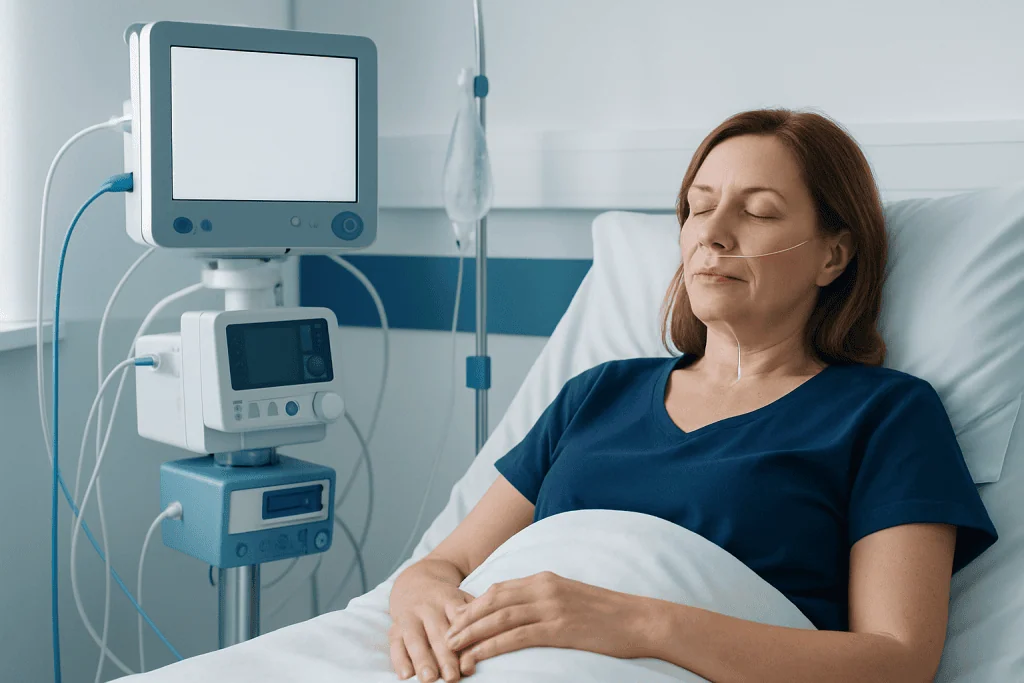
When pneumonia improves, breathing often becomes less labored. A person may notice they can speak in full sentences more comfortably, walk short distances with less breathlessness, or sleep with fewer interruptions from coughing. If they were using supportive treatments recommended by a doctor, such as inhaled medications or oxygen, they may gradually need less support under medical guidance.
Body temperature is another useful sign. A high fever often falls first, and chills usually become less frequent. Appetite may start to return, and drinking fluids may feel easier. Energy often improves more slowly than fever does, so it is common to feel weak even while the infection is responding to treatment.
The cough can take time to settle. In some people it becomes looser and more productive for a short period before improving. In others, it gradually becomes drier and less frequent. Either pattern can be normal if the person is otherwise improving and not developing new symptoms.
- Less fever or no fever
- Easier breathing and less rapid breathing
- Reduced chest discomfort
- Improving appetite and fluid intake
- Better sleep and increasing energy
- Cough that is becoming less intense over time
Symptoms that may linger even when pneumonia is improving

It is important to know that recovery is often slower than people expect. A cough may persist for several weeks because the airways remain irritated after the infection starts to clear. Tiredness can also be significant, especially in older adults or after a more severe illness.
Some people notice that they become short of breath with exertion even though they feel better at rest. This can happen because the lungs and the rest of the body are still recovering. Needing more rest than usual, reduced stamina, and a gradual return to normal activity are all common parts of healing.
Mild mucus production may continue for a while as well. However, symptoms should generally trend in the right direction. If mucus suddenly becomes much heavier, breathing worsens, or fever returns after improving, it may suggest a complication or a different problem that needs reassessment.
Why pneumonia happens and who may recover more slowly
Pneumonia develops when infectious germs reach the lungs and trigger inflammation. The most common causes are bacteria and viruses. Bacterial pneumonia may respond to antibiotics if prescribed appropriately, while viral pneumonia is often treated with supportive care unless a specific antiviral treatment is needed. Some patients may first develop what seems like a cold or flu and then go on to pneumonia with worsening cough, fever, and breathlessness.
Certain factors can make pneumonia more likely or lengthen recovery. These include older age, smoking, chronic lung disease such as asthma or COPD, heart disease, diabetes, weakened immunity, recent hospitalization, and difficulty swallowing. Dehydration, poor nutrition, and delayed treatment can also slow healing.
Severity matters as well. A young, otherwise healthy person with mild pneumonia may recover relatively quickly, while someone who needed hospital care may take much longer to regain strength. Recovery is individual, so the expected pace should be discussed with a qualified clinician who knows the patient’s overall condition.
How doctors assess whether pneumonia is improving
Doctors usually judge improvement by combining symptoms, a physical examination, and sometimes tests. They ask whether fever has fallen, breathing is easier, fluids and food are tolerated, and daily activities are becoming easier. They also look for warning signs such as low oxygen levels, rapid breathing, confusion, or signs of dehydration.
On examination, a clinician may listen to the lungs, check temperature and heart rate, and measure oxygen saturation. In many straightforward cases, improvement can be assessed mainly by symptoms and vital signs. Chest X-rays do not always clear as quickly as symptoms improve, so imaging changes can lag behind how a person feels.
In some situations, especially if recovery is slow or the diagnosis is uncertain, additional evaluation may be needed. This can include blood tests, sputum studies, or a chest X-ray. If another chest problem is suspected, a doctor may recommend further imaging such as a chest X-ray or a CT scan to look more closely at the lungs.
Treatment and supportive care during recovery
Treatment for pneumonia depends on the cause, the patient’s age, overall health, and how severe the illness is. Bacterial pneumonia is often treated with antibiotics, while viral pneumonia may need rest, fluids, fever control, and monitoring. Some patients require hospital treatment, oxygen support, or treatment for related breathing problems.
Supportive care plays a major role in recovery. Rest is helpful, but complete bed rest for too long can sometimes make weakness worse, so a gradual return to light activity is usually encouraged if a doctor agrees. Drinking enough fluids can help with hydration and mucus clearance, and eating small, nourishing meals may be easier than large ones at first.
Patients should take medicines exactly as prescribed and should not stop treatment early simply because they start to feel better. Inhaled treatments, pain relief, and breathing support may be recommended in selected cases. If another respiratory condition is contributing to symptoms, clinicians may also evaluate for problems such as bronchitis or airway narrowing. Near the end of the care pathway, some international patients may choose evaluation at centers such as Acibadem International, where multidisciplinary specialists in JCI-accredited hospitals diagnose and treat respiratory conditions.
Self-care, prevention, and practical recovery tips
During recovery, pacing is important. Many people feel frustrated when they are not back to normal quickly, but overexertion can increase fatigue and coughing. It often helps to return to daily activities step by step, with breaks for rest. Good hydration, nutritious meals, and enough sleep support the healing process.
Smoking and secondhand smoke can irritate healing lungs and delay recovery, so avoiding them is strongly advised. Hand hygiene, staying away from people who are currently sick, and keeping chronic conditions well managed may reduce the risk of another respiratory infection. Vaccination can also play an important role in prevention for people who are eligible, including vaccines recommended by their doctor against influenza, COVID-19, and pneumococcal disease.
If breathing exercises or pulmonary rehabilitation are recommended, they should be followed as instructed. Some people recovering from more serious pneumonia may benefit from closer follow-up, especially if they are older, have underlying lung disease, or had low oxygen levels during the illness. When symptoms do not improve as expected, doctors may consider respiratory support or further assessment, including bronchoscopy in selected cases to evaluate the airways.
When to seek medical care
Medical care should be sought promptly if symptoms are worsening instead of improving. Important warning signs include increasing shortness of breath, chest pain that is new or more intense, bluish lips or fingertips, confusion, fainting, or an inability to drink enough fluids. A return of high fever after initial improvement also deserves medical review.
Patients should also contact a doctor if they are not improving after several days of treatment, if coughing up blood occurs, or if severe weakness makes normal daily activities difficult. Older adults, pregnant patients, young children, and people with weakened immune systems may need earlier reassessment because complications can develop more easily in these groups.
Emergency care is especially important for breathing distress, severe drowsiness, signs of low oxygen, or symptoms that feel rapidly progressive. Even after improvement begins, follow-up may be needed to confirm that recovery is on track and that another condition is not being missed.
Frequently asked questions
How long does it take for pneumonia to improve?
Many people notice some improvement within a few days of appropriate treatment, especially less fever and easier breathing. However, cough and fatigue can last for several weeks, and full recovery may take longer after severe pneumonia or in older adults.
Is it normal to still cough when pneumonia is getting better?
Yes. A cough often continues after the infection starts to clear because the lungs and airways remain irritated. It should gradually become less severe over time rather than suddenly worsening.
Does mucus change when pneumonia is improving?
It can. Some people notice less mucus overall, while others may briefly cough up mucus more easily as their airways clear. A sudden increase in mucus with worsening fever, breathlessness, or chest pain should be discussed with a doctor.
Can pneumonia improve and then feel worse again?
Small day-to-day ups and downs can happen during recovery. But if symptoms clearly worsen, fever returns, or breathing becomes more difficult after initial improvement, medical reassessment is important to check for complications or another infection.
When should someone go to the hospital for pneumonia symptoms?
Hospital care may be needed for severe shortness of breath, low oxygen levels, confusion, dehydration, chest pain, or signs that the person is becoming very unwell. Immediate medical help is especially important if lips look blue, breathing is very hard, or the person is difficult to wake.
Can someone return to work or school as soon as the fever is gone?
Not always. Even after fever improves, energy and breathing may still be limited. Returning gradually is usually safer, and the timing should depend on symptoms, the type of work or school activity, and a doctor’s advice.
This article is for general information only and is not a substitute for professional medical advice. Please consult a qualified doctor about your individual situation.
Pneumonia in Turkey — costs, top hospitals & a free quote
JCI-accredited · board-certified surgeons · reply within 24h
Add us as a Preferred Source to see more of our trusted health content across Google Search, AI Overviews and Discover.

More from the Health Library

Henrietta Lacks: What Patients Need to Know

Lower back lump: Symptoms, Causes, and Treatment — Complete Patient Guide

Water Aerobics: What Patients Need to Know

Potassium and Potassium Gluconate: An Evidence-Based Guide for Patients

Clear Eyeballs: What Patients Need to Know

LDL Cholesterol: An Evidence-Based Guide for Patients
Pulmonary Medicine Specialists at Acibadem

Assoc. Prof. Dr. Lütfiye Kılıç
Pulmonary Medicine
Prof. Dr. Mehmet Karadağ
Pulmonary Medicine
Dr. Mehmethan Turan
Pulmonary Medicine
Dr. Murat Apaydın
Pulmonary Medicine