What is diuresis? A Doctor-Reviewed Answer

Diuresis refers to increased urine production and is not always a sign of disease. Common triggers include drinking more fluids, caffeine, alcohol, and diuretic medicines.
Key Takeaways
- Diuresis refers to increased urine production and is not always a sign of disease.
- Common triggers include drinking more fluids, caffeine, alcohol, and diuretic medicines.
- Persistent or excessive diuresis can be linked to diabetes, kidney conditions, or hormone-related disorders.
- Doctors assess diuresis by reviewing symptoms, fluid intake, medicines, and sometimes urine and blood tests.
- Medical advice is important if increased urination comes with thirst, weakness, pain, fever, or signs of dehydration.
Diuresis means the body is making and passing more urine than usual. It can happen for normal reasons, such as drinking more fluids, or because of medicines and medical conditions that affect the kidneys, hormones, or blood sugar.
Overview: what is diuresis?
Diuresis is the production of more urine than usual. In simple terms, the kidneys are filtering blood and removing extra water and dissolved substances at a higher rate, which leads to more frequent or larger-volume urination. This can be a normal response to drinking a lot of fluids, having caffeine or alcohol, or taking certain medicines.
On its own, diuresis is not a disease. It is a body process that may be temporary and harmless, or it may point to an underlying issue that needs attention. The meaning often depends on the broader picture: how long it has been happening, whether there are other symptoms, and whether there have been changes in medication, diet, or general health.
People sometimes use diuresis and frequent urination as if they mean the same thing, but they are not identical. A person can urinate often in small amounts because of bladder irritation, while true diuresis usually means an increase in the total amount of urine produced. This difference can help doctors narrow down the cause.
How the body controls urine production
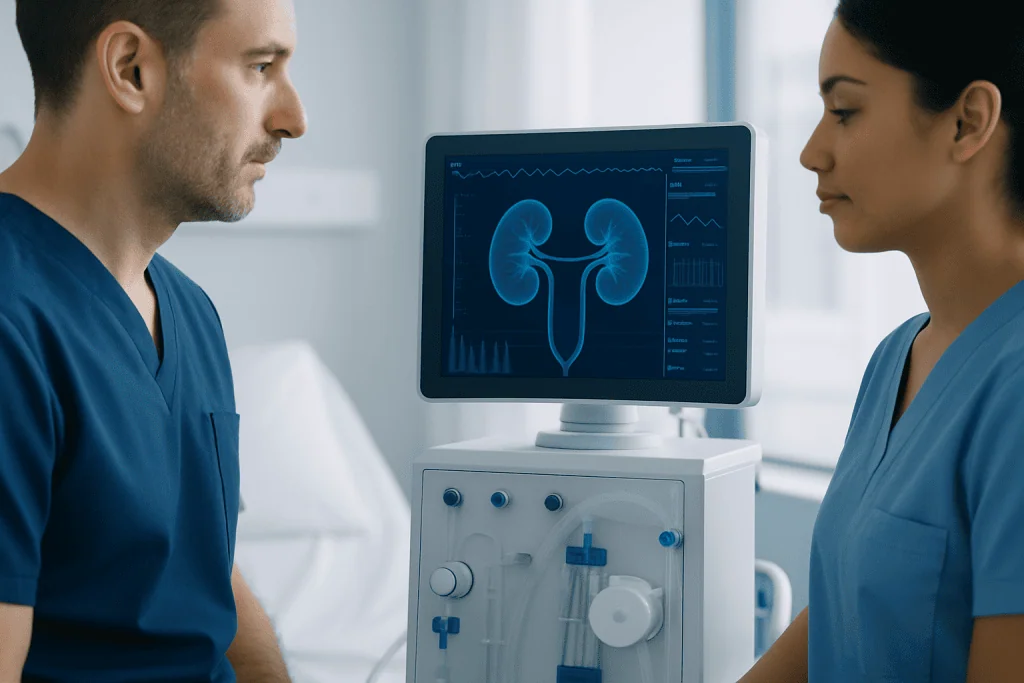
The kidneys constantly filter the blood to remove waste and maintain the right balance of water, salts, and minerals. Hormones, blood pressure, and fluid intake all influence how much urine the body makes. When the body has excess fluid or is exposed to substances that promote water loss, urine output rises.
One important hormone in this process is antidiuretic hormone, also called ADH or vasopressin. It helps the kidneys hold on to water when the body needs it. If ADH is low, if the kidneys do not respond to it properly, or if the blood contains substances that draw water into the urine, diuresis can occur.
The body also adjusts urine production based on salt balance, blood sugar, and kidney function. This is why conditions such as poorly controlled diabetes, some kidney disorders, and certain endocrine problems can lead to increased urine output. Understanding these mechanisms helps explain why diuresis has many possible causes.
Common causes of diuresis

Many everyday factors can cause temporary diuresis. Drinking large amounts of water or other beverages is the most obvious example. Caffeine and alcohol can also increase urine output in some people. In these situations, the kidneys are simply responding to what the body has taken in.
Medicines are another common cause. Diuretic drugs, often called “water pills,” are used to help remove excess fluid in conditions such as high blood pressure, heart failure, or swelling. Other medicines may indirectly increase urination as well. A person should not stop a prescribed medicine without medical guidance, but should mention new or troublesome symptoms to a doctor.
Diuresis may also be linked to medical conditions. Examples include diabetes mellitus, where extra glucose in the urine pulls water with it; diabetes insipidus, which affects water balance and ADH function; some kidney problems; and recovery from a urinary blockage. Depending on the situation, a doctor may consider evaluation for diabetes or kidney-related conditions if symptoms persist.
- High fluid intake
- Caffeine and alcohol use
- Diuretic medications
- Diabetes mellitus or diabetes insipidus
- Certain kidney or hormone disorders
- Recovery after the body retains excess fluid
Diuresis, polyuria, and related symptoms
In medical use, polyuria generally refers to producing an abnormally large volume of urine over a day, while diuresis more broadly describes increased urine formation. The terms are closely related and may overlap, but the distinction can still be useful. Someone may feel the urge to urinate often because of a bladder problem, yet not actually produce a large daily urine volume.
Symptoms that can appear alongside diuresis may offer clues to the cause. Excessive thirst can suggest fluid loss or high blood sugar. Burning, urgency, fever, or lower abdominal discomfort may point more toward a urinary tract issue than true diuresis. Weight change, swelling, fatigue, or nighttime urination can also help guide diagnosis.
It is also important to notice the timing and pattern. Diuresis that starts after beginning a new medicine may have a straightforward explanation, while sudden marked urine output with severe thirst or weakness deserves prompt medical review. If the symptom occurs with kidney concerns, doctors may also assess related conditions such as kidney failure depending on the overall clinical picture.
How doctors evaluate increased urine output
Assessment usually begins with a detailed history. A doctor may ask how much a person is drinking, how often they urinate, whether the urine volume is actually larger, and when the problem began. Questions about caffeine, alcohol, supplements, and prescription medicines are also important. Keeping a brief fluid and urination diary can be helpful.
Physical examination and basic tests often follow. Common tests may include a urinalysis, blood glucose measurement, kidney function tests, and checks of electrolytes such as sodium and potassium. In some cases, doctors may measure urine concentration or order additional hormone-related testing if diabetes insipidus or another endocrine condition is suspected.
Imaging is not always necessary, but it may be used if there is concern about the kidneys, urinary tract, or obstruction. Depending on the findings, evaluation may involve specialists in internal medicine, endocrinology, nephrology, or urology. If a structural urinary issue is suspected, further assessment and urology care may be part of the workup.
Treatment options and self-care
Treatment depends on the cause. If diuresis is related to fluid intake, caffeine, or alcohol, simple lifestyle adjustments may be enough. When a medicine is responsible, a doctor may review the timing, dose, or need for that treatment. The goal is to address the reason for increased urine output, not just the symptom itself.
If an underlying condition is identified, care focuses on managing that condition. For example, better blood sugar management may reduce diuresis in diabetes, while hormone-related causes need specific evaluation and treatment. Kidney problems may require coordinated care and monitoring. In some cases, support from nephrology services is appropriate when kidney function or fluid balance is a concern.
At home, it helps to stay hydrated in a balanced way rather than either overdrinking or restricting fluids without guidance. People should be cautious if they feel dizzy, unusually thirsty, weak, or notice signs of dehydration such as a dry mouth or reduced skin turgor. Older adults, children, and people with chronic conditions may be more vulnerable to complications from fluid imbalance.
For international patients who need further evaluation, Acibadem International’s multidisciplinary specialists and JCI-accredited hospitals diagnose and treat conditions related to urinary symptoms, kidney function, and metabolic health. If the clinical picture suggests blood sugar problems, doctors may also recommend assessment through diabetes treatment pathways.
When to seek medical care
Medical advice is sensible if increased urine output lasts more than a short time, keeps returning, or disrupts sleep and daily life. A person should also seek care if they are unsure whether the problem is true diuresis or another urinary symptom, such as urgency, leakage, or difficulty emptying the bladder.
Prompt assessment is especially important if diuresis comes with excessive thirst, unexplained weight loss, weakness, confusion, fever, vomiting, swelling, blood in the urine, or pain in the back or lower abdomen. These symptoms can suggest dehydration, infection, uncontrolled diabetes, kidney involvement, or another condition that needs diagnosis.
Emergency care may be needed if there are signs of severe dehydration, fainting, trouble breathing, severe confusion, or a major change in urine output after serious illness or injury. In general, persistent or unexplained changes in urination deserve professional evaluation rather than self-diagnosis.
Frequently asked questions
Is diuresis always a problem?
No. Diuresis can be a normal response to drinking more fluids or having caffeine, alcohol, or a prescribed diuretic medicine. It becomes more important to assess when it is persistent, excessive, or linked to other symptoms.
What is the difference between diuresis and frequent urination?
Diuresis means the body is producing more urine overall. Frequent urination can happen even when the amount each time is small, such as with bladder irritation or infection. A doctor may ask about both the number of trips to the bathroom and the total volume passed.
Can diabetes cause diuresis?
Yes. Diabetes mellitus can cause increased urine output when blood sugar is high, because extra glucose draws water into the urine. This often occurs together with increased thirst and may improve when blood sugar is better controlled.
Do diuretic medicines cause diuresis on purpose?
Yes. Diuretic medicines are designed to help the body remove extra salt and water through urine. They are commonly used for conditions such as high blood pressure, swelling, and some heart or kidney problems.
How do doctors test for the cause of diuresis?
Doctors usually start with a medical history, a review of medicines, and questions about fluid intake and symptoms. They may order urine tests, blood tests for glucose and kidney function, and sometimes more specialized testing depending on the suspected cause.
Should a person drink less water if they have diuresis?
Not necessarily. Reducing fluids without medical advice can be unhelpful or even unsafe, especially if there is a risk of dehydration. It is usually better to discuss the pattern with a doctor, who can advise on appropriate fluid intake based on the cause.
References
- National Institute of Diabetes and Digestive and Kidney Diseases
- Mayo Clinic
- Merck Manual Consumer Version
- Cleveland Clinic
This article is for general information only and is not a substitute for professional medical advice. Please consult a qualified doctor about your individual situation.
Explore treatments in Turkey — costs, top hospitals & a free quote
JCI-accredited · board-certified surgeons · reply within 24h
Add us as a Preferred Source to see more of our trusted health content across Google Search, AI Overviews and Discover.
Check your numbers in seconds
BMI, calories, due date, blood pressure and 30+ more clinical calculators — free, instant, doctor-reviewed ranges.