Heart Attack
Heart Attack symptoms, causes, diagnosis and treatment options, plus when to seek urgent medical care and how recovery is supported.
Quick answer
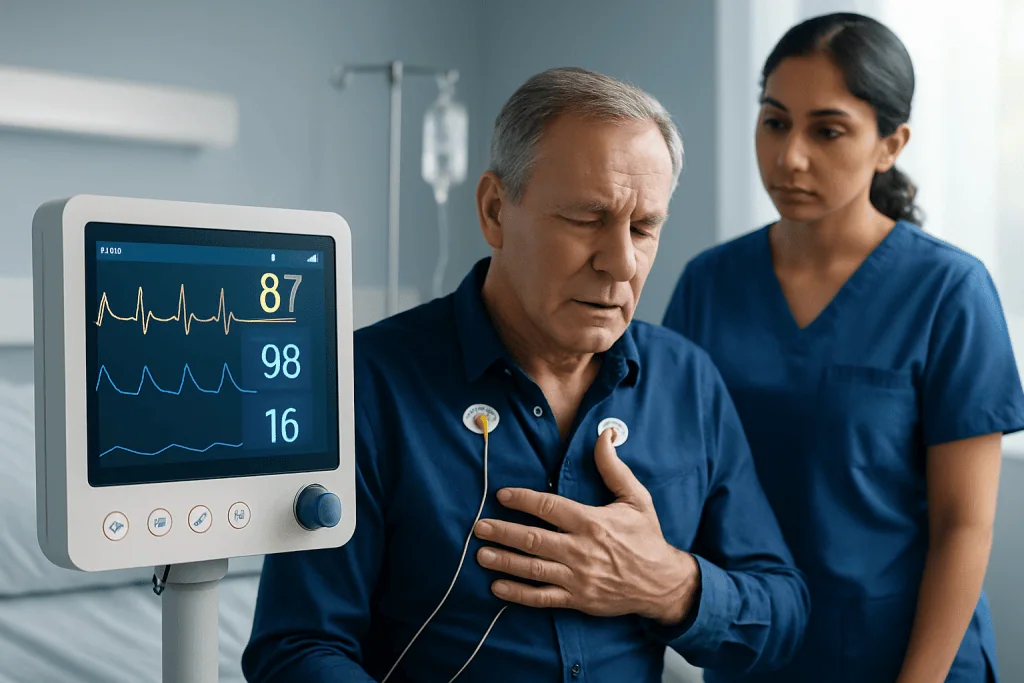
A heart attack occurs when blood flow to part of the heart muscle is suddenly blocked, causing damage that requires urgent medical treatment. Care focuses on restoring circulation quickly and then assessing the heart with imaging and other tests to guide medicines, catheter-based procedures such as angioplasty and stenting, or surgery when needed.
A Heart Attack, also called a myocardial infarction, happens when blood flow to part of the heart muscle is suddenly blocked, usually by a clot in a narrowed coronary artery. Prompt medical care can limit heart damage, relieve symptoms and improve recovery.
Overview
A Heart Attack is a serious cardiovascular event in which part of the heart muscle does not receive enough oxygen-rich blood. The medical term is myocardial infarction. It most often occurs when a coronary artery, one of the vessels that supplies the heart, becomes narrowed by fatty deposits and is then suddenly blocked by a blood clot.
The heart muscle needs a constant blood supply to keep pumping effectively. When the blood supply is interrupted, heart muscle cells can become injured. The faster blood flow is restored, the more heart muscle can often be saved, which is why rapid emergency care is essential.
Not every Heart Attack feels the same. Some people experience severe chest pressure, while others have milder symptoms, shortness of breath, nausea or unusual tiredness. Because symptoms can vary, any possible Heart Attack symptoms should be treated seriously and assessed urgently by qualified medical professionals.
After the emergency phase, care focuses on recovery and prevention. This may include identifying the blocked artery, reducing future risk, treating related conditions and helping the person return safely to daily activities through supervised rehabilitation and follow-up.
Symptoms
The most recognized Heart Attack symptom is chest discomfort. People often describe it as pressure, tightness, heaviness, squeezing, burning or pain in the center or left side of the chest. The discomfort may last more than a few minutes, come and go, or appear during rest or activity.
Symptoms can spread beyond the chest. Discomfort may move to one or both arms, the shoulders, neck, jaw, back or upper abdomen. Shortness of breath, cold sweating, nausea, vomiting, lightheadedness, fainting or a strong sense of being unwell can also occur.
Some Heart Attacks are less typical. Women, older adults and people with diabetes may be more likely to have symptoms such as unusual fatigue, indigestion-like discomfort, breathlessness, sleep disturbance or weakness rather than obvious chest pain. This does not mean the event is less important.
- Chest pressure, tightness or pain
- Pain or discomfort in the arm, shoulder, jaw, neck, back or upper abdomen
- Shortness of breath with or without chest discomfort
- Cold sweat, nausea, vomiting or dizziness
- Unusual fatigue, weakness or a feeling that something is wrong
Causes & Risk Factors
Most Heart Attacks are caused by coronary artery disease. In this condition, cholesterol-rich deposits called plaques build up inside the coronary arteries over time. If a plaque cracks or ruptures, the body may form a clot around it, and that clot can partially or completely block blood flow to the heart muscle.
Less commonly, a Heart Attack may be related to a sudden spasm of a coronary artery, a tear in the artery wall, a blood clot traveling from elsewhere, very low oxygen levels, or an imbalance between the heart muscle’s oxygen supply and demand. These situations require specialist assessment because their management may differ.
Several factors increase the likelihood of coronary artery disease and Heart Attack. Some can be modified, while others cannot. Understanding these risks helps doctors plan prevention and helps patients make informed lifestyle and treatment choices.
- High blood pressure, high cholesterol or diabetes
- Smoking or exposure to tobacco smoke
- Being physically inactive or having excess body weight
- A diet high in saturated fat, trans fat, salt or added sugars
- Family history of early heart disease
- Older age, chronic kidney disease, sleep apnea or long-term stress
Diagnosis
When a Heart Attack is suspected, diagnosis begins immediately with symptom assessment, medical history, physical examination and vital signs. Emergency teams also check for signs of complications such as abnormal heart rhythm, low blood pressure or heart failure. Early testing is important because treatment decisions may need to be made quickly.
An electrocardiogram, often called an ECG, records the electrical activity of the heart. It can show patterns that suggest a blocked coronary artery or heart muscle strain. Blood tests are also used to look for markers released when heart muscle is injured, and these tests may be repeated over several hours to confirm or rule out a Heart Attack.
Additional tests may include echocardiography to assess heart pumping function, chest imaging to evaluate other causes of symptoms, and coronary imaging or angiography to identify narrowed or blocked arteries. Angiography can also guide procedures to restore blood flow when appropriate.
Doctors consider the whole clinical picture, not one test alone. Some early tests can be normal, especially soon after symptoms begin, so ongoing observation and repeat testing may be needed if suspicion remains high.
Treatment Options
Heart Attack treatment aims to restore blood flow to the heart, limit heart muscle damage, relieve symptoms and prevent complications. The right approach depends on the type of Heart Attack, timing of symptoms, ECG findings, blood test results, overall health and the location and severity of artery blockage. A cardiologist or emergency heart team decides the safest and most effective plan after assessment.
Emergency treatment may include oxygen support when needed, pain control, medicines that reduce clotting, medicines that support heart workload and treatments that improve blood flow. In some cases, a catheter-based procedure is used to open the blocked artery and place a small support device to keep it open. In selected situations, heart bypass surgery may be recommended, especially when there are multiple or complex blockages.
After the immediate treatment, ongoing medical therapy is often used to reduce the risk of another Heart Attack. This can include medicines to lower blood pressure, improve cholesterol levels, reduce clot formation, control heart rhythm or support heart pumping function. The specific medicines and duration are individualized and should be followed exactly as prescribed by the treating doctor.
Recovery care also includes cardiac rehabilitation. This is a supervised program that may combine safe exercise, education, nutrition guidance, smoking cessation support, stress management and monitoring of symptoms. Rehabilitation helps many patients regain confidence and build long-term heart-healthy habits.
Living With / Prognosis
Life after a Heart Attack is different for each person, but many people return to meaningful daily activities with the right treatment, rehabilitation and follow-up. Recovery depends on how quickly blood flow was restored, how much heart muscle was affected, the presence of other medical conditions and how well risk factors are managed over time.
Follow-up appointments are important after discharge from hospital. The doctor may review symptoms, blood pressure, cholesterol, diabetes control, heart function, medication tolerance and progress in rehabilitation. Patients should not stop or change heart medicines without medical advice, even if they feel well.
Healthy daily habits play a central role in long-term protection. Doctors commonly recommend a heart-healthy eating pattern, regular physical activity at a safe level, avoiding tobacco, limiting alcohol, maintaining a healthy weight, sleeping well and managing stress. These changes are most effective when they are realistic, gradual and supported by healthcare professionals.
Emotional recovery is also important. It is common to feel anxious, low in mood or uncertain after a Heart Attack. Patients and families are encouraged to discuss these feelings with the care team, because reassurance, rehabilitation, counseling and structured education can support both physical and emotional healing.
When to See a Doctor
Possible Heart Attack symptoms require urgent medical help. A person should call local emergency services immediately if they have chest pressure, chest pain, shortness of breath, fainting, sudden sweating, severe weakness, or pain spreading to the arm, jaw, neck or back. Driving oneself to hospital is not recommended when a Heart Attack may be occurring.
Medical care should also be sought promptly for new or worsening chest discomfort, breathlessness during mild activity, unexplained fatigue, palpitations, swelling of the legs, or symptoms that return after a previous Heart Attack. These symptoms do not always mean another Heart Attack, but they need professional evaluation.
People with known heart disease, diabetes, high blood pressure, high cholesterol or a strong family history of heart disease should have regular preventive check-ups. Early treatment of risk factors can reduce the chance of future cardiac events and help doctors identify warning signs before they become emergencies.
Acibadem International provides diagnosis and treatment for Heart Attack and coronary artery disease through multidisciplinary specialists in JCI-accredited hospitals for international patients. Any person with suspected symptoms should seek the nearest emergency care first, then arrange ongoing specialist follow-up as advised.
Frequently asked questions
What is a Heart Attack?
A Heart Attack is a blockage of blood flow to part of the heart muscle, usually caused by a clot in a narrowed coronary artery. Without enough oxygen-rich blood, heart muscle can become injured. Fast medical treatment can reduce damage and support recovery.
What are the early symptoms of a Heart Attack?
Early symptoms may include chest pressure, tightness, discomfort in the arm or jaw, shortness of breath, cold sweating, nausea or dizziness. Some people have mild, vague or indigestion-like symptoms. Any concerning symptom that is new, severe or persistent should be assessed urgently.
Can a Heart Attack happen without chest pain?
Yes. Some people, especially women, older adults and people with diabetes, may have shortness of breath, fatigue, nausea, back pain or jaw discomfort without classic chest pain. Because symptoms can be subtle, it is safer to seek emergency medical advice when a Heart Attack is possible.
How is a Heart Attack diagnosed?
Doctors usually use an ECG, blood tests for heart injury markers, physical examination and symptom history. Imaging tests or coronary angiography may be used to assess heart function and identify blocked arteries. Testing may be repeated if symptoms started recently or results are unclear.
What treatments are available for a Heart Attack?
Treatment may include emergency medicines, catheter-based procedures to open a blocked artery, surgery in selected cases, and longer-term medicines to reduce future risk. Cardiac rehabilitation is also an important part of recovery. The best treatment plan is chosen by a specialist after evaluating the patient’s condition.
How long does recovery take after a Heart Attack?
Recovery time varies depending on the severity of the Heart Attack, treatment received, heart function and overall health. Some people gradually resume many activities within weeks, while others need longer support. A doctor and cardiac rehabilitation team should guide activity levels and return to work or travel.
How can another Heart Attack be prevented?
Prevention focuses on controlling blood pressure, cholesterol and diabetes, avoiding tobacco, staying physically active, eating a heart-healthy diet and taking prescribed medicines as directed. Regular follow-up with a cardiologist is important. Patients should report any new or returning symptoms promptly.
References
- World Health Organization
- American Heart Association
- European Society of Cardiology
- National Heart, Lung, and Blood Institute
- Mayo Clinic
This article is for general information only and is not a substitute for professional medical advice. Please consult a qualified doctor about your individual situation.
Treatments for This Condition
Doctors Who Treat This Condition
Prof. Dr. Ahmet Akyol
Cardiology
Prof. Dr. Ahmet Karabulut
Cardiology
Prof. Dr. Ahmet Kaya Bilge
Cardiology
Prof. Dr. Aleks Değirmencioğlu
Cardiology
Prof. Dr. Ali Aydinlar
Cardiology
Prof. Dr. Alpay Turan Sezgin
Cardiology
Prof. Dr. Alper Özkan
Cardiology
Prof. Dr. Bekir Sıtki Cebeci
Cardiology
Prof. Dr. Burak Pamukçu
Cardiology
Prof. Dr. Cahide Soydaş Çınar
Cardiology
Prof. Dr. Duhan Fatih Bayrak
Cardiology
Prof. Dr. Elif Eroğlu Büyüköner
CardiologyRelated Articles

CABG Recovery in Older Adults: What Families Should Expect

Pulmonary Hypertension: What Happens If It Goes Untreated?

Cardiovascular Toxicology: How Drugs and Toxins Can Damage the Heart

Peripheral Artery Disease: Leg Pain, Poor Circulation, and When Angioplasty Helps

Kawasaki Disease in Adults: Can Childhood Heart Changes Appear Later?
Arrhythmia Symptoms That Need Urgent Evaluation Instead of Watchful Waiting

Hyperlipidemia: When High Cholesterol Needs Specialist Cardiology Care

Deep Vein Thrombosis After Travel: Why Long Flights Raise the Risk

Stent Procedure Cost in Turkey: What Can Change the Total Price?

Heart Valve Surgery Recovery: ICU Stay, Walking, and Returning Home
Peripheral Artery Disease vs Deep Vein Thrombosis: How to Tell the Difference