

Accessory Breast Removal: What to Expect Before, During, and After Surgery

Accessory breast tissue is extra breast tissue present from birth, and it may swell or become tender with hormone changes. Removal is usually planned after a careful exam and imaging when needed to confirm the tissue and rule out other causes of a lump.
Key Takeaways
- Accessory breast tissue is extra breast tissue present from birth, and it may swell or become tender with hormone changes.
- Removal is usually planned after a careful exam and imaging when needed to confirm the tissue and rule out other causes of a lump.
- Surgery may involve direct excision, liposuction, or a combination, depending on the type and amount of tissue.
- Recovery is generally straightforward, but temporary swelling, bruising, and activity limits are common.
- A qualified surgeon can advise whether accessory breast removal is the best option and what results are realistic.
Accessory breast removal is a surgical procedure used to remove extra breast tissue, most often found in the underarm or along the milk line. It can help relieve discomfort, improve contour, and reduce irritation when the tissue causes symptoms or cosmetic concern.
Overview
Accessory breast tissue is extra breast tissue that develops outside the usual breast area. It most often appears along the underarm or chest and may be present on one or both sides. Some people notice only a small lump, while others have a more visible fullness that becomes more noticeable with puberty, pregnancy, or other hormonal changes.
Accessory breast removal is a surgical procedure that removes this tissue when it causes pain, swelling, repeated irritation, hygiene problems, or cosmetic concern. In many cases, the goal is not only to improve appearance but also to ease daily discomfort and reduce symptoms that can flare during the menstrual cycle or other hormone shifts.
Many people choose to discuss accessory breast tissue with a plastic surgeon or breast specialist after noticing a persistent underarm mass or breast-like tissue that does not seem to go away. A careful evaluation is important because not every underarm lump is accessory breast tissue, and the treatment plan depends on the exact diagnosis.
Symptoms
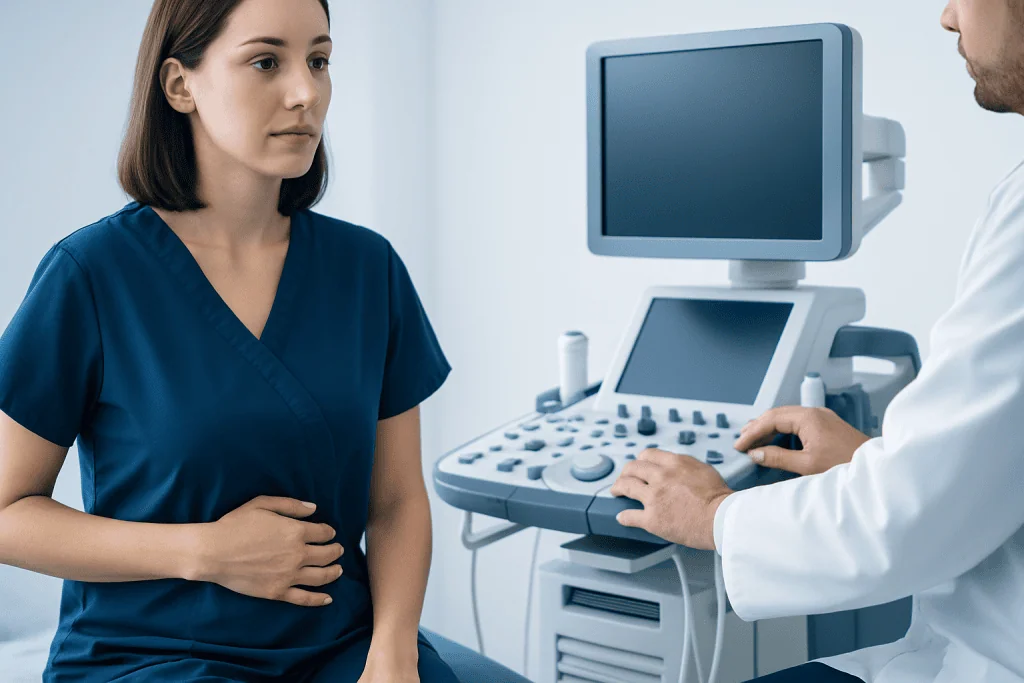
Accessory breast tissue may feel soft, firm, or rubbery, and it can become more noticeable when the surrounding tissue swells. Some people have no symptoms at all and seek care only because of appearance. Others experience pain, a pulling sensation, or tenderness that worsens before menstruation or during pregnancy.
Common concerns include friction from clothing, difficulty shaving, irritation from deodorant, and visible fullness in sleeveless clothing. In some cases, the tissue can limit arm movement or create anxiety about body image. These symptoms can vary from mild to bothersome, and the pattern may change over time.
Because accessory breast tissue can respond to hormones, it may enlarge, become tender, or feel heavier during different life stages. A clinician will often ask whether the lump changes with the menstrual cycle, pregnancy, or weight changes, since that information can help support the diagnosis.
Causes & Risk Factors

Accessory breast tissue is usually a congenital finding, meaning it develops before birth rather than being caused by injury or lifestyle factors. It forms when a small amount of breast tissue remains along the embryologic “milk line,” which extends from the armpit to the groin. Most people with accessory breast tissue are otherwise healthy.
Hormonal changes can make the tissue more noticeable. Puberty, pregnancy, breastfeeding, and some menstrual cycles may all lead to swelling or tenderness. Family history does not always predict who will have accessory breast tissue, but a personal history of related breast development patterns may be discussed during evaluation.
Accessory breast tissue can occur with or without a nipple or areola. It may also contain glandular tissue, fat, or both, which affects how it looks and how it is treated. Accessory breast treatment is tailored to the tissue type, symptoms, and cosmetic goals.
Diagnosis
Diagnosis usually begins with a physical examination and a detailed history. The doctor will assess where the tissue is located, whether it changes with the menstrual cycle, and whether it feels more like breast tissue, fatty tissue, or another type of lump. This first step helps determine whether the mass is likely accessory breast tissue.
Imaging may be recommended, especially if the lump is new, changing, or not clearly accessory breast tissue on examination. Depending on the situation, ultrasound, mammography, or other studies may help confirm the diagnosis and rule out other conditions. In some cases, a biopsy is considered if the doctor wants to examine tissue more closely.
For people considering surgery, the evaluation also helps plan the operation. The surgeon may map the amount of tissue to be removed, discuss scar placement, and decide whether direct excision, liposuction, or a combination approach is most suitable. If the tissue is part of a broader breast contour concern, the doctor may also discuss related procedures such as aesthetic breast surgery.
Treatment Options
The main treatment for symptomatic accessory breast tissue is surgical removal. The exact method depends on how much glandular tissue is present, whether there is excess skin, and how visible the tissue is. Some patients benefit from direct excision alone, while others do better with liposuction or a combined technique.
Direct excision is often used when the tissue is firm, glandular, or clearly defined. Liposuction may help when the fullness is mainly fatty tissue or when contour refinement is needed. If skin has stretched or sagged, the surgeon may remove extra skin to create a smoother result. The procedure is usually planned as an outpatient surgery, although the setting can vary.
Before surgery, the patient will receive instructions about medications, fasting, and postoperative care. During the consultation, the surgeon should explain realistic expectations, likely scar location, and the recovery timeline. In some cases, people who want broader cosmetic improvement in the breast area may also discuss related options such as breast aesthetics or breast reduction when appropriate.
What to Expect Before, During, and After Surgery
Before surgery, the care team reviews the diagnosis, the planned technique, and any medical conditions that might affect healing. Patients are commonly advised to stop smoking, if applicable, because smoking can slow recovery. The surgeon may also review blood-thinning medicines and supplements, since some of them can raise bleeding risk.
During surgery, the area is usually numbed with local anesthesia, sedation, or general anesthesia depending on the size of the tissue and the planned approach. The surgeon removes the accessory breast tissue through carefully placed incisions and closes the area with sutures or other closure methods. A small drain may sometimes be used if the surgeon expects fluid buildup.
After surgery, swelling, bruising, and mild discomfort are common for a period of time. Patients are often given compression instructions, wound care directions, and guidance on when to resume normal movement, work, and exercise. Follow-up appointments are important so the surgeon can monitor healing and answer questions about scars, swelling, or asymmetry.
Prevention & Self-care
Accessory breast tissue cannot usually be prevented because it develops before birth. However, symptoms can often be managed more comfortably with practical self-care while a person is deciding about treatment or recovering from surgery. A supportive bra or clothing that reduces friction may help if the tissue is sensitive.
After surgery, following the surgeon’s instructions is the most important part of self-care. This usually includes keeping incisions clean, wearing compression if recommended, avoiding heavy lifting until cleared, and attending follow-up visits. Gentle walking is often encouraged, but activity limits should always be individualized.
It can also help to watch for changes in the area over time. If the tissue becomes larger, more painful, red, warm, or hard, the person should contact a doctor for advice. Some patients seeking contour improvement after major weight changes may also talk with a specialist about options such as bariatric contouring if it is relevant to their broader body-shaping goals.
When to See a Doctor
A doctor should evaluate any persistent underarm lump or breast-like tissue, especially if it is painful, changing, or causing concern. Even when the area seems likely to be accessory breast tissue, a proper assessment is important because several conditions can look similar. A clinician can confirm the diagnosis and discuss whether surgery is needed.
Medical advice is also appropriate if the tissue interferes with daily activities, causes skin irritation, or becomes more noticeable during hormonal changes. People who are planning pregnancy, breastfeeding, or other major life changes may wish to discuss timing, since these factors can influence symptoms and surgical planning.
For patients who want a coordinated approach, Acibadem International’s multidisciplinary specialists and JCI-accredited hospitals diagnose and treat accessory breast tissue for international patients. This can be helpful when evaluation, imaging, and surgical planning need to be organized in one setting.
Frequently asked questions
What is accessory breast tissue?
Accessory breast tissue is extra breast tissue that forms during development and remains outside the normal breast area. It is often found in the underarm region, but it can also appear elsewhere along the line where breast tissue can develop. It may behave like normal breast tissue and become tender or enlarge with hormonal changes.
How is accessory breast removal usually done?
The surgeon may remove the tissue through direct excision, liposuction, or both, depending on whether the main issue is glandular tissue, fat, skin excess, or a mix of these. The approach is chosen after an in-person assessment and sometimes imaging. The goal is to remove the tissue safely while creating the smoothest possible contour.
What should a person expect before surgery?
Before surgery, the doctor usually reviews symptoms, medical history, and the location and size of the tissue. Imaging or further tests may be recommended if the diagnosis is not fully clear. The patient will also receive instructions about medications, smoking, fasting, and arranging time for recovery.
Is accessory breast removal painful?
Discomfort is usually manageable and varies with the amount of tissue removed and the technique used. Most patients feel soreness, tightness, or swelling for a short period after surgery, and the care team explains how to keep the area comfortable. Pain is typically expected to improve gradually during recovery.
How long is recovery after accessory breast removal?
Recovery time depends on the extent of surgery and the person’s overall health. Many people return to light daily activities relatively soon, but strenuous exercise and heavy lifting are usually restricted for a period of time. Follow-up visits help the surgeon monitor healing and address swelling, scar care, or any concerns.
Will there be a scar?
Any surgery that removes tissue leaves a scar, but the size and location depend on the technique used. Surgeons usually place incisions where they are less noticeable when possible. Over time, scars often soften and fade, although they do not disappear completely.
When should someone see a doctor about an underarm lump?
A doctor should evaluate any persistent underarm lump, especially if it is painful, enlarging, or changing in a noticeable way. Medical assessment is important because different conditions can look similar. A specialist can help determine whether the tissue is accessory breast tissue and discuss the most appropriate treatment.
References
- American Society of Plastic Surgeons
- Mayo Clinic
- Cleveland Clinic
- National Cancer Institute
This article is for general information only and is not a substitute for professional medical advice. Please consult a qualified doctor about your individual situation.
Accessory Breast in Turkey — costs, top hospitals & a free quote
JCI-accredited · board-certified surgeons · reply within 24h
Add us as a Preferred Source to see more of our trusted health content across Google Search, AI Overviews and Discover.

Plastic, Reconstructive & Aesthetic Surgery
Reconstructive and aesthetic procedures for the face and body, performed by experienced surgeons.
35 specialists in this unitRelated Treatments
Related Conditions
More from the Health Library



Related Specialists

Prof. Dr. Şükrü Yazar
Aesthetic Plastic & Reconstructive Surgery
Assoc. Prof. Dr. Erdem Güven (m)
Aesthetic Plastic & Reconstructive Surgery
Prof. Dr. Hakan Ağır
Aesthetic Plastic & Reconstructive Surgery
Prof. Dr. Bülent Saçak
Aesthetic Plastic & Reconstructive Surgery