Adenomyosis: Heavy Periods, Pelvic Pain, and Treatment Options

Adenomyosis often causes heavy or prolonged periods, severe cramps, and chronic pelvic discomfort. Symptoms can overlap with fibroids, endometriosis, and other gynecologic conditions, so medical evaluation is important.
Key Takeaways
- Adenomyosis often causes heavy or prolonged periods, severe cramps, and chronic pelvic discomfort.
- Symptoms can overlap with fibroids, endometriosis, and other gynecologic conditions, so medical evaluation is important.
- Diagnosis usually involves a pelvic exam, ultrasound, and sometimes MRI to better assess the uterus.
- Treatment depends on symptoms, age, fertility goals, and overall health, and may include pain medicines, hormonal therapy, or surgery.
- People with severe bleeding, worsening pain, or symptoms that affect daily life should speak with a gynecologist.
Adenomyosis is a common uterine condition in which tissue similar to the lining of the uterus grows into the muscle of the uterine wall. It can lead to heavy menstrual bleeding, cramping, pelvic pressure, and pain, but effective diagnosis and treatment options are available.
Overview
Adenomyosis is a condition affecting the uterus. It happens when tissue similar to the endometrium, the lining that normally thickens and sheds during the menstrual cycle, grows into the muscular wall of the uterus. As this tissue responds to monthly hormones, the uterine muscle can become enlarged, tender, and inflamed.
This condition is not cancer, but it can significantly affect quality of life. Many people with adenomyosis experience heavy menstrual bleeding, strong cramps, pelvic pain, or a feeling of pressure in the lower abdomen. Others may have mild symptoms or no symptoms at all.
Adenomyosis can occur on its own or alongside other gynecologic conditions, especially uterine fibroids or endometriosis. Because symptoms can overlap, a careful assessment is often needed to understand the true cause of pain or heavy periods and to plan appropriate treatment.
Symptoms
The most common symptoms of adenomyosis are heavy menstrual bleeding and painful periods. Bleeding may last longer than usual, include clots, or be heavy enough to interfere with work, school, sleep, or daily routines. Menstrual cramps may feel stronger over time and can begin before bleeding starts.
Some people also develop chronic pelvic pain, lower abdominal pressure, pain during sex, or a sense of fullness in the pelvis. The uterus may become enlarged, which sometimes causes bloating or discomfort similar to menstrual swelling.
Symptoms can vary from person to person. In some cases, they are most noticeable in the late reproductive years. In others, adenomyosis is found during evaluation for infertility, anemia, or ongoing pelvic pain. Typical symptoms may include:
- Heavy or prolonged periods
- Severe menstrual cramps
- Pelvic pain between periods
- Pelvic pressure or bloating
- Pain during intercourse
- Fatigue related to blood loss and possible iron deficiency
If bleeding is heavy over time, it may lead to anemia. This can cause tiredness, weakness, shortness of breath with activity, dizziness, or headaches, making proper evaluation especially important.
Causes and Risk Factors

The exact cause of adenomyosis is not fully understood. Specialists believe it may develop when endometrial-type tissue grows into the uterine muscle, possibly influenced by hormones, inflammation, prior uterine procedures, or changes in the boundary between the uterine lining and muscle.
Adenomyosis depends on estrogen and other reproductive hormones, which helps explain why symptoms often occur during reproductive years and may improve after menopause. It has been diagnosed in people of different ages, but it is more often recognized in adults who have had years of menstrual cycles.
Several factors may increase the likelihood of adenomyosis, although having one or more risk factors does not mean a person will definitely develop it. These may include:
- Being in the later reproductive years
- Previous pregnancy or childbirth
- Prior uterine surgery, such as cesarean delivery or removal of fibroids
- Long-term exposure to estrogen over the reproductive lifespan
- Coexisting gynecologic conditions such as fibroids or endometriosis
Adenomyosis is not caused by anything a person did wrong. It is a medical condition that deserves proper attention, especially when symptoms are persistent or disruptive.
How Adenomyosis Is Diagnosed
Diagnosis begins with a detailed medical history. A doctor will ask about menstrual bleeding, pain patterns, pregnancy history, contraception, and how symptoms affect everyday life. During a pelvic exam, the uterus may feel enlarged, tender, or boggy, although the exam alone cannot confirm adenomyosis.
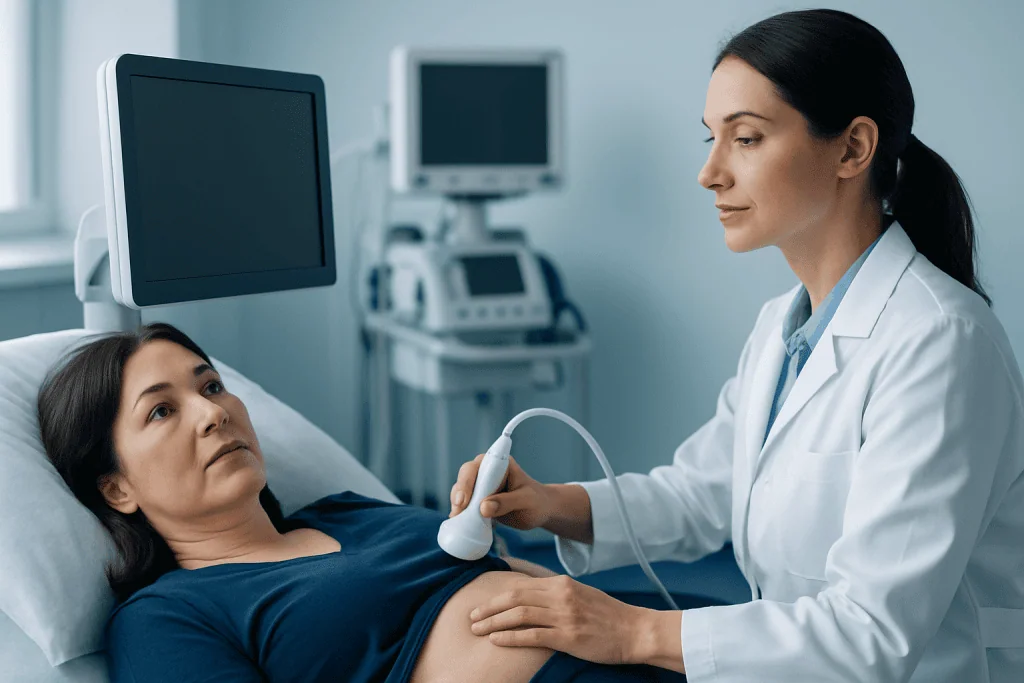
Imaging plays an important role. A pelvic ultrasound is often the first test because it is widely available and can help identify changes in the uterine muscle while also checking for fibroids, ovarian cysts, or other causes of symptoms. In some cases, MRI scanning is used to look more closely at the uterine wall and support the diagnosis when ultrasound findings are unclear.
Blood tests may be ordered to check for anemia if bleeding is heavy. Depending on symptoms, a doctor may also investigate other causes of abnormal bleeding, such as polyps, thyroid problems, or problems related to ovulation. Some patients also need evaluation for uterine fibroids, since fibroids and adenomyosis can exist together.
The only way to confirm adenomyosis with complete certainty has traditionally been by examining uterine tissue after hysterectomy. However, modern imaging often allows doctors to make a reliable clinical diagnosis and begin treatment without major surgery.
Treatment Options
Treatment for adenomyosis depends on symptom severity, age, overall health, and whether future pregnancy is desired. The main goals are to reduce pain, control heavy bleeding, correct anemia if present, and improve quality of life. Many people begin with non-surgical treatment and move to more advanced options only if needed.
For mild to moderate symptoms, doctors may recommend pain-relieving medicines and hormonal treatments. Hormonal options may help reduce menstrual bleeding and cramping by suppressing the monthly cycle or thinning the uterine lining. Depending on the situation, options may include birth control pills, hormone-releasing intrauterine devices, or other prescription therapies. If bleeding has caused iron deficiency, treatment for anemia may also be needed.
When symptoms remain severe despite medicine, procedures or surgery may be considered. A specialist may discuss minimally invasive approaches for selected patients, but not every procedure is suitable for adenomyosis, especially when disease is diffuse rather than localized. In some situations, hysterectomy offers definitive treatment for those who do not wish to become pregnant in the future.
Because the condition can be complex, care is often individualized. In experienced centers, treatment planning may involve gynecologists, radiologists, pain specialists, and fertility experts. Near the end of the care pathway, patients may also benefit from a review of imaging and surgical options such as laparoscopic surgery when appropriate. Acibadem International’s multidisciplinary specialists and JCI-accredited hospitals diagnose and treat adenomyosis for international patients.
Prevention and Self-Care
There is no known guaranteed way to prevent adenomyosis. Because its exact cause is still being studied, prevention focuses more on early recognition and symptom management than on avoiding the condition altogether.
Self-care can still make a meaningful difference. Keeping a record of periods, pain levels, bleeding amount, and any symptoms such as fatigue or dizziness can help both the patient and doctor recognize patterns. This information is especially useful when deciding whether treatment is working.
Supportive measures may include:
- Using a heating pad or warm bath for cramping
- Resting during painful days when possible
- Maintaining balanced nutrition, including enough iron if bleeding is heavy
- Following the treatment plan exactly as prescribed
- Attending follow-up visits to monitor symptoms and anemia
If symptoms are affecting emotional well-being, sleep, relationships, or work, it is reasonable to discuss this openly with a doctor. Chronic pain and heavy bleeding are medical concerns, and support is available.
When to See a Doctor
Medical advice should be sought if periods become unusually heavy, cramps are severe, or pelvic pain persists beyond menstruation. Bleeding that soaks through pads or tampons quickly, causes faintness, or leads to major disruption of daily life deserves prompt evaluation.
A person should also see a doctor if they notice increasing abdominal fullness, pain during sex, or symptoms of anemia such as unusual tiredness, shortness of breath, dizziness, or paleness. These symptoms do not always mean adenomyosis, but they do need professional assessment.
Urgent care may be needed for very heavy bleeding, severe sudden pain, or signs of significant weakness or dehydration. Early evaluation can help identify adenomyosis and other conditions sooner, allowing treatment to begin before symptoms become harder to manage.
Frequently asked questions
Is adenomyosis the same as endometriosis?
No. Adenomyosis involves endometrial-type tissue growing into the muscle of the uterus, while endometriosis involves similar tissue growing outside the uterus. The two conditions can cause similar symptoms and may occur together.
Can adenomyosis cause infertility?
Adenomyosis may be associated with difficulty conceiving in some people, but not everyone with the condition has fertility problems. Fertility depends on many factors, so a personalized evaluation is important for anyone trying to become pregnant.
Does adenomyosis go away after menopause?
Symptoms often improve after menopause because the condition is influenced by reproductive hormones. However, symptom patterns vary, and anyone with bleeding after menopause should seek medical evaluation.
Can adenomyosis be treated without surgery?
Yes. Many patients are treated first with pain medicines, hormonal therapy, and monitoring for anemia. Non-surgical treatment can be very helpful, especially when symptoms are mild to moderate or future fertility is desired.
Is adenomyosis cancer?
No, adenomyosis is a benign condition, meaning it is not cancer. Even so, heavy bleeding and pelvic pain should not be ignored because they can affect health and quality of life.
What is the best test for adenomyosis?
There is no single best test for every person. Doctors often start with pelvic ultrasound, and MRI may be used when more detail is needed or when the diagnosis is uncertain.
References
- World Health Organization
- American College of Obstetricians and Gynecologists
- National Health Service
- Mayo Clinic
- Radiological Society of North America
This article is for general information only and is not a substitute for professional medical advice. Please consult a qualified doctor about your individual situation.
Explore treatments in Turkey — costs, top hospitals & a free quote
JCI-accredited · board-certified surgeons · reply within 24h
Add us as a Preferred Source to see more of our trusted health content across Google Search, AI Overviews and Discover.
Check your numbers in seconds
BMI, calories, due date, blood pressure and 30+ more clinical calculators — free, instant, doctor-reviewed ranges.