Advanced Metastatic Cancer Treatment: How It Works, Results and What to Expect

Metastatic cancer has spread from its original site to distant parts of the body, but treatment options may still be effective. Treatment commonly combines systemic therapy with symptom-focused care and, in selected cases, surgery or radiation.
Key Takeaways
- Metastatic cancer has spread from its original site to distant parts of the body, but treatment options may still be effective.
- Treatment commonly combines systemic therapy with symptom-focused care and, in selected cases, surgery or radiation.
- Biomarker and genetic testing can help identify treatments that are more likely to benefit an individual.
- Treatment plans are reviewed regularly and can change as the cancer, side effects or personal priorities change.
- Palliative care can be provided alongside cancer-directed treatment and is not limited to end-of-life care.
Advanced metastatic cancer treatment is tailored to the cancer type, its molecular features, where it has spread and the person’s goals of care. It may include systemic medicines, focused local treatments and supportive care to control cancer, relieve symptoms and preserve quality of life.
Advanced Metastatic Cancer Treatment: An Overview
Advanced metastatic cancer treatment is care for cancer that has spread from the organ where it started to distant areas of the body. The aim may be to slow or control cancer growth, reduce symptoms, prevent complications and help the person maintain the best possible quality of life. While metastatic cancer is often not curable, many people can benefit from treatment for meaningful periods of time.
The best approach depends on the original cancer type, where it has spread, previous treatments, laboratory and imaging findings, tumour biomarkers, general health and personal preferences. Treatment is usually planned by a multidisciplinary cancer team, which may include medical oncologists, radiation oncologists, surgeons, radiologists, pathologists, specialist nurses, palliative-care clinicians and other supportive-care professionals.
Care is individual rather than one-size-fits-all. A treatment plan can include cancer-directed therapy, treatment for a specific painful or threatening site of disease, and practical, emotional and symptom support at the same time.
What Does It Mean to Be Advanced?
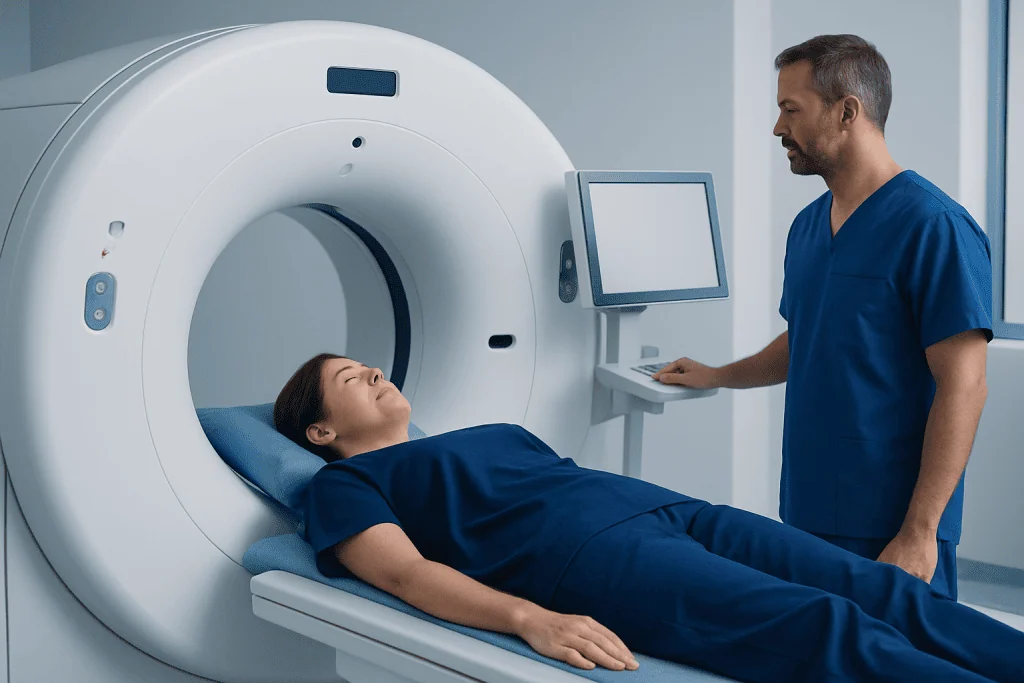
In cancer care, the word advanced generally describes cancer that is extensive, difficult to remove completely with surgery, has returned after earlier treatment, or has spread beyond the original area. Advanced cancer may be locally advanced, meaning it has grown into nearby tissues or lymph nodes, or metastatic, meaning it has travelled to distant organs or tissues.
Metastatic cancer is often called stage 4 cancer for many solid tumour types, although staging systems differ by cancer. A cancer is still named for where it began. For example, breast cancer that has spread to bone remains metastatic breast cancer, not bone cancer.
Advanced does not mean that care has stopped or that there are no options. It means treatment goals and choices need careful discussion. Some cancers respond well to modern targeted medicines, immunotherapy, hormone therapy, chemotherapy or combinations of these treatments.
Is It Advanced or Advance?

Both words are correct, but they have different grammatical roles. Advanced is commonly an adjective used to describe a stage or state, such as advanced cancer, advanced disease or advanced metastatic cancer.
Advance is usually a verb or noun. A cancer may advance or progress, while an advance may refer to movement forward, development or progress. In health information, “advanced cancer” is the standard phrase when describing cancer that is extensive or has spread.
Clear language matters because terms can be emotionally difficult. A cancer team can explain whether a diagnosis is locally advanced, metastatic, recurrent or progressive, and what that wording means for treatment planning.
How Advanced Metastatic Cancer Treatment Works
Most metastatic cancers are treated with systemic therapy. These medicines travel through the bloodstream and can reach cancer cells in multiple parts of the body. Depending on the cancer, systemic treatment may involve chemotherapy, immunotherapy, targeted therapy, hormone therapy, antibody-drug conjugates, cellular therapies or carefully selected combinations.
Testing the tumour and, in some cases, blood samples may identify biomarkers such as gene changes, protein levels or immune features. These results can guide treatment selection and may help clinicians avoid treatments that are unlikely to work. Medical oncology care coordinates medicines used to treat cancer throughout the body and monitors their effects over time.
Local treatments can still have an important role. Radiation therapy may relieve pain, control bleeding or treat disease affecting the brain, spine or other sensitive sites. Surgery, ablation or interventional procedures may be considered for selected people when they can safely address a specific complication or limited area of disease. Radiation oncology treatment can be part of a wider plan when a focused approach is appropriate.
Supportive and palliative care addresses pain, fatigue, nausea, breathlessness, sleep concerns, nutrition, emotional wellbeing and family needs. It is offered alongside active cancer treatment and can improve comfort, communication and daily functioning.
Candidacy and the Step-by-Step Treatment Process
There is no single eligibility rule for advanced metastatic cancer treatment. Clinicians consider the cancer’s origin, sites and pace of spread, pathology results, molecular testing, organ function, symptoms, previous therapy, daily functioning and the individual’s treatment goals. Age alone does not determine whether someone can receive treatment.
The process usually begins with confirmation of the diagnosis and cancer type. This may include review of biopsy tissue, blood tests and imaging such as CT, MRI, PET-CT or bone scans. When safe and useful, a new biopsy may be advised because cancer characteristics can change over time or differ between tumour sites.
Next, the multidisciplinary team discusses potential options and their expected benefits, limitations and side effects. The person and their loved ones can ask about the purpose of each treatment, how success will be assessed, likely impact on everyday life, alternatives, clinical trials and supportive services.
Treatment is then delivered in cycles, as tablets, injections, infusions, radiation sessions or procedures, depending on the plan. Follow-up appointments, symptom reviews, blood tests and periodic scans help assess response and safety. Plans may be continued, adjusted, paused or changed according to results and personal priorities.
Benefits, Risks and Recovery Timeline
Potential benefits of treatment include shrinking or stabilising cancer, easing cancer-related symptoms, delaying complications and helping some people live longer with good daily function. The chance and duration of benefit vary considerably by cancer type, treatment and individual biology. Clinicians should explain what is known in the specific situation without making promises.
Risks depend on the therapy. Chemotherapy may cause tiredness, nausea, hair loss, lowered blood counts or infection risk. Immunotherapy can cause inflammation in organs such as the skin, bowel, lungs, liver or hormone glands. Targeted and hormone therapies also have specific possible effects, which require regular monitoring. Radiation can cause temporary or longer-term effects in the treated area.
Recovery is not always a single period after treatment, because metastatic cancer care may continue over months or longer. After an infusion, some people resume usual activities within a day or two, while others need more rest. Recovery after surgery, radiation or complications may take longer. The care team can recommend activity, nutrition, rehabilitation and symptom-management strategies based on the treatment received.
New or worsening symptoms should be reported early. Prompt support can often reduce side effects and may help prevent an avoidable interruption in treatment.
What Are Some Words for Advanced?
Words related to advanced cancer include late-stage, extensive, progressive, recurrent, locally advanced and metastatic. However, these terms are not interchangeable. Each has a distinct clinical meaning and should be interpreted in the context of the person’s diagnosis.
For example, recurrent cancer has returned after prior treatment, but it may be local, regional or metastatic. Progressive cancer is growing or spreading despite treatment or during monitoring. Locally advanced cancer may involve nearby structures without having spread to distant organs.
Asking the cancer team to define the terminology in a report is appropriate and helpful. Understanding the words used can make it easier to participate in decisions and communicate with family members.
Do You Spell “Advanced”?
Yes. The correct spelling is advanced: a-d-v-a-n-c-e-d. In oncology, it is commonly used in phrases such as “advanced cancer,” “advanced disease” and “advanced metastatic cancer.”
The word “metastatic” is spelled m-e-t-a-s-t-a-t-i-c. It refers to cancer that has spread from the original site to a distant part of the body. Medical documents may also use the term metastasis for a single area of spread, or metastases for more than one area.
It is understandable to feel overwhelmed by medical vocabulary. Patients can request plain-language explanations, copies of relevant reports and a written summary of the care plan at any stage.
When to Seek Medical Care
Anyone with known advanced or metastatic cancer should contact their oncology team promptly for new, severe or worsening symptoms. These may include fever during treatment, sudden shortness of breath, chest pain, uncontrolled vomiting, confusion, severe headache, new weakness or numbness, loss of bladder or bowel control, significant bleeding, severe pain or inability to keep fluids down.
Urgent assessment is especially important for symptoms that may indicate infection, a blood clot, spinal cord compression, bowel obstruction, brain involvement or a treatment reaction. The team will advise whether same-day evaluation, emergency care or a scheduled review is needed.
People who are considering treatment, seeking a second opinion or experiencing symptoms that may be cancer-related should arrange a medical appointment rather than self-diagnosing. Acibadem International’s multidisciplinary specialists and JCI-accredited hospitals diagnose and treat cancer for international patients, with care plans tailored to clinical needs and individual goals.
Frequently asked questions
Can advanced metastatic cancer be treated?
Yes. Treatment can often slow cancer growth, reduce symptoms and help maintain quality of life, even when cure is not likely. The available options and expected benefit depend on the cancer type, its biology, previous treatment and overall health.
What is usually the first treatment for metastatic cancer?
There is no universal first treatment. Systemic therapy is commonly used, but the specific choice may be chemotherapy, immunotherapy, targeted therapy, hormone therapy or a combination. Test results from the tumour and blood can help guide the decision.
How do doctors know whether treatment is working?
Doctors combine symptom changes, physical examinations, blood tests and scheduled imaging to assess response. A treatment may be considered beneficial when cancer shrinks, remains stable, symptoms improve or complications are prevented. Results are reviewed over time rather than from one test alone.
Can palliative care be given with chemotherapy or immunotherapy?
Yes. Palliative care can be introduced at any point and can be provided alongside cancer-directed treatments. It focuses on symptom relief, emotional support, practical concerns and aligning care with what matters most to the person.
Should someone with metastatic cancer ask about clinical trials?
It can be helpful to ask whether a clinical trial is suitable. Trials may study new medicines, new combinations or different ways to provide supportive care. Eligibility is specific to the cancer type, treatment history, health status and trial requirements.
What questions should patients ask before starting treatment?
Helpful questions include the goal of treatment, expected benefits, possible side effects, how treatment will affect daily life and how response will be monitored. It is also reasonable to ask about alternatives, supportive care, clinical trials and when to contact the team urgently.
References
- National Cancer Institute
- American Cancer Society
- European Society for Medical Oncology
- World Health Organization
- National Comprehensive Cancer Network
This article is for general information only and is not a substitute for professional medical advice. Please consult a qualified doctor about your individual situation.
Oncology care in Turkey — second opinion and treatment plan
JCI-accredited · board-certified surgeons · reply within 24h
Add us as a Preferred Source to see more of our trusted health content across Google Search, AI Overviews and Discover.