

Aesthetic Breast Surgery: What It Is and What Results to Expect

Aesthetic breast surgery is tailored to each person’s goals, anatomy, and health status. Common procedures include breast augmentation, breast lift, breast reduction, and symmetry correction.
Key Takeaways
- Aesthetic breast surgery is tailored to each person’s goals, anatomy, and health status.
- Common procedures include breast augmentation, breast lift, breast reduction, and symmetry correction.
- Results can improve shape and balance, but scars, swelling, and healing time should be expected.
- A qualified surgeon reviews breast tissue, skin quality, medical history, and expectations before surgery.
- Long-term results are influenced by weight changes, pregnancy, aging, and implant-related factors when implants are used.
Aesthetic breast surgery includes procedures that change breast size, shape, position, or symmetry to better match a person’s goals and body proportions. The results depend on the procedure, healing, and individual anatomy, so a detailed consultation is essential.
Overview
Aesthetic breast surgery refers to procedures designed to change the size, shape, position, or symmetry of the breasts. Some people seek fuller breasts, a more lifted contour, or relief from breasts that feel too large for their frame. Others want to improve differences between the two breasts or restore breast shape after weight change, pregnancy, or aging.
These procedures are individualized rather than one-size-fits-all. The surgeon considers the person’s anatomy, skin elasticity, breast tissue, chest width, and goals before recommending a plan. In some cases, a single procedure is enough; in others, a combination of techniques provides the most balanced result.
It may help to think of aesthetic breast surgery as a spectrum of options rather than one operation. A person may benefit from breast augmentation, a lift, reduction, or a combination, and some patients may also explore breast reconstruction if the breast shape has been altered by illness or previous surgery.
Common Procedures and Expected Results
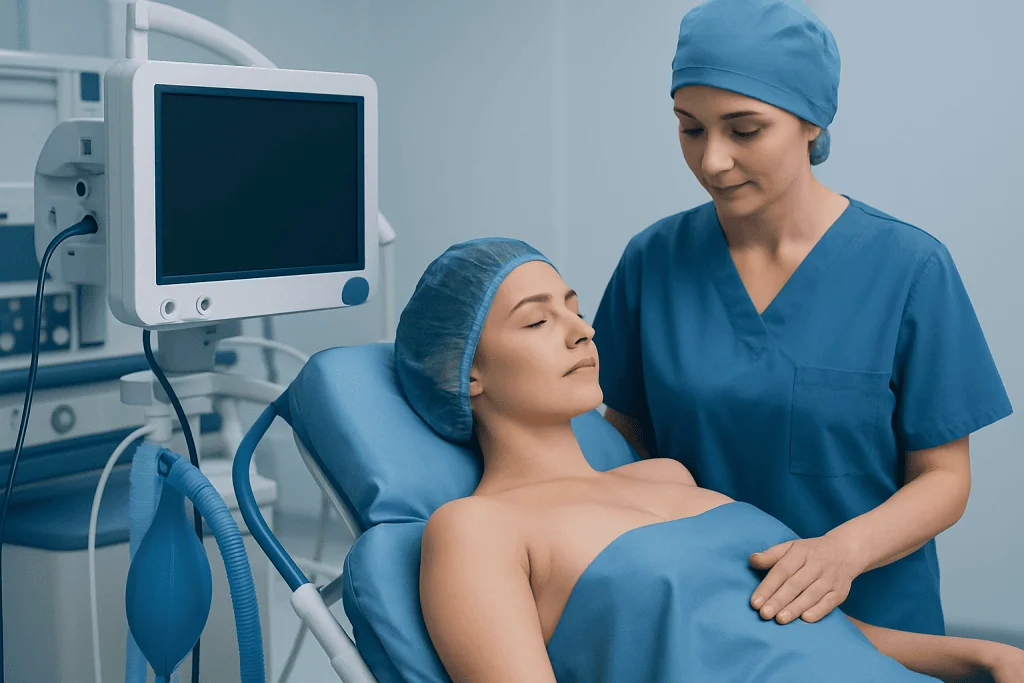
Breast augmentation is used to increase breast volume and can also help improve symmetry. It is usually performed with implants and, in some cases, with fat transfer. The result is generally a fuller breast contour, but the final appearance depends on implant type, placement, and the person’s natural tissue.
A breast lift, or mastopexy, raises and reshapes breasts that have begun to sit lower on the chest. It does not significantly increase size, but it can create a more youthful position and improve nipple placement. Some patients combine a lift with augmentation when they want both fullness and elevation; many surgeons discuss options such as breast lift (mastopexy) during planning.
Breast reduction removes excess breast tissue, fat, and skin to create smaller, lighter breasts. This may improve comfort, posture, and clothing fit while also changing breast shape. For some people, reduction is partly cosmetic and partly functional; a detailed discussion of breast reduction can help clarify whether this procedure matches their needs.
Some procedures focus on symmetry or special concerns, such as correcting an accessory breast or addressing differences caused by development, aging, or prior surgery. The most important point is that the result should look natural in proportion to the body, not simply larger or smaller.
Symptoms and Reasons People Consider Surgery
People usually consider aesthetic breast surgery because they are unhappy with one or more features of the breasts. This may include breasts that feel too small, too large, uneven, flat after pregnancy, or lower than they used to be. Some notice a loss of fullness in the upper breast, while others feel that one breast is noticeably different from the other.
Physical symptoms can also play a role, especially with large breasts. These may include neck, shoulder, or back discomfort; bra strap grooves; skin irritation; and difficulty with exercise or finding well-fitting clothing. In these situations, the goal is often both cosmetic improvement and greater everyday comfort.
Emotional reasons matter too. Many people seek surgery to feel more confident in clothing or swimwear, to restore a sense of balance after body changes, or to better match their body image. A good surgical consultation explores both physical and emotional goals so expectations remain realistic and healthy.
Causes and Risk Factors That Influence Candidacy
Not everyone is a good candidate for the same procedure. Factors such as skin quality, breast tissue volume, chest shape, nipple position, and the degree of asymmetry influence which technique is likely to work best. Age alone is not the main factor; overall health and healing capacity are more important.
Pregnancy, breastfeeding, weight changes, and natural aging can alter breast shape over time. These changes may reduce firmness, stretch the skin, or create drooping. In addition, some people have inherited breast asymmetry or underdevelopment that is present from puberty.
Smoking, uncontrolled medical conditions, and certain medications can increase surgical risk or affect healing. A surgeon will usually review the medical history carefully and may advise stopping smoking before surgery. It is also important to discuss future pregnancy plans, because future body changes can influence long-term results.
How the Evaluation and Diagnosis Are Done
There is no single test for aesthetic breast surgery. Instead, the evaluation is based on a detailed consultation, physical examination, and discussion of goals. The surgeon looks at breast shape, skin stretch, nipple position, chest wall anatomy, and any asymmetry or drooping.
Medical history is reviewed to identify factors that may affect healing or safety. This includes previous breast surgery, breast biopsies, family history of breast disease, current medications, and any symptoms such as pain, lumps, nipple discharge, or rapid changes in shape. Depending on age and risk factors, breast imaging may be recommended before surgery.
Photography and measurements are often used to help plan the procedure and explain likely results. A careful consultation also helps the patient understand what surgery can and cannot change. For people who are considering implants, the discussion may include implant type, incision placement, and the possibility of future implant-related procedures such as breast prosthesis removal if circumstances change later.
Treatment Options and What Results to Expect
Treatment depends on the specific goal. Breast augmentation can increase volume and enhance curves; a lift can reposition and reshape the breast; reduction can decrease heaviness and improve comfort; and combination surgery can address more than one concern at the same time. In selected cases, fat grafting may be used to refine contour or fill small areas of volume loss.
Results are usually visible soon after surgery, but the final shape takes time to settle. Swelling, bruising, and firmness are common early on, and breasts can continue to change over several weeks or months as tissues heal. Scars are part of most procedures, but they usually fade over time and are placed as discreetly as possible.
Outcome depends not only on the surgeon’s technique, but also on healing, tissue quality, and future body changes. Implants do not last forever, and even without implants, aging and gravity continue to affect breast shape. This is why surgeons emphasize realistic goals: improvement is the aim, not perfection or permanent resistance to all future change.
Patients who are interested in broader body balance may also discuss related contouring procedures, such as body aesthetics, especially when breast surgery is part of a larger plan for proportion and self-confidence.
Recovery, Prevention, and Self-care
Recovery instructions vary by procedure, but most patients are advised to rest, wear a support bra or garment, and avoid heavy lifting for a period of time. Walking is usually encouraged early to support circulation, but exercise, chest strain, and upper-body work are typically postponed until the surgeon says it is safe.
Good self-care supports healing. This includes following wound-care instructions, taking prescribed medicines as directed, attending follow-up visits, and watching for signs that need medical review. It also helps to keep weight stable, avoid smoking, and protect the skin and scars from sun exposure while they are healing.
Long-term prevention is really about protecting the result. Stable weight, appropriate bras, and healthy lifestyle habits can help the outcome last longer. For patients who may later need further contour adjustment after major weight changes, procedures such as bariatric contouring may be discussed in a different context, but only after individual assessment.
When to See a Doctor
A qualified plastic surgeon should be consulted by anyone considering breast surgery, especially if the goal involves more than simple size change. A thorough consultation is the best way to determine whether augmentation, lift, reduction, or another approach is most appropriate.
After surgery, patients should contact their care team if they develop increasing redness, fever, severe pain, sudden swelling, wound opening, or other changes that do not improve as expected. While some soreness and swelling are normal, worsening symptoms deserve prompt assessment.
It is also wise to seek medical advice before surgery if there are breast lumps, nipple discharge, a personal or family history of breast cancer, or plans for future pregnancy and breastfeeding. When questions are complex, multidisciplinary care can be especially helpful; Acibadem International’s specialists in JCI-accredited hospitals evaluate and treat this condition for international patients in a coordinated way.
Frequently asked questions
What is the difference between a breast lift and breast augmentation?
A breast lift raises and reshapes breasts that have drooped, while breast augmentation adds volume. Some people need only one procedure, and others benefit from both to achieve a fuller, lifted look.
How long do results from aesthetic breast surgery last?
Results can last for many years, but they are not immune to aging, pregnancy, weight change, or gravity. If implants are used, future follow-up is important because implant-related needs can change over time.
Will there be scars after breast surgery?
Most breast procedures leave scars, but surgeons place them to be as discreet as possible. Scars usually fade gradually, although their appearance varies from person to person.
Is breast surgery only for cosmetic reasons?
No. Some procedures are mainly cosmetic, but others also relieve symptoms such as back pain, skin irritation, or difficulty with activity. The same operation can improve appearance and comfort at the same time.
Can breast surgery affect breastfeeding?
It can, depending on the procedure and the surgical technique used. People who may want future pregnancies or breastfeeding should discuss this during consultation so the plan can account for that possibility.
How does a surgeon decide which procedure is best?
The choice depends on breast size, drooping, symmetry, skin quality, and the person’s goals. A surgeon combines examination findings with a careful discussion of expectations to recommend the most suitable option.
References
- American Society of Plastic Surgeons
- International Society of Aesthetic Plastic Surgery
- National Cancer Institute
- Mayo Clinic
- NHS
This article is for general information only and is not a substitute for professional medical advice. Please consult a qualified doctor about your individual situation.
Aesthetic Breast Surgery in Turkey — costs, top hospitals & a free quote
JCI-accredited · board-certified surgeons · reply within 24h
Add us as a Preferred Source to see more of our trusted health content across Google Search, AI Overviews and Discover.

Plastic, Reconstructive & Aesthetic Surgery
Reconstructive and aesthetic procedures for the face and body, performed by experienced surgeons.
35 specialists in this unitRelated Treatments
Related Conditions
More from the Health Library



Related Specialists

Prof. Dr. Şükrü Yazar
Aesthetic Plastic & Reconstructive Surgery
Assoc. Prof. Dr. Erdem Güven (m)
Aesthetic Plastic & Reconstructive Surgery
Prof. Dr. Hakan Ağır
Aesthetic Plastic & Reconstructive Surgery
Prof. Dr. Bülent Saçak
Aesthetic Plastic & Reconstructive Surgery