All-on-6 Recovery: Healing Stages, Diet, and Aftercare

Most people have some swelling, tenderness, and diet restrictions in the first days after All-on-6 treatment. A soft, non-chewy diet is important while the implants and surrounding tissues heal.
Key Takeaways
- Most people have some swelling, tenderness, and diet restrictions in the first days after All-on-6 treatment.
- A soft, non-chewy diet is important while the implants and surrounding tissues heal.
- Oral hygiene remains essential, but cleaning should be gentle and follow the dentist’s instructions.
- Full healing includes osseointegration, the process where implants bond with the jawbone over several months.
- Persistent pain, increasing swelling, fever, bleeding, or a loose prosthesis should be checked by a dentist promptly.
All-on-6 recovery is a gradual process that includes early healing of the gums, adaptation to temporary or final teeth, and longer-term fusion of the implants with the jawbone. Good aftercare, a suitable diet, and regular follow-up visits help support comfort, healing, and lasting results.
Overview of All-on-6 Recovery
All-on-6 is a full-arch tooth replacement method that uses six dental implants to support a fixed prosthesis in the upper or lower jaw. Recovery after this procedure happens in stages. The first stage focuses on healing of the gums and soft tissues, while the later stage involves osseointegration, the natural process in which the implants bond with the jawbone.
Many patients receive temporary teeth on the same day or soon after implant placement, which allows them to smile and speak more comfortably during healing. Even when the teeth feel secure, the jawbone still needs time to adapt around the implants. For this reason, dentists usually recommend diet changes, gentle cleaning, and follow-up visits for several weeks to months.
Recovery can vary from person to person. Healing often depends on bone quality, gum health, smoking status, general medical conditions, and whether additional procedures were needed. If bone support is limited, some patients may also need bone grafting before or during implant treatment to improve long-term stability.
Healing Stages After the Procedure

During the first 24 to 72 hours, mild to moderate swelling, soreness, and small amounts of bleeding or oozing can be expected. The mouth may feel tender, and speaking or chewing can feel unfamiliar at first. Cold compresses, rest, and prescribed or recommended medications are commonly used to help with comfort in this early period.
In the first one to two weeks, the gums begin to seal around the implants, and bruising or puffiness usually starts to improve. If stitches were used, they may dissolve on their own or be removed at a follow-up appointment. During this period, patients often begin adjusting to the bite and shape of their temporary teeth, although the mouth may still feel sensitive.
From several weeks to a few months, the deeper healing phase continues. The implants gradually integrate with the jawbone, which is essential for long-term success. Even if discomfort has largely settled, excessive pressure from hard or sticky foods can interfere with healing, so following dietary advice remains important throughout this phase.
Once healing is stable and the implants are well integrated, the final prosthesis may be fitted or adjusted. This stage is often more comfortable than the immediate recovery period, but small refinements in bite, speech, and cleaning technique may still be needed. Patients who want to understand the procedure more broadly may also read about All-on-6 treatment and long-term maintenance.
What Symptoms Are Normal During Recovery?
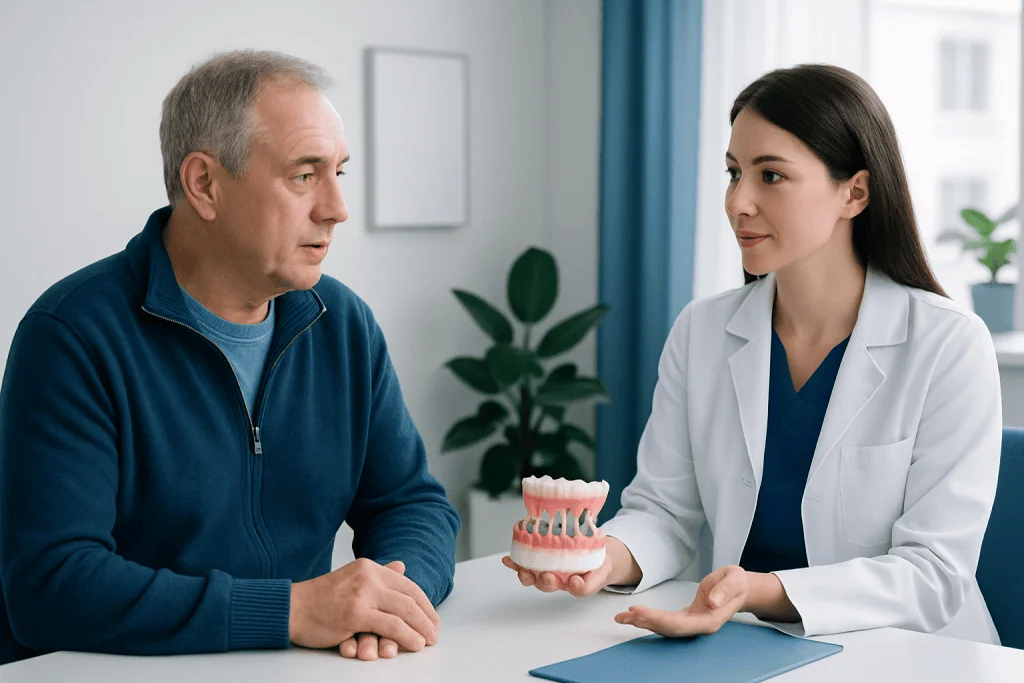
Some symptoms are common after All-on-6 surgery and do not necessarily mean that something is wrong. These may include swelling of the cheeks or gums, tenderness when biting, minor bruising, temporary speech changes, and a sensation of pressure around the implant sites. The mouth may also feel dry or produce more saliva than usual while a person adapts to the new prosthesis.
It is also normal to need time to get used to the bite and the feel of the replacement teeth. Eating may seem awkward at first, and certain words may sound different until the tongue and lips adjust. These changes usually improve as the mouth becomes more familiar with the prosthesis.
However, symptoms should generally improve rather than worsen over time. Increasing pain after the first few days, ongoing bad taste, pus, persistent bleeding, or a prosthesis that feels unstable should be assessed. People with a history of gum disease, such as gum recession, may need especially close monitoring of gum healing and oral hygiene.
Diet After All-on-6: What to Eat and Avoid
Diet plays a major role in recovery because the implants need a stable healing environment. In the early stage, dentists usually recommend cool or lukewarm soft foods that do not require much chewing. Suitable options often include yogurt, soups that are not too hot, mashed vegetables, smoothies eaten with a spoon, scrambled eggs, oatmeal, and soft fish.
As healing progresses, patients may slowly move to foods with a little more texture, such as pasta, rice, soft fruits, tender chicken, or cooked vegetables. Even when the mouth feels better, it is still wise to avoid very hard, crunchy, sticky, or chewy foods until the dental team confirms that stronger chewing is safe. This helps reduce unnecessary force on the implants and temporary prosthesis.
Foods and habits to avoid in the recovery period often include nuts, crusty bread, hard raw vegetables, chewing gum, ice, and very hot drinks immediately after surgery. Alcohol and smoking can also interfere with healing and increase the risk of complications. If there are questions about long-term tooth replacement options, patients sometimes compare All-on-4 and All-on-6 approaches with their dentist.
- Choose soft, protein-rich foods to support healing.
- Drink enough water unless told otherwise.
- Chew gently and evenly if chewing is allowed.
- Avoid biting directly into hard foods.
- Follow the dentist’s timeline before returning to a normal diet.
Aftercare and Oral Hygiene
Good aftercare helps protect both the implants and the surrounding gums. In the first days, cleaning may involve very gentle rinsing, careful brushing away from surgical sites, and any special instructions given by the dentist. Strong spitting, vigorous rinsing, or using a toothbrush too roughly can irritate healing tissues.
As the mouth becomes less tender, daily hygiene becomes increasingly important. Patients are often advised to clean around the bridge and gums with a soft toothbrush and tools such as interdental brushes, water flossers, or special floss designed for implant-supported prostheses. The goal is to remove food debris and plaque from beneath and around the bridge without causing trauma.
Long-term maintenance is just as important as early recovery. Regular professional reviews can detect bite problems, inflammation, or hygiene issues before they become more serious. Support from a team experienced in general dentistry and implant maintenance can help preserve function and comfort over time.
Some patients clench or grind their teeth, especially during sleep. This can place extra pressure on implants and prosthetic teeth. If this is suspected, a dentist may assess for bruxism and discuss protective strategies such as a night guard when appropriate.
Possible Complications and Warning Signs
Most people recover well, but complications can occur with any implant procedure. These may include infection, poor implant integration, irritation from the prosthesis, prolonged numbness, sinus-related symptoms in some upper jaw cases, or fracture or loosening of temporary teeth. Early recognition makes treatment easier and may help protect the result.
Signs that should not be ignored include worsening swelling after the first few days, fever, throbbing pain that does not improve, foul-smelling discharge, persistent heavy bleeding, or an implant bridge that moves. Difficulty swallowing or breathing requires urgent medical attention. A dentist should also be informed if medication side effects, allergic reactions, or severe mouth sores develop.
Risk may be higher in people who smoke, have uncontrolled diabetes, poor oral hygiene, active gum disease, or significant bone loss. Not every problem means implant failure, but new or persistent symptoms should be checked rather than watched for too long. Follow-up visits are an important part of safe recovery because some issues can be found even before they become noticeable at home.
Long-Term Healing, Follow-Up, and When to See a Dentist
All-on-6 recovery does not end when swelling fades. The deeper healing process often continues for several months, and periodic reviews help confirm that the implants are integrating well and that the bite remains balanced. Dentists may adjust the prosthesis, review cleaning methods, and decide when it is time for the final restoration if a temporary bridge was used first.
Patients should contact their dental team if pain increases instead of decreases, if they cannot eat or drink adequately, or if the prosthesis feels unstable. It is also sensible to seek advice for persistent bad breath, bleeding gums, ulcers from rubbing, or clicking when biting. These concerns may be manageable, but they deserve professional assessment.
For long-term success, regular dental checkups and professional cleaning remain essential. Daily home care, avoiding tobacco, and reporting changes early can help maintain implant health for many years. Acibadem International’s multidisciplinary specialists and JCI-accredited hospitals diagnose and treat dental implant conditions for international patients, including recovery support after full-arch implant procedures.
Frequently asked questions
How long does All-on-6 recovery usually take?
Initial recovery often takes one to two weeks, when swelling and soreness gradually improve. Full healing takes longer because the implants need several months to bond with the jawbone. The exact timeline depends on overall health, bone quality, and whether additional procedures were needed.
Is pain normal after All-on-6 surgery?
Some discomfort is normal in the first days after surgery, especially around the gums and implant sites. Pain should usually improve steadily with time and with the care plan provided by the dentist. If pain becomes worse, remains severe, or is accompanied by swelling or fever, it should be checked promptly.
What can a person eat after All-on-6?
Soft foods are usually recommended at first, such as yogurt, eggs, soups, mashed vegetables, and other foods that do not require heavy chewing. As healing progresses, more textured foods may be added gradually. Hard, crunchy, sticky, or very chewy foods should usually be avoided until the dentist says they are safe.
How should All-on-6 teeth be cleaned during recovery?
Cleaning should be gentle at first and should follow the dentist’s instructions carefully. As healing improves, patients are often advised to use a soft toothbrush and tools that help clean under and around the bridge. Good oral hygiene is important because plaque buildup can irritate the gums around implants.
When can normal activities resume after All-on-6?
Many people return to light daily activities within a few days, depending on how they feel. Strenuous exercise is often delayed for a short period because it may increase bleeding or swelling. The dentist will give more specific advice based on the extent of the procedure and the patient’s general health.
What are signs that something may be wrong during recovery?
Warning signs include increasing swelling, persistent bleeding, fever, pus, a bad taste that does not go away, or teeth that feel loose. Ongoing trouble eating, severe pain, or mouth sores from the prosthesis also deserve attention. These symptoms do not always mean a major problem, but they should be assessed by a qualified dental professional.
References
- American Dental Association
- National Institute of Dental and Craniofacial Research
- European Association for Osseointegration
- Mayo Clinic
- NHS
This article is for general information only and is not a substitute for professional medical advice. Please consult a qualified doctor about your individual situation.
Explore treatments in Turkey — costs, top hospitals & a free quote
JCI-accredited · board-certified surgeons · reply within 24h
Add us as a Preferred Source to see more of our trusted health content across Google Search, AI Overviews and Discover.

Dental & Oral Health
Full-scope dental care from implants and aesthetics to oral and maxillofacial surgery.
151 specialists in this unitRelated Treatments
More from the Health Library



Related Specialists

Assoc. Prof. Dr. Ferit Bayram
Oral & Dental Health
Assoc. Prof. Dr. Yeliz Çavuşoğlu Yüce
Oral & Dental Health
Assoc. Prof. Dr. Mutlu Keskin
Oral & Dental Health
Prof. Dr. Ülkü Noyan
Oral & Dental Health