Allergic Eye Ointment — Explained by Medical Evidence, Not Myths

Allergic eye ointment is usually used for eyelid skin symptoms, not always for allergy inside the eye. Many eye allergy symptoms respond better to allergen avoidance, lubricating drops, or anti-allergy eye drops than to ointment alone.
Key Takeaways
- Allergic eye ointment is usually used for eyelid skin symptoms, not always for allergy inside the eye.
- Many eye allergy symptoms respond better to allergen avoidance, lubricating drops, or anti-allergy eye drops than to ointment alone.
- Some products sold for red or irritated eyes are not appropriate for allergies and may worsen symptoms if misused.
- New pain, vision changes, thick discharge, or one-sided severe swelling should be assessed by a doctor promptly.
- A medical evaluation can help distinguish allergy from infection, dry eye, eczema, blepharitis, or contact dermatitis.
Allergic eye ointment may help when allergy affects the eyelids or the skin around the eyes, but it is not the best option for every kind of eye allergy. Safe treatment depends on the cause of symptoms, the exact product used, and whether the problem is truly allergic rather than infectious or irritant-related.
Overview: what allergic eye ointment can and cannot do
Allergic eye ointment is not one single medicine. The term is often used broadly for ointments applied to the eyelids or around the eyes when allergy causes itching, redness, scaling, or swelling. In practice, the most suitable treatment depends on where the allergy is happening: on the eyelid skin, on the surface of the eye, or both.
For many people, classic eye allergy symptoms such as itchy, watery, red eyes are caused by <a href="https://acibademinternational.com/diseases/allergic-conjunctivitis/”>allergic conjunctivitis. In those cases, eye drops are often preferred because they reach the conjunctiva more directly. Ointments can still be useful when the eyelids themselves are inflamed, especially if there is dryness, eczema, or irritation affecting the delicate skin around the eye.
Not every red or swollen eye is an allergy. Dry eye, contact lens irritation, blepharitis, infection, and skin conditions can look similar. Because the wrong product may delay proper treatment, it is helpful to think of allergic eye ointment as one possible part of care rather than a universal solution.
How eye allergy symptoms usually appear
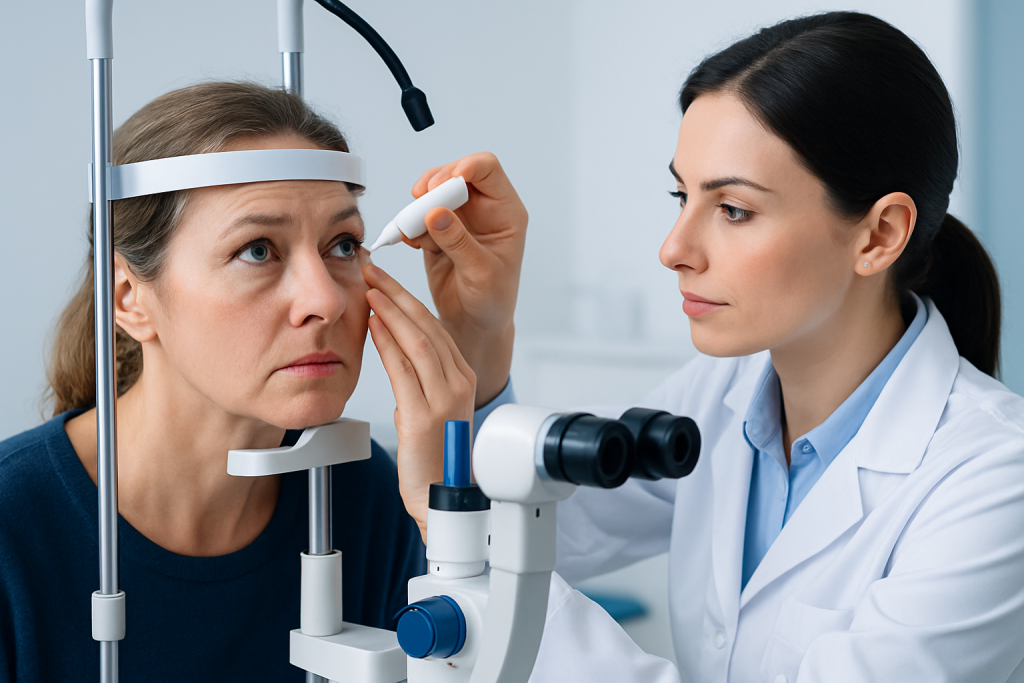
Eye allergies often cause itching, tearing, redness, and puffiness. Both eyes are commonly affected, and symptoms may flare during pollen seasons, after exposure to dust, pet dander, cosmetics, or other triggers. Some people also notice burning, light sensitivity, or a feeling that something is in the eye.
When allergy affects the eyelids, the skin may become dry, flaky, tender, or swollen. This is more likely with allergic contact dermatitis, eyelid eczema, or irritation from skin care products, makeup, nail products transferred by touch, or medicated creams used too close to the eyes.
Symptoms that are less typical for simple allergy include thick yellow or green discharge, significant pain, reduced vision, fever, or marked symptoms in only one eye. These features raise concern for other problems that may need different care, such as infection or inflammation unrelated to allergy. Conditions such as conjunctivitis can have overlapping signs, so a diagnosis matters.
When ointment may be used and what types are considered

Doctors may consider ointment when the main problem is the eyelid skin rather than the inner eye surface. Depending on the diagnosis, options may include a bland protective ointment to support the skin barrier, an antibiotic ointment if infection is suspected, or a very carefully selected anti-inflammatory treatment for short-term use under medical supervision. Because the eyelids are thin and sensitive, products used elsewhere on the body are not always safe near the eyes.
Lubricating eye ointments are another category. These do not treat allergy itself, but they can reduce dryness and friction, especially at night, and may help if allergy is accompanied by surface irritation. They can blur vision temporarily, so many people use them before sleep rather than during the day.
By contrast, many common allergy symptoms inside the eye respond better to anti-allergy drops, oral antihistamines in selected cases, cold compresses, and trigger avoidance. A clinician may also assess whether another eye condition is contributing and, when appropriate, recommend further evaluation or an eye examination.
Myths and misconceptions about allergic eye ointment
One common myth is that any ointment labeled for the eye area is safe to use for allergy. In reality, products marketed for irritation, infection, cosmetic recovery, or general skin rash may be unsuitable for allergic conditions or for use near the eye. Fragrances, preservatives, herbal additives, and certain active ingredients may themselves trigger contact allergy or irritation.
Another misconception is that steroid-containing ointments are a simple fix for itchy eyelids. While these medications can reduce inflammation, they should be used with caution and only under medical guidance, especially near the eyes. Incorrect or prolonged use may raise the risk of side effects, including skin thinning and eye complications in susceptible people.
It is also a myth that redness always means infection and itching always means allergy. Many eye disorders overlap. For example, dry eye disease, blepharitis, contact dermatitis, and eczema can all mimic allergy. That is why treatment should follow the most likely diagnosis rather than the symptom alone.
Finally, using more product is not necessarily better. Heavy or frequent application may irritate the area, blur vision, or spread contaminants if hands or applicators are not clean. Gentle, targeted use matters more than quantity.
How doctors find the cause
Diagnosis begins with the history. A doctor will ask when symptoms started, whether both eyes are affected, what triggers seem likely, whether contact lenses are worn, and whether new cosmetics, eye drops, creams, or workplace exposures are involved. A history of eczema, hay fever, asthma, or seasonal symptoms can support an allergic cause.
The eye and eyelids are then examined for redness pattern, swelling, discharge, skin changes, and signs of infection or inflammation. Vision may be checked, and the eyelid margins and tear film may be assessed if blepharitis or dry eye are possible. When symptoms are recurrent or severe, an ophthalmologist may look more closely at the eye surface.
If contact allergy is suspected, identifying and stopping the trigger is especially important. Sometimes the cause is not obvious and may relate to skin care products, hair products, nail polish, metals, or topical medicines. In selected cases, referral for patch testing or specialist assessment may help clarify the diagnosis. Patients with associated skin symptoms may also benefit from review for eczema or related conditions.
Treatment options based on the underlying problem
Treatment is most effective when matched to the cause. For allergic conjunctivitis, first-line care often includes avoiding known triggers, rinsing allergens from the eyes, using cold compresses, and applying lubricating or anti-allergy eye drops as advised by a clinician. If symptoms are frequent or severe, further medical treatment may be needed.
If the eyelid skin is inflamed, a doctor may recommend a bland emollient or protective ointment to restore the skin barrier and reduce irritation. For short periods, carefully chosen prescription anti-inflammatory treatments may be considered, but the eye area is delicate and should not be treated with over-the-counter skin products without professional advice.
If there are signs of secondary infection, crusting at the lash line, or another eyelid condition, treatment may shift away from allergy-focused products. In some cases, supportive care for dryness or inflammation may be paired with evaluation by specialists in ophthalmology. Contact lens wearers may be advised to stop lens use temporarily until the eye has recovered.
People with repeated flare-ups often improve most by removing the trigger. That may mean changing eye makeup, facial cleansers, nail products, artificial lashes, or medicated creams applied near the eyes. Treatment works best when symptom control and trigger avoidance are addressed together.
Self-care and prevention
Simple measures can reduce symptoms and help prevent recurrence. Washing hands before touching the eyes, avoiding rubbing, and using a clean cool compress can calm itching and swelling. During allergy seasons, keeping windows closed when pollen counts are high and showering after outdoor exposure may reduce allergen contact.
For eyelid symptoms, it helps to use only products intended for sensitive skin and to avoid introducing multiple new cosmetics or creams at the same time. If a new product seems linked to irritation, it is sensible to stop it and seek advice before trying to cover the area with more treatments. Contact lens users should follow cleaning instructions carefully and avoid wearing lenses when the eyes are inflamed.
People with recurrent symptoms may benefit from an eye and skin care review. A clinician can help identify habits, exposures, or underlying conditions that make the eye area more reactive. Near the end of the care pathway, some patients seek coordinated evaluation through centers where ophthalmology, allergy, and dermatology work together. Acibadem International’s multidisciplinary specialists and JCI-accredited hospitals diagnose and treat eye and eyelid conditions for international patients when further assessment is needed.
When to seek medical care
Medical care is appropriate if symptoms are new, persistent, worsening, or hard to identify. A doctor should assess symptoms that do not improve with basic measures, especially if eyelid swelling is significant or a specific cream or cosmetic seems to have triggered the problem.
Prompt evaluation is important if there is eye pain, reduced vision, sensitivity to light, thick discharge, severe redness, injury, chemical exposure, or symptoms mainly in one eye. These features are less typical of simple allergy and may point to infection, corneal irritation, or another condition that needs different treatment.
Children, contact lens wearers, and people with eczema or frequent eye problems may benefit from earlier medical review. If specialist care is needed, evaluation may include allergy testing or a focused eye assessment to guide safe treatment.
Frequently asked questions
What is allergic eye ointment used for?
Allergic eye ointment is most often used when allergy affects the eyelids or the skin around the eyes rather than only the inside surface of the eye. It may help protect irritated skin or deliver a doctor-prescribed treatment, depending on the diagnosis.
Is ointment better than eye drops for eye allergies?
Not usually. For classic allergic conjunctivitis with itching, redness, and watering, eye drops are often more effective because they reach the eye surface directly. Ointment may be more helpful when the eyelids are dry, inflamed, or affected by dermatitis.
Can over-the-counter skin ointments be used near the eyes?
It is best not to use them unless a clinician says they are appropriate for the eye area. The eyelid skin is very thin, and some ingredients can irritate the skin, trigger allergy, or cause problems if they enter the eye.
How can someone tell if it is allergy or an eye infection?
Allergy commonly causes itching, watery eyes, and symptoms in both eyes, often after exposure to pollen, dust, or cosmetics. Infection is more likely if there is thick discharge, significant pain, fever, or mainly one-sided symptoms, although only an examination can confirm the cause.
Are steroid ointments safe around the eyes?
They can be useful in selected cases, but they should be used cautiously and under medical supervision. The eye area is sensitive, and inappropriate use may lead to side effects or mask another condition.
When should a person see a doctor for itchy or swollen eyes?
A doctor should be consulted if symptoms are severe, last more than a short time, keep returning, or do not improve with basic self-care. Urgent evaluation is needed for pain, vision changes, light sensitivity, injury, chemical exposure, or thick discharge.
This article is for general information only and is not a substitute for professional medical advice. Please consult a qualified doctor about your individual situation.
Explore treatments in Turkey — costs, top hospitals & a free quote
JCI-accredited · board-certified surgeons · reply within 24h
Add us as a Preferred Source to see more of our trusted health content across Google Search, AI Overviews and Discover.

More from the Health Library

A.c.i.d — Explained by Medical Evidence, Not Myths

Ambulatory Blood Pressure Monitoring: What Patients Need to Know

Methylphenidate: An Evidence-Based Guide for Patients

Gluten Free Options: An Evidence-Based Guide for Patients

Millet — Explained by Medical Evidence, Not Myths