Allergy Eye Drops: An Evidence-Based Guide for Patients

Allergy eye drops work in different ways, including blocking histamine, stabilizing mast cells, shrinking redness, or lubricating the eye surface. Many people with eye allergies do best with antihistamine or dual-action antihistamine/mast cell stabilizer drops rather than redness-relief drops.
Key Takeaways
- Allergy eye drops work in different ways, including blocking histamine, stabilizing mast cells, shrinking redness, or lubricating the eye surface.
- Many people with eye allergies do best with antihistamine or dual-action antihistamine/mast cell stabilizer drops rather than redness-relief drops.
- Redness-relief drops may help briefly but are not ideal for regular use because symptoms can rebound.
- Contact lenses, dry eye, infection, and irritants can mimic or worsen eye allergy symptoms.
- Severe pain, light sensitivity, vision changes, or thick discharge need prompt medical assessment.
Allergy eye drops are medicines used to ease itchy, red, watery eyes caused by allergies. The best option depends on whether symptoms are occasional or frequent, whether dry eye is also present, and whether a doctor needs to rule out infection or another eye condition.
Overview: what allergy eye drops do
Allergy eye drops are used to reduce itching, redness, tearing, and irritation caused by allergic reactions on the surface of the eye. In many cases, they help by blocking histamine, a chemical the body releases during an allergic response. Some products also prevent allergy cells from releasing inflammatory substances in the first place, while others simply soothe and rinse the eye surface.
Eye allergy symptoms are often part of seasonal allergies or year-round environmental allergies. Common triggers include pollen, dust mites, pet dander, mold, smoke, and fragrances. When these triggers contact the conjunctiva, the clear membrane covering the white of the eye and inner eyelids, they can cause a condition called allergic conjunctivitis.
Not every red or watery eye is due to allergy. Dry eye, viral or bacterial conjunctivitis, contact lens irritation, blepharitis, and other eye surface conditions can feel similar. For that reason, choosing allergy eye drops is not only about symptom relief but also about making sure the cause is correctly identified.
Common symptoms eye drops may help relieve
The hallmark symptom of eye allergy is itching. Many patients also notice redness, watering, burning, puffy eyelids, or a feeling that something is in the eye. Symptoms often affect both eyes and may appear alongside sneezing, a runny nose, or nasal congestion.
Allergy-related eye symptoms can be mild and occasional or frequent and disruptive. Some people have symptoms only during high-pollen seasons, while others react year-round to indoor allergens. If the eye surface also becomes dry or irritated, symptoms may feel worse even when the allergy itself is mild.
Features that make allergy more likely include:
- Itching that is more prominent than pain
- Symptoms in both eyes
- Clear, watery discharge rather than thick pus
- Association with outdoor exposure, pets, dust, or seasons
- A history of eczema, asthma, or hay fever
In contrast, marked pain, blurred vision, light sensitivity, or thick yellow-green discharge are less typical of simple allergy and should prompt medical evaluation.
Types of allergy eye drops and how they differ
There is no single best allergy eye drop for everyone. The most suitable product depends on symptom pattern, age, contact lens use, and whether symptoms are mainly allergic, dry-eye related, or mixed. Broadly, allergy eye drops fall into several categories.
Antihistamine and dual-action drops are commonly used because they directly target itching and often work quickly. Many also act as mast cell stabilizers, meaning they help prevent future allergic reactions on the eye surface. These are often the mainstay for recurrent allergic conjunctivitis.
Mast cell stabilizer drops are more preventive than immediately soothing. They may be helpful for predictable, repeated allergy seasons when started before symptoms become intense. Lubricating or artificial tear drops do not treat the allergy mechanism itself, but they can dilute allergens, reduce friction on the eye surface, and improve comfort, especially when dry eye coexists.
Redness-relief drops narrow blood vessels to make the eyes look less red for a short time, but they do not address the underlying allergic process. Frequent use may lead to rebound redness, so they are generally not preferred for ongoing management. In more severe cases, an eye specialist may prescribe other options, sometimes alongside evaluation for related conditions such as dry eye.
How to choose allergy eye drops safely
Reading the label matters. A product marketed for “red eyes” may not be the best choice for allergies if it mainly contains a decongestant. Patients with prominent itching often do better with antihistamine-based allergy eye drops, while those with both allergy and surface irritation may benefit from combining allergy treatment with preservative-free lubricating drops.
Contact lens wearers should be especially careful. Many eye drops should not be placed directly onto contact lenses, and lenses may need to be removed before use and reinserted later according to product instructions. If symptoms repeatedly worsen while wearing lenses, an eye doctor may look for lens intolerance, deposits, or inflammation on the eye surface.
Preservatives are another consideration. Some people tolerate them well, but frequent use of preserved drops can irritate sensitive eyes. Preservative-free artificial tears may be preferred for repeated daily use, especially in patients who already have ocular surface sensitivity.
Children, pregnant patients, and people with glaucoma or other eye disease should check with a clinician before using medicated eye drops. Even nonprescription products can have age restrictions or precautions. If there is uncertainty about the cause of symptoms, a doctor may recommend a proper eye examination and, when appropriate, a detailed eye examination.
How to use allergy eye drops effectively
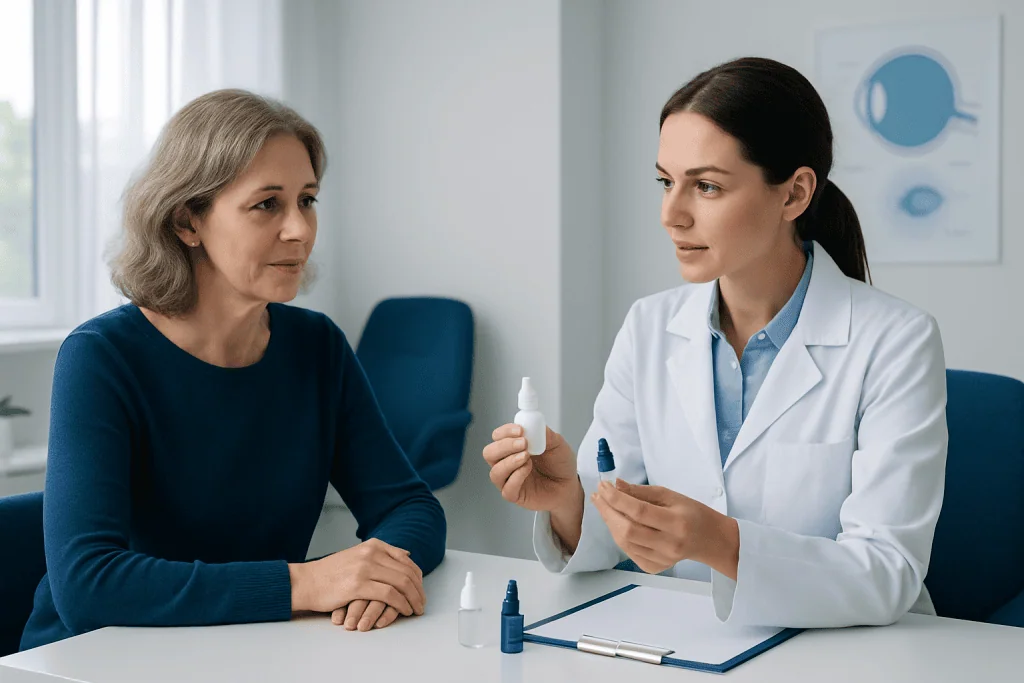
Using drops correctly can make a meaningful difference. Hands should be washed before application, and the bottle tip should not touch the eye, eyelid, fingers, or any surface. After placing the drop, closing the eye gently for a short time may help the medicine stay on the eye surface longer.
If more than one type of eye drop is being used, spacing them apart can prevent one product from washing out the other. Ointments, when prescribed, are usually applied after drops. It is also important not to share eye drops, since this can spread infection.
For people with seasonal flare-ups, starting preventive treatment before peak pollen exposure may help. Daily use as directed can be more effective than using drops only after symptoms become severe. Alongside drops, practical steps such as keeping windows closed during high-pollen days, showering after outdoor exposure, and avoiding rubbing the eyes can reduce irritation.
Cold compresses may also ease swelling and itching. If symptoms involve both the eyes and nose, some patients benefit from a broader allergy plan that may include allergy testing or other medical advice tailored to their triggers.
When to seek medical care
Most mild eye allergy symptoms improve with trigger avoidance, lubrication, and appropriate allergy eye drops. However, medical care is important if symptoms are severe, persistent, or unclear. An eye doctor can confirm whether allergy is the true cause and check for infection, corneal problems, or inflammation that needs different treatment.
Patients should seek prompt assessment if they have significant eye pain, sensitivity to light, reduced vision, one-sided severe redness, or thick discharge. These features are not typical of simple allergy and may signal another eye problem. Immediate care is also sensible after eye injury or chemical exposure.
People who use contact lenses should be evaluated sooner if redness or discomfort continues after removing the lenses. In some cases, the issue may be contact lens-related irritation, inflammation, or infection rather than allergy alone. If symptoms recur often or become difficult to control, a clinician may explore underlying allergy treatment strategies beyond eye drops.
Medical diagnosis, treatment, and longer-term management
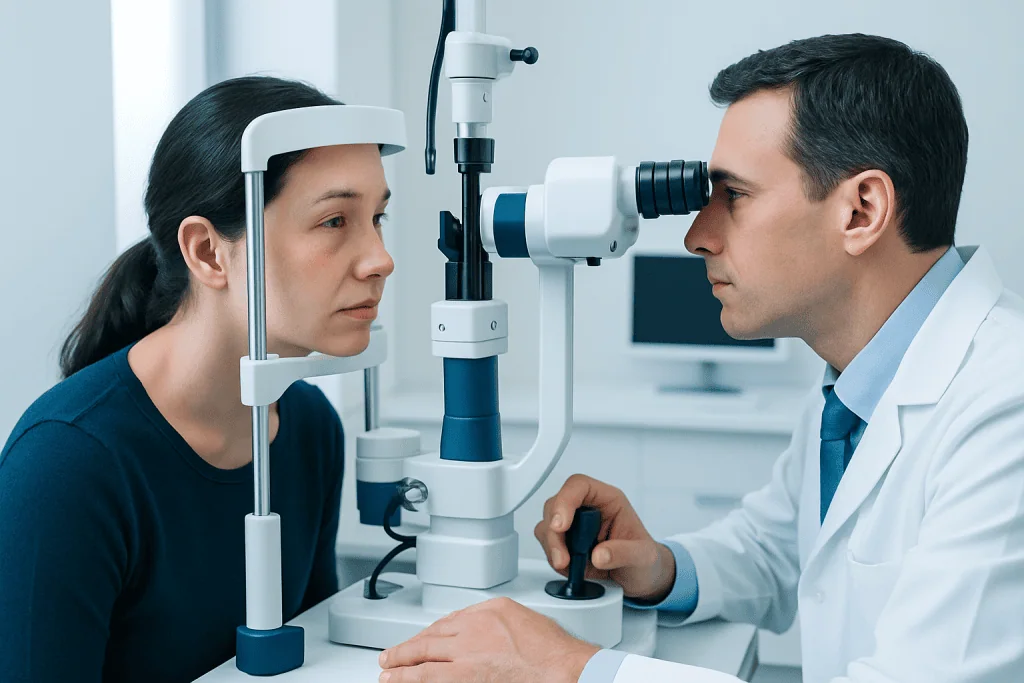
Diagnosis usually begins with a history of symptoms, timing, exposures, and any personal history of allergies, asthma, or eczema. An eye examination can assess the conjunctiva, eyelids, tears, and cornea, and it helps distinguish allergy from infection or dry eye. Sometimes the diagnosis is straightforward, but mixed conditions are common.
Treatment plans are individualized. They may include antihistamine or dual-action allergy eye drops, lubricating drops, environmental control measures, and treatment of related conditions such as nasal allergy. Severe or persistent cases may need prescription therapies under medical supervision, especially if inflammation affects comfort or the eye surface.
Longer-term management often focuses on trigger reduction and consistent preventive care during allergy seasons. This may include keeping indoor air clean, washing bedding regularly, avoiding smoke exposure, and discussing allergy evaluation when symptoms are recurrent. Rubbing the eyes should be avoided because it can worsen inflammation and irritation.
For patients who need specialist care, Acibadem International’s multidisciplinary specialists and JCI-accredited hospitals diagnose and treat eye and allergy-related conditions for international patients. When symptoms overlap with other eye disorders, coordinated care may include assessment in departments that manage ophthalmology care.
Frequently asked questions
What are allergy eye drops used for?
Allergy eye drops are used to relieve symptoms such as itchy, red, watery, or irritated eyes caused by allergic reactions. Depending on the type, they may block histamine, reduce inflammation on the eye surface, or simply wash away allergens and lubricate the eyes.
What type of allergy eye drops usually works best for itching?
For many patients, antihistamine or dual-action antihistamine/mast cell stabilizer drops are the most helpful for itching. They target the allergic response more directly than redness-relief drops, which may improve appearance briefly but do not treat the underlying cause.
Can allergy eye drops be used every day?
Some allergy eye drops are designed for regular use, while others are better suited to short-term symptom relief. The label instructions and a doctor’s advice are important, especially for children, contact lens wearers, and anyone with existing eye disease.
Are redness-relief drops the same as allergy eye drops?
No. Redness-relief drops mainly shrink blood vessels to reduce visible redness, but they do not treat the allergic process itself. With repeated use, they can sometimes lead to rebound redness, so they are usually not the first choice for ongoing eye allergies.
Can dry eye and eye allergies happen together?
Yes. Dry eye and eye allergy often overlap, and each can make the other feel worse. In these cases, allergy treatment may be combined with lubricating drops and measures to support the eye surface.
When should someone see a doctor instead of self-treating?
A doctor should assess symptoms if there is pain, blurred vision, light sensitivity, one-sided severe redness, thick discharge, or symptoms that do not improve. Medical review is also important for contact lens wearers and for anyone who is unsure whether the problem is allergy, infection, or another eye condition.
This article is for general information only and is not a substitute for professional medical advice. Please consult a qualified doctor about your individual situation.
Explore treatments in Turkey — costs, top hospitals & a free quote
JCI-accredited · board-certified surgeons · reply within 24h
Add us as a Preferred Source to see more of our trusted health content across Google Search, AI Overviews and Discover.

More from the Health Library

Nitroglycerin: An Evidence-Based Guide for Patients

Dent in Head: What Patients Need to Know

Cyst Inside Eyeball: A Complete Medical Overview

Melaleuca Oil for Pimples: What Patients Need to Know

Bagels and Cream Cheese: An Evidence-Based Guide for Patients