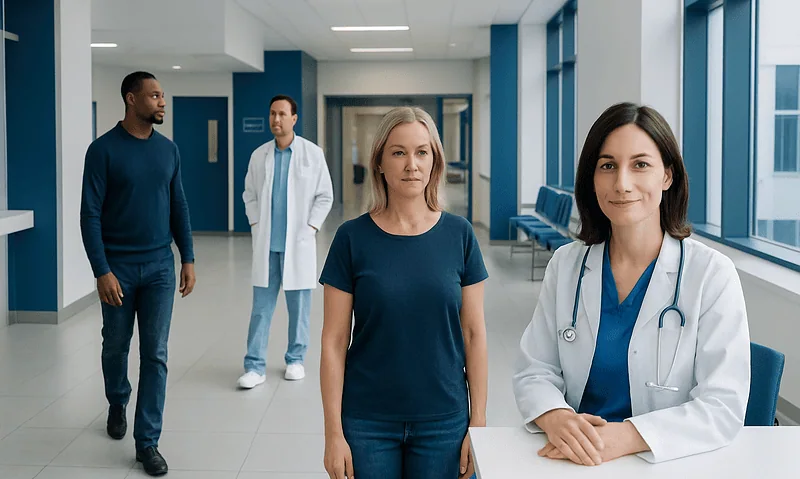
American Cancer Society, NCI, and Hospital Advice: How to Judge Cancer Information Online

Trusted cancer information usually comes from established medical organizations, academic centers, or government health agencies. Good sources clearly show authorship, medical review, publication dates, and references to evidence-based guidance.
Key Takeaways
- Trusted cancer information usually comes from established medical organizations, academic centers, or government health agencies.
- Good sources clearly show authorship, medical review, publication dates, and references to evidence-based guidance.
- Websites that promise cures, use emotional language, or sell products aggressively should be approached with caution.
- Online information should support, not replace, advice from an oncologist or other qualified clinician.
- Comparing information across respected sources can help patients spot misinformation and missing context.
Cancer information online can be helpful, but not every website is accurate, current, or trustworthy. Patients and families can make safer decisions by checking who created the content, how recent it is, whether it is evidence-based, and whether it matches advice from recognized cancer organizations and qualified doctors.
Overview: Why judging cancer information online matters
Searching online is often one of the first things people do after hearing the word cancer. It is understandable to want quick answers about symptoms, diagnosis, treatment options, side effects, survival, and daily life. The internet can be a valuable source of education and support, but it also contains outdated information, oversimplified claims, and advice that is not based on reliable science.
Cancer care is complex. The right next step for one person may not be right for another, because treatment depends on the cancer type, stage, genetic features, overall health, and personal goals. For that reason, the safest online content explains general principles clearly while encouraging patients to confirm details with their own care team.
Respected organizations such as the American Cancer Society, the National Cancer Institute, and major hospitals usually provide patient-friendly information that is reviewed by experts and updated over time. Learning how to judge these sources can help patients feel more confident, ask better questions, and avoid being misled by fear-based or promotional content.
What trustworthy cancer websites usually have in common
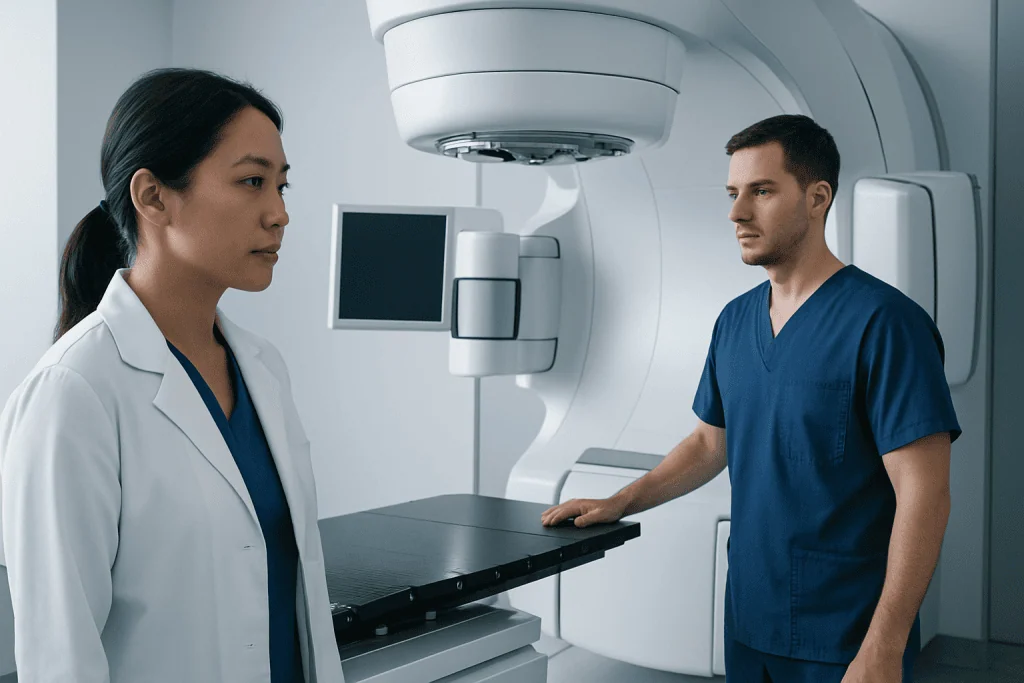
Reliable health websites tend to be transparent. They usually state who wrote the content, who medically reviewed it, and when it was last updated. This matters because cancer diagnosis and treatment continue to evolve, including the use of targeted therapy, immunotherapy, radiation techniques, surgery, and supportive care.
Trusted sources also explain information in a balanced way. Instead of making absolute promises, they describe benefits, risks, limitations, and areas where doctors individualize care. They often cite national guidelines, expert consensus, or recognized scientific evidence, even when the article is written in simple language for patients.
Common signs of a trustworthy cancer resource include:
- Clear author and reviewer credentials
- A recent publication or update date
- References to established medical evidence or guidelines
- Neutral language rather than dramatic claims
- Information about both treatment options and possible side effects
- Advice to speak with a qualified doctor for personal decisions
Well-known cancer centers and public health agencies may also provide diagrams, glossaries, treatment summaries, and question lists to bring to appointments. These tools can be especially helpful when learning about topics such as breast cancer or lung cancer, where treatment planning often involves several specialists.
Warning signs that information may be misleading
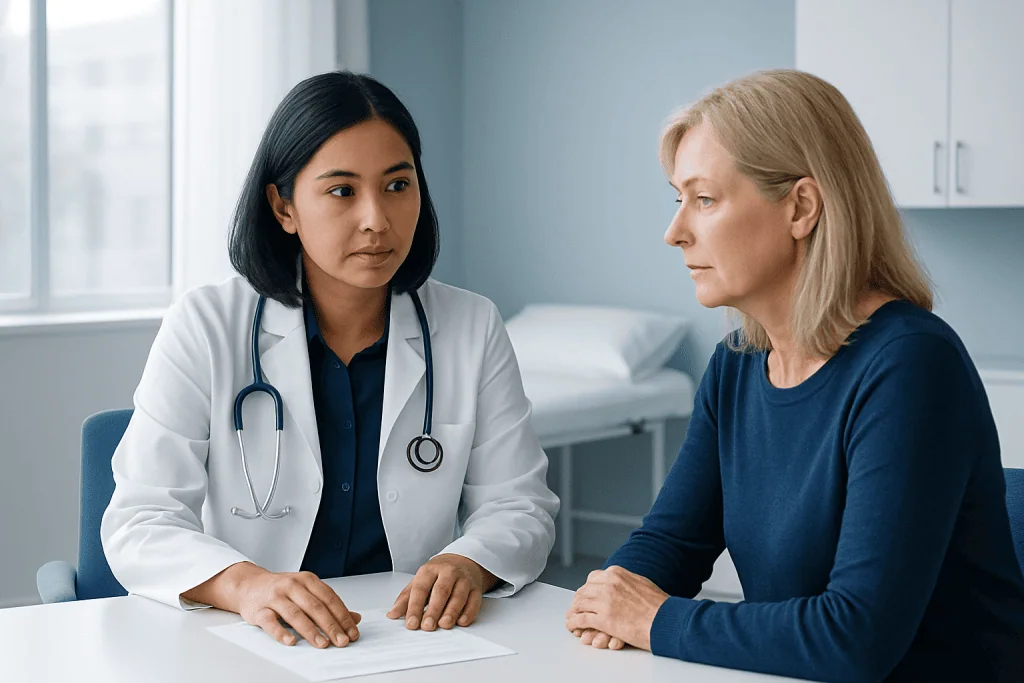
Some websites are designed more to persuade than to inform. A common warning sign is a promise of a cure, especially if the content suggests that doctors or hospitals are hiding a simple answer. Cancer treatment is rarely that simple, and trustworthy sources do not guarantee outcomes.
Another concern is commercial pressure. If a page pushes supplements, devices, detox plans, or expensive testing without explaining the evidence and limitations, the information may be biased. This does not mean every product is unsafe, but it does mean the claims should be checked carefully against recognized medical sources.
Patients and families should be cautious if a website:
- Uses phrases such as “miracle cure,” “secret treatment,” or “what doctors will not tell you”
- Relies mostly on personal stories instead of evidence
- Has no named author, reviewer, or medical institution behind it
- Provides no publication date or has obviously outdated content
- Discourages standard treatment without a balanced explanation
- Creates urgency to buy a product or book an immediate service
Emotional testimonials can feel powerful, especially during a stressful time, but one person’s experience does not replace scientific evidence. Stories may offer comfort and practical tips, yet they should not be used alone to decide whether to delay chemotherapy, surgery, radiation therapy, or another recommended treatment.
How to use advice from the American Cancer Society, NCI, and hospitals
The American Cancer Society and the National Cancer Institute are widely used because they present evidence-based information in language that many patients can understand. Their materials often explain cancer basics, screening, diagnosis, treatment categories, side effects, and coping. They also tend to update pages as standards of care change.
Large hospitals and academic cancer centers can also be helpful, particularly for disease-specific topics, treatment planning, and supportive care. Hospital websites may explain how doctors evaluate a diagnosis, what tests are commonly used, what multidisciplinary care means, and when advanced treatments may be considered.
It is wise to compare what several trusted sources say. If the American Cancer Society, the National Cancer Institute, and a respected hospital all describe a treatment in similar terms, that consistency can increase confidence that the information is reliable. If one website makes a claim that seems very different from established sources, it deserves extra scrutiny.
Patients researching confirmed or suspected cancer may also read about tests such as PET-CT scanning or common approaches like chemotherapy. These pages can be useful for understanding the general purpose of a treatment or test, but the final decision should always reflect the individual’s pathology, imaging, and specialist recommendations.
Questions to ask when reading cancer information
A practical way to judge online information is to pause and ask a few simple questions. Who created this content, and what are their qualifications? Is the page educational, or is it mainly trying to sell something? Does it explain both benefits and drawbacks, or only positive claims?
It also helps to look for context. Cancer information can be technically true but incomplete. For example, a treatment may be effective only for a specific cancer subtype, stage, or genetic mutation. If a page leaves out those details, readers may misunderstand whether the information applies to their situation.
Useful questions include:
- Is this information written or reviewed by oncology professionals?
- When was it last updated?
- Does it mention the type and stage of cancer when discussing treatment?
- Are side effects, limits, and uncertainties discussed?
- Can the same advice be confirmed on other trusted websites?
- Would this information still seem convincing if no product were being sold?
These questions can help patients move from passive reading to active evaluation. They may also make conversations with doctors more productive, because patients can bring in specific claims they found online and ask how those claims fit with standard care.
How online information fits into diagnosis and treatment decisions
Online research works best as a starting point, not a final diagnosis or treatment plan. Cancer symptoms can overlap with many non-cancer conditions, and imaging or laboratory findings still need professional interpretation. Even when an article is accurate, it cannot account for an individual’s full medical history, medications, allergies, or treatment goals.
For someone who is being evaluated for cancer, trusted websites can help explain terms such as biopsy, staging, pathology, or tumor markers. This may reduce confusion before appointments and help patients understand why doctors recommend certain tests. In established diagnoses, online reading can support informed consent by clarifying what a treatment is designed to do and what side effects may happen.
Still, decisions about surgery, systemic therapy, or supportive care should be made with qualified clinicians. Multidisciplinary teams may include medical oncologists, surgical oncologists, radiation oncologists, radiologists, pathologists, and nurses. In many cases, a balanced online resource will emphasize that care should be individualized and that second opinions can be appropriate.
Near the end of the decision-making process, some patients also look for centers that coordinate diagnosis and treatment across specialties. Acibadem International’s multidisciplinary specialists and JCI-accredited hospitals diagnose and treat cancer for international patients, and patients may find it useful to compare any center’s information with guidance from established public and professional sources.
Practical self-protection against cancer misinformation
One of the simplest ways to protect against misinformation is to start with a short list of trusted sources and return to them regularly. This reduces the chance of being overwhelmed by search results, social media posts, or videos that mix fact with opinion. Saving a few reliable websites can make future searches faster and less stressful.
It is also helpful to separate educational content from discussion forums and social media groups. Peer communities can provide emotional support and practical coping ideas, but they are not always medically accurate. What helped one person may not be safe, effective, or relevant for another person with a different cancer type or treatment plan.
Patients can protect themselves by following a few habits:
- Check whether a claim appears on more than one respected site
- Be cautious with dramatic headlines shared on social media
- Avoid changing treatment or supplements without asking the care team
- Write down questions and bring them to appointments
- Ask for recommended websites from an oncologist, nurse, or hospital educator
For many people, the most reassuring approach is to use the internet to prepare for a medical visit rather than to replace one. Clear, evidence-based information can reduce uncertainty, but it is most helpful when paired with personal guidance from professionals who know the case in detail.
When to seek medical advice instead of relying on the internet
Online information should never delay medical evaluation for serious symptoms. Anyone with a new lump, unexplained bleeding, persistent pain, major changes in bowel or bladder habits, unexplained weight loss, difficulty swallowing, a lasting cough, or any symptom that worries them should contact a doctor. These symptoms do not always mean cancer, but they do deserve proper assessment.
People who already have a cancer diagnosis should also reach out to their care team if they develop new or worsening symptoms, trouble eating or drinking, fever, severe fatigue, breathing problems, uncontrolled pain, or side effects that interfere with daily life. Reading online about possible causes is not a substitute for professional advice.
If information found online suggests stopping prescribed treatment, adding an alternative therapy, or replacing standard care with an unproven method, it is especially important to discuss that claim with a qualified doctor first. A good medical team can explain whether the idea has evidence behind it, whether it may interact with current treatment, and whether safer options exist.
Patients who feel confused by conflicting sources can also ask for help interpreting the information. A trusted clinician can often put online claims into context and point patients toward dependable resources for their specific diagnosis.
Frequently asked questions
How can someone tell if cancer information online is reliable?
Reliable cancer information usually comes from recognized health organizations, government agencies, academic centers, or established hospitals. It should clearly show who wrote or reviewed it, when it was updated, and whether it is based on accepted medical evidence.
Are the American Cancer Society and National Cancer Institute good sources?
Yes. Both are widely respected sources of patient education and are commonly used for evidence-based, up-to-date cancer information. They are especially useful for understanding general topics such as symptoms, screening, diagnosis, treatment categories, and side effects.
Why do different cancer websites sometimes say different things?
Differences may happen because articles are updated at different times, focus on different patient groups, or simplify complex topics in different ways. If information conflicts, it is sensible to compare several trusted sources and ask a doctor which guidance fits the individual situation.
Should patients trust personal stories and testimonials online?
Personal stories can offer comfort and practical support, but they are not the same as scientific evidence. A treatment experience that helped one person may not be effective or safe for another, especially in cancer care where disease type and stage matter greatly.
Can online information replace advice from an oncologist?
No. Online information can help patients prepare questions and understand medical terms, but it cannot evaluate a person's scans, pathology, symptoms, and overall health. Treatment decisions should be made with qualified clinicians who know the full medical picture.
What are common warning signs of cancer misinformation?
Warning signs include claims of a guaranteed cure, dramatic emotional language, secret treatments, and pressure to buy a product. A lack of named medical reviewers, no update date, and advice to avoid standard treatment without balance are also reasons for caution.
References
- American Cancer Society
- National Cancer Institute
- Centers for Disease Control and Prevention
- World Health Organization
- MedlinePlus
This article is for general information only and is not a substitute for professional medical advice. Please consult a qualified doctor about your individual situation.
Oncology care in Turkey — second opinion and treatment plan
JCI-accredited · board-certified surgeons · reply within 24h
Add us as a Preferred Source to see more of our trusted health content across Google Search, AI Overviews and Discover.