Aortic Aneurysm Repair: Open Surgery vs Endovascular Treatment

Aortic aneurysm repair may be recommended when an aneurysm is large, growing, or causing symptoms. Open surgery replaces the damaged aortic segment through a larger incision, while endovascular treatment places a stent graft through blood vessels.
Key Takeaways
- Aortic aneurysm repair may be recommended when an aneurysm is large, growing, or causing symptoms.
- Open surgery replaces the damaged aortic segment through a larger incision, while endovascular treatment places a stent graft through blood vessels.
- Endovascular repair often allows a shorter hospital stay and recovery, but not every aneurysm is suitable for it.
- Open repair can be more durable in some situations, especially when anatomy is complex.
- Careful imaging and long-term follow-up are important after either type of repair.
Aortic aneurysm repair is used to treat a weakened, enlarged section of the aorta before it ruptures or causes other serious complications. The main options are open surgery and endovascular treatment, and the best choice depends on the aneurysm’s size, location, shape, and the person’s overall health.
Overview of Aortic Aneurysm Repair
An aortic aneurysm is an abnormal widening or bulging in the wall of the aorta, the body’s main artery. It can develop in the chest (thoracic aortic aneurysm), the abdomen (abdominal aortic aneurysm), or across both areas. Because the aortic wall is weakened, there is a risk that the aneurysm may enlarge, tear, or rupture over time.
Aortic aneurysm repair is a treatment used to prevent these complications. In general, repair is considered when the aneurysm reaches a certain size, grows quickly, or causes symptoms such as pain. The two main treatment approaches are traditional open surgery and minimally invasive endovascular repair. Many patients first learn about the condition through imaging or an evaluation for aortic valve-related problems or cardiovascular risk factors.
The choice between open and endovascular treatment is individualized. Doctors consider where the aneurysm is located, whether the surrounding blood vessels can support a stent graft, whether there are signs of leakage or dissection, and the person’s age, kidney function, lung health, and other medical conditions. In many cases, a multidisciplinary team helps guide this decision.
When Repair May Be Needed
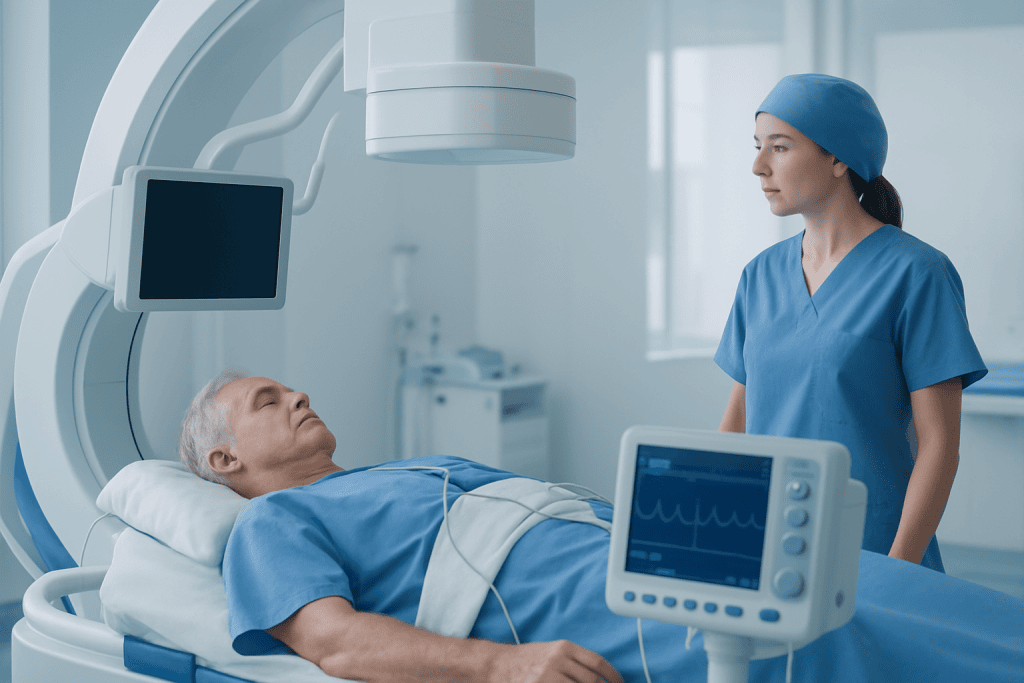
Not every aortic aneurysm needs immediate repair. Small aneurysms that are not causing symptoms may be monitored with regular imaging. This careful observation is often called surveillance. The goal is to intervene at the right time—early enough to reduce the risk of rupture, but not so early that treatment risks outweigh the benefits.
Repair may be recommended if the aneurysm becomes large, enlarges faster than expected, causes pain, or shows signs that the aortic wall is becoming unstable. Emergency repair may be needed if the aneurysm ruptures or if there is an acute tear in the aortic wall. These situations require urgent specialist care.
Doctors also consider personal risk factors. Long-standing high blood pressure, smoking, a family history of aneurysm, older age, and atherosclerosis can all influence how an aneurysm behaves. Some people have connective tissue disorders or other vascular conditions that make early intervention more likely.
Open Surgery: How It Works
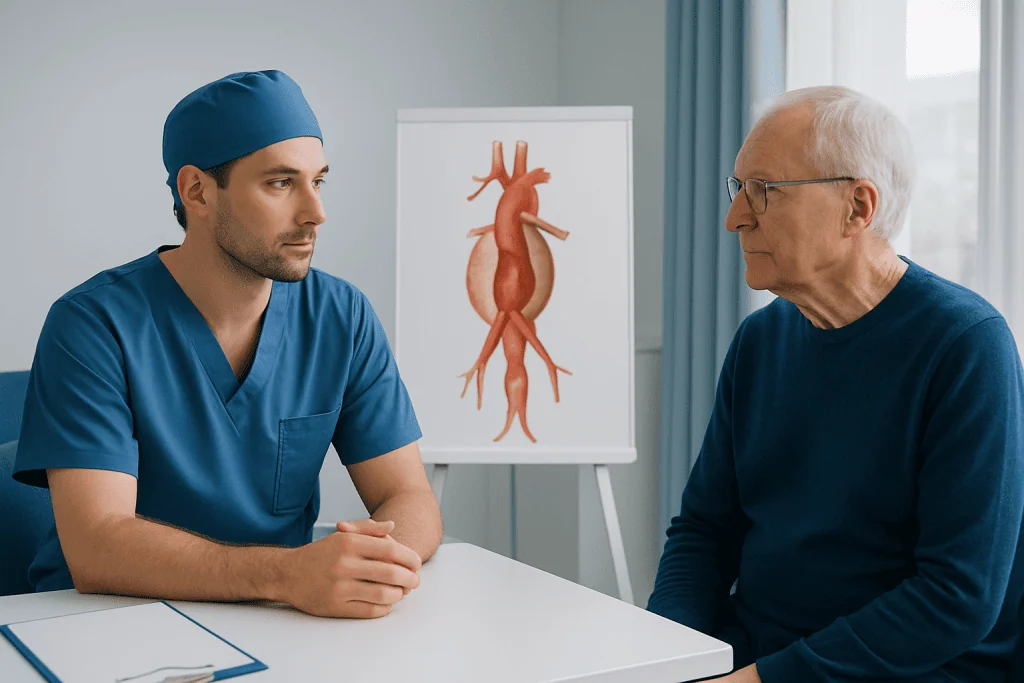
Open aortic aneurysm repair is the traditional surgical method. The surgeon makes an incision to directly reach the aorta, temporarily controls blood flow, removes or opens the weakened portion, and replaces it with a synthetic graft. The graft is sewn into place to create a strong channel for blood flow.
This approach is used for both abdominal and thoracic aneurysms, although the exact operation differs by location. Thoracic procedures may be more complex because they can involve the heart, major branches of the aorta, or circulation to the brain and spinal cord. Patients who need this type of operation are often managed by teams experienced in cardiothoracic surgery.
Open repair has advantages. It can be very effective for aneurysms with anatomy that is not suitable for stent grafting, and it may offer durable long-term results with less need for repeated imaging-based reinterventions. However, it is a major operation, usually with a longer hospital stay, more postoperative discomfort, and a longer recovery than endovascular techniques.
Because open surgery places more stress on the body, doctors assess heart, lung, and kidney function before recommending it. This helps determine whether the patient is likely to tolerate general anesthesia, blood loss, and a longer healing period.
Endovascular Treatment: How It Differs
Endovascular aneurysm repair is a less invasive alternative for selected patients. Instead of opening the chest or abdomen widely, the doctor guides a stent graft through the blood vessels, usually from small incisions in the groin. The graft is positioned inside the aneurysm to create a new path for blood flow and reduce pressure on the weakened aortic wall.
This approach includes EVAR for abdominal aortic aneurysms and TEVAR for thoracic aortic aneurysms. It is performed using imaging guidance and is part of modern endovascular surgery. For many patients, the benefits include smaller incisions, less blood loss, a shorter hospital stay, and a faster return to daily activities.
Endovascular repair is not suitable for every aneurysm. The shape, length, and diameter of the normal aorta above and below the aneurysm must allow the stent graft to seal securely. If the aneurysm is too close to major branches or the blood vessels are too twisted or narrow, open surgery may be safer or more effective.
Another important difference is follow-up. After endovascular repair, lifelong imaging is usually needed to check that the graft remains in the right position and that blood is not leaking around it. Some patients may need additional procedures later to maintain the repair.
Open Surgery vs Endovascular Repair
Both procedures aim to prevent rupture and preserve blood flow, but they do so in different ways. Open surgery physically replaces the diseased section of aorta, while endovascular repair reinforces it from the inside. Neither method is automatically better for every patient; the most appropriate treatment depends on anatomy and overall health.
In general, endovascular repair may be attractive for older adults or people with other medical conditions because recovery is often easier in the short term. Open surgery may be favored in younger patients, in those with longer life expectancy, or when the aneurysm’s structure makes a durable stent-graft seal unlikely.
Short-term considerations may include:
- Length of hospital stay
- Recovery time and return to activity
- Need for intensive care
- Blood loss and wound healing
Long-term considerations may include:
- Need for follow-up scans
- Risk of reintervention
- Durability of the repair
- Future risk related to other vascular disease, such as coronary artery disease
In some centers, treatment planning involves specialists in vascular and cardiac imaging, anesthesiology, surgery, and interventional cardiology when complex aortic anatomy or other heart conditions are present. Shared decision-making is important so that patients understand both the benefits and the trade-offs of each option.
Diagnosis and Preoperative Evaluation
Most aortic aneurysms are diagnosed with imaging. Ultrasound is commonly used for abdominal aneurysms, while CT angiography is especially important for planning repair because it shows the aneurysm’s exact size, shape, and relationship to nearby blood vessels. MRI may also be used in some cases, particularly when repeated imaging is needed.
Before repair, doctors evaluate the patient’s general health and surgical risk. This may include blood tests, heart tests, lung assessment, and review of kidney function. The care team also asks about symptoms, medications, smoking history, and previous operations.
Blood pressure control is essential before and after repair. Patients may also need evaluation for other vascular problems or heart disease. Depending on the situation, treatment planning may be connected with services such as blood pressure management or cardiac rehabilitation after recovery. Good preoperative preparation can improve safety and support smoother healing.
Recovery, Follow-Up, and Self-Care
Recovery differs between the two treatments. After endovascular repair, many patients are walking sooner and leaving the hospital earlier than they would after open surgery. Open repair usually requires a longer recovery period because the incision is larger and the operation is more extensive. Fatigue is common after either procedure and usually improves gradually.
At home, patients are usually advised to avoid heavy lifting for a period recommended by their surgeon, take medications as prescribed, and attend all follow-up visits. Walking and gentle activity are often encouraged as part of recovery, but strenuous exercise should be discussed with the care team. Some people benefit from structured cardiac rehabilitation if they also have heart or vascular risk factors.
Long-term self-care focuses on protecting the blood vessels and reducing the chance of future complications. This usually includes stopping smoking, keeping blood pressure well controlled, managing cholesterol, maintaining a healthy weight, and following a balanced diet. For those who have had endovascular repair, scheduled imaging is especially important because problems such as endoleaks may not cause obvious symptoms.
Acibadem International’s multidisciplinary specialists and JCI-accredited hospitals diagnose and treat aortic conditions, including minimally invasive endovascular repair and open surgical options, for international patients when appropriate.
When to See a Doctor
A person should seek medical advice if they have been told they have an aortic aneurysm, especially if follow-up imaging has not been arranged. Ongoing care is important even when there are no symptoms, because aneurysms can enlarge silently. Anyone with strong risk factors—such as smoking history, older age, or a family history—should ask a doctor whether screening is appropriate.
Immediate medical attention is needed for sudden severe chest, back, or abdominal pain; fainting; sudden shortness of breath; weakness; or signs of shock. These symptoms can have several causes, but they may signal an aortic emergency and should never be ignored.
After repair, patients should contact their doctor if they develop fever, increasing wound redness, leg pain, swelling, new chest or back pain, trouble breathing, or any other concerning symptoms. Early evaluation can help identify complications promptly and support a safer recovery.
Frequently asked questions
What is the difference between open and endovascular aortic aneurysm repair?
Open repair treats the aneurysm through a larger incision and replaces the weakened part of the aorta with a synthetic graft. Endovascular repair places a stent graft inside the aorta through blood vessels, usually using small groin incisions. Endovascular treatment is less invasive, but it is not suitable for every aneurysm.
Which option has a faster recovery?
In many cases, endovascular repair has a shorter hospital stay and a quicker early recovery than open surgery. Open surgery usually involves more healing time because it is a larger operation. Recovery still varies from person to person based on age, overall health, and the complexity of the repair.
Is endovascular repair safer than open surgery?
Endovascular repair may have lower short-term stress on the body for selected patients, especially those with other medical conditions. However, safety depends on the aneurysm’s anatomy and the patient’s health. A treatment that is technically possible is not always the best long-term option, so careful specialist evaluation is important.
Will an aortic aneurysm always need surgery?
No. Small aneurysms that are stable and not causing symptoms may be monitored with regular imaging instead of treated right away. Doctors recommend repair when the risk of rupture or other complications becomes greater than the risk of the procedure.
What follow-up is needed after aortic aneurysm repair?
All patients need follow-up visits, but imaging is especially important after endovascular repair. Scans help doctors confirm that the stent graft is still sealed and positioned correctly. Open repair also requires monitoring, although repeat interventions may be less common in some cases.
Can lifestyle changes help after repair?
Yes. Stopping smoking, controlling blood pressure, managing cholesterol, staying physically active as advised, and following a heart-healthy diet can support recovery and long-term vascular health. These steps do not replace medical care, but they are an important part of protecting the aorta and overall cardiovascular system.
This article is for general information only and is not a substitute for professional medical advice. Please consult a qualified doctor about your individual situation.
Aortic Aneurysm in Turkey — costs, top hospitals & a free quote
JCI-accredited · board-certified surgeons · reply within 24h
Add us as a Preferred Source to see more of our trusted health content across Google Search, AI Overviews and Discover.
Check your numbers in seconds
BMI, calories, due date, blood pressure and 30+ more clinical calculators — free, instant, doctor-reviewed ranges.

Cardiology Department
Diagnosis and treatment of heart and vascular conditions, from prevention to advanced interventional procedures.
93 specialists in this unitRelated Treatments
Related Conditions
More from the Health Library

Cardiac Rehabilitation After Valve Surgery: Benefits, Timeline, and Exercise Safety

Rheumatic Heart Disease: When Valve Damage Appears Years After Rheumatic Fever

Kawasaki Disease in Children: Warning Signs and Why Fast Treatment Matters

Dental Clearance Before CABG: Why Oral Infections Matter

Pulmonary Hypertension: Early Signs and How It Is Diagnosed