Cardiac Rehabilitation After Valve Surgery: Benefits, Timeline, and Exercise Safety

Cardiac rehabilitation is often recommended after valve repair or valve replacement. Recovery usually progresses in stages, from early walking and breathing exercises to more structured training.
Key Takeaways
- Cardiac rehabilitation is often recommended after valve repair or valve replacement.
- Recovery usually progresses in stages, from early walking and breathing exercises to more structured training.
- Exercise is generally safe when it is personalized, monitored, and approved by the surgical and cardiology team.
- Warning symptoms such as chest pain, fainting, severe shortness of breath, or wound problems need prompt medical attention.
- Long-term success also depends on medication use, follow-up visits, nutrition, sleep, and heart-healthy habits.
Cardiac rehabilitation after valve surgery is a structured recovery program that combines supervised exercise, education, and support. It helps many people regain strength, improve heart health, and return to daily life more safely and confidently.
Overview
Cardiac rehabilitation after valve surgery is a medically guided program designed to support recovery after procedures such as valve repair or valve replacement. It usually includes supervised exercise, education about heart health, emotional support, and coaching on safe return to daily activities. The goal is not simply to increase activity, but to help the heart and body recover in a steady and monitored way.
People may enter rehabilitation after surgery on the aortic, mitral, tricuspid, or pulmonary valve. Some have surgery for conditions such as aortic valve stenosis or aortic regurgitation, while others have valve disease related to age, infection, congenital heart conditions, or previous heart problems. Recovery needs can vary depending on the type of operation, age, physical condition before surgery, and whether other heart procedures were done at the same time.
Cardiac rehab is typically delivered by a team that may include cardiologists, cardiac surgeons, rehabilitation physicians, nurses, physiotherapists, exercise specialists, and dietitians. A structured cardiac rehabilitation program can help patients rebuild stamina, improve breathing and mobility, and understand how to protect long-term heart health.
Why Cardiac Rehabilitation Matters After Valve Surgery
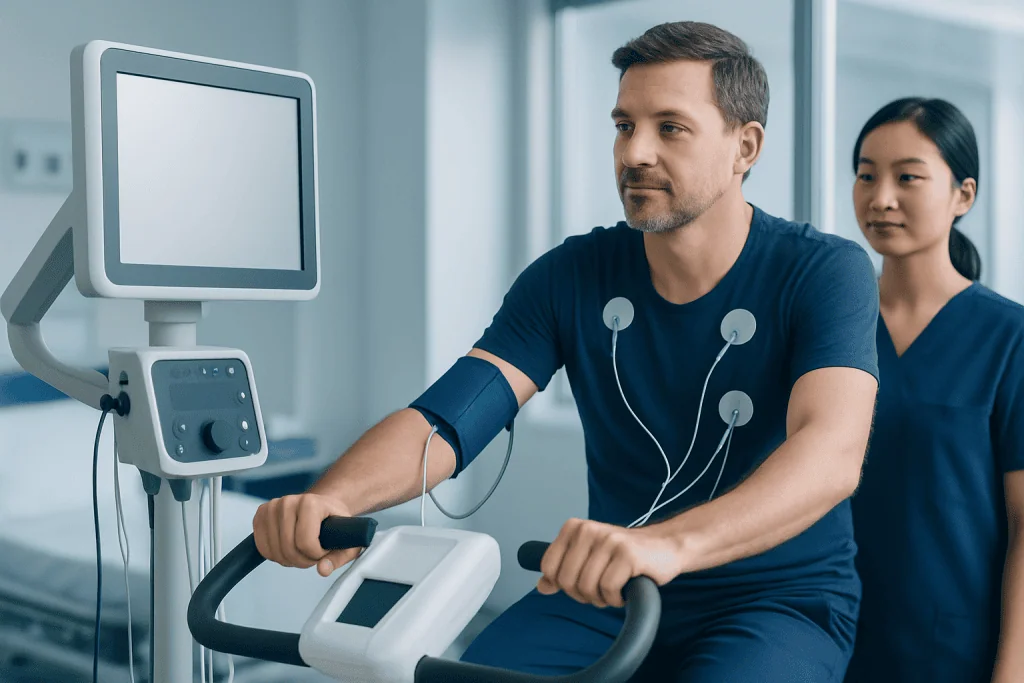
Valve surgery corrects an important mechanical problem in the heart, but the body still needs time to heal from the operation itself. After surgery, many people notice fatigue, reduced muscle strength, lower exercise tolerance, and concern about moving too much. Cardiac rehabilitation helps bridge the gap between hospital discharge and a confident return to normal life.
One key benefit is safer physical reconditioning. Supervised exercise allows activity to increase gradually while heart rate, blood pressure, symptoms, and overall tolerance are observed. This can be especially helpful for people who had reduced activity before surgery because of breathlessness, dizziness, or weakness.
Rehabilitation also supports education and self-management. Patients learn how to monitor symptoms, protect the breastbone if a sternotomy was used, take medicines correctly, and follow nutrition and lifestyle advice. For some, valve disease exists together with coronary artery disease or rhythm problems, so a coordinated plan can be particularly valuable. Emotional recovery matters too, since anxiety, low mood, or fear of exercise are not unusual after major heart surgery.
Typical Recovery Timeline

The exact timeline varies, but recovery after valve surgery usually happens in phases. In the hospital, the focus is on early mobilization, breathing exercises, pain control, and short walks. Staff encourage gentle movement to reduce complications such as lung congestion, deconditioning, and blood clots. During this stage, activity is brief and closely supervised.
In the first few weeks at home, many people continue with light walking, simple daily tasks, posture work, and breathing exercises. Fatigue is common, and stamina may improve unevenly from day to day. If the chest was opened through the breastbone, patients are often advised to follow temporary lifting and upper-body movement precautions while the bone heals.
Formal outpatient rehab often begins once the surgical and cardiology team confirms that healing is progressing well. This may be a few weeks after the operation, though timing can differ. Sessions usually become more structured over time, with walking, stationary cycling, gentle strengthening, flexibility work, and education. Some people recover faster, while others need a slower pace because of age, frailty, complications, or additional procedures such as coronary artery bypass surgery.
By the later stages of recovery, the focus shifts toward building endurance, improving confidence, and transitioning to independent long-term exercise. Even after a formal program ends, ongoing physical activity and follow-up remain important. Recovery is better viewed as a progression rather than a fixed deadline.
Exercise Safety and What to Expect
Exercise after valve surgery is usually safe when it is individualized and medically approved. Before starting, the care team reviews the type of surgery, wound healing, heart rhythm, symptoms, blood pressure, oxygen levels, and medications. In some cases, tests such as an ECG, stress assessment, or echocardiography help guide the plan.
Most programs begin with low-intensity aerobic activity. Walking is often the foundation, followed by options such as a stationary bicycle. The aim is to increase duration first and intensity later. Warm-up and cool-down periods are important because they help the heart and circulation adjust more comfortably to activity.
Strength training is usually introduced gradually and only when healing allows. Patients may begin with very light resistance and controlled movements, especially if a sternotomy was performed. Heavy lifting is not started too early. Flexibility and posture exercises can also help reduce stiffness in the shoulders, chest, and upper back after surgery.
People are often taught to use practical safety cues during exercise. These include being able to speak in short sentences, stopping if symptoms appear, and avoiding sudden bursts of effort. Activity should not cause chest pressure, severe shortness of breath, dizziness, fainting, or palpitations that feel sustained or concerning. Any exercise plan should match the individual rather than a standard routine.
Symptoms, Warning Signs, and Common Concerns
Some discomforts are common during recovery and do not always mean something is wrong. Mild fatigue, temporary sleep changes, reduced appetite, muscle soreness from increased activity, and some emotional ups and downs can happen after major surgery. Many patients also feel uncertain about how much activity is appropriate, especially in the first weeks.
However, certain symptoms need prompt medical review. These include chest pain that is new or worsening, fainting, marked shortness of breath at rest, rapid weight gain, swelling that is getting worse, fever, wound redness or drainage, and palpitations that are persistent or associated with weakness or dizziness. Symptoms of abnormal rhythm may need assessment, especially in people with a history of cardiac arrhythmia.
Another common concern is the difference between normal tiredness and overexertion. A general rule is that activity should lead to manageable fatigue that improves with rest, not exhaustion that lasts for many hours or causes significant symptoms. If recovery seems to stall or symptoms increase rather than improve, the rehabilitation or surgical team should be informed.
Treatment Plan, Monitoring, and Lifestyle Support
Cardiac rehabilitation is only one part of care after valve surgery. The overall treatment plan also includes medication management, wound care, regular follow-up, and attention to blood pressure, cholesterol, blood sugar, and other health conditions. Some patients need blood-thinning medication, especially after certain types of valve replacement, so guidance on monitoring and safety is important.
Education often covers nutrition, sleep, stress, and gradual return to work, travel, and sexual activity. A heart-healthy eating pattern, avoiding tobacco, limiting alcohol when advised, and keeping conditions such as hypertension well controlled all support better long-term outcomes. Emotional wellbeing is also part of recovery, and patients should feel comfortable discussing anxiety or low mood.
Monitoring during rehab can include symptom checks, blood pressure and pulse assessment, review of progress, and adjustment of exercise goals. Programs may be center-based, hybrid, or home-based in selected cases, depending on medical needs and local resources. In international centers such as Acibadem International, multidisciplinary specialists in JCI-accredited hospitals diagnose and manage recovery after valve surgery for patients who need coordinated cardiac care.
When to See a Doctor
Patients should keep all planned follow-up visits after valve surgery, even if they feel well. These appointments help the team review healing, medications, heart function, and exercise progress. Questions about activity limits, driving, work, and travel are appropriate to raise at these visits, because recommendations differ from person to person.
Urgent medical advice is needed if there is severe chest pain, fainting, trouble breathing, sudden weakness, confusion, or symptoms that could suggest infection or a circulation problem. New leg swelling or calf pain should also be discussed promptly. Fast treatment of complications can protect recovery and reduce the chance of more serious problems.
A doctor should also be contacted if the incision opens, drains, becomes increasingly red, or if fever develops. Patients should not ignore a steady decline in exercise tolerance, repeated dizziness, or a feeling that the heart is racing or beating irregularly. If there is uncertainty about what is normal, it is safer to ask. In some cases, additional review by a cardiac surgery or cardiothoracic surgery team may be needed.
Frequently asked questions
When can cardiac rehabilitation start after valve surgery?
The start time depends on the type of surgery, wound healing, and the patient's overall condition. Light activity usually begins in the hospital, while formal outpatient rehab often starts after the surgical and cardiology team confirms it is safe.
Is exercise safe after heart valve surgery?
For most patients, yes, exercise is safe when it is prescribed individually and increased gradually. A supervised program helps make activity safer by monitoring symptoms and adjusting intensity to the person's recovery stage.
What exercises are usually recommended first?
Walking is commonly the first and most important exercise after discharge. Breathing exercises, gentle mobility work, and later stationary cycling or light strengthening may be added as healing progresses.
How long does recovery after valve surgery usually take?
Recovery varies widely, but many people improve over several weeks to months rather than days. Energy levels often return gradually, and full confidence with exercise may take longer depending on age, previous fitness, and whether complications occurred.
What symptoms during exercise should not be ignored?
Patients should stop exercise and seek medical advice for chest pain, severe shortness of breath, dizziness, fainting, or sustained irregular heartbeats. Worsening wound pain, fever, or swelling should also be reported promptly.
Do all patients need formal cardiac rehabilitation after valve surgery?
Not every patient enters the same type of program, but many benefit from structured rehabilitation. The decision depends on surgical details, symptoms, other medical conditions, and access to supervised services.
This article is for general information only and is not a substitute for professional medical advice. Please consult a qualified doctor about your individual situation.
Cardiac Rehabilitation in Turkey — costs, top hospitals & a free quote
JCI-accredited · board-certified surgeons · reply within 24h
Add us as a Preferred Source to see more of our trusted health content across Google Search, AI Overviews and Discover.
Check your numbers in seconds
BMI, calories, due date, blood pressure and 30+ more clinical calculators — free, instant, doctor-reviewed ranges.

Cardiology Department
Diagnosis and treatment of heart and vascular conditions, from prevention to advanced interventional procedures.
93 specialists in this unitRelated Treatments
Related Conditions
More from the Health Library

Blood Transfusion During CABG: When It May Be Needed and How Risks Are Reduced

Heart Bypass Surgery for Older Adults: Benefits, Risks, and Planning

Cardiac Amyloidosis: Early Symptoms, Diagnosis, and Treatment Options

Coughing After Heart Bypass Surgery: Why It Happens and When to Call

Pacemakers: Why They Are Used and How They Work