Pacemakers: Why They Are Used and How They Work

Pacemakers help control slow or irregular heart rhythms by sending small electrical impulses to the heart when needed. They are most often recommended for conditions such as heart block, sick sinus syndrome, and some rhythm problems after medical procedures or heart disease.
Key Takeaways
- Pacemakers help control slow or irregular heart rhythms by sending small electrical impulses to the heart when needed.
- They are most often recommended for conditions such as heart block, sick sinus syndrome, and some rhythm problems after medical procedures or heart disease.
- Pacemaker implantation is usually a planned procedure performed under local anesthesia with careful heart rhythm monitoring.
- Most people return to daily activities after recovery, with a few precautions around strong magnets, certain medical equipment, and wound care.
- Regular follow-up checks are important to monitor battery life, device settings, leads, and overall heart rhythm.
Pacemakers are small medical devices that help the heart beat at a safer, more regular rate when its natural electrical system is too slow or unreliable. They are commonly used to treat certain heart rhythm problems and can significantly improve symptoms such as fainting, dizziness, fatigue, and shortness of breath.
Overview
A pacemaker is a small electronic device used to support the heart’s rhythm. It is usually placed under the skin of the upper chest and connected to the heart with one or more thin insulated wires called leads. When the heart’s own electrical signals are too slow, delayed, or interrupted, the pacemaker can send gentle electrical impulses that prompt the heart muscle to beat.
The heart has a natural electrical system that coordinates each heartbeat. Normally, an electrical signal starts in the sinus node, travels through the atria, passes through the atrioventricular node, and then moves to the ventricles. If this pathway does not work properly, the heart may beat too slowly or with long pauses. This can reduce blood flow to the brain and body, causing symptoms such as dizziness, fainting, fatigue, or breathlessness.
Pacemakers do not take over the heart unnecessarily. Modern devices are designed to monitor the heart rhythm continuously and activate only when support is needed. Some pacemakers also adjust the heart rate during physical activity, helping the heart respond more naturally to daily demands.
Why Pacemakers Are Used
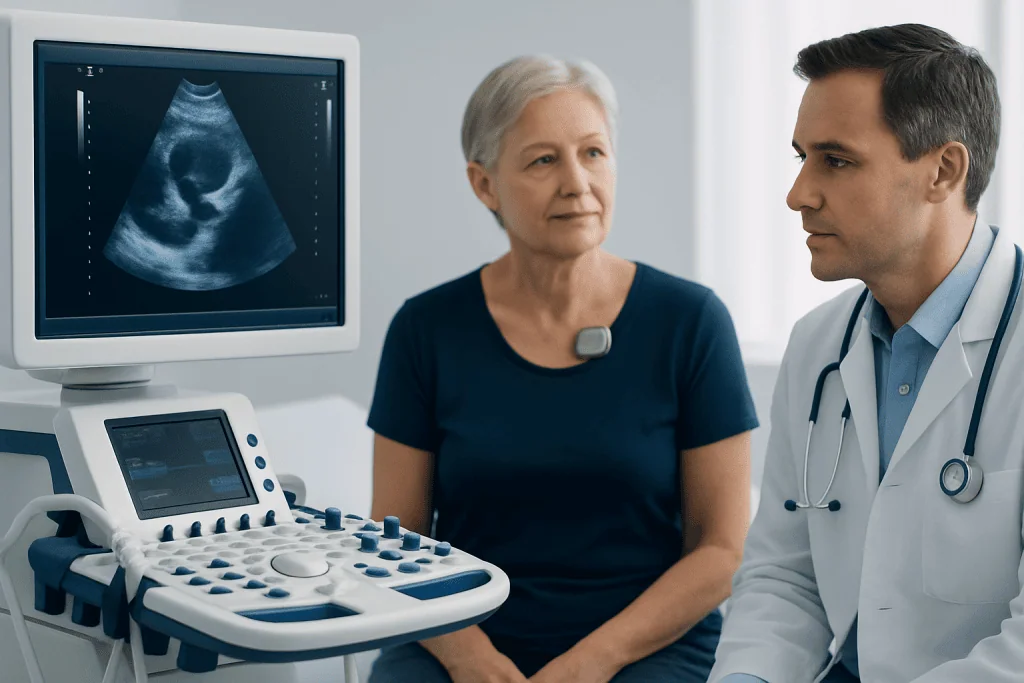
Pacemakers are mainly used to treat bradycardia, which means a heart rate that is slower than appropriate for the person’s needs. A slow heart rhythm can be harmless in some healthy people, especially trained athletes, but it can also reflect a problem in the heart’s electrical system. When bradycardia causes symptoms or creates a risk of long pauses in the heartbeat, a pacemaker may be recommended.
Common reasons for pacemaker treatment include heart block, sick sinus syndrome, and certain rhythm problems that occur after heart surgery, valve procedures, heart attack, or aging-related changes in the heart’s electrical tissue. In heart block, signals from the upper chambers do not reliably reach the lower chambers. In sick sinus syndrome, the sinus node may fire too slowly, pause unexpectedly, or alternate between slow and fast rhythms.
A pacemaker may also be considered when essential medications slow the heart rate but cannot be safely stopped. In selected people with heart failure and electrical delay between the ventricles, a special type called cardiac resynchronization therapy may help coordinate the pumping action of the heart. The decision always depends on symptoms, test results, overall health, and the specific rhythm problem.
How a Pacemaker Works

A pacemaker has two main parts: a pulse generator and one or more leads. The pulse generator contains the battery and a tiny computer circuit. The leads carry information from the heart to the device and, when necessary, deliver electrical impulses from the device to the heart muscle. These impulses are very small and usually cannot be felt.
Pacemakers are programmed to suit the patient’s condition. A single-chamber pacemaker usually supports one chamber, commonly the right ventricle or right atrium. A dual-chamber pacemaker coordinates signals between the right atrium and right ventricle. A biventricular pacemaker, used in cardiac resynchronization therapy, helps both lower chambers beat in a more coordinated way in selected patients with heart failure.
Many pacemakers include sensing and rate-response functions. Sensing means the device detects the patient’s own heartbeats and avoids pacing when the heart is beating adequately. Rate response allows the pacemaker to increase the pacing rate during activity, such as walking or climbing stairs, and slow it again at rest. Device settings can be adjusted during follow-up visits without another operation.
Symptoms That May Lead to Pacemaker Evaluation
People who need pacemakers often have symptoms related to reduced blood flow during slow heart rhythms or pauses. These symptoms may come and go, which can make diagnosis challenging. Some people feel well most of the time but experience sudden episodes of lightheadedness, near-fainting, or fainting.
Symptoms that may prompt evaluation include:
- Unexplained fainting or near-fainting
- Dizziness, lightheadedness, or confusion
- Unusual tiredness or weakness, especially during activity
- Shortness of breath with mild exertion
- Chest discomfort or a sensation of skipped beats
- Exercise intolerance or reduced ability to perform usual activities
Not everyone with a slow pulse needs a pacemaker. Doctors look at the whole clinical picture, including symptoms, heart rhythm recordings, medications, and underlying heart conditions. A key question is whether symptoms clearly match the rhythm disturbance and whether the slow rhythm is likely to persist or recur.
Diagnosis and Pre-Procedure Assessment
Evaluation usually begins with a medical history, physical examination, and electrocardiogram, also called an ECG. An ECG records the heart’s electrical activity at a single point in time and can show heart block, pauses, or a slow rhythm. If symptoms are intermittent, the doctor may recommend longer monitoring with a Holter monitor, event recorder, or implantable loop recorder.
Additional tests may be used depending on the situation. Blood tests can check for thyroid problems, electrolyte disturbances, or other reversible causes of rhythm changes. An echocardiogram may assess heart structure and pumping function. In some cases, exercise testing or specialist electrophysiology evaluation helps clarify the rhythm problem and guide treatment decisions.
Before pacemaker implantation, the care team reviews current medications, allergies, infection risk, kidney function, and any blood-thinning therapy. Patients receive instructions about eating, drinking, and medicines before the procedure. The goal is to confirm that the pacemaker is appropriate, choose the best device type, and reduce procedural risks as much as possible.
Pacemaker Implantation: What to Expect
Pacemaker implantation is commonly performed in a cardiac catheterization laboratory or operating room with local anesthesia and sedation. The skin below the collarbone is cleaned and numbed. The doctor makes a small incision, guides the lead or leads through a vein into the heart using imaging, tests their position, and connects them to the pulse generator. The generator is then placed in a small pocket under the skin.
The procedure time varies depending on the type of device and the patient’s anatomy. After implantation, the pacemaker is tested and programmed. A chest X-ray and device check may be performed to confirm lead position and function. Some patients go home the same day, while others stay overnight for observation, especially if they have additional medical needs.
As with any invasive procedure, pacemaker implantation has possible risks, including bleeding, bruising, infection, lead movement, blood vessel injury, or lung-related complications. These risks are generally uncommon, and the medical team takes precautions to prevent and manage them. Patients should follow wound-care and activity instructions carefully during the early recovery period.
Living With a Pacemaker
Most people with pacemakers return to normal daily routines after the initial healing period. The doctor may advise limiting arm movements on the implant side for a short time to help the leads settle. Patients should keep the incision clean and dry as instructed and report increasing redness, swelling, drainage, fever, or worsening pain.
Everyday electronics such as televisions, computers, microwave ovens, and most household appliances are generally safe when used normally. However, strong magnetic fields and certain industrial or medical equipment may interfere with pacemaker function. Patients should carry a pacemaker identification card and inform healthcare providers, dentists, airport security staff, and imaging teams that they have a device.
Follow-up visits are essential. During a device check, clinicians assess battery status, lead performance, stored rhythm information, and pacing settings. Many modern pacemakers can also be monitored remotely, allowing the care team to review device information between clinic visits. Battery life varies by device and use; when the battery becomes low, the generator can be replaced while the leads may remain in place if they are working well.
When to See a Doctor
Anyone with fainting, unexplained dizziness, repeated near-fainting, new shortness of breath, chest discomfort, or a very slow pulse should seek medical evaluation. These symptoms have many possible causes, and a qualified doctor can determine whether a heart rhythm problem is involved. Urgent care is especially important if symptoms are severe, sudden, or associated with chest pain, weakness on one side of the body, or loss of consciousness.
People who already have a pacemaker should contact their care team if they notice new fainting, palpitations, persistent hiccups, swelling near the device, fever, wound changes, or symptoms similar to those experienced before implantation. They should also ask for guidance before procedures involving MRI, electrosurgery, radiation therapy, or other equipment that may affect implanted devices.
Acibadem International’s multidisciplinary cardiology and electrophysiology teams, within JCI-accredited hospitals, diagnose and treat heart rhythm disorders including pacemaker evaluation and follow-up for international patients. As with any medical decision, the most appropriate care plan should be based on an individual assessment by a qualified specialist.
Frequently asked questions
Is a pacemaker the same as a defibrillator?
No. A pacemaker mainly treats slow heart rhythms by sending small impulses to keep the heart beating at an appropriate rate. An implantable cardioverter-defibrillator, or ICD, is designed to detect and treat certain dangerous fast rhythms. Some devices combine pacing and defibrillation functions when a patient needs both.
Can a person feel a pacemaker working?
Most people do not feel the electrical impulses from a pacemaker. The device works quietly in the background and only supports the heartbeat when needed. If a patient feels unusual pulsing, twitching, hiccups, or palpitations, they should contact their device clinic for assessment.
How long does a pacemaker battery last?
Battery life depends on the device type, settings, and how often pacing is required. It commonly lasts for several years, and remaining battery status is checked during routine follow-up. When the battery is nearing replacement time, the pulse generator can usually be changed in a planned procedure.
Can people with pacemakers exercise?
Many people can exercise safely after recovery, and regular activity is often encouraged for overall heart health. The right type and intensity of exercise depend on the person’s heart condition, fitness level, and doctor’s advice. Contact sports or activities that may directly impact the device area may require special precautions.
Are mobile phones safe for pacemaker patients?
Mobile phones are generally safe when used sensibly. Many doctors advise keeping the phone a short distance from the device and avoiding carrying it directly over the pacemaker pocket, such as in a shirt chest pocket. Patients should follow the specific guidance provided by their device manufacturer and cardiology team.
Can someone with a pacemaker have an MRI scan?
Some modern pacemakers are MRI-conditional, meaning MRI may be possible under specific safety conditions. Older or non-MRI-conditional systems may require alternative imaging or special evaluation. Patients should always tell the imaging center and their cardiologist about the pacemaker before scheduling an MRI.
This article is for general information only and is not a substitute for professional medical advice. Please consult a qualified doctor about your individual situation.
Explore treatments in Turkey — costs, top hospitals & a free quote
JCI-accredited · board-certified surgeons · reply within 24h
Add us as a Preferred Source to see more of our trusted health content across Google Search, AI Overviews and Discover.
Check your numbers in seconds
BMI, calories, due date, blood pressure and 30+ more clinical calculators — free, instant, doctor-reviewed ranges.

Cardiology Department
Diagnosis and treatment of heart and vascular conditions, from prevention to advanced interventional procedures.
93 specialists in this unitRelated Treatments
Related Conditions
More from the Health Library

Heart Attack: Symptoms, Emergency Treatment, and Recovery

Dental Clearance Before Heart Bypass Surgery: Infection Risk and Preparation

Diabetes and Coronary Bypass Surgery: Special Planning for Safer Recovery

Coronary Artery Bypass Surgery Success Rates: What Influences Outcomes?

Coronary Calcium Score vs Coronary Angiography: Which Test Answers Which Question?