

Arm Lift Surgery: Who Is a Good Candidate After Weight Loss?

Arm lift surgery is designed to improve the contour of the upper arms, not to replace weight loss. People after weight loss are often candidates if their weight has been stable and loose skin has not improved with time.
Key Takeaways
- Arm lift surgery is designed to improve the contour of the upper arms, not to replace weight loss.
- People after weight loss are often candidates if their weight has been stable and loose skin has not improved with time.
- Good overall health, non-smoking status, and realistic expectations support safer surgery and better healing.
- A surgeon evaluates skin quality, fat distribution, medical history, and daily goals before recommending surgery.
- Scars are part of the procedure, but they are placed to be as discreet as possible and typically fade over time.
Arm lift surgery, also called brachioplasty, removes loose excess skin and sometimes fat from the upper arms. After major weight loss, a good candidate is usually someone with stable weight, good general health, and realistic expectations about scars and recovery.
Overview
Arm lift surgery, or brachioplasty, is a body-contouring procedure that removes extra skin and, in some cases, small amounts of fat from the upper arms. It is often considered after significant weight loss when the skin does not shrink enough on its own.
For many people, the main goal is not weight reduction but a smoother, more proportionate arm shape. In this setting, the procedure may be part of a broader post-weight-loss contouring plan when several areas of the body have loose skin.
A good candidate is someone who understands both the benefits and the limits of surgery. The operation can improve comfort in clothing and reduce the feeling of skin rubbing, but it cannot make the arms look completely scar-free or identical to a younger natural contour.
Who Is a Good Candidate?
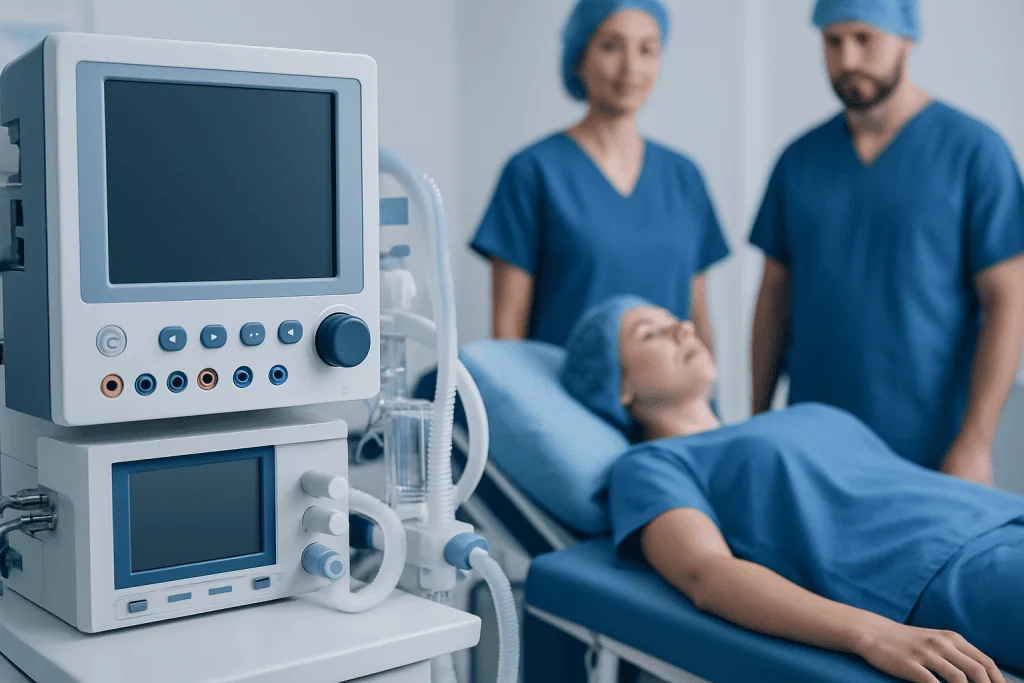
People who may be good candidates after weight loss usually have loose, hanging skin on the upper arms that has remained despite time, exercise, and weight stabilization. This skin may create a heavy or drooping appearance, and it can interfere with fitting into sleeves or wearing certain clothing.
Ideal candidates are generally at or near a stable goal weight. Surgeons often prefer that the weight has been steady for a period of time, because ongoing weight changes can alter the result and increase the chance that loose skin returns.
Other factors that support candidacy include being in good overall health, having no untreated medical conditions that would increase surgical risk, and being able to follow recovery instructions. People who want better arm shape but also accept that a scar is part of the trade-off are usually better prepared for the experience.
- Loose upper-arm skin after weight loss
- Stable weight for a meaningful period
- Healthy enough for anesthesia and surgery
- Non-smoker or willing to stop smoking before and after surgery
- Realistic expectations about results and scars
Symptoms and Concerns That Lead to Surgery

Most people do not seek arm lift surgery because of pain alone. More commonly, they are bothered by the appearance and feel of the arms, especially when the skin hangs or folds over itself.
Some people notice chafing, skin irritation, difficulty finding well-fitting clothing, or embarrassment in sleeveless clothes. Others feel that the upper arms do not match the improvement they achieved after bariatric surgery or lifestyle changes.
These concerns are valid, but they do not automatically mean surgery is the right next step. A consultation helps determine whether the issue is mostly excess skin, residual fat, muscle tone changes, or a combination of these factors.
Causes and Risk Factors
The most common cause of loose upper-arm skin is significant weight loss. When the skin stretches for a long time, it may lose some of its ability to contract fully afterward.
Age, genetics, skin elasticity, and the amount of weight lost also influence how much skin remains. People who lose a large amount of weight are more likely to have noticeable laxity in the upper arms.
Certain factors can affect candidacy or healing, including smoking, poorly controlled diabetes, bleeding disorders, and a history of wound-healing problems. A surgeon will review these issues carefully before recommending surgery.
How Doctors Evaluate Candidacy
Evaluation starts with a detailed medical history and physical examination. The surgeon looks at the amount and location of excess skin, the distribution of fat, the quality of the skin, and whether there are any scars or previous procedures that could affect planning.
The doctor will also ask about weight history, changes in exercise habits, and whether there are plans for future weight loss. If a person is still actively losing weight, the surgeon may suggest waiting until the weight is stable.
In some cases, the consultation may include discussion of related procedures such as arm lift alone or in combination with other body-contouring operations. The plan depends on what is medically appropriate and what goals are most important to the person.
It is also common to discuss the likely incision pattern, scar placement, recovery time, and whether liposuction might be used as part of the procedure. This helps the person make an informed decision before surgery.
Treatment Options
Arm lift surgery is tailored to the amount of excess skin and tissue. A more limited lift may be appropriate when skin excess is mild, while a more extensive procedure may be needed after major weight loss.
Some people benefit from liposuction along with skin removal, especially if the main issue is a mix of skin laxity and residual fat. When the upper arms are only mildly full and the skin still has some elasticity, a less extensive contouring approach may be considered.
When weight-loss-related changes extend beyond the arms, the surgeon may discuss other contouring procedures such as abdominal contouring or breast reshaping. Combining procedures is not right for everyone, but it may be discussed when safe and appropriate.
The key point is that the treatment should match the anatomy and the person’s overall health. A qualified plastic surgeon can explain what can realistically be improved in one operation and what may need to be addressed separately.
Prevention and Self-care Before Surgery
There is no way to prevent all loose skin after major weight loss, but healthy habits can support better surgery preparation and recovery. Keeping weight stable, eating a balanced diet, and staying physically active can help the body be in a stronger state for healing.
People who smoke should discuss stopping well before surgery, because smoking can slow wound healing and raise the risk of complications. It is also important to review all medications and supplements with the surgical team, since some may affect bleeding or anesthesia.
Before surgery, patients are usually advised to prepare their home for recovery, arrange help if needed, and follow the surgeon’s instructions closely. After surgery, wearing any recommended compression garment, protecting the incision area, and attending follow-up visits are important parts of good self-care.
When to See a Doctor
A consultation with a board-certified plastic surgeon is appropriate when loose upper-arm skin remains after weight loss and causes physical or emotional discomfort. A doctor can help determine whether surgery is likely to be worthwhile or whether a different approach is better.
People should also seek medical advice before considering surgery if they have diabetes, heart disease, a history of blood clots, frequent skin infections, or trouble with wound healing. These conditions do not always rule out surgery, but they need careful planning.
After surgery, any signs of infection, unexpected swelling, severe pain, fever, or wound opening should be reported promptly. Regular follow-up helps the surgeon monitor healing and support the best possible outcome.
For international patients, Acibadem International’s multidisciplinary specialists and JCI-accredited hospitals can help diagnose and treat this condition with coordinated care when arm contouring is being considered.
Recovery and Expected Results
Recovery from arm lift surgery usually involves temporary swelling, bruising, and activity limits while the incision heals. The arms may feel tight at first, and normal daily tasks may need to be modified for a period of time.
As healing progresses, the upper arms generally look slimmer and more defined, with improved shape under clothing. The final appearance develops gradually, and scars continue to mature over many months.
Results are usually long lasting when weight remains stable and healthy habits are maintained. However, future major weight changes or natural aging can still affect skin firmness over time.
Frequently asked questions
What makes someone a good candidate for arm lift surgery after weight loss?
A good candidate usually has stable weight, loose upper-arm skin that has not improved enough on its own, and good overall health. The person should also understand that the procedure improves contour but leaves a scar.
Should weight be stable before an arm lift?
Yes, stable weight is usually preferred because ongoing weight loss or gain can change the surgical result. Surgeons often recommend waiting until weight has been steady for a while after major weight loss.
Does arm lift surgery remove fat or just skin?
It can remove excess skin and, in some cases, a small amount of fat. Some patients may have liposuction as part of the procedure if the surgeon thinks it is appropriate.
Where are the scars from arm lift surgery?
Scars are typically placed along the inner or back side of the upper arm so they are less noticeable in everyday positions. They usually fade over time, but they do not disappear completely.
Can exercise fix loose skin on the upper arms after weight loss?
Exercise can improve muscle tone and overall health, but it usually cannot tighten skin that has lost elasticity. If excess skin is the main concern, surgery may be the more effective option.
Is arm lift surgery only for people after bariatric surgery?
No. It can be considered after any significant weight loss, whether from bariatric surgery, medication, or lifestyle changes. The key factor is the amount of loose skin and whether the person is medically suitable for surgery.
References
- American Society of Plastic Surgeons
- International Society of Aesthetic Plastic Surgery
- Mayo Clinic
- NHS
This article is for general information only and is not a substitute for professional medical advice. Please consult a qualified doctor about your individual situation.
Arm Lift in Turkey — costs, top hospitals & a free quote
JCI-accredited · board-certified surgeons · reply within 24h
Add us as a Preferred Source to see more of our trusted health content across Google Search, AI Overviews and Discover.

Plastic, Reconstructive & Aesthetic Surgery
Reconstructive and aesthetic procedures for the face and body, performed by experienced surgeons.
35 specialists in this unitRelated Treatments
Related Conditions
More from the Health Library



Related Specialists

Prof. Dr. Şükrü Yazar
Aesthetic Plastic & Reconstructive Surgery
Assoc. Prof. Dr. Erdem Güven (m)
Aesthetic Plastic & Reconstructive Surgery
Prof. Dr. Hakan Ağır
Aesthetic Plastic & Reconstructive Surgery
Prof. Dr. Bülent Saçak
Aesthetic Plastic & Reconstructive Surgery