Back Hurts Nausea Explained: Common Triggers and Red Flags

Back pain with nausea has many possible causes, ranging from muscle strain to kidney stones, infections, gallbladder disease, or less common emergencies. The location of the pain, associated symptoms, and how suddenly it started help guide the likely cause.
Key Takeaways
- Back pain with nausea has many possible causes, ranging from muscle strain to kidney stones, infections, gallbladder disease, or less common emergencies.
- The location of the pain, associated symptoms, and how suddenly it started help guide the likely cause.
- Red flags include fever, persistent vomiting, numbness, weakness, loss of bladder or bowel control, chest pain, shortness of breath, or severe sudden pain.
- Self-care may help mild, short-lived symptoms, but ongoing or worsening symptoms should be assessed by a doctor.
- Diagnosis may involve a physical exam, urine or blood tests, and sometimes imaging such as ultrasound, X-ray, CT, or MRI.
Back hurts nausea is a symptom combination that can come from something relatively simple, such as muscle strain with stomach upset, or from conditions involving the kidneys, digestive tract, spine, or internal organs. The main question is not only what hurts, but where the pain is, how severe it is, and whether warning signs such as fever, vomiting, weakness, chest pain, or trouble urinating are present.
Overview: Why Back Pain and Nausea Can Happen Together
When someone says back hurts nausea, it often means two symptoms are happening at the same time rather than pointing to one single disease. Back pain may start in the muscles, spine, kidneys, or nearby organs, while nausea can be triggered by pain itself, inflammation, infection, digestive upset, or the body’s stress response.
This combination is common and often not dangerous. For example, a painful muscle spasm can make a person feel queasy, or a stomach virus can lead to body aches that include the back. At the same time, some causes need faster evaluation, especially when the pain is severe, one-sided, associated with fever, or linked to urinary, digestive, or nerve symptoms.
A useful way to think about this symptom pair is by looking at the pattern. Pain in the lower back with burning urination suggests something different from upper back pain with chest discomfort, or mid-back pain after a heavy lift. Because many body systems can refer pain to the back, the full symptom picture matters more than the words alone.
Common Causes of Back Pain With Nausea
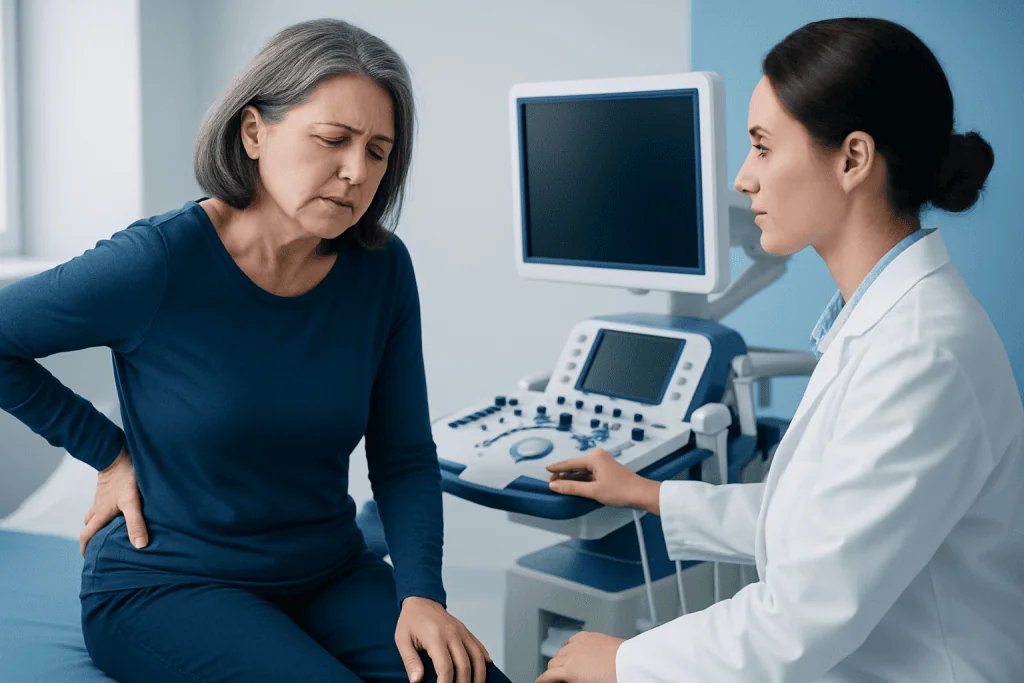
Muscle strain is one of the most frequent explanations for back pain, and nausea can follow when pain is intense or sudden. This may happen after lifting, twisting, overuse, poor posture, or sleeping in an awkward position. The back is usually sore or stiff, movement makes it worse, and there may be no fever or urinary symptoms.
Kidney-related problems are another important group of causes. Kidney stones may cause severe pain in the side or back, often coming in waves and sometimes spreading toward the groin. Nausea and vomiting are common because the pain can be intense. A kidney infection can also cause back or flank pain, along with fever, chills, burning with urination, or frequent urination. In some cases, doctors may evaluate for kidney stones or a urinary tract source of pain.
Digestive conditions can also be felt in the back. Gallbladder inflammation or gallstones may cause pain in the upper abdomen or right upper back with nausea, especially after meals. Pancreatic inflammation can cause upper abdominal pain that goes through to the back and may come with vomiting. Constipation, gastritis, ulcers, or viral stomach illnesses can also lead to nausea and body aches, including discomfort in the back.
Less commonly, gynecologic conditions, abdominal aortic problems, shingles, or heart-related disease can present with back pain plus nausea. Pain from a heart problem may be felt in the upper back, chest, jaw, or arm and may come with sweating or shortness of breath. Although not the most common reason, it is important not to ignore these possibilities when symptoms do not fit a simple strain.
How Symptoms Can Point to the Cause

The exact location of pain offers useful clues. Lower back pain with nausea may be linked to muscle strain, menstrual-related pain, urinary infection, or kidney stones. Pain felt more on one side of the back or flank raises concern for the kidneys or ureter, especially if urination changes are present.
Mid-back or upper back pain with nausea may come from the stomach, gallbladder, pancreas, or, less commonly, the heart or lungs. Pain after eating a fatty meal may suggest gallbladder disease. Burning stomach pain, acid reflux, or black stools may point more toward digestive causes. If pain worsens after meals and radiates to the back, doctors may consider biliary or pancreatic causes.
The timing also matters. Sudden severe pain can occur with kidney stones, gallbladder attacks, or certain emergencies. Gradual pain after a physical activity is more consistent with strain. Nausea that appears only when pain spikes may be a reaction to pain, while nausea with fever, diarrhea, vomiting, or abdominal tenderness suggests illness beyond the back itself.
Other associated symptoms can be especially helpful:
- Fever or chills may suggest infection.
- Burning urination, blood in the urine, or urgency may point to the urinary tract.
- Numbness, leg weakness, or loss of bowel or bladder control may indicate nerve compression in the spine.
- Chest pressure, breathlessness, sweating, or faintness may suggest a heart or vascular emergency.
- Rash or blistering pain on one side may suggest shingles.
Red Flags and When Back Pain With Nausea May Be Serious
Most episodes are not emergencies, but some symptoms should never be ignored. Severe sudden back pain with nausea deserves prompt medical assessment if it is accompanied by chest pain, shortness of breath, fainting, confusion, weakness, or a cold sweat. These symptoms may reflect a serious heart, vascular, or internal medical problem rather than a routine back issue.
Urgent evaluation is also needed when back pain comes with fever, shaking chills, persistent vomiting, severe abdominal pain, inability to keep fluids down, or signs of dehydration. A kidney infection, gallbladder infection, pancreatitis, or another acute illness may need timely treatment. Blood in the urine or severe side pain can also point toward a urinary blockage or stone.
Spinal red flags include new numbness around the groin, difficulty walking, progressive leg weakness, or loss of bowel or bladder control. These symptoms can signal significant pressure on spinal nerves and need immediate care. Severe pain after a fall, accident, or direct injury should also be assessed, especially in older adults or those with osteoporosis.
People who are pregnant, immunocompromised, have cancer, have had recent surgery, or use intravenous drugs should seek medical advice sooner, because back pain and nausea can have a different level of risk in these settings.
How Doctors Diagnose the Cause
Diagnosis begins with a detailed history and physical examination. A doctor will ask where the pain is located, when it started, whether it spreads anywhere, what makes it worse, and what other symptoms are present. Questions about urination, bowel habits, fever, menstrual history, injury, recent travel, medications, and previous kidney or digestive problems can all be relevant.
The physical exam may include checking the back muscles, spine, abdomen, temperature, blood pressure, and signs of dehydration. Doctors may also assess strength, reflexes, sensation, and walking if nerve involvement is possible. This first step often helps separate likely muscle pain from internal medical causes.
Tests depend on the suspected cause. Urine tests can look for infection, blood, or crystals. Blood tests may check for inflammation, kidney function, liver enzymes, or pancreatic markers. Imaging may include ultrasound for gallbladder or kidney concerns, CT for stones or abdominal causes, X-rays for injury, or MRI scanning when a spinal or nerve cause is suspected. In some cases, a medical check-up helps identify the main source of symptoms and whether specialist care is needed.
Treatment Options and Symptom Relief
Treatment depends entirely on the cause. Muscle strain is usually managed with relative rest, gentle movement, heat, short-term pain relief as advised by a clinician, and gradual return to activity. Prolonged bed rest is generally not recommended, as gentle movement often helps stiffness improve. If nausea is triggered mainly by pain, it often settles as the pain becomes more controlled.
Kidney stones may need pain control, fluids, and monitoring, while larger stones can require procedural treatment. Kidney infections are usually treated with antibiotics and may need urgent care if symptoms are significant. Gallbladder, pancreatic, stomach, or bowel conditions have their own treatment plans, which may include medication, hydration, dietary adjustments, or surgery depending on the diagnosis.
When back pain is related to spinal conditions, management can range from physical therapy and medicines to injections or surgery in selected cases. If doctors suspect a disc problem or ongoing nerve pressure, they may evaluate for a herniated disc and tailor treatment accordingly. Severe or persistent structural spine problems may sometimes require spine surgery, though many patients improve without an operation.
Near the end of the care pathway, some people benefit from coordinated evaluation across different specialties. Acibadem International’s multidisciplinary specialists in JCI-accredited hospitals diagnose and treat back, urinary, digestive, and spinal conditions for international patients when further assessment is needed.
Self-Care and Prevention for Mild Symptoms
If symptoms are mild, short-lived, and clearly linked to a simple strain or brief stomach upset, self-care may be reasonable. Resting for a short period, staying hydrated, eating light meals, and using heat for muscle tension can help. Gentle stretching and avoiding heavy lifting may reduce strain-related discomfort.
Good everyday habits can lower the chance of some recurring causes. These include safe lifting technique, regular physical activity, core and back strengthening, posture awareness, and adequate hydration. Preventing constipation and managing acid reflux or other digestive triggers may also reduce episodes in some people.
Prevention depends on the underlying pattern. People who have repeated urinary infections, kidney stones, gallbladder symptoms, or recurring back injuries may need more targeted medical advice. It is sensible to avoid self-diagnosing repeated episodes, especially if the symptoms are changing, becoming stronger, or occurring with fever or urinary problems.
Home care is not a substitute for professional evaluation when symptoms are intense, recurrent, or unexplained. If there is uncertainty, a medical assessment is the safest next step.
When to Seek Medical Care
Medical care should be sought promptly if back pain with nausea is severe, does not improve, or keeps returning. The same is true if there is fever, repeated vomiting, blood in the urine, painful urination, major abdominal pain, or pain that wakes a person from sleep.
Emergency care is important for chest pain, shortness of breath, fainting, new weakness, numbness in the saddle area, or loss of bowel or bladder control. These are not typical features of routine muscle strain and need urgent assessment.
If symptoms are mild but last more than a few days, or if it is not clear whether the source is the back, kidneys, stomach, or another organ, a clinician can help narrow the cause and guide the next steps safely.
Frequently asked questions
Can back pain itself make someone feel nauseated?
Yes. Strong pain can trigger nausea through the body’s stress response, even when the main problem is a muscle spasm or back strain. However, nausea can also signal a kidney, digestive, or other internal medical cause, so the full symptom pattern matters.
Is back hurts nausea a sign of kidney stones?
It can be. Kidney stones often cause severe pain in the side or back, sometimes in waves, and nausea or vomiting is common. Blood in the urine, restlessness, or pain spreading toward the groin makes this cause more likely, but a doctor may need tests to confirm it.
When should back pain and nausea be treated as an emergency?
Emergency care is needed if symptoms come with chest pain, shortness of breath, fainting, new weakness, confusion, severe sudden pain, or loss of bowel or bladder control. High fever, persistent vomiting, or severe abdominal pain also deserve urgent medical attention.
Can digestive problems cause pain in the back and nausea?
Yes. Gallbladder disease, pancreatitis, stomach irritation, constipation, and some viral illnesses can all cause nausea and pain that is felt in the back. The location of the pain and whether symptoms are linked to meals, vomiting, diarrhea, or abdominal tenderness can help distinguish these causes.
How is the cause of back pain and nausea diagnosed?
Doctors usually start with questions about the pain, other symptoms, and recent activities, followed by a physical exam. Depending on the suspected cause, they may order urine tests, blood tests, ultrasound, CT, X-rays, or MRI.
What can be done at home for mild back pain with nausea?
If symptoms are mild and there are no red flags, short-term rest, hydration, light meals, heat for muscle tension, and gentle movement may help. But if symptoms worsen, return often, or are not clearly improving within a few days, medical advice is recommended.
References
- National Institute of Diabetes and Digestive and Kidney Diseases
- National Institute of Neurological Disorders and Stroke
- American College of Gastroenterology
- Mayo Clinic
- MedlinePlus
This article is for general information only and is not a substitute for professional medical advice. Please consult a qualified doctor about your individual situation.
Persistent digestive symptoms? Get evaluated in Turkey
JCI-accredited · board-certified surgeons · reply within 24h
Add us as a Preferred Source to see more of our trusted health content across Google Search, AI Overviews and Discover.

More from the Health Library



Related Specialists

Dr. Cenk Ersemiz
Acibadem Life Clinical Service
Dt. Ayşe İleyda Konya
Oral & Dental Health
Dr. Semra Kavas
Infectious Diseases & Clinical Microbiology
Prof. Dr. Necdet Sağlam
Orthopedic Surgery & Traumatology