Best Exercises for Lung Health: An Evidence-Based Guide for Patients

Walking, cycling, swimming, and similar aerobic activities are among the best exercises for lung health. Breathing techniques such as pursed-lip breathing and diaphragmatic breathing can help reduce breathlessness and improve breathing control.
Key Takeaways
- Walking, cycling, swimming, and similar aerobic activities are among the best exercises for lung health.
- Breathing techniques such as pursed-lip breathing and diaphragmatic breathing can help reduce breathlessness and improve breathing control.
- Strength training matters because stronger arm, chest, and core muscles can make everyday movement feel easier.
- Exercise should be tailored to a person's age, fitness level, symptoms, and any lung or heart condition.
- People with ongoing shortness of breath, chest pain, or diagnosed lung disease should speak with a qualified doctor before starting a new program.
The best exercises for lung health are usually a mix of regular aerobic activity, simple breathing techniques, and muscle-strengthening work. For most people, these approaches help the body use oxygen more efficiently, support breathing muscles, and improve stamina in daily life.
Overview: What exercises help the lungs most?
The best exercises for lung health are those that improve how efficiently the body uses oxygen rather than exercises that simply “make the lungs bigger.” In practice, this usually means combining moderate aerobic activity such as walking or cycling with breathing exercises and basic strength training. This combination can improve endurance, reduce the feeling of breathlessness during activity, and support overall physical function.
The lungs work as part of a larger system that includes the airways, breathing muscles, heart, blood vessels, and muscles throughout the body. Because of this, lung health is supported not only by breathing drills but also by regular movement that challenges the body in a safe, progressive way. A person does not need to be an athlete to benefit; short, consistent sessions are often enough to make daily tasks easier.
For people living with asthma, chronic bronchitis, emphysema, or other long-term respiratory symptoms, formal rehabilitation may be especially helpful. Some individuals may benefit from evaluation for chronic obstructive pulmonary disease (COPD) or a structured pulmonary rehabilitation program if symptoms limit activity.
How exercise supports breathing and lung function
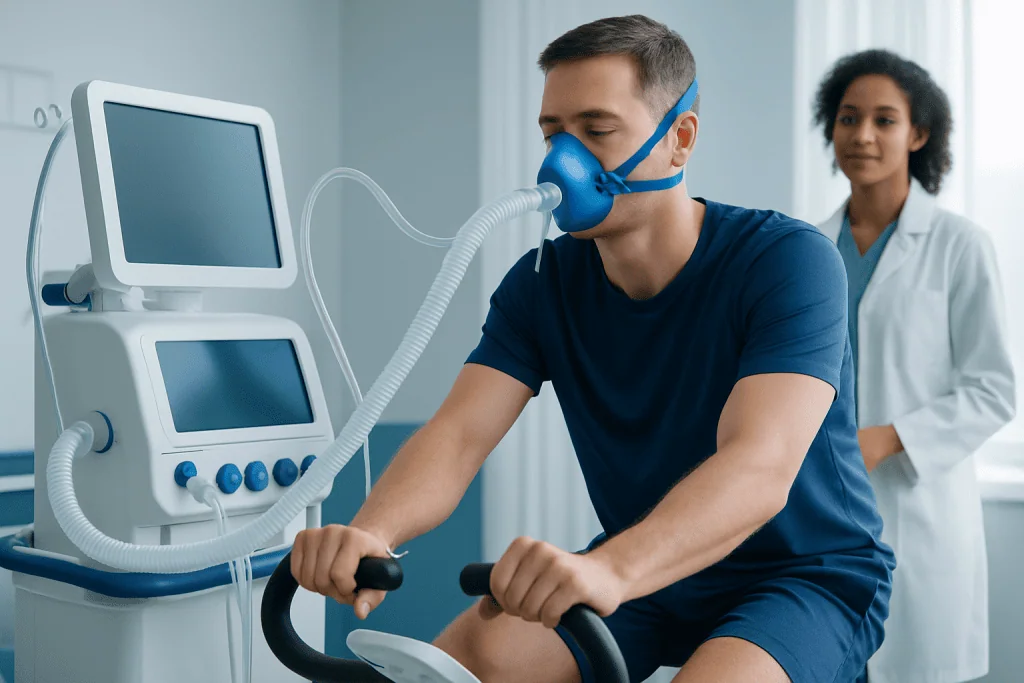
Exercise does not usually increase the physical size of the lungs in adults, but it can improve how well the body performs with the lung function it has. Regular activity helps the heart and muscles use oxygen more efficiently, so breathing may feel easier during walking, climbing stairs, or household tasks. Over time, this can lower the sense of effort that comes with movement.
Exercise also helps condition the muscles involved in breathing. The diaphragm and chest wall muscles work continuously, and when the body becomes more fit overall, these muscles can perform more effectively. Better fitness can also reduce deconditioning, which is a common reason people become short of breath after even minor effort.
Another important effect is airway and secretion management. Gentle movement, upright posture, and controlled breathing can help some people clear mucus more comfortably and reduce the cycle of inactivity that often follows breathlessness. For those with chronic symptoms, medical evaluation may be needed to rule out conditions such as asthma or other respiratory disorders before building an exercise plan.
The best types of exercises for lung health
Aerobic exercise is the foundation for most people. Walking is often the best starting choice because it is familiar, low cost, and easy to adjust in pace and duration. Stationary cycling, outdoor cycling, swimming, water exercise, dancing, and low-impact aerobic classes can also be effective, provided they match the person’s fitness level and do not trigger significant symptoms.
Breathing exercises are useful partners to aerobic activity. Pursed-lip breathing can help a person slow exhalation and feel more in control during exertion. Diaphragmatic breathing may help some people use the main breathing muscle more effectively, especially during rest, recovery, or supervised training. These techniques are not replacements for medical treatment, but they can be practical tools for symptom management.
Strength training is often overlooked in discussions about lung health. Stronger leg, arm, chest, shoulder, and core muscles can reduce the effort needed for daily movement, carrying items, and climbing stairs. A balanced plan may include body-weight exercises, light resistance bands, or supervised resistance training. Flexibility and posture work can also help chest expansion and comfort, especially for people who spend long periods sitting.
- Aerobic: walking, cycling, swimming, elliptical training
- Breathing: pursed-lip breathing, diaphragmatic breathing, paced breathing during effort
- Strength: chair squats, wall push-ups, light weights, resistance bands
- Mobility: gentle stretching, thoracic mobility, posture exercises
Examples of a safe, patient-friendly routine
For many adults, a simple weekly plan works well: moderate aerobic exercise on most days, strength training two or three times per week, and brief breathing practice daily or as needed. A beginner might start with 10 to 15 minutes of walking at a comfortable pace and gradually build duration before adding speed. Progress is often safer and more sustainable when it happens in small steps.
One helpful method is interval-style training. A person can walk for one to three minutes at an easy-to-moderate pace, then slow down for one minute to recover, repeating the cycle several times. This approach can be especially useful for those who become short of breath quickly, because it allows meaningful activity without pushing continuously to exhaustion.
Breathing practice can be added before, during, or after exercise. For example, inhaling through the nose and exhaling slowly through pursed lips during recovery may improve comfort. People with diagnosed lung disease, a history of severe flare-ups, or significant exercise limitation may need supervised assessment, breathing tests, or respiratory function testing before beginning a more structured program.
How to exercise safely with asthma, COPD, or breathlessness
People with asthma or chronic lung disease can often exercise safely and benefit greatly from it, but the plan should be individualized. The right type, pace, and environment matter. Some people do better with walking indoors, cycling, or swimming in a warm environment, while others need a longer warm-up to prevent symptoms. Cold air, pollution, strong fumes, or pollen can make outdoor exercise harder for certain individuals.
It is usually helpful to warm up gradually and cool down slowly rather than starting abruptly. Keeping rescue medication available, if prescribed, and following a clinician’s guidance are important for people with asthma. Those with COPD or ongoing shortness of breath may need a slower pace, more rest intervals, and instruction on breathing control. If symptoms remain unexplained, clinicians may recommend imaging or evaluation by chest disease specialists to identify the cause.
Exercise should generally be paused if a person has fever, a chest infection that is worsening, severe wheezing, new chest pain, faintness, or oxygen levels that are lower than the care team has advised as safe. For individuals with persistent symptoms, a clinician may also evaluate related conditions such as pneumonia recovery, heart disease, anemia, or physical deconditioning.
Prevention and self-care habits that improve results
Exercise works best when paired with daily habits that support lung health. Avoiding tobacco smoke and vaping exposure is one of the most important steps. Managing indoor air quality, reducing contact with dust or chemical irritants when possible, and staying physically active throughout the day can all help protect breathing comfort.
Hydration, adequate sleep, balanced nutrition, and vaccination according to a doctor’s advice may also support respiratory health. Good hydration can help keep mucus easier to clear for some people, while sleep and nutrition support overall recovery and endurance. For people with allergies or asthma, keeping symptoms well controlled can make exercise more comfortable and consistent.
Tracking symptoms can be useful. A person might note how far they can walk, whether stairs feel easier, how often they need to stop, and what triggers breathlessness. Improvement is often measured less by dramatic changes in test numbers and more by practical gains in daily life, such as walking longer, speaking more comfortably during movement, or feeling less tired afterward.
When to seek medical care
Shortness of breath is not always caused by low fitness, and it should not be ignored when it is new, worsening, or out of proportion to activity. Medical evaluation is important if breathlessness happens at rest, wakes a person from sleep, or begins suddenly. Chest pain, bluish lips, fainting, severe wheezing, coughing up blood, or confusion need urgent attention.
A doctor should also assess a person who has a long-lasting cough, repeated chest infections, unexplained fatigue with exertion, or a noticeable decline in exercise tolerance. These symptoms can be related to asthma, COPD, infection, heart disease, anemia, or other conditions that need diagnosis before exercise plans are advanced.
For international patients who need assessment or coordinated care, Acibadem International’s multidisciplinary specialists and JCI-accredited hospitals diagnose and treat respiratory conditions with individualized planning. A clinician can help determine whether symptoms are best addressed with self-directed exercise, supervised rehabilitation, or further testing.
Frequently asked questions
What are the best exercises for lung health?
For most people, the best exercises for lung health are walking, cycling, swimming, and other moderate aerobic activities combined with breathing exercises and strength training. The most effective routine is one that can be done regularly and increased gradually over time.
Can exercise increase lung capacity?
Exercise may not significantly increase the physical size of the lungs in adults, but it can improve how efficiently the body uses oxygen. This often means better stamina, less shortness of breath during activity, and improved overall fitness.
Are breathing exercises enough on their own?
Breathing exercises can help with breathing control and symptom relief, especially in people who feel short of breath. However, they usually work best when combined with regular aerobic activity and muscle strengthening rather than used alone.
Is walking good for the lungs?
Yes, walking is one of the simplest and most effective exercises for lung health. It can be adjusted to almost any fitness level and helps improve endurance, circulation, and oxygen use throughout the body.
Should people with asthma or COPD exercise?
In many cases, yes. People with asthma or COPD often benefit from carefully planned exercise, but the program should match their symptoms, medications, and medical advice. A doctor may recommend supervised rehabilitation or testing if symptoms are significant.
How often should someone exercise for better lung health?
Many people aim for moderate activity on most days of the week, with strength training two or three times weekly and brief breathing practice as needed. The best schedule depends on age, fitness, symptoms, and any medical conditions.
This article is for general information only and is not a substitute for professional medical advice. Please consult a qualified doctor about your individual situation.
Explore treatments in Turkey — costs, top hospitals & a free quote
JCI-accredited · board-certified surgeons · reply within 24h
Add us as a Preferred Source to see more of our trusted health content across Google Search, AI Overviews and Discover.

More from the Health Library

Hyperplastic Polyp: What Patients Need to Know

Altitude Sickness — Explained by Medical Evidence, Not Myths

Polyunsaturated Fat: What Patients Need to Know

Areds: An Evidence-Based Guide for Patients

Hair Thickening Shampoo — Explained by Medical Evidence, Not Myths