Best Iodine Tablets for Radiation: How It Works, Results and What to Expect

Potassium iodide is the recommended medicine for thyroid protection after exposure to radioactive iodine, not ordinary iodine supplements or salt. KI is useful only for specific nuclear or radiological events involving radioactive iodine and only when authorities recommend it.
Key Takeaways
- Potassium iodide is the recommended medicine for thyroid protection after exposure to radioactive iodine, not ordinary iodine supplements or salt.
- KI is useful only for specific nuclear or radiological events involving radioactive iodine and only when authorities recommend it.
- The right dose and timing depend on age, pregnancy status, breastfeeding, and official public-health instructions.
- Radioactive iodine treatment for thyroid disease is different from emergency potassium iodide tablets.
- Adults over 40 are usually advised not to take KI unless exposure is expected to be very high, because their risk of radiation-related thyroid cancer is lower and side effects may be more relevant.
The best iodine tablets for radiation are approved potassium iodide (KI) products taken only under instructions from public health authorities during a radioactive iodine emergency. They protect the thyroid gland from radioactive iodine but do not protect the rest of the body from radiation or replace evacuation, sheltering, or other emergency guidance.
Overview: what are the best iodine tablets for radiation?
The best iodine tablets for radiation exposure are potassium iodide (KI) tablets or liquid products approved by the relevant national health authority. KI is a stable form of iodine that temporarily fills the thyroid gland with non-radioactive iodine. If radioactive iodine is then present in the environment, the thyroid absorbs less of it.
KI is not a general anti-radiation medicine. It does not protect against external radiation, radioactive particles on the skin or clothing, or radioactive materials other than iodine. During an emergency, following official directions to shelter, evacuate, remove contaminated clothing, and avoid contaminated food or water remains essential.
Ordinary dietary iodine supplements, seaweed products, iodized salt, and iodine-based antiseptics should not be used as substitutes. Their iodine amount and absorption are not suitable for emergency thyroid blocking, and trying to obtain protection from these products can be unsafe.
How potassium iodide works—and what it cannot do
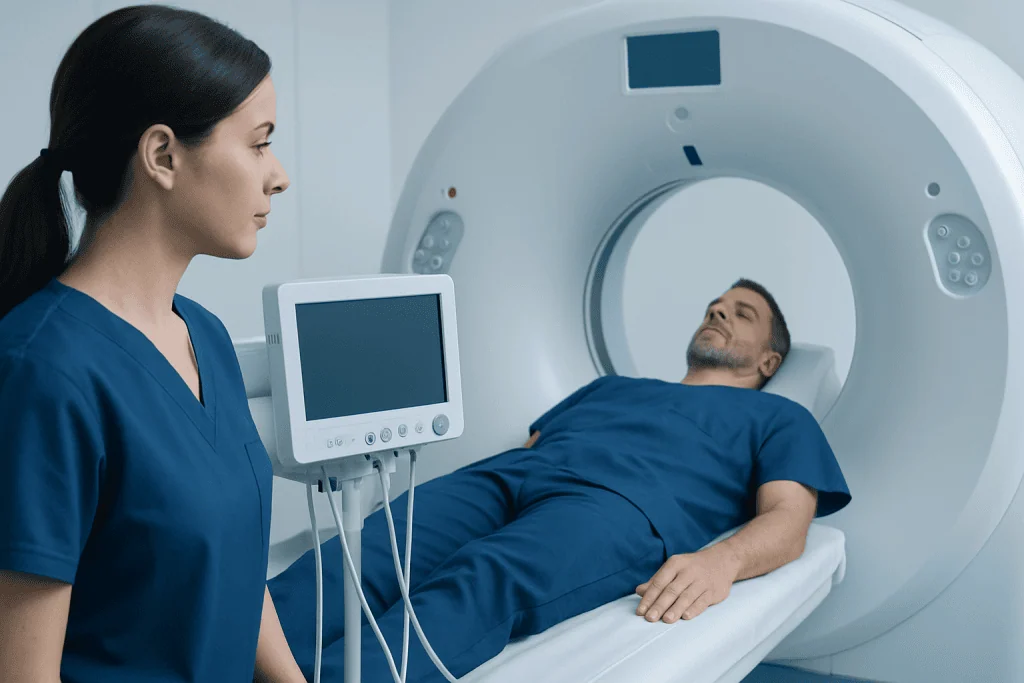
The thyroid naturally uses iodine to make hormones that regulate metabolism. When a person takes KI at the proper time, the thyroid becomes temporarily saturated with stable iodine. This reduces the gland’s ability to take up radioactive iodine that may be inhaled or swallowed after a nuclear incident.
Timing matters. KI provides the greatest benefit when taken shortly before or soon after exposure, but the exact timing and whether repeat doses are needed must be directed by public health authorities. Taking KI when there is no radioactive iodine risk offers no benefit and may cause harm.
It is important to distinguish emergency KI from radioactive iodine treatment. Radioactive iodine is a prescribed medical treatment that delivers radiation selectively to thyroid tissue, commonly for certain thyroid conditions. It is planned, individualized, and supervised by an endocrinology and nuclear medicine team.
For people being evaluated for thyroid disease, related information about thyroid cancer and hyperthyroidism may help explain when thyroid-focused testing and treatment are considered.
Who may need potassium iodide in a radiation emergency?

KI is intended for people who may be exposed to radioactive iodine after a specific nuclear or radiological event. Public health authorities decide whether it is needed based on radiation monitoring, the likely release, location, and expected exposure. People should not take it merely because a radiation event has been reported elsewhere.
Infants, children, adolescents, pregnant people, and breastfeeding people are generally priorities for protection when KI is officially recommended. Their thyroids are more sensitive to radioactive iodine, and exposure in pregnancy can also affect the developing baby’s thyroid.
Adults aged 18 to 40 may be advised to take KI depending on the expected exposure. Adults over 40 are generally less likely to benefit, except where officials expect a high enough exposure to pose a meaningful risk of thyroid injury. Individual medical circumstances can alter this advice.
Anyone with a known iodine allergy should seek medical advice, although true allergy to iodine itself is uncommon. People with thyroid disease, dermatitis herpetiformis, hypocomplementemic vasculitis, kidney disease, or a history of serious reactions to KI should discuss emergency planning with a clinician in advance.
How to take iodine tablets during an emergency
KI should be taken exactly as instructed by emergency authorities or a qualified clinician. They will specify who should take it, the appropriate formulation, when to take it, and whether another dose is required. Instructions can differ between countries and between events.
In practical terms, the process is usually straightforward: confirm that official guidance recommends KI; check the product label and expiration information; take the advised amount with water or food if appropriate; and continue to follow sheltering, evacuation, and contamination-control directions. Caregivers should use pediatric products or carefully follow official instructions for children rather than estimating doses.
KI should never delay urgent safety actions. Leaving an affected area, moving indoors when advised, closing doors and windows, and monitoring emergency announcements may be more important than obtaining tablets. A person should not travel into a potentially affected area to buy KI.
For thyroid-related medical care, specialists may use nuclear medicine testing or treatment in carefully controlled settings. Radioactive iodine treatment is distinct from emergency KI and is prescribed only after an individual assessment.
What to expect after taking the radioactive iodine pill?
This question can describe two very different situations. After taking emergency potassium iodide, most people have no serious effects from a single correctly recommended dose. Some may notice temporary stomach upset, headache, a metallic taste, rash, or swelling of salivary glands, although these effects are uncommon.
After taking prescribed radioactive iodine for a thyroid condition, expectations are different. The medicine is absorbed by thyroid tissue, and clinicians provide individualized instructions on hydration, hygiene, contact with others, follow-up testing, and any temporary precautions. Some people have neck tenderness, dry mouth, taste changes, nausea, or fatigue, depending on the treatment purpose and dose.
Radioactive iodine treatment can gradually reduce overactive thyroid tissue or treat remaining thyroid tissue after thyroid cancer surgery. Its effects are not immediate. Follow-up blood tests and imaging, when needed, help the clinical team assess thyroid hormone levels and response to treatment.
People should contact their treating team promptly if they develop breathing difficulty, facial or throat swelling, a widespread rash, severe vomiting, or symptoms that feel urgent. These symptoms are not expected and need prompt medical assessment.
How much iodine do you need to protect against radiation?
The amount needed is not a single universal number. Emergency potassium iodide dosing is based on age and, in some circumstances, body size, pregnancy, breastfeeding, and anticipated exposure. National authorities provide the dosing instructions because they can adapt them to the event and to local product formulations.
More iodine is not better. Taking extra tablets, taking repeated doses without instructions, or combining KI with supplements does not improve protection and increases the chance of thyroid and other side effects. Iodized salt and food sources cannot provide predictable emergency protection and should not be used for this purpose.
For most adults, the usual nutritional need for iodine is far lower than the amount used for temporary emergency thyroid blocking. These are separate issues: a healthy diet supports normal thyroid function, while KI is a short-term emergency medicine. People should not change their iodine intake substantially without medical guidance.
Pregnant and breastfeeding people, newborns, and infants require especially careful advice. Their clinicians or emergency authorities may recommend follow-up thyroid monitoring after KI use, particularly if more than one dose is required.
Why should people over 40 not take iodine?
People over 40 are not automatically forbidden from taking KI. Rather, public health guidance generally reserves it for situations where projected radioactive iodine exposure is high enough that the likely benefit outweighs the potential risks. The risk of radiation-related thyroid cancer after exposure is lower in older adults than in children and younger adults.
At the same time, older adults are more likely to have unrecognized thyroid nodules or thyroid disease. A large iodine dose can occasionally trigger changes in thyroid function, particularly in people with underlying thyroid conditions. This is why official recommendations prioritize those most likely to benefit.
If an emergency authority directs adults over 40 to take KI, they should follow that instruction unless they have been told by a clinician not to use it. Those with known thyroid disease or prior serious medication reactions can ask their doctor beforehand how to prepare for a potential radiation emergency.
When to seek medical care
Urgent medical care is appropriate for trouble breathing, swelling of the lips, tongue, face, or throat, fainting, severe rash, or severe persistent vomiting after taking KI or any medication. These symptoms may indicate a serious reaction and should not be managed at home.
A person should contact a doctor or public health service if they took KI by mistake, took more than directed, gave an incorrect amount to a child, or have a thyroid condition and are concerned about symptoms such as a racing heartbeat, unusual weakness, tremor, or neck swelling. During a declared emergency, official health information channels should be the main source for exposure and medication guidance.
For planned radioactive iodine therapy, patients should discuss pregnancy, breastfeeding, fertility concerns, current medicines, kidney problems, and home circumstances with their care team before treatment. Acibadem International’s multidisciplinary specialists at JCI-accredited hospitals can assess and treat thyroid conditions for international patients, including planning for appropriate thyroid surgery when indicated.
Frequently asked questions
What are the best iodine pills to take in case of radiation exposure?
Approved potassium iodide, or KI, tablets or liquid are the appropriate products for thyroid protection when public health authorities recommend them. Ordinary iodine supplements, iodized salt, seaweed, and antiseptic iodine products are not substitutes. KI should only be used for a confirmed or expected release of radioactive iodine.
What to expect after taking the radioactive iodine pill?
Emergency potassium iodide is usually tolerated well when taken as directed, though mild stomach upset, headache, rash, or taste changes can occur. Prescribed radioactive iodine therapy is different and may involve temporary safety precautions and follow-up thyroid monitoring. A treating team provides personalized instructions for medical radioactive iodine treatment.
How much iodine do you need to protect against radiation?
The correct emergency KI amount depends on age, body size for some children, pregnancy or breastfeeding status, and official guidance. Taking more than advised does not provide extra protection and can cause side effects. People should use the exact product and directions issued by health authorities.
Why should people over 40 not take iodine?
Adults over 40 may have a lower expected benefit from KI because their risk of radiation-related thyroid cancer after exposure is lower than for younger people. They may also have a higher chance of underlying thyroid conditions that can be affected by a large iodine dose. However, they should take KI if public health authorities advise it during a high-exposure event.
Does potassium iodide protect against all forms of radiation?
No. KI only reduces thyroid uptake of radioactive iodine. It does not protect against external radiation, radioactive cesium or other radioactive materials, or contamination on skin and clothing. Emergency instructions about sheltering, evacuation, and decontamination remain necessary.
Can potassium iodide be taken in advance just in case?
It should not be taken routinely or preemptively without a public health instruction. Its benefit is limited to a specific radioactive iodine risk and a limited time window. Keeping an approved product as part of emergency preparedness may be reasonable where recommended locally, but it should be used only when directed.
References
- World Health Organization
- International Atomic Energy Agency
- United States Food and Drug Administration
- Centers for Disease Control and Prevention
- American Thyroid Association
This article is for general information only and is not a substitute for professional medical advice. Please consult a qualified doctor about your individual situation.
Explore treatments in Turkey — costs, top hospitals & a free quote
JCI-accredited · board-certified surgeons · reply within 24h
Add us as a Preferred Source to see more of our trusted health content across Google Search, AI Overviews and Discover.

More from the Health Library



Related Specialists
Dr. İlknur Reyhan Sözenoğlu
Anesthesiology
Asst. Prof. Dr. Gonca Saraç
Dermatology
Dt. Pelin Dülgeroğlu Karamık
Oral & Dental Health
Prof. Dr. Emel Özcan
Physical Medicine & Rehabilitation