Binocular Vision Problems: When Eye Strain May Need Neuro-Ophthalmology Care

Binocular vision problems affect how the two eyes coordinate and focus together. Common symptoms include eye strain, headaches, blurred vision, double vision, and trouble reading.
Key Takeaways
- Binocular vision problems affect how the two eyes coordinate and focus together.
- Common symptoms include eye strain, headaches, blurred vision, double vision, and trouble reading.
- Causes range from common focusing or alignment issues to nerve, muscle, or neurological conditions.
- A neuro-ophthalmology assessment may be helpful when symptoms are persistent, sudden, or associated with other neurological signs.
- Treatment depends on the cause and may include glasses, prisms, vision therapy, treatment of an underlying condition, or surgery in selected cases.
Binocular vision problems happen when the eyes do not work together smoothly, making it harder for the brain to combine visual information into a single clear image. They can cause eye strain, headaches, blurred vision, or double vision, and some cases benefit from neuro-ophthalmology care to look for underlying nerve, muscle, or brain-related causes.
Overview
Binocular vision problems occur when the eyes do not align, focus, or move together as they should. For comfortable vision, each eye must send a similar image to the brain, and the brain must then combine these two images into one clear picture. When this coordination is disrupted, a person may develop eye strain, blurred vision, difficulty concentrating, or double vision.
These problems can affect children and adults. In some people, symptoms are mild and mainly noticeable during reading, computer work, or other close-up tasks. In others, symptoms can interfere with work, school, driving, or balance. The experience may come and go, or it may gradually become more frequent.
Not all binocular vision problems are the same. Some are related to how the eyes focus at near distances, while others involve eye muscle balance or the nerves that control eye movement. Because the visual system is closely connected to the brain and nervous system, persistent or unusual symptoms sometimes need a neuro-ophthalmology evaluation to identify the exact cause.
Symptoms of Binocular Vision Problems
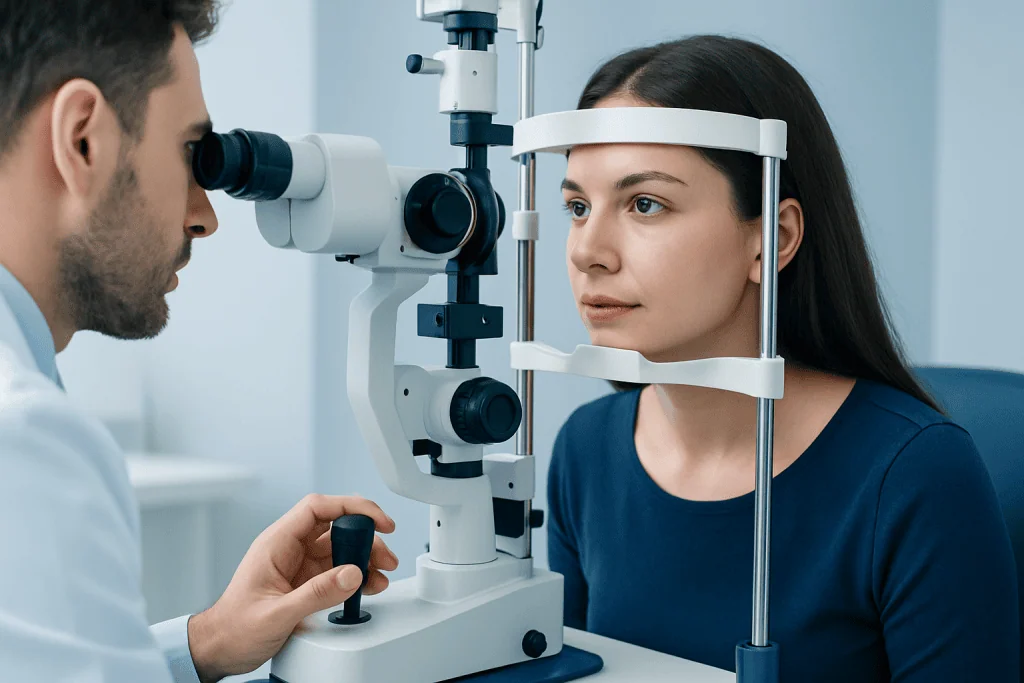
Symptoms can vary depending on the type and severity of the problem. Many people first notice discomfort after reading, using a phone, working on a computer, or doing tasks that require sustained focus. Children may have trouble with schoolwork, while adults may notice reduced productivity or fatigue.
Common symptoms include:
- Eye strain or aching around the eyes
- Headaches, especially after near work
- Blurred vision that comes and goes
- Double vision, either occasional or constant
- Words appearing to move, jump, or overlap while reading
- Difficulty concentrating on visual tasks
- Closing or covering one eye to see more comfortably
- Dizziness, motion sensitivity, or a sense of visual imbalance
Some people also notice poor depth perception, losing their place while reading, or feeling unusually tired after visual tasks. In young children, symptoms may be less obvious. A child might avoid reading, tilt the head, rub the eyes often, or seem inattentive when the real issue is visual discomfort.
Sudden double vision, a new drooping eyelid, eye movement limitation, or symptoms that occur with weakness, numbness, severe headache, or speech changes should not be ignored. These may suggest a more urgent problem and deserve prompt medical assessment.
Causes and Risk Factors

Binocular vision problems can result from many different conditions. Common causes include convergence insufficiency, where the eyes have difficulty turning inward for near tasks, and subtle eye misalignment that becomes more noticeable with fatigue. Uncorrected refractive errors, such as farsightedness or astigmatism, can also make it harder for the eyes to work together comfortably.
In other cases, the problem is related to the eye muscles or the nerves that control them. Cranial nerve disorders, thyroid eye disease, previous eye injury, and some muscle conditions can affect alignment and movement. People may also develop symptoms after concussion or other head trauma, especially if reading and screen use become uncomfortable afterward.
Neurological conditions are another important consideration. Stroke, multiple sclerosis, increased pressure affecting the visual pathways, and other brain or nerve disorders can lead to double vision or difficulty coordinating eye movements. This is one reason a neuro-ophthalmologist may be involved, especially when symptoms start suddenly, progress, or occur together with other neurological signs.
Risk factors depend on the underlying cause but may include older age, diabetes, high blood pressure, thyroid disease, migraine, previous neurological illness, head injury, and a history of childhood eye alignment problems. A family history of strabismus or focusing issues can also play a role. Some patients who are evaluated for binocular symptoms may also have related eye conditions such as glaucoma or other vision disorders that need separate attention.
How Neuro-Ophthalmology Helps with Diagnosis
Diagnosis begins with a detailed medical history. The specialist will ask when symptoms began, whether they are constant or intermittent, and what activities make them worse. Information about headaches, trauma, past eye disease, medications, and neurological symptoms is also important. This history often gives valuable clues about whether the cause is mainly ocular, muscular, or neurological.
A careful examination usually includes visual acuity testing, refraction, pupil assessment, eye alignment measurements, and evaluation of eye movements in different directions. The clinician may check whether symptoms change with one eye covered, measure how well the eyes converge for near work, and assess depth perception. In many cases, these tests can identify a binocular coordination problem clearly.
When needed, additional tests may be ordered to look for an underlying condition. These can include blood tests, optical coherence tomography, visual field testing, or imaging such as MRI or CT scans. If the concern is related to the nerves or brain, neuro-ophthalmology helps connect eye findings with the rest of the nervous system. In selected patients, advanced evaluation such as MRI scanning can help identify inflammation, nerve palsy, stroke, or other structural causes.
The goal is not only to name the problem but also to understand why it is happening. That distinction matters because temporary eye strain from near work is treated differently from double vision caused by a nerve disorder or an underlying medical disease.
Treatment Options
Treatment depends on the specific diagnosis. Some binocular vision problems improve with updated glasses or contact lens prescriptions, especially when uncorrected refractive error is contributing to strain. In other cases, prism lenses may be prescribed to help align the images seen by each eye and reduce double vision or visual effort.
For certain focusing and coordination problems, structured eye exercises or vision therapy may be recommended. This is often considered for issues such as convergence insufficiency, where targeted training can improve comfort during reading and near work. Temporary measures, such as adjusting reading distance, taking breaks, or limiting visually demanding tasks for a short period, may also help while treatment is underway.
If the problem is caused by an underlying medical or neurological condition, treatment focuses on that cause. For example, management may involve controlling diabetes, addressing thyroid disease, or treating neurological inflammation. Some patients benefit from coordinated care involving neurology, endocrinology, rehabilitation, or ophthalmology. If a structural eye alignment issue is present, specialists may discuss options such as strabismus surgery when appropriate.
In more complex situations, especially after trauma or with persistent double vision, a combination of treatments may be needed. Patients with neurological causes of visual symptoms may also undergo evaluations such as neurological rehabilitation as part of their broader care plan. The best approach is individualized and based on symptom pattern, examination findings, and the underlying diagnosis.
Prevention and Self-Care
Not all binocular vision problems can be prevented, but some steps may reduce symptoms or help detect issues earlier. Regular eye examinations are important, particularly for children, adults with diabetes or thyroid disease, and anyone with ongoing visual discomfort. Keeping glasses prescriptions up to date can also reduce unnecessary eye strain.
For people who spend long periods reading or using screens, simple habits may help. These include taking regular visual breaks, improving lighting, adjusting screen distance and height, and maintaining a comfortable posture. Adequate sleep, hydration, and management of migraine or general fatigue can also make symptoms less noticeable in some cases.
Parents can help by paying attention to reading avoidance, frequent eye rubbing, head tilting, or complaints of headaches after schoolwork. Adults should take persistent visual symptoms seriously rather than assuming they are only due to stress or screen use. If symptoms continue despite rest and basic changes, a professional eye and neurological assessment is the safest next step.
When care is needed, a multidisciplinary center can be useful, particularly when vision symptoms may reflect a neurological issue. Near the end of the care pathway, some international patients choose centers such as Acibadem International, where multidisciplinary specialists in JCI-accredited hospitals evaluate and treat neuro-ophthalmic conditions in coordination with other relevant departments.
When to See a Doctor
A doctor should be consulted if eye strain, blurred vision, reading difficulty, or intermittent double vision keeps returning or begins to interfere with daily life. Symptoms that persist despite updated glasses, better screen habits, or rest deserve evaluation. Children should also be assessed if they avoid close work, struggle with reading, or show signs of eye misalignment.
Prompt medical attention is especially important when symptoms start suddenly or are accompanied by other concerning features. These include a drooping eyelid, unequal pupils, severe headache, weakness, numbness, trouble speaking, loss of balance, or sudden vision loss. Such signs may point to a neurological emergency rather than a routine eye problem.
A neuro-ophthalmologist may be the right specialist when symptoms suggest a connection between the eyes and the nervous system. This includes unexplained double vision, abnormal eye movements, visual symptoms after head injury, or suspected nerve palsy. Early assessment can help clarify the cause and guide treatment before symptoms become more disruptive.
Frequently asked questions
What are binocular vision problems?
Binocular vision problems happen when the two eyes do not work together properly. This can affect alignment, focusing, or eye movements, making it harder for the brain to combine both images into one clear view.
Can binocular vision problems cause headaches and eye strain?
Yes. Eye strain and headaches are common symptoms, especially during reading, screen use, or other close-up work. When the eyes must work harder to stay aligned or focused, discomfort can build over time.
Is double vision always a sign of a serious condition?
Not always, but it should be evaluated. Some cases are caused by common alignment or focusing problems, while others may be related to nerve, muscle, or neurological disorders that need prompt attention.
When should someone see a neuro-ophthalmologist?
A neuro-ophthalmologist may be helpful when double vision is persistent, symptoms begin suddenly, or there are other neurological signs such as drooping eyelid, weakness, numbness, or balance problems. This specialist helps determine whether the problem involves the eyes, the nerves, or the brain.
How are binocular vision problems treated?
Treatment depends on the cause. Options may include updated glasses, prism lenses, vision therapy, treatment of an underlying medical condition, or surgery for selected alignment problems.
Can children have binocular vision problems?
Yes. Children may not always describe symptoms clearly, but they may avoid reading, lose their place on the page, rub their eyes often, or complain of headaches. Early assessment can support both visual comfort and learning.
References
- American Academy of Ophthalmology
- National Eye Institute
- American Association for Pediatric Ophthalmology and Strabismus
- American Academy of Neurology
- Mayo Clinic
This article is for general information only and is not a substitute for professional medical advice. Please consult a qualified doctor about your individual situation.
Explore treatments in Turkey — costs, top hospitals & a free quote
JCI-accredited · board-certified surgeons · reply within 24h
Add us as a Preferred Source to see more of our trusted health content across Google Search, AI Overviews and Discover.
Check your numbers in seconds
BMI, calories, due date, blood pressure and 30+ more clinical calculators — free, instant, doctor-reviewed ranges.

More from the Health Library


Related Specialists

Prof. Dr. Sefa Müezzinoğlu
Orthopedic Surgery & Traumatology
Dr. Setareh Farrokhnia
Radiology
Dr. Metin Bayramoğlu
Emergency Service
Dr. Evrim Çeliker Yapıcı
Neonatal Intensive Care Unit