Blood Poisoning — Explained by Medical Evidence, Not Myths

Blood poisoning commonly means sepsis rather than poison in the blood. Sepsis can begin with infections in the lungs, urinary tract, skin, abdomen, or other body sites.
Key Takeaways
- Blood poisoning commonly means sepsis rather than poison in the blood.
- Sepsis can begin with infections in the lungs, urinary tract, skin, abdomen, or other body sites.
- Warning signs include fever or low temperature, fast breathing, confusion, severe weakness, and low blood pressure.
- Early diagnosis and treatment with fluids, antibiotics, and supportive care improve outcomes.
- Older adults, infants, pregnant people, and those with weakened immunity have higher risk.
Blood poisoning is not a formal medical diagnosis. In everyday language, it usually refers to sepsis, a potentially life-threatening reaction to an infection that has spread or triggered widespread inflammation in the body.
What blood poisoning really means
Blood poisoning is a common phrase, but doctors usually use the term sepsis. Sepsis happens when the body has an extreme and harmful response to an infection. Instead of fighting the infection in a balanced way, the immune system triggers widespread inflammation that can damage tissues and organs.
This means blood poisoning is not literally the same as poison circulating in the blood. Sometimes bacteria are present in the bloodstream, a condition called bacteremia, but sepsis can also develop from infections that begin in the lungs, urinary tract, skin, abdomen, or other organs. The danger comes from the body’s response to infection, not only from germs in the blood itself.
If sepsis becomes severe, blood pressure may drop and organs may not get enough oxygen. This can progress to septic shock, which is a medical emergency. Because the term blood poisoning is often used loosely, it is helpful for patients and families to understand that symptoms should never be ignored, especially when infection and rapid deterioration happen together.
How sepsis develops in the body
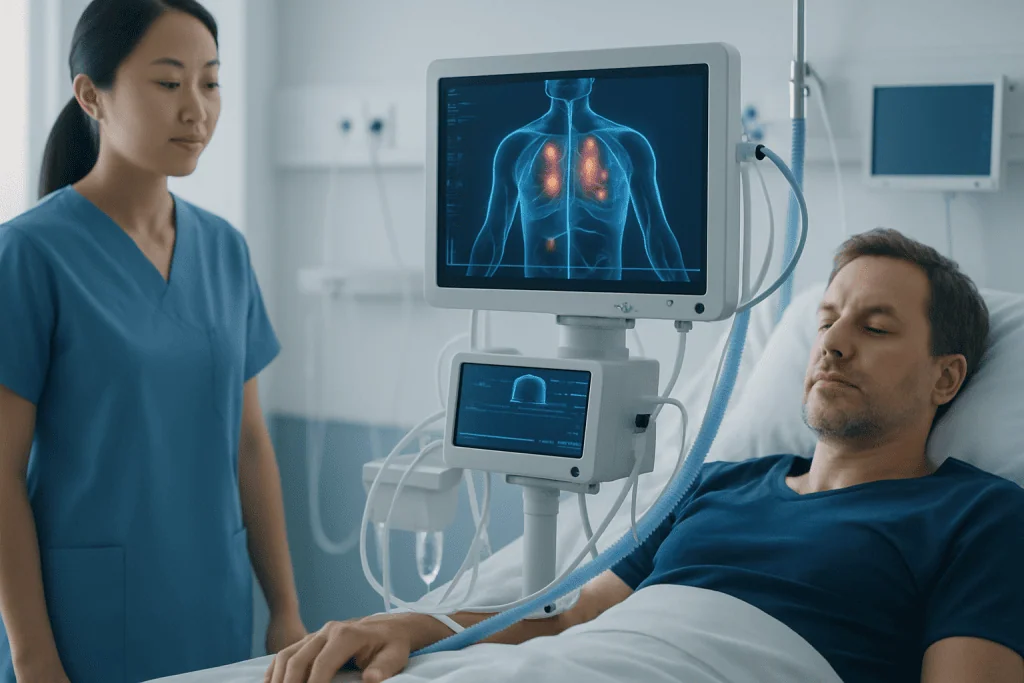
Sepsis usually starts with an infection caused by bacteria, but viruses, fungi, or parasites can also be involved. A person may first notice symptoms related to a local infection, such as cough and fever from pneumonia, burning with urination from a urinary tract infection, or redness and swelling from a skin wound. In some people, the infection remains limited. In others, the immune response becomes widespread and dysregulated.
As this response spreads through the body, blood vessels may leak, circulation may become less effective, and organs such as the kidneys, lungs, brain, and heart may be affected. This is why sepsis can cause symptoms far beyond the original infection site. A person may feel suddenly weak, confused, short of breath, or unusually sleepy.
Doctors assess sepsis by looking at the whole clinical picture rather than a single symptom or test. Because it can resemble other serious illnesses, timely evaluation is important. In some cases, sepsis develops very quickly over hours; in others, it worsens more gradually over a day or two.
Symptoms and warning signs

The signs of blood poisoning or sepsis can vary by age, overall health, and where the infection began. A person may have fever, chills, sweating, a fast heart rate, rapid breathing, or feel generally very unwell. Some people have a low body temperature instead of fever, especially older adults or people with weakened immune systems.
More concerning symptoms include confusion, trouble staying awake, dizziness, severe weakness, reduced urination, bluish or pale skin, and shortness of breath. Low blood pressure can make someone feel faint or collapse. These symptoms suggest that the infection may be affecting circulation or organ function and should be treated urgently.
In infants and young children, symptoms can be less specific. Parents may notice poor feeding, unusual sleepiness, irritability, breathing difficulty, fever, or a child who seems much less responsive than normal. Because symptoms can overlap with many illnesses, medical assessment is the safest approach when a child appears seriously unwell.
- Fever or unusually low temperature
- Fast breathing or shortness of breath
- Rapid heartbeat
- Confusion or altered mental state
- Extreme weakness, faintness, or reduced urine output
Causes and risk factors
Any infection can potentially lead to sepsis, but some sources are especially common. These include lung infections such as pneumonia in a broad clinical sense, urinary tract infections, abdominal infections, skin and soft tissue infections, and infected wounds. Medical devices such as catheters or IV lines can also become sources of infection in some settings.
Certain groups have a higher risk of developing sepsis. These include older adults, newborns, pregnant people, and those with chronic illnesses such as diabetes, kidney disease, liver disease, or cancer. People taking immune-suppressing medicines or living with conditions that weaken immunity may also be more vulnerable.
Recent surgery, hospitalization, severe burns, and invasive procedures can increase infection risk as well. Sepsis does not always begin from a dramatic illness; it can follow what first seems like a routine infection that worsens unexpectedly. This is why timely treatment of infections and careful follow-up matter.
Sometimes blood poisoning is confused with other bloodstream or clotting disorders. Although they can overlap in severe illness, sepsis is different from conditions such as deep vein thrombosis, which involves blood clots rather than infection.
How doctors diagnose blood poisoning
There is no single home test for blood poisoning. Diagnosis is based on symptoms, physical examination, vital signs, and tests that help identify infection and organ stress. Doctors may check temperature, blood pressure, heart rate, breathing rate, oxygen levels, mental status, and urine output to understand how the body is coping.
Blood tests often look for signs of infection, inflammation, clotting changes, kidney function, liver function, and acid-base imbalance. Blood cultures may help identify bacteria or fungi in the bloodstream, although not every patient with sepsis will have positive cultures. Urine tests, sputum tests, or swabs from wounds may also be used depending on the suspected source.
Imaging can be important when the infection source is not obvious. For example, a chest X-ray may help identify pneumonia, and ultrasound or CT scans may be used to examine the abdomen, kidneys, or soft tissues. In some situations, doctors may recommend advanced imaging such as MRI or CT scanning to locate hidden infection or assess complications.
The main goal is not only to confirm sepsis but also to find and treat the infection source quickly. Early recognition is one of the most important factors in improving recovery.
Treatment options and hospital care
Sepsis is treated as a medical emergency. Most patients need hospital care, and some require treatment in an intensive care unit. The first steps usually include oxygen if needed, intravenous fluids to support circulation, and prompt antibiotics when a bacterial infection is suspected. If the infection is caused by something else, treatment may be adjusted after test results are available.
Doctors also focus on controlling the source of infection. This may mean draining an abscess, removing an infected catheter, or treating an infected organ or wound. Supportive care can include medications to raise blood pressure, close monitoring of urine output, blood sugar management, and treatment for pain or fever.
If sepsis affects breathing, kidneys, or other organs, additional support may be necessary. Some patients need a ventilator, dialysis, or other intensive therapies while the infection and inflammation are brought under control. The exact treatment plan depends on the source of infection, the organs involved, and the person’s overall health.
Recovery may continue after the infection is controlled. Fatigue, weakness, poor concentration, sleep changes, and mood symptoms can persist for some time in some patients. Follow-up care is important to monitor healing and address any ongoing problems. At Acibadem International, multidisciplinary specialists in JCI-accredited hospitals evaluate and treat sepsis and serious infections for international patients when hospital-based care is needed.
Prevention and self-care
Not every case of sepsis can be prevented, but the risk can often be lowered. Good hand hygiene, up-to-date vaccinations, proper wound care, and timely treatment of infections are all important. People with chronic health conditions should follow their care plan closely and seek advice early if symptoms of infection develop.
At home, self-care should never replace urgent medical evaluation when sepsis is a possibility. Rest, fluids, and fever management may help with minor infections, but worsening symptoms need prompt assessment. Delaying care in the hope that symptoms will simply pass can be risky when someone becomes confused, breathless, faint, or unusually sleepy.
People who are recovering from surgery, living with diabetes, using urinary catheters, or receiving chemotherapy should be especially alert to signs of infection. They may be advised to monitor wounds, temperature, fluid intake, and urinary symptoms more closely. When in doubt, contacting a healthcare professional is safer than waiting.
Preventing severe infection may also involve addressing underlying conditions that affect general health. Supportive measures such as good nutrition, stopping smoking, and regular medical follow-up can help the body respond better to illness over time.
When to seek medical care
Urgent medical care is needed if a person with a known or suspected infection becomes confused, has trouble breathing, feels faint, develops severe weakness, stops passing much urine, or seems rapidly worse. Fever with a fast heartbeat and fast breathing can also be warning signs, especially in older adults, infants, and people with chronic illness or weak immunity.
It is also important to seek prompt care for infections that are not improving with treatment or that are causing spreading redness, increasing pain, persistent vomiting, dehydration, or new drowsiness. Patients should not try to diagnose sepsis on symptoms alone, because other conditions can look similar and all may require urgent care.
Emergency teams may act quickly with blood tests, monitoring, and treatment because sepsis can progress over a short time. Early evaluation is not an overreaction; it is the safest response when serious warning signs are present. If the infection source appears related to the chest or airways, doctors may also evaluate for conditions such as bronchoscopy when appropriate to identify or manage the underlying cause.
Frequently asked questions
Is blood poisoning the same as sepsis?
In everyday language, blood poisoning usually refers to sepsis. Sepsis is the body’s severe response to an infection, while the older phrase blood poisoning is not a precise medical diagnosis. Doctors generally prefer the term sepsis because it better explains what is happening.
Can blood poisoning happen without bacteria in the blood?
Yes. A person can develop sepsis even if blood cultures do not show bacteria in the bloodstream. The condition is defined by the body’s harmful response to infection and organ stress, not only by the presence of germs in blood tests.
What infections most often lead to blood poisoning?
Common triggers include pneumonia, urinary tract infections, abdominal infections, skin infections, and infected wounds. In some people, catheter-related infections or post-surgical infections can also lead to sepsis. Any infection that spreads or causes a strong inflammatory response has the potential to become serious.
How quickly can blood poisoning become dangerous?
Sepsis can worsen within hours, although some cases progress more gradually. Because timing is unpredictable, new confusion, breathing difficulty, faintness, or severe weakness should be treated as urgent warning signs. Early treatment is one of the best ways to reduce complications.
Can blood poisoning be treated successfully?
Many people recover, especially when diagnosis and treatment happen early. Treatment usually includes hospital care, fluids, antibiotics when appropriate, and support for any affected organs. Recovery time varies depending on the person’s age, general health, and how severe the illness became.
Who is at highest risk for blood poisoning?
Higher-risk groups include older adults, babies, pregnant people, and those with diabetes, cancer, kidney disease, or weakened immune systems. People recovering from surgery or living with medical devices such as catheters may also have increased risk. These groups should seek advice early if infection symptoms appear.
References
- World Health Organization
- Centers for Disease Control and Prevention
- National Institute of General Medical Sciences
- Surviving Sepsis Campaign
- Mayo Clinic
This article is for general information only and is not a substitute for professional medical advice. Please consult a qualified doctor about your individual situation.
Explore treatments in Turkey — costs, top hospitals & a free quote
JCI-accredited · board-certified surgeons · reply within 24h
Add us as a Preferred Source to see more of our trusted health content across Google Search, AI Overviews and Discover.
Check your numbers in seconds
BMI, calories, due date, blood pressure and 30+ more clinical calculators — free, instant, doctor-reviewed ranges.

More from the Health Library

Spray in Nose — Explained by Medical Evidence, Not Myths

Dmt Drug: A Complete Medical Overview

Beetroot: A Complete Medical Overview

Barium Enema — Explained by Medical Evidence, Not Myths

Chlorzoxazone — Explained by Medical Evidence, Not Myths