

Blurred Vision With Headache: When the Problem May Be Neurological

Blurred vision with headache is often harmless, but sudden or severe symptoms can signal a neurological emergency. Migraine with aura is a common cause, yet stroke, raised brain pressure, optic nerve problems, and infections must also be considered.
Key Takeaways
- Blurred vision with headache is often harmless, but sudden or severe symptoms can signal a neurological emergency.
- Migraine with aura is a common cause, yet stroke, raised brain pressure, optic nerve problems, and infections must also be considered.
- Warning signs include one-sided weakness, confusion, double vision, vision loss, severe sudden headache, or trouble speaking.
- Diagnosis may involve an eye exam, neurological exam, imaging, and blood tests depending on the symptoms.
- Treatment depends on the cause and may range from rest and migraine care to urgent hospital treatment.
Blurred vision with headache is common and is often linked to migraine, eye strain, or temporary visual disturbances. In some cases, however, it may point to a neurological problem involving the brain, optic nerves, or blood vessels and should be assessed promptly.
Overview
Blurred vision with headache is a symptom combination that can come from the eyes, the nervous system, or the body as a whole. Many people experience it during a migraine, after long screen use, or when tired or dehydrated. In these settings, symptoms may settle with rest, hydration, and routine medical care.
Sometimes, though, headache and blurred vision happen because the brain, optic nerves, or blood vessels are affected. This is why doctors pay close attention to how the symptoms began, how long they lasted, whether one or both eyes were involved, and whether other neurological signs are present. The pattern of symptoms often gives important clues.
Neuro-ophthalmology focuses on conditions where vision problems are related to the nervous system. This includes migraine aura, optic nerve inflammation, increased pressure inside the skull, stroke, and some brain tumors. A person does not need to assume the worst, but it is important not to ignore sudden or unusual symptoms.
In general, blurred vision with headache deserves prompt medical assessment if it is severe, new, recurring without explanation, or accompanied by other warning signs. Early evaluation can help identify treatable causes and reduce the risk of complications.
Symptoms and Warning Signs
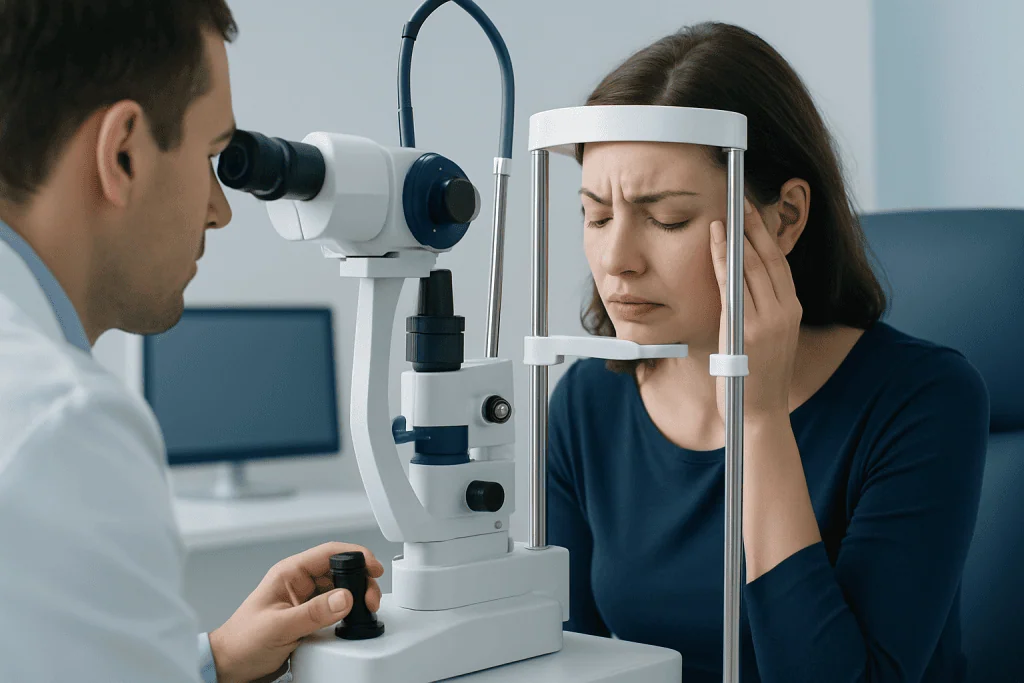
The term blurred vision can mean different things to different people. Some notice hazy vision, trouble focusing, loss of sharpness, blind spots, flashing lights, zigzag lines, double vision, or a curtain-like shadow. Headache may also vary widely, ranging from mild pressure around the eyes to severe throbbing pain with nausea and sensitivity to light.
Doctors often ask whether symptoms affected one eye or both eyes. Vision changes in one eye may suggest a problem in the eye itself or the optic nerve, while changes in both eyes may be related to migraine, blood pressure changes, or processes affecting the brain. The timing matters too: symptoms that build gradually over minutes can fit migraine aura, while sudden vision loss or sudden severe headache needs urgent attention.
Features that may point toward a neurological cause include trouble speaking, facial droop, weakness or numbness, poor balance, confusion, fainting, or seizures. Eye pain with movement, color vision changes, or double vision may also indicate involvement of the optic nerve or nerves controlling eye movement.
- Seek urgent care for a sudden “worst headache,” sudden vision loss, new double vision, or weakness on one side.
- Also seek prompt evaluation for headache with fever, stiff neck, confusion, or after a head injury.
- Persistent headache with worsening blurred vision, especially when lying down or on waking, should not be ignored.
Possible Causes, Including Neurological Conditions

One of the most common explanations is migraine, especially migraine with aura. Aura can cause flashing lights, shimmering patterns, blind spots, or blurry vision before or during the headache. Some people have visual aura without much head pain. Although migraine is common, a doctor may still need to confirm the diagnosis if symptoms are new, prolonged, or atypical.
Neurological causes also include transient ischemic attack and stroke, where blood flow to part of the brain is interrupted. These conditions may cause headache along with sudden vision changes, weakness, numbness, or speech difficulty. Less commonly, bleeding around the brain can cause abrupt severe headache and visual symptoms.
Problems affecting the optic nerve can also lead to blurred vision with headache. Optic neuritis, for example, may cause pain with eye movement and reduced vision, sometimes with washed-out colors. Raised intracranial pressure, including pseudotumor cerebri, can create headache, temporary visual obscurations, and double vision. Brain masses, infections, inflammation, and some autoimmune conditions are other possibilities.
Not every cause is neurological. Eye strain, uncorrected glasses prescriptions, dry eye, glaucoma, sinus problems, viral illnesses, high blood pressure, low blood sugar, and medication side effects may also produce these symptoms. Because the causes range from minor to serious, the overall symptom pattern is more important than any single symptom alone.
Risk Factors and Who May Be More Affected
Some people are more likely to develop blurred vision with headache because of underlying health conditions or personal history. A family history of migraine, a personal history of visual aura, or triggers such as stress, lack of sleep, dehydration, and hormonal changes may increase the chance of migraine-related symptoms.
Vascular risk factors become more important when doctors are concerned about stroke or transient ischemic attack. These include high blood pressure, diabetes, smoking, high cholesterol, obesity, heart rhythm problems, and older age. Pregnancy and the postpartum period can also change headache patterns and may raise the importance of urgent assessment in some situations.
Certain neurological and neuro-ophthalmic conditions have their own risk patterns. Raised intracranial pressure is seen more often in some younger adults, especially with recent weight gain. Autoimmune disorders may increase the risk of optic neuritis or inflammatory disease. Recent infection, immune changes, or head trauma can also be relevant.
Medication use matters as well. Some medicines can trigger headache, raise blood pressure, or affect vision. This is one reason clinicians review prescription drugs, over-the-counter products, and supplements when investigating symptoms.
How Doctors Diagnose the Cause
Evaluation begins with a careful history and physical examination. A doctor will ask when the headache started, whether the visual symptoms came before or after it, whether one or both eyes were involved, and whether symptoms were sudden or gradual. They will also ask about nausea, light sensitivity, weakness, speech changes, fever, trauma, and previous episodes.
An eye and neurological examination are both important. This may include checking visual acuity, pupils, eye movements, visual fields, blood pressure, reflexes, strength, coordination, and the back of the eye for swelling of the optic disc. In some cases, a dilated eye exam helps detect pressure-related changes or optic nerve disease.
Depending on the findings, tests may include blood work, visual field testing, and imaging such as MRI or CT scan. Imaging is especially helpful when symptoms are sudden, new, severe, or accompanied by neurological deficits. Some patients may need vascular imaging, lumbar puncture, or referral to neurology, ophthalmology, or neuro-ophthalmology.
The goal is not only to find the cause, but also to identify emergencies quickly. If stroke, infection, bleeding, or markedly increased intracranial pressure is suspected, evaluation is usually urgent and may need to happen in an emergency setting.
Treatment Options
Treatment depends entirely on the cause. If migraine is responsible, care may include trigger management, rest in a dark and quiet room, fluids, and medications recommended by a doctor for acute attacks or prevention. Some people benefit from keeping a symptom diary to identify sleep changes, stress, skipped meals, or certain foods as triggers.
If symptoms come from an eye problem, treatment may involve correcting vision, treating dry eye, or addressing conditions such as glaucoma. When an optic nerve or inflammatory condition is found, treatment may include specialist-directed therapies. Patients with recurring or unexplained visual symptoms are often referred for further assessment to protect long-term vision.
Urgent neurological causes require immediate treatment. Stroke care may involve rapid hospital evaluation and time-sensitive therapies, while severe raised intracranial pressure may need medications or procedures to reduce pressure and protect vision. In selected cases, further interventions such as brain tumor surgery may be considered if a structural cause is identified.
For people whose symptoms are complex or involve both visual and neurological features, coordinated care can be helpful. Near the end of the evaluation pathway, patients may be guided by multidisciplinary specialists; Acibadem International’s JCI-accredited hospitals provide diagnosis and treatment for international patients with neuro-ophthalmic and neurological conditions.
Prevention and Self-Care
Prevention starts with understanding the pattern of symptoms. People with migraine-related blurred vision and headache often benefit from regular sleep, consistent meals, good hydration, stress management, and reduced screen strain. Wearing the correct glasses prescription and taking breaks during close work may also help.
Managing general health can lower the risk of more serious causes. Blood pressure, blood sugar, and cholesterol should be checked as advised by a doctor. Avoiding smoking, staying physically active, and following treatment plans for existing medical conditions can support both brain and eye health.
It is also wise to review medications with a healthcare professional, especially if symptoms began after starting a new drug. People should avoid driving or operating machinery during active blurred vision, double vision, or severe headache. If symptoms are recurrent, a symptom diary noting timing, triggers, duration, and associated features can be very useful.
Self-care is helpful for mild, familiar symptoms, but it should never replace medical review when symptoms are new, severe, or changing. Repeated episodes of blurred vision with headache deserve proper diagnosis rather than assumption.
When to See a Doctor Urgently
Immediate medical attention is important if blurred vision with headache starts suddenly, is very severe, or feels different from usual headaches. This is especially true if there is weakness, numbness, trouble speaking, confusion, fainting, seizures, or a loss of coordination. These symptoms may suggest a stroke or another urgent neurological problem.
Sudden loss of vision in one or both eyes, new double vision, or headache after a head injury should also be treated as urgent. Headache with fever, neck stiffness, or a significantly altered mental state can indicate infection or inflammation that needs rapid care. A pregnant person with severe headache and visual symptoms should seek prompt medical assessment as well.
Even without emergency symptoms, a doctor should evaluate persistent or recurring episodes, especially if they are becoming more frequent or more intense. Ongoing headache with morning worsening, vomiting, or temporary dimming of vision when bending or standing may suggest raised intracranial pressure.
In short, blurred vision with headache is often manageable, but it should be taken seriously when the pattern is new or alarming. Early assessment is the safest way to rule out dangerous causes and start the right treatment.
Frequently asked questions
Is blurred vision with headache always a sign of a brain problem?
No. It is often related to migraine, eye strain, dehydration, or another non-neurological cause. However, if it is sudden, severe, or associated with weakness, speech trouble, or vision loss, urgent medical evaluation is important.
Can migraine cause blurred vision before the headache starts?
Yes. Migraine aura can cause shimmering lights, blind spots, zigzag patterns, or blurred vision before or during the headache. New or unusual aura symptoms should still be assessed by a doctor, especially if they last longer than expected or feel different from prior episodes.
What is the difference between blurry vision and double vision?
Blurry vision usually means images look out of focus or hazy. Double vision means seeing two images of one object, and it can be a more concerning neurological symptom, especially if it starts suddenly.
Should someone go to the emergency department for headache and blurred vision?
They should seek emergency care if the headache is sudden and severe, if there is sudden vision loss, or if symptoms occur with weakness, numbness, trouble speaking, confusion, seizure, or recent head injury. These features can point to serious conditions that need immediate treatment.
How do doctors test blurred vision with headache?
Doctors usually start with a medical history, blood pressure check, eye exam, and neurological exam. Depending on the findings, they may order imaging, blood tests, visual field testing, or refer the patient to specialists.
Can high blood pressure cause headache and blurred vision?
Yes, very high blood pressure can sometimes cause headache and visual symptoms. Because it can also increase the risk of stroke and other complications, it should be evaluated promptly, especially if readings are very high or symptoms are sudden.
References
- World Health Organization
- American Academy of Ophthalmology
- National Eye Institute
- American Stroke Association
- National Institute of Neurological Disorders and Stroke
This article is for general information only and is not a substitute for professional medical advice. Please consult a qualified doctor about your individual situation.
Explore treatments in Turkey — costs, top hospitals & a free quote
JCI-accredited · board-certified surgeons · reply within 24h
Add us as a Preferred Source to see more of our trusted health content across Google Search, AI Overviews and Discover.
Check your numbers in seconds
BMI, calories, due date, blood pressure and 30+ more clinical calculators — free, instant, doctor-reviewed ranges.

More from the Health Library



Related Specialists

Prof. Dr. Güldin Bingöl
Pediatric Allergy
Dt. Aslı Yetğın Yazar
Oral & Dental Health
Prof. Dr. Alper Özkan
Cardiology
Assoc. Prof. Dr. Hakan Yardımcı
General Surgery