Bone Doctor: Which Symptoms Should Prompt an Orthopedic Evaluation?

An orthopedic specialist treats bone, joint, muscle, tendon, and ligament problems. Pain that lasts, keeps returning, or interferes with daily life should not be ignored.
Key Takeaways
- An orthopedic specialist treats bone, joint, muscle, tendon, and ligament problems.
- Pain that lasts, keeps returning, or interferes with daily life should not be ignored.
- Swelling, stiffness, weakness, numbness, or limited movement can all be reasons to seek evaluation.
- Sudden injury, deformity, inability to bear weight, or severe pain needs prompt medical attention.
- Early diagnosis can help prevent complications and support more effective treatment.
A bone doctor, also called an orthopedic specialist, evaluates problems affecting bones, joints, muscles, ligaments, and tendons. Persistent pain, swelling, stiffness, weakness, or trouble moving are common signs that an orthopedic evaluation may be helpful.
Overview: What a Bone Doctor Does
A bone doctor is commonly known as an orthopedic doctor or orthopedist. This specialist diagnoses and treats conditions involving the musculoskeletal system, including bones, joints, cartilage, muscles, ligaments, and tendons. Orthopedic care may be needed for sudden injuries, long-term wear-and-tear conditions, sports injuries, back and neck problems, and symptoms that affect movement or daily comfort.
Many people are unsure whether their symptoms are serious enough to see an orthopedic specialist. In general, an evaluation is worth considering when pain, swelling, stiffness, weakness, or instability does not improve as expected, keeps coming back, or begins to limit work, exercise, sleep, or everyday activities. A bone doctor can assess the cause and recommend the most appropriate treatment plan.
Orthopedic evaluation does not always lead to surgery. In fact, many musculoskeletal problems improve with non-surgical treatment such as rest, physical therapy, medication, bracing, activity changes, or guided rehabilitation. The main goal is to identify the cause of symptoms, protect function, and help the person return safely to normal activity.
Symptoms That Should Prompt an Orthopedic Evaluation
Persistent pain is one of the most common reasons to see a bone doctor. Pain in the knee, hip, shoulder, back, neck, foot, ankle, wrist, or other joints that lasts more than a few days to weeks, or that repeatedly returns, deserves medical attention. Pain that is worse with walking, climbing stairs, lifting, reaching, or exercise may point to joint damage, tendon irritation, inflammation, or stress injury.
Swelling, stiffness, and reduced range of motion are also important warning signs. A joint that feels tight in the morning, becomes hard to fully bend or straighten, or appears swollen after light activity may need evaluation. These symptoms can occur with arthritis, bursitis, ligament injury, tendon problems, or overuse conditions. If movement becomes difficult or the joint feels unstable, an orthopedic assessment can help clarify the cause.
Weakness, numbness, tingling, or a feeling that a limb may “give way” should not be ignored. These symptoms can suggest nerve compression, muscle injury, severe joint disease, or spine-related problems. If there is trouble gripping, lifting, standing from a chair, walking normally, or bearing weight on one leg, medical review is especially important.
- Pain that lasts, worsens, or keeps returning
- Visible swelling, redness, or warmth around a joint
- Stiffness or loss of flexibility
- Locking, catching, clicking, or instability in a joint
- Difficulty walking, climbing stairs, or using the affected limb
- Weakness, numbness, or tingling linked to neck, back, or limb symptoms
Injuries and Conditions Commonly Seen by Orthopedic Specialists
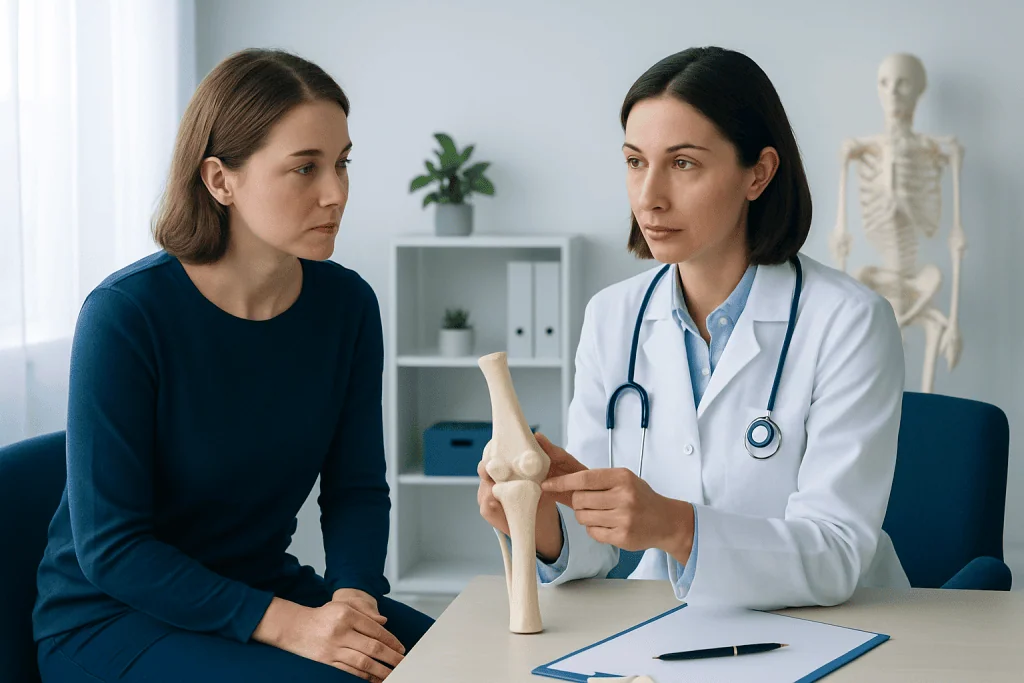
A bone doctor evaluates both acute injuries and chronic conditions. Common acute problems include fractures, sprains, dislocations, tendon tears, ligament injuries, and sports-related trauma. A person should seek prompt orthopedic care after a fall, twist, collision, or sudden movement if there is severe pain, rapid swelling, bruising, deformity, inability to move the area, or inability to bear weight.
Orthopedic specialists also manage ongoing conditions such as osteoarthritis, tendonitis, bursitis, scoliosis, herniated discs, spinal stenosis, and repetitive strain injuries. For example, chronic knee pain may be related to knee osteoarthritis, while shoulder pain may come from impingement or a rotator cuff problem. Back or neck pain may involve discs, joints, muscles, or nerves and sometimes requires more detailed evaluation when symptoms continue.
Children, athletes, older adults, and people with physically demanding jobs may have different risk factors, but the need for assessment is based mainly on symptoms and function. Repeated injuries, poor recovery after activity, and pain that interferes with sleep or mobility are often clues that the issue is more than a minor strain.
Causes and Risk Factors Behind Bone and Joint Symptoms
Orthopedic symptoms can develop for many reasons. Injuries are a frequent cause, especially in sports, heavy lifting, repetitive movements, falls, or accidents. Overuse can irritate tendons, muscles, and joints over time, even without one obvious injury. Age-related wear, reduced muscle support, and changes in cartilage or bone density may also contribute to discomfort and stiffness.
Some medical conditions increase the likelihood of orthopedic problems. Arthritis can cause inflammation, cartilage loss, pain, and reduced motion. Osteoporosis may weaken bones and raise fracture risk. Previous injuries can make a joint more prone to instability or early degeneration. Excess body weight, poor posture, prolonged sitting, weak core or leg muscles, and inadequate recovery after exercise can all place additional strain on the musculoskeletal system.
Risk is also influenced by occupation and lifestyle. Jobs that involve kneeling, climbing, carrying, or repetitive arm movements may lead to overuse injuries. Sedentary habits can be just as important because low activity may reduce strength, flexibility, and joint support. Recognizing these contributing factors helps guide treatment and prevention.
How an Orthopedic Evaluation Is Done
An orthopedic evaluation usually begins with a detailed discussion of symptoms, medical history, activity level, and any recent injury. The doctor will ask when the problem started, what makes it worse or better, whether symptoms affect sleep or mobility, and whether there are signs such as numbness, swelling, instability, or weakness. This information helps narrow down the most likely causes.
The physical examination may include checking posture, walking pattern, swelling, tenderness, joint motion, muscle strength, nerve function, and stability. Specific movement tests can help identify tendon tears, ligament injuries, arthritis, nerve compression, or spine-related conditions. The examination is often enough to guide the next steps, but imaging or tests may be needed to confirm the diagnosis.
Depending on the problem, the doctor may recommend X-rays, ultrasound, MRI, CT, or bone density testing. Blood tests are sometimes used when inflammation, infection, or another medical condition is suspected. Accurate diagnosis is important because pain in the same area can have different causes and may need very different treatments.
Treatment Options After Diagnosis
Treatment depends on the cause, severity, and impact of symptoms. Many orthopedic problems improve with conservative care. This may include temporary activity modification, cold or heat therapy, supportive braces, guided exercises, anti-inflammatory medicines when appropriate, and formal physical therapy. Rehabilitation is often central to improving strength, flexibility, balance, and joint control.
Injections may be considered for some conditions to reduce inflammation or pain in a targeted way. When joint damage is advanced, symptoms are severe, or conservative measures do not help enough, surgery may be discussed. Examples include arthroscopic procedures, fracture repair, ligament reconstruction, or joint replacement. For people with severe knee arthritis, a specialist may discuss knee replacement when pain and function are significantly affected.
Some conditions involve the spine or major joints and may require subspecialty care. For persistent disc-related symptoms, options can include evaluation for herniated disc surgery in carefully selected cases. Shoulder injuries such as tendon tears may sometimes need rotator cuff surgery if weakness and pain continue despite rehabilitation. Treatment decisions are individualized and based on symptoms, imaging findings, overall health, and patient goals.
Prevention, Self-care, and When to See a Doctor Urgently
Many bone and joint problems can be reduced with good daily habits. Regular exercise that builds strength, flexibility, and balance supports the joints and spine. Warm-up before sports, increase training gradually, use proper lifting technique, and wear appropriate footwear. At work or home, changing posture often and avoiding repetitive strain can also help protect the musculoskeletal system.
Self-care may be reasonable for mild symptoms that clearly improve with rest, short-term activity changes, and simple supportive measures. However, medical review is recommended if symptoms last longer than expected, repeatedly return, or interfere with normal life. Pain that wakes a person from sleep, increasing swelling, persistent limping, or reduced ability to use an arm or leg are all sensible reasons to arrange an orthopedic appointment.
Urgent medical attention is needed for suspected fractures, visible deformity, inability to bear weight, severe weakness after injury, fever with a hot swollen joint, or sudden loss of bladder or bowel control with back pain. These symptoms can indicate a more serious problem that should not be delayed. For international patients who need specialist assessment, Acibadem International’s multidisciplinary orthopedic teams in JCI-accredited hospitals diagnose and treat a wide range of musculoskeletal conditions.
Frequently asked questions
What is a bone doctor called?
A bone doctor is usually called an orthopedic doctor or orthopedist. This specialist treats conditions affecting bones, joints, muscles, ligaments, tendons, and sometimes the spine.
How do I know if my pain is serious enough for an orthopedic evaluation?
Pain should be evaluated if it lasts, keeps coming back, or affects walking, sleeping, exercise, or daily tasks. Swelling, stiffness, weakness, instability, numbness, or reduced movement are also good reasons to seek orthopedic advice.
Should I see an orthopedic doctor after a sports injury?
Yes, especially if there is severe pain, rapid swelling, bruising, a popping sensation, joint instability, or difficulty bearing weight. Sports injuries can involve ligaments, tendons, cartilage, or fractures that benefit from early diagnosis.
Do orthopedic specialists only treat broken bones?
No. They also evaluate arthritis, tendonitis, bursitis, back and neck pain, joint wear, muscle injuries, and overuse problems. Many people see an orthopedist for chronic pain or movement problems rather than fractures.
Will an orthopedic evaluation always mean surgery?
No, surgery is only one possible treatment. Many orthopedic problems improve with physical therapy, exercise programs, braces, medication, injections, and changes in activity or posture.
When should bone and joint symptoms be treated as urgent?
Urgent care is important for visible deformity, suspected fracture, inability to bear weight, severe pain after injury, or a hot swollen joint with fever. Sudden weakness, numbness, or loss of bladder or bowel control with back pain also needs prompt medical attention.
References
- American Academy of Orthopaedic Surgeons
- National Institute of Arthritis and Musculoskeletal and Skin Diseases
- National Health Service
- Mayo Clinic
- World Health Organization
This article is for general information only and is not a substitute for professional medical advice. Please consult a qualified doctor about your individual situation.
Joint and spine care in Turkey — expert assessment & treatment
JCI-accredited · board-certified surgeons · reply within 24h
Add us as a Preferred Source to see more of our trusted health content across Google Search, AI Overviews and Discover.

Orthopedics & Spine
Care for bones, joints and the musculoskeletal system, including joint replacement, sports injuries and trauma.
125 specialists in this unitMore from the Health Library



Related Specialists

Assoc. Prof. Dr. Aras Şenvar
Otorhinolaryngology
Dr. Hatice Kübra Karasu
Emergency Service
Prof. Dr. Ahmet Ayık
Emergency Service
Prof. Dr. Sedef Şahin
Dermatology