Brain Games: An Evidence-Based Guide for Patients
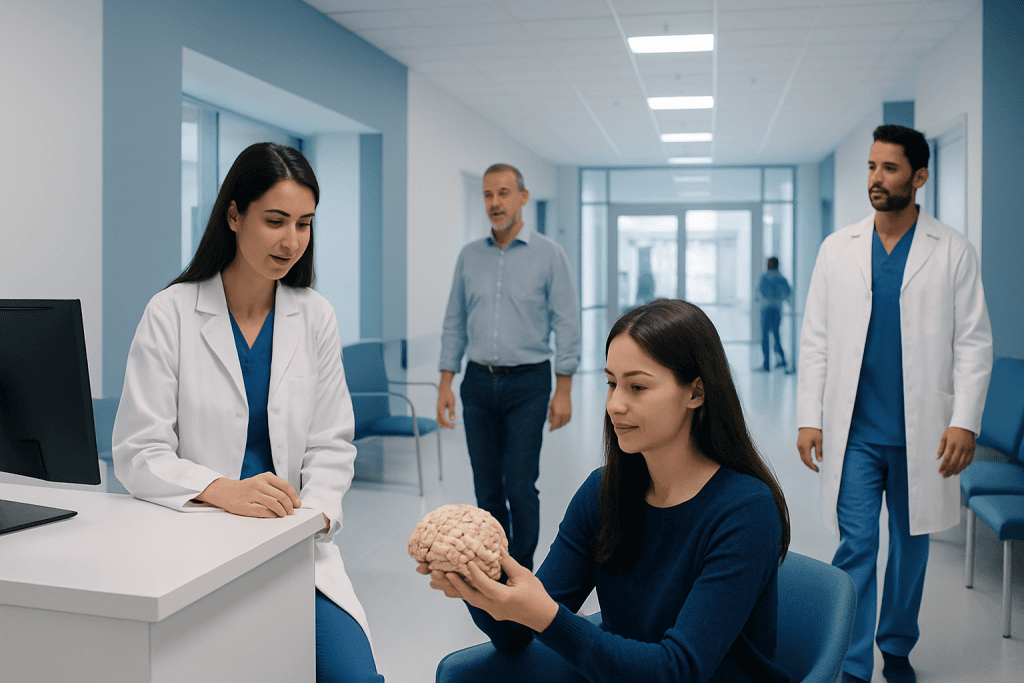
Brain games may improve performance on practiced tasks, but they do not replace healthy lifestyle habits. There is no strong evidence that brain games alone prevent dementia or stop cognitive decline.
Key Takeaways
- Brain games may improve performance on practiced tasks, but they do not replace healthy lifestyle habits.
- There is no strong evidence that brain games alone prevent dementia or stop cognitive decline.
- The most effective approach to brain health combines mental activity with exercise, sleep, nutrition, and social engagement.
- Sudden memory loss, confusion, language problems, or personality changes should be evaluated by a doctor.
- Choosing enjoyable, varied, and appropriately challenging activities is more helpful than relying on one app or puzzle.
Brain games can be a useful way to challenge attention, memory, and problem-solving, but current evidence suggests their benefits are usually strongest for the tasks being practiced. For overall brain health, they work best as one part of a broader plan that includes physical activity, sleep, social connection, and medical care when needed.
Overview: what brain games can and cannot do
Brain games are activities designed to challenge mental skills such as attention, memory, processing speed, language, and problem-solving. They may include digital apps, card and board games, word puzzles, number puzzles, memory tasks, strategy games, and structured cognitive exercises. Many people use them to stay mentally active, improve concentration, or support healthy aging.
The most evidence-based way to think about brain games is that they can help people practice specific cognitive skills. For example, someone who regularly does attention tasks may become faster or more accurate on similar tasks. However, improvement on a practiced exercise does not always mean broad improvement in everyday thinking, work performance, or long-term protection against neurological disease.
Current research does not show that brain games alone can prevent dementia. Brain health is influenced by many factors, including age, genetics, education, cardiovascular health, hearing, sleep, mood, physical activity, and social engagement. Brain games can be one helpful tool, but they are not a stand-alone medical treatment.
For patients and families, a balanced message is most useful: brain games are generally safe, can be enjoyable and motivating, and may support mental engagement. They are most valuable when used alongside healthy daily habits and proper evaluation of memory or thinking changes when these arise.
How brain games may help cognitive function
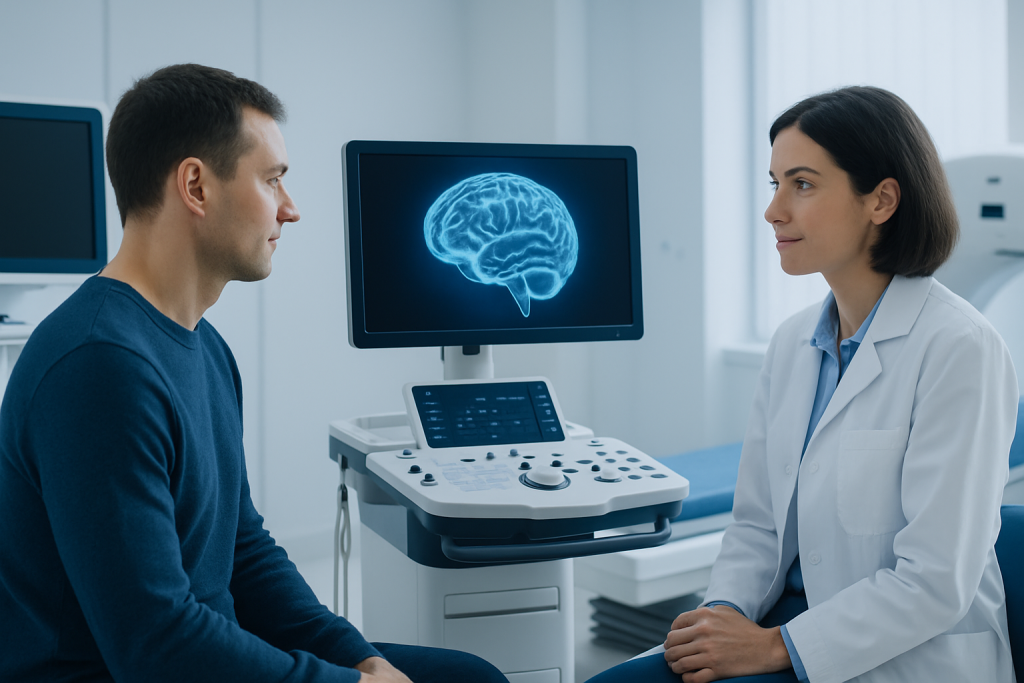
Different brain games train different mental abilities. Some focus on short-term memory, such as remembering words, symbols, or locations. Others target planning, mental flexibility, visual-spatial skills, or reaction speed. Repeated practice can strengthen familiarity with the task and may improve efficiency in the targeted skill.
Many people also benefit from the structure of regular cognitive activity. Setting aside time for mentally demanding tasks may support focus, confidence, and a sense of routine. Enjoyable activities are especially important because people are more likely to continue them over time.
Brain games may be particularly useful when they are varied and meaningful. Examples include learning a language, practicing a musical instrument, doing strategy-based games, reading with active note-taking, or taking part in group activities that combine social interaction with mental challenge. These may engage the brain more broadly than repeating a single type of puzzle every day.
In some situations, targeted cognitive exercises may be recommended as part of rehabilitation or specialist care. For example, a neurologist or neuropsychologist may suggest structured training after an illness or brain injury, especially when combined with a personalized treatment plan.
What the evidence says: benefits, limits, and common myths

The strongest evidence suggests that brain games can improve performance on the tasks being practiced, a concept sometimes called task-specific benefit. A person may become better at a memory drill, a speed task, or a pattern-recognition game through repetition. This is a real effect, but it is often narrower than marketing claims suggest.
A common myth is that a few minutes of app-based training each day can broadly “boost IQ” or prevent serious memory disorders. At present, evidence does not support these claims in a general way. Dementia risk reduction is more strongly linked to management of blood pressure, diabetes, cholesterol, hearing loss, smoking, sleep, depression, and physical inactivity than to any single game or puzzle.
Another important point is that normal forgetfulness is not the same as disease. Misplacing items occasionally or forgetting a name can happen to many healthy adults, especially during stress, poor sleep, or busy periods. By contrast, persistent and progressive changes in memory, language, judgment, or daily functioning deserve medical attention and may require evaluation for conditions such as Alzheimer’s disease or other causes of cognitive impairment.
Patients should also be cautious about overinterpreting scores from commercial apps. These scores may reflect familiarity with the game more than a person’s overall brain health. Formal cognitive concerns are best assessed by a qualified clinician using a medical history, examination, and, when appropriate, neuropsychological testing.
Who may benefit most from brain games
Brain games can be appropriate for many age groups when used in realistic ways. Healthy adults may enjoy them as part of lifelong learning and mental stimulation. Older adults may use them to stay engaged and maintain routines that support cognitive wellness. Children and teenagers may benefit from challenging learning activities, though unstructured play, sleep, school participation, and physical activity remain equally important.
People recovering from certain medical conditions may also use cognitive exercises under professional guidance. After stroke, traumatic brain injury, or some neurological illnesses, clinicians sometimes recommend individualized cognitive rehabilitation to address attention, memory, or executive function. In those cases, the exercises are chosen for the person’s needs rather than for entertainment alone.
Some people are more likely to notice improvement than others. Benefits can depend on baseline cognitive function, education, motivation, mood, sleep quality, vision and hearing, and consistency of practice. Depression, anxiety, pain, medication effects, and poor sleep can all affect thinking and concentration, so addressing these factors may be just as important as doing mental exercises.
People who already have noticeable memory loss should not rely on self-directed brain games as a substitute for assessment. If symptoms are interfering with work, medication management, finances, driving, or communication, professional evaluation is more important than continuing to train through apps or puzzles alone.
How to use brain games in a brain-healthy routine
The most effective way to use brain games is to place them within a broader brain-health plan. Regular aerobic exercise supports blood flow, cardiovascular health, sleep, and mood, all of which are closely linked to cognitive function. A balanced eating pattern, social contact, treatment of hearing or vision problems, and control of medical conditions such as hypertension and diabetes also matter.
Good sleep deserves special attention. Memory consolidation, attention, and emotional regulation are all affected by sleep quality. Someone who is sleeping poorly may feel mentally slower regardless of how often they use cognitive apps. In the same way, untreated depression or chronic stress can reduce concentration and make memory feel worse.
For day-to-day practice, it is reasonable to choose activities that are enjoyable, varied, and slightly challenging without being frustrating. Helpful options may include:
- Word, logic, or number puzzles
- Reading and discussing books or articles
- Learning a new skill, language, or instrument
- Board games or card games that require planning
- Memory exercises combined with real-life strategies, such as calendars and lists
- Group classes that combine social and mental engagement
Patients with known neurological conditions may benefit from a more structured plan. Depending on the cause, doctors may recommend assessment by neurology, rehabilitation, or psychology specialists, and in selected cases support such as neurological rehabilitation or advanced evaluation for symptoms affecting daily life.
When memory problems may signal something more serious
Not all cognitive changes are due to aging. Persistent memory loss, confusion, changes in speech, trouble finding familiar places, difficulty managing usual tasks, poor judgment, or personality change can suggest an underlying medical issue. Sometimes the cause is reversible, such as medication side effects, vitamin deficiency, thyroid disease, infection, sleep apnea, depression, or hearing loss.
In other cases, symptoms may relate to neurological conditions that need prompt attention. These include stroke, dementia, seizure disorders, brain tumors, or inflammatory conditions. A sudden change in mental status is especially important and may require urgent medical care. Patients with abrupt weakness, facial droop, difficulty speaking, severe headache, or confusion should be treated as a medical emergency because these can be signs of stroke.
Doctors evaluate cognitive symptoms through history-taking, physical and neurological examination, medication review, and sometimes blood tests or brain imaging. Depending on the situation, a person may need formal memory assessment or imaging such as MRI to look for structural causes. The goal is not only to identify disease but also to find treatable factors that may improve thinking and quality of life.
For international patients needing assessment of memory, concentration, or neurological symptoms, Acibadem International’s multidisciplinary specialists and JCI-accredited hospitals provide diagnosis and treatment pathways tailored to the individual clinical picture.
When to seek medical care
Medical advice should be sought if memory or thinking problems are new, worsening, or affecting daily activities. Examples include getting lost in familiar places, repeating the same questions, missing medications, struggling with bills, increasing confusion, or changes noticed by family members. These symptoms do not always mean dementia, but they should not be ignored.
Urgent care is needed for sudden confusion, slurred speech, new weakness, severe headache, seizures, fainting, or sudden personality change. These may signal an acute neurological emergency rather than routine forgetfulness. Fast evaluation can be important for safety and treatment options.
Patients should also discuss concerns if concentration problems occur with depression, anxiety, poor sleep, head injury, or chronic medical illness. In some situations, further evaluation may include consultation with specialists, brain imaging such as brain MRI, or treatment of an underlying condition. If symptoms suggest a progressive memory disorder, doctors may also assess for dementia and other causes of cognitive decline.
Even when symptoms are mild, early evaluation can be helpful. It may reassure the patient, identify reversible issues, and create a practical plan for monitoring, lifestyle measures, and follow-up.
Frequently asked questions
Do brain games really work?
Brain games can work for the specific skills they train, such as attention, memory drills, or processing speed tasks. However, their effects are usually most noticeable on similar exercises rather than on every aspect of everyday thinking.
Can brain games prevent dementia?
There is no strong evidence that brain games alone prevent dementia. Risk reduction is more strongly supported by controlling vascular risk factors, staying physically active, sleeping well, and remaining socially and mentally engaged.
Which brain games are best for adults?
The best brain games are usually the ones a person will do regularly and enjoy. Variety is helpful, so many experts favor combining puzzles or apps with reading, learning new skills, strategy games, and social activities.
How often should someone do brain games?
There is no single ideal schedule for everyone. A practical approach is regular, moderate practice that feels challenging but not exhausting, combined with exercise, sleep, and healthy daily habits.
Are brain game apps better than traditional puzzles?
Not necessarily. Digital apps can be convenient and track progress, while traditional puzzles, board games, and real-world learning can be just as valuable. The most important factor is consistent mental engagement rather than the format alone.
When should memory problems be checked by a doctor?
A doctor should evaluate memory problems if they are new, getting worse, or interfering with daily life. Urgent medical care is needed for sudden confusion, speech problems, weakness, severe headache, or other abrupt neurological symptoms.
This article is for general information only and is not a substitute for professional medical advice. Please consult a qualified doctor about your individual situation.
Explore treatments in Turkey — costs, top hospitals & a free quote
JCI-accredited · board-certified surgeons · reply within 24h
Add us as a Preferred Source to see more of our trusted health content across Google Search, AI Overviews and Discover.
Check your numbers in seconds
BMI, calories, due date, blood pressure and 30+ more clinical calculators — free, instant, doctor-reviewed ranges.

More from the Health Library

Fingernails and Health: What Patients Need to Know

How to increase hemoglobin? A Doctor-Reviewed Answer

Advantages of Earl Grey Tea: What Patients Need to Know
Hand Xray: A Complete Medical Overview

Palinopsia: A Complete Medical Overview