Brain Infections: Signs That Need Urgent Neuroinfectious Disease Care

Brain infections may involve the brain tissue, the membranes around the brain and spinal cord, or collections of infection such as abscesses. Warning signs include severe headache, fever, confusion, neck stiffness, seizures, new weakness, and changes in consciousness.
Key Takeaways
- Brain infections may involve the brain tissue, the membranes around the brain and spinal cord, or collections of infection such as abscesses.
- Warning signs include severe headache, fever, confusion, neck stiffness, seizures, new weakness, and changes in consciousness.
- Diagnosis often requires urgent blood tests, brain imaging, and sometimes lumbar puncture to identify the cause.
- Treatment depends on the type of infection and may include antiviral, antibiotic, antifungal, or surgical care.
- Anyone with sudden neurological symptoms plus fever or severe headache should seek immediate medical attention.
Brain infections are serious illnesses that affect the brain, its lining, or nearby tissues and usually need urgent medical evaluation. Early recognition and treatment can reduce the risk of complications and improve recovery.
Overview
Brain infections are infections that affect the brain, the protective membranes around it, or nearby structures. Common examples include meningitis, encephalitis, and a brain abscess. Although these conditions are not all the same, they share one important feature: they can affect vital brain functions and often need urgent specialist care.
Infections can be caused by viruses, bacteria, fungi, parasites, or, more rarely, other microorganisms. The source may begin elsewhere in the body, such as the ears, sinuses, lungs, or bloodstream, and then spread to the central nervous system. In some cases, the infection develops after head trauma, neurosurgery, or in people whose immune systems are weakened.
Symptoms may develop quickly over hours or more gradually over days, depending on the cause. Because early signs can sometimes resemble flu, migraine, or another common illness, it is important to pay attention to warning features such as fever with confusion, seizures, neck stiffness, or new weakness. These signs should not be ignored.
Prompt diagnosis matters because treatment is most effective when started early. If a brain infection is suspected, doctors may involve specialists in infectious diseases, neurology, neuroradiology, intensive care, and sometimes neurosurgery to guide treatment safely and quickly.
Symptoms and Urgent Warning Signs
The symptoms of brain infections vary according to which part of the nervous system is affected and what organism is responsible. Some people develop symptoms suddenly, while others become unwell more gradually. Early symptoms can include fever, headache, tiredness, nausea, vomiting, and sensitivity to light.
As the infection affects the brain or its lining, neurological symptoms may appear. These can include confusion, unusual sleepiness, irritability, trouble speaking, difficulty walking, seizures, personality changes, new weakness or numbness, and loss of consciousness. In infants, signs may be less specific, such as poor feeding, a weak cry, unusual irritability, or lethargy.
Neck stiffness is a classic sign of meningitis, but it is not present in every case. Encephalitis, which affects the brain tissue itself, may be more likely to cause behavior changes, memory problems, seizures, or reduced alertness. A brain abscess can also cause focal symptoms such as weakness on one side, speech difficulty, or worsening headaches.
- Severe or rapidly worsening headache
- Fever with confusion or unusual drowsiness
- Seizures, especially without a known cause
- New weakness, numbness, speech trouble, or facial droop
- Neck stiffness with fever
- Reduced consciousness or difficulty waking the person
These warning signs need immediate medical attention. Emergency evaluation is especially important if symptoms are sudden, severe, or accompanied by a rash, recent infection, head injury, or immune system problems.
Types, Causes, and Risk Factors

Different brain infections have different causes. Meningitis is inflammation of the membranes around the brain and spinal cord, often due to viral or bacterial infection. Encephalitis is inflammation of the brain tissue itself and is frequently linked to viruses. A brain abscess is a pocket of pus caused most often by bacteria, though fungi and parasites can also be responsible in some situations.
Bacteria may reach the brain from the bloodstream or from nearby infections such as sinusitis, mastoiditis, or a dental infection. Viruses may spread after a common viral illness or reactivate from a dormant state, as can happen with herpes viruses. Fungal infections are less common but can occur in people with weakened immunity, including those receiving chemotherapy, organ transplant medicines, or high-dose steroids.
Risk factors include extremes of age, an impaired immune system, chronic medical conditions, recent neurosurgery, skull fracture, implanted devices, and travel or exposure history that increases the chance of unusual infections. In some people, there is no obvious risk factor, which is one reason why concerning symptoms should always be assessed promptly.
Vaccination has reduced some causes of serious central nervous system infection, but it does not prevent every form. Good management of ear, sinus, and lung infections, careful wound care after head injury, and early treatment of bloodstream infections can also help reduce risk.
How Brain Infections Are Diagnosed
Doctors diagnose brain infections by combining the medical history, physical examination, neurological assessment, blood tests, imaging, and sometimes analysis of cerebrospinal fluid. Because these conditions can worsen quickly, testing often begins urgently, sometimes at the same time as treatment.
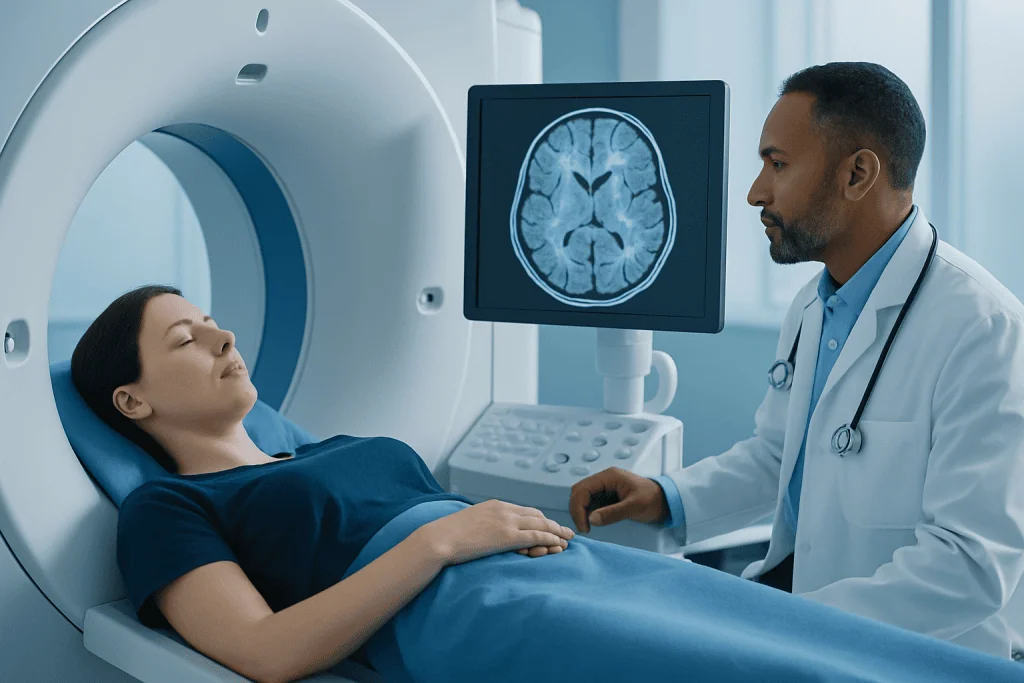
Blood tests may look for signs of inflammation or infection and may include blood cultures to help identify bacteria or fungi. Brain imaging is commonly used to look for swelling, inflammation, bleeding, or an abscess. MRI can be especially helpful in showing changes in brain tissue, while CT scan may be used quickly in emergency settings.
A lumbar puncture, also called a spinal tap, can be an important test in suspected meningitis or encephalitis. It allows doctors to examine cerebrospinal fluid for cells, protein, glucose, and signs of infection. However, this test may be delayed if imaging is needed first to make sure it can be done safely.
In some cases, more specialized tests are needed, such as polymerase chain reaction testing for viruses, antibody studies, electroencephalography for seizures, or cultures from another source of infection. If an abscess or severe swelling is suspected, input from neurosurgery may be needed as part of diagnosis and management.
Treatment Options
Treatment depends on the cause, the area affected, and how unwell the person is. Because delays can be harmful, doctors may start treatment before all test results are available. For example, suspected bacterial meningitis is usually treated urgently with intravenous antibiotics, while some forms of encephalitis may need antiviral medicine.
Supportive care is also very important. This may include fluids, fever control, careful monitoring of breathing and blood pressure, treatment of seizures, and management of brain swelling. Some patients need care in a hospital ward, while others require close monitoring in an intensive care unit.
If a fungal or parasitic infection is identified, treatment is tailored accordingly. A brain abscess may require antibiotics alone or a procedure to drain the collection, depending on its size, location, and effect on the surrounding brain. When present, the original source of infection, such as sinus disease or a bloodstream infection, also needs treatment.
Recovery can continue after the infection itself has improved. Some people need rehabilitation for problems with balance, speech, memory, or strength. In complex cases, a coordinated team approach is valuable. Acibadem International’s multidisciplinary specialists in JCI-accredited hospitals diagnose and treat brain infections for international patients when advanced neurological and infectious disease care is needed.
Prevention and Self-Care
Not every brain infection can be prevented, but several steps can lower risk. Keeping recommended vaccinations up to date is one of the most effective measures, especially for infections that can lead to meningitis. Good hand hygiene, respiratory hygiene, and avoiding close contact with someone who has a contagious infection can also help.
Prompt treatment of infections elsewhere in the body matters. Ear infections, sinus infections, severe dental infections, and pneumonia should not be ignored, particularly if symptoms are persistent or severe. People with conditions that weaken immunity should follow their doctor’s advice carefully and seek help early if fever or neurological symptoms develop.
Self-care at home is not enough when a brain infection is suspected. Rest, fluids, and over-the-counter medicines may ease mild viral symptoms, but they should not delay urgent assessment if headache is severe, fever is high, or there are neurological changes. Driving should be avoided if there is confusion, fainting, or seizure activity.
After treatment, follow-up is important. Some people feel tired or notice concentration problems for weeks or months. Doctors may recommend neurological follow-up, hearing tests after meningitis in some cases, or rehabilitation therapies to support recovery and a safe return to usual activities.
When to See a Doctor
Medical help should be sought urgently for any possible brain infection. A person should go to emergency care without delay if there is fever with severe headache, confusion, neck stiffness, seizure, fainting, new weakness, or trouble speaking. These symptoms can also occur with stroke or other neurological emergencies, so quick assessment is essential.
Parents and caregivers should seek immediate help for infants or children who are very sleepy, difficult to wake, feeding poorly, breathing unusually, having a seizure, or developing a bulging soft spot, persistent vomiting, or an unusual rash along with fever. Older adults and people with weakened immunity may show more subtle symptoms, such as confusion or marked fatigue, and still need urgent evaluation.
It is also wise to contact a doctor promptly after recent head injury, neurosurgery, or a known infection elsewhere in the body if new neurological symptoms appear. A recent history of travel, tick exposure, animal bites, tuberculosis exposure, or immune-suppressing treatment can provide important clues and should be mentioned to the medical team.
Early assessment does not always mean a serious diagnosis, but it is the safest approach. Fast treatment, when needed, can reduce complications and support a better recovery.
Frequently asked questions
What is the difference between meningitis and encephalitis?
Meningitis is inflammation of the membranes that cover the brain and spinal cord, while encephalitis is inflammation of the brain tissue itself. Both can be caused by infections and may share symptoms, but encephalitis is often more strongly associated with confusion, behavior changes, and seizures.
Can a brain infection start like the flu?
Yes. Early symptoms can include fever, headache, body aches, tiredness, nausea, and feeling generally unwell. The concern rises when neurological symptoms develop, such as confusion, neck stiffness, severe headache, seizures, or new weakness.
Are brain infections contagious?
Some infections that lead to brain inflammation can spread from person to person, while others cannot. For example, certain viral and bacterial infections are contagious, but a brain abscess itself is not usually passed directly between people. Doctors can advise on whether precautions or preventive treatment are needed for close contacts.
How quickly do brain infections need treatment?
They often need treatment as quickly as possible, sometimes before the exact cause is confirmed. Early treatment is important because some brain infections can worsen over hours and may lead to serious complications if delayed.
Can someone recover fully from a brain infection?
Many people recover well, especially when diagnosis and treatment happen early. Recovery time varies, and some people may need follow-up care for fatigue, memory issues, hearing changes, seizures, or weakness after the infection has improved.
Who is at higher risk for brain infections?
Infants, older adults, and people with weakened immune systems are generally at higher risk. Recent neurosurgery, head injury, chronic illness, or infections in nearby areas such as the ears or sinuses can also increase the chance of a brain infection.
References
- World Health Organization
- Centers for Disease Control and Prevention
- National Institute of Neurological Disorders and Stroke
- NHS
- Infectious Diseases Society of America
This article is for general information only and is not a substitute for professional medical advice. Please consult a qualified doctor about your individual situation.
Explore treatments in Turkey — costs, top hospitals & a free quote
JCI-accredited · board-certified surgeons · reply within 24h
Add us as a Preferred Source to see more of our trusted health content across Google Search, AI Overviews and Discover.