Breast Augmentation: What Is Normal, What Is Not, and When to Seek Care

Early swelling, soreness, bruising, and a high or firm breast shape can be normal after breast augmentation. Recovery is gradual, and implants often settle over weeks to months rather than days.
Key Takeaways
- Early swelling, soreness, bruising, and a high or firm breast shape can be normal after breast augmentation.
- Recovery is gradual, and implants often settle over weeks to months rather than days.
- Warning signs include fever, increasing redness, sudden swelling, severe pain, drainage, or breathing symptoms.
- Not every change means a complication, but new, worsening, or one-sided symptoms deserve medical advice.
- Follow-up visits, proper wound care, and activity restrictions help support safe healing.
After breast augmentation, some swelling, tightness, bruising, and temporary changes in breast shape are expected during healing. Symptoms such as worsening pain, fever, spreading redness, sudden swelling, or major asymmetry are not considered normal and should be assessed by a qualified doctor.
Overview: what is normal after breast augmentation?
Breast augmentation is a surgical procedure that increases breast volume or changes breast shape, most often with implants and sometimes with fat transfer. In the first days and weeks after surgery, it is normal for the breasts to look different from the final result. Swelling, bruising, tightness, mild to moderate discomfort, and a breast position that seems high or firm can all be part of expected healing.
Many people worry that every asymmetry or unusual sensation means something has gone wrong. In reality, recovery is not perfectly even from side to side, and the breasts may soften and settle at different speeds. Mild differences in swelling, nipple sensitivity, and firmness are common early on, especially if chest muscles were involved during implant placement.
What is not normal is a pattern of symptoms that is worsening instead of gradually improving. A breast that suddenly becomes much larger, markedly red, very painful, hot to the touch, or associated with fever needs prompt medical review. The same is true for shortness of breath, chest pain, or significant drainage from the incision.
Because healing depends on the surgical technique, the type of implant or graft used, and the person’s overall health, the surgeon’s aftercare plan matters. General information can help patients know what to expect, but their own post-operative instructions should guide day-to-day recovery after breast augmentation surgery.
Expected symptoms and how recovery usually progresses
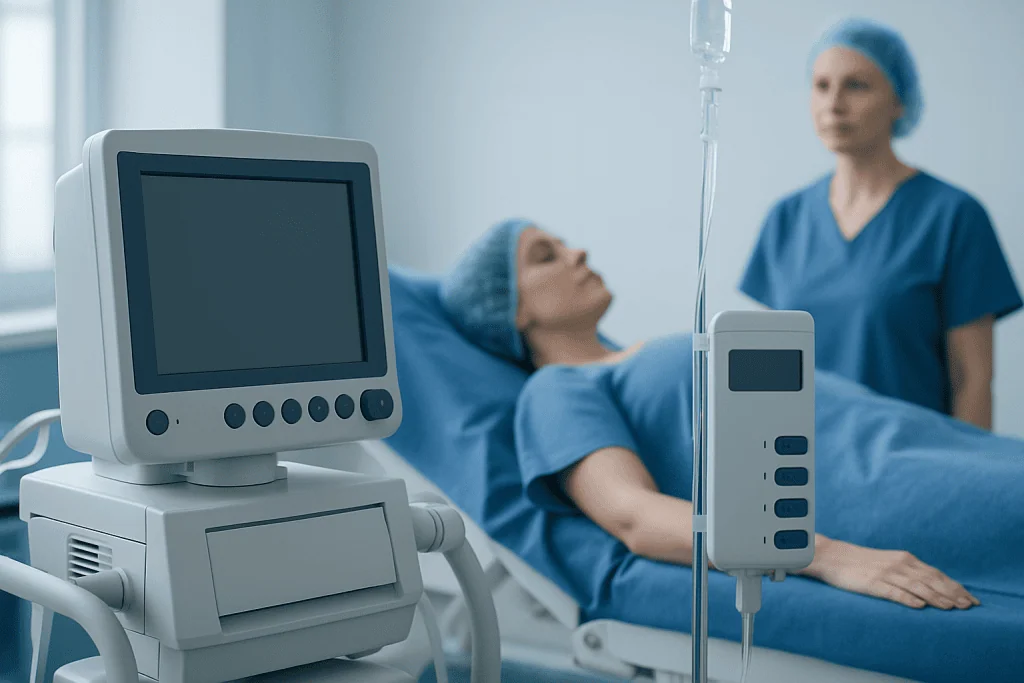
During the first few days, the most common symptoms are soreness, pressure, fatigue, and swelling. The chest may feel tight, and arm movements can be uncomfortable. Bruising around the breasts or lower chest is also common. These symptoms usually begin to ease gradually, though some swelling can last for several weeks.
Breast shape often changes over time. Early after surgery, the implants may sit high, the upper breast may look fuller than expected, and the lower breast may appear less rounded. This does not automatically indicate a problem. As tissues relax and swelling decreases, the breasts usually soften and settle into a more natural position over the following weeks or months.
Sensation changes are also common. Nipples or breast skin may feel more sensitive, less sensitive, numb, tingling, or intermittently sharp as nerves recover. These changes are often temporary, though in some people they can last longer. Small differences between the right and left breast are also common during healing.
Other expected parts of recovery may include:
- A feeling of heaviness or fullness in the chest
- Mild itching as incisions heal
- Temporary difficulty sleeping comfortably on the back
- Visible scars that are pink or firm at first and fade gradually over time
What is not normal: warning signs of possible complications
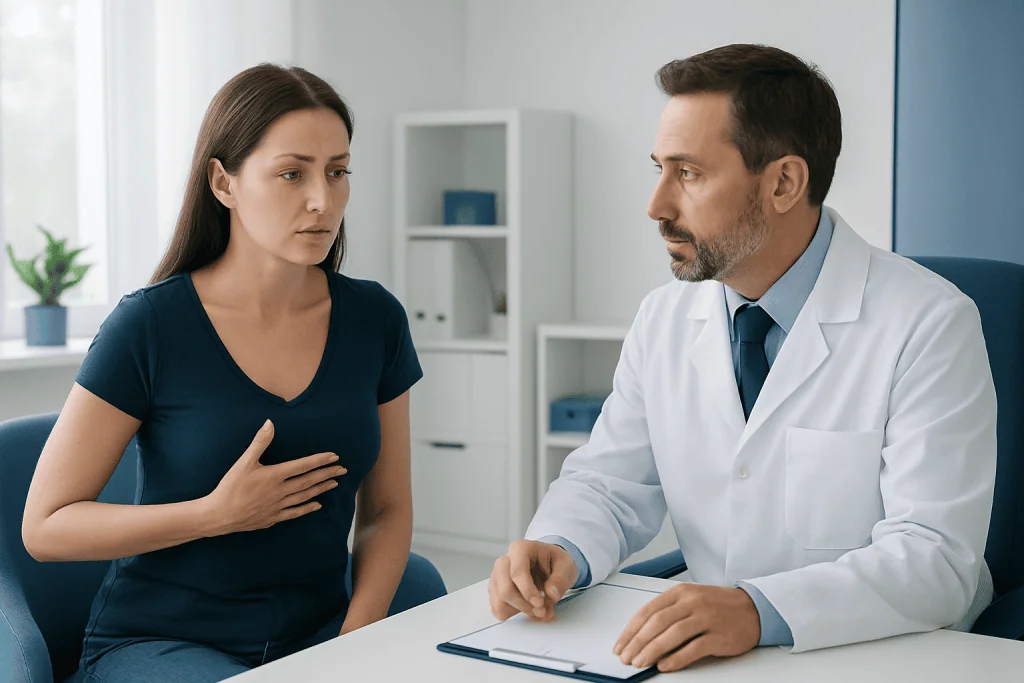
Although most people recover without major problems, breast augmentation, like any surgery, carries risks. Warning signs include increasing pain rather than improving pain, a rapidly enlarging breast, significant one-sided swelling, skin that becomes increasingly red or hot, or drainage that looks cloudy, foul-smelling, or bloody after the early post-operative period. These symptoms can point to bleeding, fluid collection, or infection.
Fever, chills, or feeling generally unwell should also not be ignored. Infection may involve the incision, deeper tissue around the implant, or the surrounding skin. A wound that opens, darkens, or fails to heal normally also needs assessment. Patients who notice these changes should contact their surgical team promptly rather than waiting to see if they pass.
Some complications appear later, after the initial recovery has passed. These may include hardening of the breast, increasing firmness, distortion of shape, discomfort, or a breast that seems to rise or shift position. In some cases, a scar capsule around the implant tightens; this is often referred to as capsular contracture. Rippling, implant displacement, and persistent asymmetry may also need evaluation.
Very rarely, symptoms such as swelling around an implant years after surgery may require specialized assessment. Not every late change is dangerous, but a new breast lump, delayed fluid buildup, or lasting swelling should be examined by a breast or plastic surgery specialist.
Why problems can happen: common causes and risk factors
Complications can occur for different reasons. In the early period, bleeding, a fluid collection called a seroma, or infection may develop despite careful surgery and good aftercare. Risks can be influenced by smoking, uncontrolled diabetes, poor wound healing, certain medications, or returning to strenuous activity too soon.
The type of procedure also matters. Breast augmentation may involve saline or silicone implants, placement above or below the chest muscle, or fat transfer techniques. Each approach has benefits and potential drawbacks. Some people may later need evaluation for concerns such as implant rupture, shape changes, or scarring around the implant. These possibilities are part of routine informed discussion before breast implant procedures.
Body factors can influence healing as well. Thin soft tissue coverage, naturally uneven breasts, prior breast surgery, and chest wall differences can all affect the final look and feel. Even when surgery is technically successful, perfect symmetry is not realistic because the natural breasts are rarely identical before surgery.
Long-term changes can also occur with aging, weight fluctuations, pregnancy, and hormonal changes. These do not necessarily mean the operation has failed. Instead, they reflect that the breast is living tissue that changes over time, whether or not implants are present.
How doctors assess concerns after breast augmentation
When a patient reports a problem, the first step is usually a careful history and physical examination. The doctor may ask when the symptom started, whether it is affecting one or both breasts, whether there is fever or drainage, and whether the breast changed suddenly or gradually. Photos taken before and after surgery can also help compare healing over time.
Examination focuses on breast size, shape, skin changes, tenderness, implant position, and the condition of the incisions. If an early complication is suspected, the doctor may look for signs of a hematoma, seroma, or infection. If the concern is later in the course, they may assess firmness, capsular tightening, contour changes, or rupture.
Imaging may sometimes be recommended. Ultrasound can help detect fluid collections or other localized problems. In selected cases, MRI or other imaging can be used to assess implant integrity, especially if silicone implant rupture is a concern. If a separate breast issue is suspected, the evaluation may also include standard breast ultrasound or other breast imaging methods appropriate for the person’s age and symptoms.
Patients should not feel that asking about changes is overreacting. Early assessment can provide reassurance when healing is normal and can also identify treatable issues before they become more complex.
Treatment options for complications and ongoing symptoms
Treatment depends entirely on the cause. Mild expected post-operative discomfort is usually managed with rest, prescribed pain relief, supportive garments if advised, and gradual return to activity. If swelling and tightness are part of normal healing, observation and follow-up may be all that is needed.
If the doctor suspects infection, treatment may include antibiotics and close monitoring. A collection of blood or fluid may require drainage or another procedure. Wound problems may need dressing changes, additional care, or, in some cases, revision surgery. Acting early often helps protect both healing and the cosmetic result.
For later issues such as significant scar capsule formation, implant malposition, rupture, or persistent asymmetry, treatment may involve imaging, observation, or revision surgery. Some patients may need implant exchange or removal, sometimes combined with reshaping procedures. When a separate breast condition is suspected, the clinician may also evaluate for other causes of breast pain or swelling, including breast cancer, though most post-surgical concerns are not cancer-related.
Near the end of recovery or during longer-term follow-up, a multidisciplinary approach can be helpful, especially when imaging, breast health, and plastic surgery expertise overlap. Acibadem International’s multidisciplinary specialists and JCI-accredited hospitals diagnose and treat breast augmentation concerns for international patients when further assessment is needed.
Self-care and follow-up that support healthy healing
Careful aftercare supports recovery and may reduce avoidable problems. Patients should follow instructions on showering, incision care, bra use, sleeping position, movement restrictions, and timing of return to exercise. It is usually important to avoid heavy lifting and vigorous upper-body activity until the surgeon says it is safe.
Smoking and nicotine exposure can interfere with healing and increase complication risk. Good hydration, balanced nutrition, and management of chronic conditions such as diabetes also support tissue repair. Patients should only use medications and supplements approved by their doctor, since some products can increase bleeding risk or interact with prescribed medicines.
Regular follow-up visits matter even when recovery seems straightforward. These appointments allow the surgical team to monitor healing, answer questions, and detect subtle issues early. People with implants should also ask about long-term surveillance, expected implant lifespan, and what symptoms should prompt future review.
Self-checking the breasts is useful, but it should be done calmly and with realistic expectations. During healing, the breasts may feel firm, uneven, or different from day to day. A useful rule is to look for trends: gradual improvement is reassuring, while sudden or progressive change deserves medical advice.
When to seek medical care
Patients should contact their doctor promptly if they develop fever, worsening redness, increasing pain, a breast that suddenly enlarges, significant one-sided swelling, new drainage, bad odor from the wound, or skin that appears very hot or dark. These symptoms may indicate infection, bleeding, or a fluid collection and should not be ignored.
Urgent medical attention is needed for chest pain, shortness of breath, fainting, or severe allergic symptoms. These are not typical recovery features and require immediate evaluation.
It is also reasonable to seek non-urgent review for a breast that remains unusually hard, appears displaced, becomes increasingly misshapen, or feels persistently uncomfortable after the expected recovery period. New swelling, a lump, or delayed changes months or years later should also be assessed. When in doubt, it is safer to ask a qualified clinician than to rely only on online advice.
Frequently asked questions
How long does normal swelling last after breast augmentation?
Some swelling is expected for several weeks, and mild residual swelling can last longer. The breasts often continue to soften and settle over a period of weeks to months, so the final shape is not immediate.
Is it normal for one breast to heal faster than the other?
Yes. Mild differences in swelling, firmness, or implant settling between the two sides are common during recovery. However, a sudden large size difference or rapidly increasing one-sided swelling should be checked by a doctor.
Should breasts feel hard after breast augmentation?
Early firmness can be a normal part of swelling and tissue adjustment, especially in the first weeks. If the breast stays hard, becomes painful, or changes shape over time, the surgeon may evaluate for scar capsule tightening or implant position issues.
When can a patient return to exercise after breast augmentation?
The timeline varies depending on the procedure and the surgeon's instructions. Light walking is often encouraged early, but strenuous exercise, heavy lifting, and intense upper-body activity usually need to wait until healing is further along and medical clearance is given.
Can breast augmentation affect future breast cancer screening?
Breast implants can change how mammograms are performed, but screening is still possible. Patients should tell the imaging team about their implants so the most appropriate technique can be used.
What symptoms suggest infection after breast augmentation?
Symptoms can include increasing redness, warmth, swelling, worsening pain, fever, chills, or drainage from the incision. These signs should be discussed with a doctor promptly because early treatment is important.
References
- American Society of Plastic Surgeons
- U.S. Food and Drug Administration
- National Health Service
- American College of Obstetricians and Gynecologists
- National Institutes of Health
This article is for general information only and is not a substitute for professional medical advice. Please consult a qualified doctor about your individual situation.
Breast Augmentation in Turkey — costs, top hospitals & a free quote
JCI-accredited · board-certified surgeons · reply within 24h
Add us as a Preferred Source to see more of our trusted health content across Google Search, AI Overviews and Discover.

Plastic, Reconstructive & Aesthetic Surgery
Reconstructive and aesthetic procedures for the face and body, performed by experienced surgeons.
35 specialists in this unitMore from the Health Library


Related Specialists
Dr. Begench Orazgeldıyev
Anesthesiology
Prof. Dr. Sarper Karaküçük
Ophthalmology
Prof. Dr. Cevdet Düger
Anesthesiology
Prof. Dr. Remzi Tözün
Orthopedic Surgery & Traumatology