

Breast Prosthesis Removal: Reasons, Procedure, and Recovery

Breast prosthesis removal is done for medical concerns, changes in comfort, or a patient’s personal goals. The procedure may include removal of scar tissue capsule, implant replacement, or breast reshaping when needed.
Key Takeaways
- Breast prosthesis removal is done for medical concerns, changes in comfort, or a patient’s personal goals.
- The procedure may include removal of scar tissue capsule, implant replacement, or breast reshaping when needed.
- Recovery often involves temporary swelling, soreness, and activity limits, with follow-up visits to monitor healing.
- A board-certified plastic surgeon can help explain the safest approach based on implant type, symptoms, and breast tissue.
- Breast appearance may change after removal, and some people choose a lift or reconstruction to refine shape.
Breast prosthesis removal is the surgical removal of breast implants, sometimes with capsule treatment or breast reshaping. It may be chosen for medical reasons, implant-related concerns, or personal preference, and recovery is usually straightforward with proper aftercare.
Overview
Breast prosthesis removal is a surgical procedure used to take out one or both breast implants. It is also called breast implant removal or explant surgery. Some people choose it because they no longer want implants, while others need it because of pain, changes in the breast, or implant-related complications.
The operation can be simple or more complex, depending on the reason for removal, how long the implants have been in place, and whether scar tissue has formed around them. In some cases, the surgeon may remove the implant alone; in others, the surrounding capsule of scar tissue is removed as well. If a patient wants improved breast shape after removal, the procedure may be combined with a breast lift or breast reconstruction.
For many patients, the main goal is comfort, safety, or peace of mind. A consultation with a qualified plastic surgeon helps determine the most appropriate plan and whether additional reshaping will be helpful.
Symptoms and Common Reasons for Removal
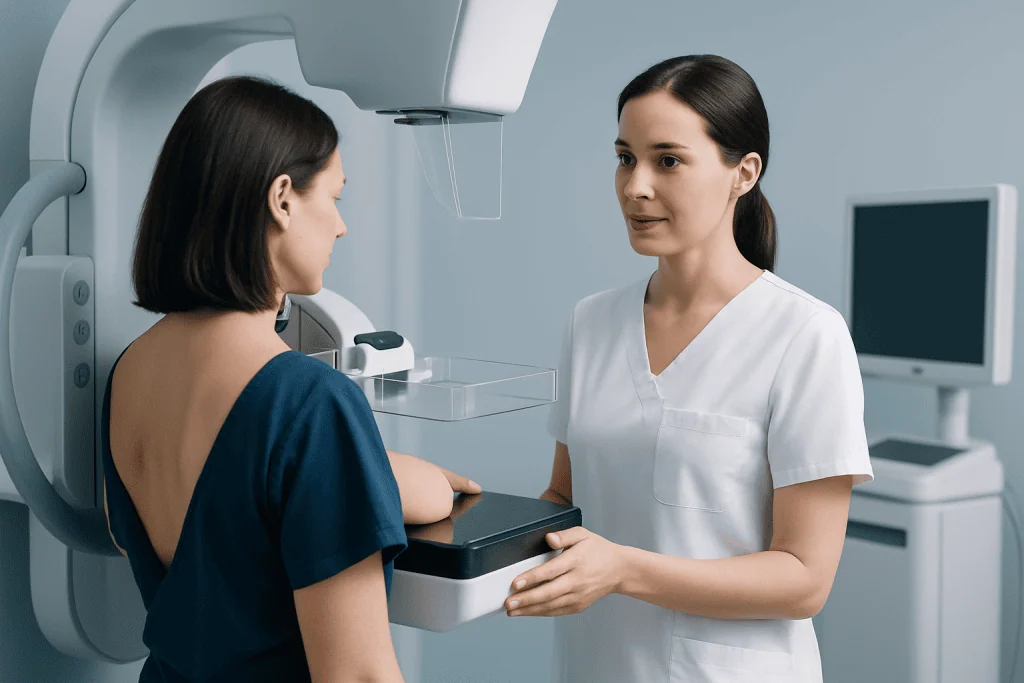
There is no single reason for breast prosthesis removal. Some people decide on removal because their body or aesthetic preferences have changed over time. Others develop symptoms or concerns that make removal medically advisable.
Common reasons include persistent discomfort, breast firmness, implant rupture, visible shape changes, asymmetry, or concern about implant age. Some patients also ask for removal because they feel the implants no longer fit their lifestyle or they want a more natural breast appearance.
- Pain, tightness, or breast tenderness
- Capsular contracture, which can make the breast feel firm or look distorted
- Implant rupture or leakage
- Changes in breast shape, position, or symmetry
- Personal preference for implant removal without replacement
In some cases, symptoms may also affect the shoulders, chest wall, or upper back. Although these complaints are not always caused only by the implant, they should still be discussed with a doctor so the cause can be evaluated carefully.
Causes and Risk Factors

Breast prosthesis removal may be needed because of implant-related complications, normal wear over time, or tissue changes in the breast. Implants do not last forever, and follow-up is important even when a person feels well.
Risk factors for needing removal can include older implants, prior breast surgery, a history of scar tissue formation, trauma to the breast, or changes in the breast after pregnancy, weight change, or aging. Some people may also seek removal if they develop repeated fluid buildup, infection, or concerns after imaging.
It is also common for breast appearance to change naturally with time. When skin loses elasticity or the breast tissue becomes thinner, implants may feel less comfortable or create a shape that no longer matches the patient’s goals. In such cases, the surgeon may discuss removal alone or removal with reshaping, such as breast reduction if the breast size itself is contributing to discomfort or imbalance.
Diagnosis and Preoperative Evaluation
Before breast prosthesis removal, the surgeon reviews the patient’s history, symptoms, implant type, and prior operations. A physical examination helps assess breast shape, implant position, skin quality, and whether scar tissue or other concerns are present.
Depending on the situation, imaging may be recommended to look for rupture or to better understand the implant and surrounding tissue. The doctor may also ask about past complications, family history, medications, smoking, and general health. This information helps the team plan the safest operation and discuss realistic results.
Preoperative evaluation is also the time to talk about expectations. Some patients are comfortable with a smaller or less full breast after removal, while others prefer an additional procedure to improve contour. For selected cases, implant removal may be combined with a new aesthetic plan, and the surgeon may explain options such as aesthetic breast surgery to help match the procedure to the patient’s goals.
Treatment Options and Surgical Procedure
Breast prosthesis removal is usually performed under anesthesia. The surgeon uses a planned incision, often through the original scar when possible, to access the implant. The implant is then removed carefully, and the capsule may be left in place or taken out depending on the medical reason for surgery and the condition of the tissue.
If the implant has ruptured, if there is significant scar tissue, or if the surgeon believes capsule removal is helpful, a more complete operation may be recommended. In some patients, a new implant is placed during the same surgery; in others, the goal is complete removal without replacement.
When breast shape is expected to change significantly, the surgeon may discuss a lift or reshaping procedure at the same time. This is particularly useful when skin has stretched or the breast tissue has shifted. Some patients also consider body-contouring procedures later, after healing, if they want to address broader changes in body shape.
The specific approach depends on the implant location, the thickness of the tissue, the amount of scar tissue, and the patient’s preferences. A personalized plan is important because there is no one standard technique for every case.
Recovery and Aftercare
Recovery after breast prosthesis removal varies, but many people experience soreness, swelling, bruising, and a feeling of tightness during the first days or weeks. Pain is often manageable with the care plan provided by the surgical team, and most patients are encouraged to rest while gradually returning to routine activities.
Supportive garments, wound care instructions, and limited arm movement may be recommended for a period after surgery. The surgeon will usually advise when it is safe to return to work, exercise, lifting, and driving, depending on the extent of the operation and whether any additional procedures were performed.
Follow-up visits are an important part of recovery. These appointments allow the surgeon to check the incisions, monitor healing, and answer questions about breast appearance, sensation, or activity progression. If a patient notices increasing redness, fever, drainage, or worsening pain, the surgical team should be contacted promptly.
Emotional adjustment is also part of recovery for some patients. The breast may look or feel different after removal, especially if the implants were placed many years earlier. Clear preoperative counseling helps people prepare for this transition and decide whether additional reshaping would be useful.
Prevention and Self-care
Not every reason for breast prosthesis removal can be prevented, but good long-term implant care may reduce the chance of avoidable problems. Regular follow-up with a plastic surgeon helps monitor implant position, breast changes, and any new symptoms.
Self-care also matters after surgery. Patients are usually advised to follow wound-care instructions closely, wear supportive garments if recommended, avoid heavy lifting until cleared, and keep all scheduled appointments. Healthy habits such as not smoking and maintaining stable overall health can support recovery.
It is also helpful to keep records of implant details, previous operations, and any imaging or reports. These documents can make future evaluations more efficient. If changes in breast shape, firmness, or discomfort appear, seeking medical advice early may help identify the issue before it becomes more complex.
When to See a Doctor
A doctor should be consulted if a person has ongoing breast pain, new firmness, visible distortion, swelling, or concerns about implant rupture or migration. Any sudden or persistent change deserves evaluation, even if the symptoms seem mild at first.
Medical advice is also important when a person is considering implant removal for personal reasons and wants to understand the likely appearance, recovery, and possible need for reshaping. A consultation can clarify whether removal alone is appropriate or whether a combined procedure would better support the desired result.
People should seek prompt review if they develop signs of infection after surgery, such as increasing redness, warmth, fever, or unusual drainage. For international patients, Acibadem International’s multidisciplinary specialists and JCI-accredited hospitals diagnose and treat breast prosthesis removal with coordinated care tailored to individual needs.
Frequently asked questions
Is breast prosthesis removal always necessary if there is a problem?
Not always. The need for removal depends on the symptom, the implant type, and the overall condition of the breast tissue. A plastic surgeon can explain whether observation, imaging, repair, replacement, or removal is the best option.
Will the breast look the same after implant removal?
The breast often looks different after removal, especially if the implants have been in place for many years. Skin elasticity, breast tissue volume, and implant size all affect the final shape. Some patients choose a lift or other reshaping procedure to improve contour.
Is the implant capsule always removed too?
No. The capsule may be left in place or removed, depending on the reason for surgery and what the surgeon finds during the operation. The approach is individualized rather than automatic.
How long does recovery usually take?
Early recovery commonly takes several days to a few weeks, but this varies based on whether the surgery was simple or combined with another procedure. Full settling of the breast shape can take longer as swelling gradually improves.
Can implants be replaced during the same operation?
Yes, in some cases implants are removed and replaced during the same surgery. This depends on the patient’s goals, tissue condition, and whether there is a medical reason to avoid immediate replacement.
What should a patient ask during the consultation?
It helps to ask about the surgical plan, whether capsule removal is recommended, expected scarring, recovery limits, and the likely breast shape after surgery. Patients may also ask if a lift or reconstruction would be useful in their case.
References
- American Society of Plastic Surgeons
- Mayo Clinic
- U.S. Food and Drug Administration
- NHS
This article is for general information only and is not a substitute for professional medical advice. Please consult a qualified doctor about your individual situation.
Breast Prosthesis Removal in Turkey — costs, top hospitals & a free quote
JCI-accredited · board-certified surgeons · reply within 24h
Add us as a Preferred Source to see more of our trusted health content across Google Search, AI Overviews and Discover.

Plastic, Reconstructive & Aesthetic Surgery
Reconstructive and aesthetic procedures for the face and body, performed by experienced surgeons.
35 specialists in this unitRelated Treatments
Related Conditions
More from the Health Library


Related Specialists

Prof. Dr. Şükrü Yazar
Aesthetic Plastic & Reconstructive Surgery
Assoc. Prof. Dr. Erdem Güven (m)
Aesthetic Plastic & Reconstructive Surgery
Prof. Dr. Hakan Ağır
Aesthetic Plastic & Reconstructive Surgery
Prof. Dr. Bülent Saçak
Aesthetic Plastic & Reconstructive Surgery