

Breast Prosthesis Removal Recovery: Pain, Drains, and When Shape Stabilizes

Pain, tightness, swelling, and fatigue are common in the first days after breast prosthesis removal. Surgical drains are sometimes used to reduce fluid buildup and are usually temporary.
Key Takeaways
- Pain, tightness, swelling, and fatigue are common in the first days after breast prosthesis removal.
- Surgical drains are sometimes used to reduce fluid buildup and are usually temporary.
- Breast shape often looks uneven or deflated at first and may take weeks to months to stabilize.
- Following wound care, activity restrictions, and follow-up instructions supports safer healing.
- New or worsening redness, fever, severe swelling, or sudden pain should be assessed by a doctor.
Breast prosthesis removal recovery is different for each person, but most patients can expect temporary discomfort, swelling, and gradual changes in breast shape as healing progresses. Understanding what is normal after surgery can make recovery feel more manageable and help patients know when to contact their surgeon.
Overview of Breast Prosthesis Removal Recovery
Breast prosthesis removal, also called breast implant removal or explant surgery, is a procedure performed for many reasons. Some people choose removal because of personal preference, changes in cosmetic goals, implant aging, firmness from scar tissue, discomfort, rupture, or the desire to combine removal with reshaping or reconstruction. Recovery depends on the type of surgery performed, the condition of the tissues, and whether any additional procedure is done at the same time.
In simple cases, recovery may be more straightforward than recovery after the original augmentation. However, healing can take longer if the surgeon also removes scar tissue around the implant, treats capsular contracture, performs a breast lift, or combines removal with breast reconstruction. The body needs time to adjust to the change in breast volume, and the skin and soft tissues may gradually settle over several weeks or months.
Patients often feel reassured by knowing that the early appearance of the chest is not the final result. It is common for the breasts to look swollen, flattened, uneven, or higher or lower than expected at first. These temporary changes usually improve as swelling decreases and tissues relax.
What Pain and Early Symptoms Are Normal?

After surgery, many patients have mild to moderate pain, soreness, pressure, or tightness across the chest. The discomfort is often strongest during the first few days and then gradually improves. Pain can feel different depending on whether the implant was under or over the chest muscle and whether scar capsule removal was performed.
Other common early symptoms include swelling, bruising, numbness, sensitivity around the incisions, and tiredness. Some people notice a pulling sensation when moving their arms or changing position. Temporary changes in nipple sensation can also happen because nerves need time to recover after surgery.
It is also normal for the breasts to appear asymmetrical in the beginning. One side may swell more than the other, especially if one breast needed more extensive surgical work. A supportive surgical bra, rest, and prescribed pain relief usually help during this stage.
Patients should keep in mind that pain should slowly improve, not steadily worsen. Severe pain, rapidly increasing swelling, or chest symptoms such as shortness of breath are not typical and need medical attention.
Why Drains May Be Used and How They Affect Recovery
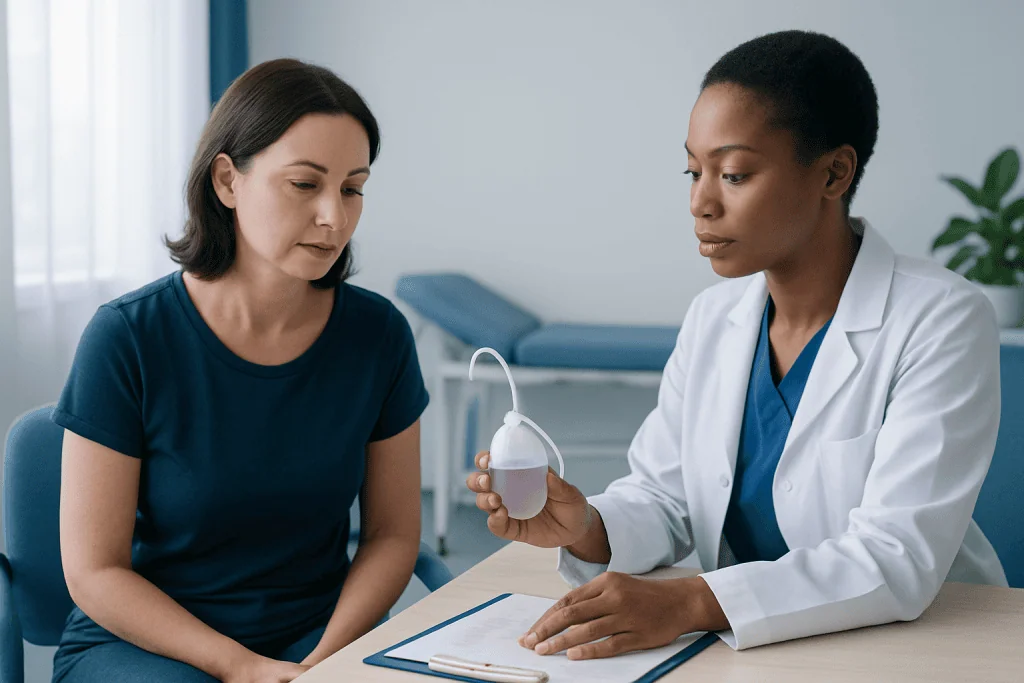
Drains are small tubes that sometimes are placed during breast prosthesis removal to collect blood or fluid from the surgical area. Not every patient needs them. Surgeons are more likely to use drains when there is a larger empty space after implant removal, when extensive capsule removal is performed, or when the risk of fluid collection is higher.
Although drains can feel inconvenient, they can help reduce pressure and lower the chance of seroma, which is a fluid buildup under the skin. A small amount of drainage is expected at first. Patients are usually taught how to empty the drains, measure the fluid, and keep the area clean until the surgeon decides they can be removed.
Drain removal is often done in the clinic and is usually brief. The timing varies from person to person, depending on how much fluid is coming out each day. While drains are in place, patients may need to avoid certain movements, sleep in a slightly elevated position, and be careful not to pull on the tubing.
It is important to contact the care team if drainage suddenly stops and swelling increases, if the fluid becomes foul-smelling, or if the skin around the drain turns increasingly red or painful. These changes may need assessment.
When Breast Shape Starts to Stabilize
One of the most common questions after explant surgery is when the breasts will look settled. In the first days and weeks, the breasts often appear deflated, loose, uneven, or temporarily distorted. This is because the skin, internal tissues, and chest muscles are adjusting after the implant has been removed.
For many patients, the first visible improvement happens as swelling decreases over the first several weeks. Even so, the breast shape may continue to change for several months. Skin elasticity, implant size, how long the implants were in place, pregnancy history, weight fluctuations, and age all influence how the breasts settle.
Some patients have enough natural tissue and skin tone for the breasts to reshape on their own over time. Others may have more looseness, lower nipple position, or flattening in the upper breast. In these situations, the surgeon may discuss options such as a lift or reshaping procedure, often as part of breast prosthesis removal planning or later through aesthetic breast surgery.
If thick scar tissue was present before surgery, such as in firm implant capsules, the breasts may initially feel uneven or tight while healing. In some people, scar-prone skin can also affect long-term scar appearance, similar to concerns seen with keloid scars. Final contour is best judged only after adequate healing time and follow-up with the surgeon.
Factors That Influence Recovery Time
Recovery is not the same for everyone. A person who has simple implant removal without major capsule surgery may feel comfortable sooner than someone who has en bloc or total capsulectomy, implant rupture treatment, or combined surgery such as lift or reconstruction. The original placement of the implant, tissue quality, and the condition of the chest wall also matter.
General health plays an important role as well. Smoking, poorly controlled chronic illness, poor nutrition, and certain medications can slow healing. Previous breast procedures, radiation, or scar-related changes may also affect recovery and the way the breast settles afterward.
Emotional recovery should not be overlooked. Breast surgery can affect body image, clothing fit, and confidence. Some patients feel immediate relief after removal, while others need time to adjust to the new appearance. Open discussion with the surgeon can help set realistic expectations and reduce unnecessary worry during the healing period.
When there are additional concerns about breast shape or excess tissue outside the usual breast area, related procedures may sometimes be discussed, such as accessory breast treatment if this is relevant to the patient’s anatomy and goals.
Self-care, Activity, and Scar Healing
Good aftercare supports comfort and healing. Patients are usually advised to wear the recommended surgical bra, protect the incisions, avoid soaking the wounds until approved, and sleep in a position that reduces pressure on the chest. Keeping follow-up appointments is important because the surgeon can monitor swelling, drains, and wound healing.
Activity should return gradually. Light walking is often encouraged early because it supports circulation, but heavy lifting, strenuous exercise, upper-body workouts, and movements that strain the chest are usually limited for a period recommended by the surgeon. Returning too quickly to intense activity may increase swelling, bleeding, or discomfort.
Scar healing takes time. Incisions may look pink, firm, or slightly raised at first, then soften and fade over months. Patients should protect healing scars from sun exposure and ask their doctor when scar care products are appropriate. Anyone with a history of thick or raised scars should mention this early in the planning stage.
Healthy habits can help recovery: drinking enough fluids, eating balanced meals with sufficient protein, avoiding smoking and nicotine, and taking medications only as directed. Patients should not add supplements, creams, or massage techniques unless their surgeon recommends them.
Possible Complications and When to See a Doctor
Most people recover without serious problems, but every surgery carries some risk. Potential complications include bleeding, infection, delayed wound healing, fluid collection, changes in nipple sensation, ongoing asymmetry, visible contour changes, or persistent pain. If scar tissue was severe before surgery, recovery may feel more prolonged.
Patients should contact a doctor if they develop fever, increasing redness, foul-smelling drainage, sudden swelling on one side, worsening pain after initial improvement, separation of the incision, or calf pain and shortness of breath. These symptoms do not always mean a major problem, but they should not be ignored.
It is also reasonable to seek medical review if the breasts remain very firm, painful, or significantly uneven beyond the expected recovery period. Follow-up visits allow the surgeon to decide whether changes are part of normal healing or whether further evaluation is needed.
For international patients seeking specialist assessment, Acibadem International’s multidisciplinary teams in JCI-accredited hospitals diagnose and treat breast concerns, including recovery planning after implant removal and reconstructive options when needed.
Frequently asked questions
How long does pain last after breast prosthesis removal?
Pain is usually most noticeable during the first few days after surgery and then gradually improves. Mild soreness, tightness, or tenderness can continue for several weeks, especially if scar tissue was removed. If pain suddenly becomes worse instead of better, the surgeon should be contacted.
Are drains always necessary after breast implant removal?
No, drains are not needed in every case. They are more commonly used when there is a higher chance of fluid buildup, such as after extensive capsule removal or when a larger space is left after the implant is removed. The decision depends on the surgical plan and the surgeon’s judgment.
When will my breast shape look normal after implant removal?
Breast shape often changes gradually over weeks to months. Early swelling, looseness, or flattening is common and does not represent the final result. The final appearance depends on skin elasticity, natural breast tissue, implant size, and whether any reshaping procedure was performed.
Is it normal for one breast to heal differently from the other?
Yes, mild differences in swelling, bruising, and settling are common during recovery. Each side may have had a slightly different amount of scar tissue or surgical work. However, major asymmetry, rapid swelling on one side, or increasing pain should be assessed by a doctor.
When can exercise be restarted after breast prosthesis removal?
Light walking is often encouraged early, but vigorous exercise and upper-body strain usually need to wait until the surgeon says it is safe. The timing varies depending on the procedure and whether drains are present. Following personalized instructions is the safest approach.
Will I need a breast lift after removing implants?
Not everyone needs a breast lift after implant removal. Some breasts settle naturally over time, especially when there is good skin elasticity and enough natural tissue. A lift may be considered if there is significant looseness, drooping, or if the patient wants more shape after healing.
References
- American Society of Plastic Surgeons
- U.S. Food and Drug Administration
- National Health Service
- Mayo Clinic
- American Society for Aesthetic Plastic Surgery
This article is for general information only and is not a substitute for professional medical advice. Please consult a qualified doctor about your individual situation.
Breast Prosthesis Removal in Turkey — costs, top hospitals & a free quote
JCI-accredited · board-certified surgeons · reply within 24h
Add us as a Preferred Source to see more of our trusted health content across Google Search, AI Overviews and Discover.

Plastic, Reconstructive & Aesthetic Surgery
Reconstructive and aesthetic procedures for the face and body, performed by experienced surgeons.
35 specialists in this unitRelated Treatments
Related Conditions
More from the Health Library



Related Specialists
Assoc. Prof. Dr. Erdem Güven (m)
Aesthetic Plastic & Reconstructive Surgery
Prof. Dr. Şükrü Yazar
Aesthetic Plastic & Reconstructive Surgery
Prof. Dr. Hakan Ağır
Aesthetic Plastic & Reconstructive Surgery
Prof. Dr. Bülent Saçak
Aesthetic Plastic & Reconstructive Surgery