

Brow Lift: Forehead Lines, Drooping Brows, and Surgical Options

A brow lift can improve brow position, forehead wrinkles, frown lines, and heaviness around the upper eyelids. Common techniques include endoscopic, coronal, hairline, temporal, and direct brow lift approaches.
Key Takeaways
- A brow lift can improve brow position, forehead wrinkles, frown lines, and heaviness around the upper eyelids.
- Common techniques include endoscopic, coronal, hairline, temporal, and direct brow lift approaches.
- Good candidates are generally healthy adults with realistic expectations and stable medical conditions.
- Recovery usually involves temporary swelling, bruising, tightness, and activity restrictions while tissues heal.
- A consultation with a qualified plastic surgeon is essential to choose the safest and most appropriate plan.
A brow lift is a cosmetic surgical procedure designed to raise drooping eyebrows, soften forehead lines, and create a more open, rested appearance. The most suitable technique depends on facial anatomy, hairline position, skin quality, goals, and overall health.
Overview
A brow lift, also called a forehead lift, is a surgical procedure that repositions the eyebrows and forehead tissues. It is commonly considered when the brows sit low on the face, forehead creases appear deep, or the upper eyelids look heavy because of brow descent. The goal is not to change a person’s identity, but to restore a more balanced, alert, and relaxed facial expression.
As the face ages, skin loses elasticity, soft tissues shift, and repeated muscle movement creates lines across the forehead and between the eyebrows. In some people, the outer brow descends first, making the eyes look tired even when they feel well rested. A brow lift can address these changes by lifting tissues, adjusting muscle activity in selected cases, and removing or repositioning excess skin when needed.
Brow lift surgery may be performed alone or combined with eyelid surgery, facelift, skin resurfacing, or non-surgical treatments. Combining procedures is not necessary for everyone, but it can be helpful when several factors contribute to the same concern. A careful medical evaluation helps determine whether the main issue is the brow, the eyelids, the skin surface, or a combination of these features.
Forehead Lines and Drooping Brows: Common Concerns

People seek a brow lift for different reasons. Some notice horizontal forehead lines that remain visible even when the face is relaxed. Others feel that their eyebrows have moved downward, especially at the outer corners, creating a hooded appearance over the upper eyelids. In certain cases, patients describe looking angry, sad, or tired despite feeling otherwise.
A low brow can also cause people to raise their forehead muscles frequently in an effort to open the eyes. Over time, this constant lifting may make forehead lines more pronounced. When the brow position is corrected, the need to contract the forehead muscles may decrease, which can soften the appearance of dynamic lines, although fine skin texture and deeper creases may still need additional treatments.
Common concerns discussed during consultation include:
- Drooping or asymmetric eyebrows
- Horizontal forehead wrinkles
- Vertical frown lines between the eyebrows
- Heaviness of the upper eyelid area
- A tired, stern, or less open facial expression
- Difficulty applying makeup due to low brow position or excess upper eyelid skin
Causes and Factors That Influence Brow Position

Brow descent is often related to natural aging. With time, collagen and elastin in the skin decrease, the supportive tissues of the forehead relax, and the effects of gravity become more visible. Repeated facial expressions, such as frowning or raising the eyebrows, also contribute to forehead and glabellar lines.
Genetics play an important role. Some people naturally have a lower or flatter brow shape from early adulthood, while others develop brow heaviness later in life. Facial bone structure, eyelid anatomy, hairline height, and skin thickness all influence how the brows appear and which surgical technique may be most suitable.
Lifestyle and environmental factors can affect skin quality and healing. Sun exposure, smoking, significant weight changes, and certain medical conditions may contribute to skin laxity or slower recovery. During assessment, the surgeon also considers previous facial procedures, hairline pattern, scalp health, medications, and any history of dry eyes or eyelid problems.
Consultation, Evaluation, and Treatment Planning
A brow lift consultation begins with a detailed discussion of goals, medical history, medications, allergies, prior surgeries, and lifestyle factors such as smoking. The surgeon examines brow position at rest and during expression, eyelid skin, forehead height, facial symmetry, hairline, and skin elasticity. Standardized photographs may be taken for planning and comparison.
One important part of planning is identifying whether the concern comes from brow descent, upper eyelid skin excess, or both. A person may think they need eyelid surgery when the main issue is a low brow. Conversely, if the brow is in a good position but upper eyelid skin is loose, blepharoplasty may be more appropriate. In some cases, both procedures are considered to achieve a balanced result.
The surgeon will explain the likely benefits, limitations, incision placement, anesthesia options, recovery expectations, and potential risks. A good treatment plan is individualized rather than based on a single ideal brow shape. Natural facial proportions, gender-related brow differences, cultural preferences, and the patient’s own expectations should all be respected.
Brow Lift Surgical Options
Several brow lift techniques are available, and each has specific advantages. The best option depends on hairline position, degree of brow descent, forehead height, skin laxity, and whether the inner, central, or outer brow needs the most correction. Surgery is typically performed under local anesthesia with sedation or general anesthesia, depending on the extent of the procedure and patient needs.
An endoscopic brow lift uses several small incisions hidden within the hair-bearing scalp. A small camera and specialized instruments help the surgeon release and reposition the forehead tissues. This technique often suits patients with mild to moderate brow descent and good skin quality, and it may allow smaller incisions than traditional methods.
A coronal brow lift uses an incision placed across the scalp behind the hairline. It can provide strong lifting and access to forehead tissues, but it may raise the hairline and is generally less suitable for people with a high forehead or thinning hair. A hairline, or pretrichial, brow lift places the incision along the front hairline and may be chosen when brow elevation is needed without further raising a high forehead.
A temporal or lateral brow lift focuses mainly on the outer third of the brow, helping improve lateral hooding and a tired eye appearance. A direct brow lift places an incision above the eyebrow and may be considered in selected patients, particularly when precise lifting is needed and incision visibility is acceptable. Some procedures can also be performed through an upper eyelid incision in carefully selected cases, often when combined with blepharoplasty.
Recovery and Aftercare
Recovery varies according to the technique used and whether other procedures are performed at the same time. Swelling, bruising, tightness, scalp numbness, itching, and mild discomfort are common in the early healing period. These effects usually improve gradually, although numbness or altered sensation can take longer to settle.
Patients are typically advised to keep the head elevated, use cold compresses if recommended, avoid strenuous activity for a period of time, and follow wound care instructions closely. The surgeon may provide guidance about washing hair, wearing makeup, returning to work, exercising, and protecting incision sites from sun exposure. It is important not to smoke during the healing period, as smoking can impair circulation and wound repair.
Follow-up appointments allow the surgical team to monitor healing, remove sutures or staples if needed, and answer questions. The brows may initially look higher or feel tighter than expected because of swelling. As tissues settle, the result becomes more natural. Final refinement can take several months as swelling resolves and scars mature.
Risks, Limitations, and Realistic Expectations
Like all surgery, a brow lift has potential risks. These may include bleeding, infection, delayed wound healing, visible scarring, hair loss near incision sites, asymmetry, changes in sensation, temporary or persistent numbness, and dissatisfaction with the cosmetic result. Rarely, there may be nerve-related changes affecting movement of the forehead or brows.
A brow lift can improve brow position and soften expression lines, but it does not stop the aging process. It may not fully remove deep wrinkles, sun damage, skin texture changes, or eyelid concerns unrelated to brow position. Non-surgical treatments such as botulinum toxin injections, dermal fillers, laser resurfacing, chemical peels, or skin care may be recommended before, after, or instead of surgery depending on the concern.
Realistic expectations are essential. The most appropriate outcome is usually a refreshed and harmonious appearance rather than an overly lifted or surprised look. Patients should feel comfortable asking about the surgeon’s training, experience with different brow lift techniques, facility safety standards, and what to expect if revision treatment is ever needed.
When to See a Doctor
A person may consider seeing a qualified plastic surgeon if drooping brows, forehead heaviness, or deep expression lines affect facial appearance or confidence, and non-surgical options no longer provide the desired improvement. Consultation is also helpful when upper eyelid heaviness is present, because a professional examination can clarify whether the brow, eyelid, or both are contributing.
Medical evaluation is especially important for people with eye conditions, dry eye symptoms, previous eyelid or facial surgery, bleeding disorders, uncontrolled chronic disease, or medications that affect bleeding. The surgeon and anesthesiology team can help determine whether surgery is safe and what preparation is needed.
Urgent medical advice should be sought after surgery if there is severe pain, sudden vision change, significant one-sided swelling, fever, increasing redness, wound opening, or any symptom that feels concerning. For international patients, Acibadem International’s multidisciplinary specialists and JCI-accredited hospitals can provide evaluation and treatment planning for brow lift and related facial procedures in a coordinated hospital setting.
Frequently asked questions
What is the difference between a brow lift and eyelid surgery?
A brow lift repositions the eyebrows and forehead tissues, while eyelid surgery removes or reshapes excess skin and fat around the eyelids. Some people need only one of these procedures, while others benefit from a combination. A surgeon can determine the main cause of upper eye heaviness during examination.
Will a brow lift remove all forehead wrinkles?
A brow lift can soften forehead lines by reducing tissue descent and muscle tension, but it may not erase every wrinkle. Deep creases, sun damage, and fine skin texture may require additional treatments such as injectables, resurfacing, or medical skin care. The goal is improvement with a natural appearance.
How long does brow lift recovery take?
Many patients resume light daily activities within a short period, but swelling and bruising may take longer to improve. Strenuous exercise and heavy lifting are usually restricted until the surgeon confirms it is safe. Final settling of the brow position and scar maturation can take several months.
Are brow lift scars visible?
Incisions are planned to be as discreet as possible, often within the hairline, at the hairline, or along natural brow contours depending on the technique. Scar visibility varies with skin type, healing, hair density, and surgical approach. Proper wound care and sun protection can support better scar healing.
Can a brow lift look unnatural?
An unnatural or surprised appearance can occur if the brows are lifted too aggressively or without considering facial proportions. Modern planning focuses on balanced, individualized correction rather than a fixed high brow. Choosing an experienced surgeon and communicating goals clearly helps reduce this risk.
Is there a non-surgical alternative to a brow lift?
Some people may benefit from botulinum toxin injections, fillers, skin tightening treatments, resurfacing, or skin care when changes are mild. These options can improve lines or provide subtle lifting, but they do not reposition tissues as much as surgery. A consultation can help compare expected benefits, maintenance needs, and limitations.
References
- American Society of Plastic Surgeons
- American Society for Aesthetic Plastic Surgery
- American Academy of Facial Plastic and Reconstructive Surgery
- American Academy of Ophthalmology
- International Society of Aesthetic Plastic Surgery
This article is for general information only and is not a substitute for professional medical advice. Please consult a qualified doctor about your individual situation.
Brow Lift in Turkey — costs, top hospitals & a free quote
JCI-accredited · board-certified surgeons · reply within 24h
Add us as a Preferred Source to see more of our trusted health content across Google Search, AI Overviews and Discover.

Plastic, Reconstructive & Aesthetic Surgery
Reconstructive and aesthetic procedures for the face and body, performed by experienced surgeons.
35 specialists in this unitRelated Treatments
Related Conditions
More from the Health Library



Related Specialists

Prof. Dr. Şükrü Yazar
Aesthetic Plastic & Reconstructive Surgery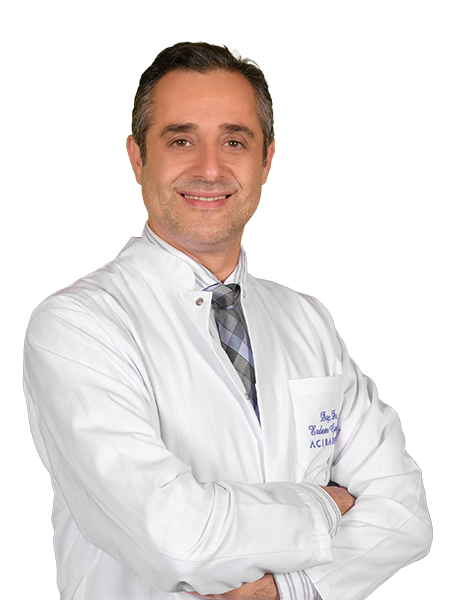
Assoc. Prof. Dr. Erdem Güven (m)
Aesthetic Plastic & Reconstructive Surgery
Prof. Dr. Hakan Ağır
Aesthetic Plastic & Reconstructive Surgery
Prof. Dr. Bülent Saçak
Aesthetic Plastic & Reconstructive Surgery