

Brow Lift Recovery Timeline: Swelling, Bruising, and Returning to Work

Swelling and bruising are most noticeable in the first days after surgery and then gradually improve. Many people feel comfortable resuming work in about 10-14 days, depending on the surgical technique and the type of job.
Key Takeaways
- Swelling and bruising are most noticeable in the first days after surgery and then gradually improve.
- Many people feel comfortable resuming work in about 10-14 days, depending on the surgical technique and the type of job.
- Head elevation, cold compresses, and following aftercare instructions can support a smoother recovery.
- Activity should be increased gradually, with strenuous exercise and heavy lifting delayed until the surgeon approves it.
- New severe pain, sudden swelling, fever, or vision changes should be discussed with a doctor promptly.
A brow lift recovery timeline is usually straightforward, with the most visible swelling and bruising easing over the first 1-2 weeks. Most people can return to light daily activities and office work once their surgeon confirms healing is on track.
Overview
A brow lift, sometimes called a forehead lift, is a procedure that raises the brow position and smooths forehead lines. Recovery is usually measured in stages, because the skin, soft tissues, and small incision sites heal at different rates.
In the first several days, swelling, bruising, tightness, and mild discomfort are common and expected. These effects tend to improve steadily, and most people can plan their recovery with the help of a clear aftercare schedule from the surgical team.
Recovery time can vary based on the technique used, the person’s general health, and whether the procedure is combined with other treatments such as oculoplastic surgery or a brow lift. A doctor’s instructions always take priority over general timelines.
Typical Recovery Timeline

During the first 24 to 72 hours, swelling and bruising usually reach their most noticeable point. The forehead may feel tight, and some people notice temporary numbness or a mild headache-like pressure. Rest, head elevation, and prescribed pain relief, if recommended, can make this period more comfortable.
By the end of the first week, many people see visible improvement. Bruising often begins to fade, swelling slowly decreases, and any dressing or bandage changes are typically handled according to the surgeon’s plan. Short walks and gentle movement are usually encouraged if the surgical team agrees.
Between one and two weeks, many people feel ready to return to desk work or social activities, especially if makeup or hair styling can help disguise residual bruising. More strenuous work, exercise, and activities that raise blood pressure are often postponed longer. Some subtle swelling can last for several weeks, and final settling of the tissues may take months.
Swelling and Bruising: What Is Normal
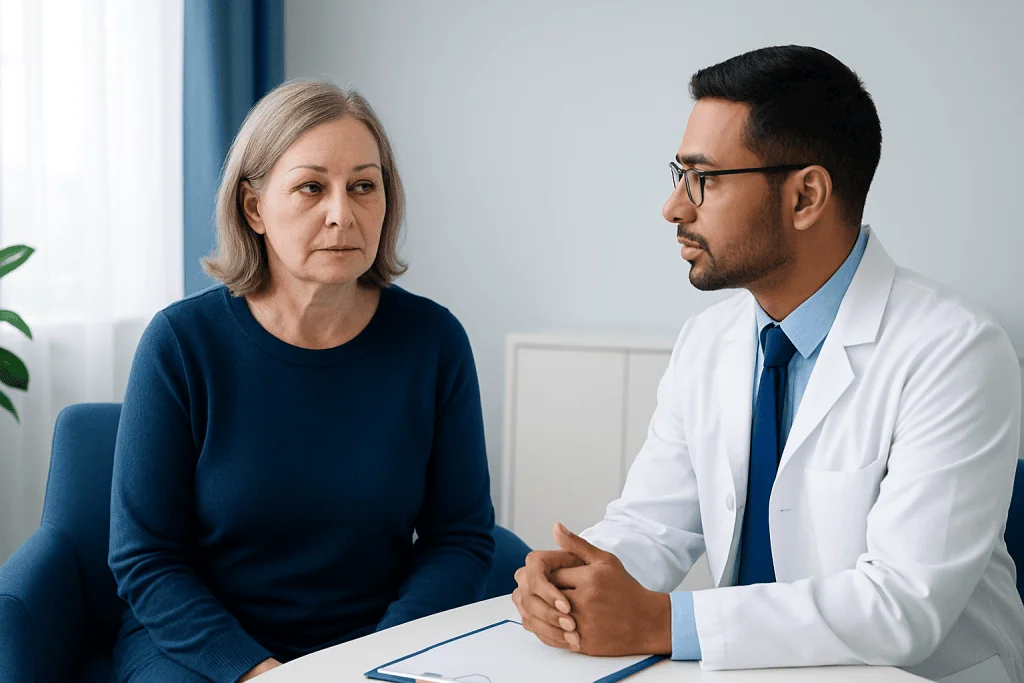
Swelling and bruising are part of the body’s healing response after surgery. They are usually most prominent around the forehead, temples, and sometimes the upper eyelids, depending on the incision pattern and tissue handling during the procedure.
To reduce discomfort and help swelling settle, surgeons often advise sleeping with the head elevated, using cold compresses only if approved, and avoiding bending over for long periods. It is also important not to rub, massage, or press on the healing area unless the doctor specifically recommends it.
Bruising gradually changes color before fading, which is normal. If swelling suddenly worsens after it had been improving, or if one side becomes much more swollen than the other, the surgical team should be contacted for advice.
Causes & Risk Factors for a Slower Recovery
Recovery is not the same for everyone. A person may heal more slowly if the brow lift is combined with additional procedures, if they smoke, or if they have medical conditions that affect circulation or wound healing. Poor sleep, high stress, and returning to activity too quickly can also make recovery feel harder.
Some medications and supplements can increase bruising or bleeding risk, so the surgeon usually reviews them before surgery. Following the preoperative plan carefully can help reduce complications and support smoother healing.
People who have previous facial surgery, thicker swelling tendencies, or demanding physical jobs may also need more time before they feel fully ready to resume normal routines. The best recovery plan is individualized and based on the surgeon’s assessment.
Diagnosis and Follow-Up After Surgery
There is no separate medical test for a normal brow lift recovery; it is mainly monitored through follow-up visits and direct examination of the healing incisions, swelling, and facial movement. The surgeon checks whether the brows are settling as expected and whether pain, redness, or drainage suggest a problem.
These visits are also the right time to ask when to wash the hair, when to resume makeup, and when to restart exercise or facial treatments. If the brow lift was part of a broader facial procedure, such as reconstructive ophthalmology or other eye-area surgery, follow-up may include additional eye-related guidance.
Good communication during follow-up helps patients understand what is normal and what is not. A calm, step-by-step recovery plan can make the process feel more predictable and less stressful.
Treatment Options and Aftercare
After a brow lift, treatment is usually focused on comfort and protection rather than on aggressive intervention. Common aftercare measures may include cold compresses if recommended, keeping the head elevated, gentle cleansing of the incision area, and avoiding pressure on the forehead.
Some people are given medication to manage discomfort, nausea, or infection risk, depending on the surgeon’s judgment and the details of the operation. Any medicines should be taken exactly as directed, and patients should ask before using over-the-counter products that may affect bleeding.
If healing is not progressing normally, the surgeon may adjust the care plan or examine the area more closely. In some cases, a person may also benefit from related facial procedures, such as aesthetic neck contouring, but this is usually discussed only after recovery from the brow lift is complete.
Prevention & Self-care
Good self-care starts before surgery and continues through the recovery period. Not smoking, arranging time off work, preparing meals in advance, and organizing help at home can make the first week easier.
After surgery, patients are usually advised to avoid strenuous exercise, heavy lifting, alcohol excess, and activities that increase facial pressure until the surgeon approves them. Sun protection is also important, because healing skin can be more sensitive to light and irritation.
Practical comfort measures matter too. Resting with the head elevated, staying hydrated, eating balanced meals, and following the clinic’s wound-care instructions can support healing and reduce unnecessary strain on the recovering tissues.
When to See a Doctor
Patients should contact their surgeon promptly if they have fever, increasing redness, worsening pain, pus-like drainage, or sudden swelling after improvement had already begun. These signs do not always mean a serious problem, but they deserve medical review.
Urgent attention is also important for vision changes, severe headache, trouble breathing, or one-sided facial swelling that appears quickly. If the incision opens, bleeds persistently, or a bandage becomes soaked, the surgical team should be notified.
For most people, brow lift recovery is manageable and gradually reassuring. In the right setting, including multidisciplinary care from experienced specialists such as those at Acibadem International and its JCI-accredited hospitals, patients can receive diagnosis, surgery, and follow-up guidance for international care needs.
Returning to Work and Daily Life
Returning to work depends on both healing and the type of job. People with desk-based work often return in about 10-14 days if swelling and bruising are improving and if the surgeon gives clearance, while physically demanding jobs may require a longer break.
Before going back, it can help to plan for a gradual return. Some patients prefer to start with remote work, shorter hours, or limited meetings until they feel more comfortable being seen in person.
Final appearance continues to refine after the first few weeks, so patience is important. The brow may look slightly uneven or puffy at first, but this usually settles as normal healing progresses.
Frequently asked questions
How long does brow lift swelling usually last?
Swelling is usually most noticeable in the first few days and then improves over the next 1-2 weeks. Mild residual swelling can last longer and may continue to settle gradually for several weeks.
When can a person usually return to work after a brow lift?
Many people return to desk work in about 10-14 days if they feel well and the surgeon approves it. Jobs that involve physical effort, lifting, or frequent bending often need more time.
Is bruising normal after a brow lift?
Yes. Bruising is a common part of healing and often fades gradually over the first couple of weeks. Its appearance can vary depending on the surgical technique and individual healing response.
What can help make recovery more comfortable?
Head elevation, rest, gentle walking, and following the surgeon’s wound-care instructions can be helpful. Patients should avoid rubbing the forehead or resuming strenuous activity too early.
When should a patient call the surgeon after brow lift surgery?
A patient should call if pain suddenly worsens, swelling increases instead of improving, or there is redness, fever, drainage, or vision change. These symptoms should be reviewed by a medical professional.
Will the brow lift look final right away?
No. Early swelling can make the result look different from the final outcome. The tissues usually soften and settle gradually over time, so the final appearance takes patience.
References
- American Society of Plastic Surgeons
- American Academy of Facial Plastic and Reconstructive Surgery
- Mayo Clinic
- Cleveland Clinic
This article is for general information only and is not a substitute for professional medical advice. Please consult a qualified doctor about your individual situation.
Brow Lift in Turkey — costs, top hospitals & a free quote
JCI-accredited · board-certified surgeons · reply within 24h
Add us as a Preferred Source to see more of our trusted health content across Google Search, AI Overviews and Discover.
Check your numbers in seconds
BMI, calories, due date, blood pressure and 30+ more clinical calculators — free, instant, doctor-reviewed ranges.

Plastic, Reconstructive & Aesthetic Surgery
Reconstructive and aesthetic procedures for the face and body, performed by experienced surgeons.
35 specialists in this unitRelated Treatments
Related Conditions
More from the Health Library



Related Specialists

Prof. Dr. Şükrü Yazar
Aesthetic Plastic & Reconstructive Surgery
Assoc. Prof. Dr. Erdem Güven (m)
Aesthetic Plastic & Reconstructive Surgery
Prof. Dr. Hakan Ağır
Aesthetic Plastic & Reconstructive Surgery
Prof. Dr. Bülent Saçak
Aesthetic Plastic & Reconstructive Surgery