Bypass Stomach Operation: Benefits, Risks, and Long-Term Changes

A bypass stomach operation supports weight loss by limiting food intake and reducing calorie absorption. It may improve conditions linked to severe obesity, such as type 2 diabetes, sleep apnea, and high blood pressure.
Key Takeaways
- A bypass stomach operation supports weight loss by limiting food intake and reducing calorie absorption.
- It may improve conditions linked to severe obesity, such as type 2 diabetes, sleep apnea, and high blood pressure.
- Like all major surgery, it carries risks including bleeding, infection, leaks, and nutritional deficiencies.
- Long-term success depends on lifelong eating changes, vitamin supplementation, and regular follow-up care.
- Not everyone is a candidate, so careful evaluation by an experienced bariatric team is essential.
A bypass stomach operation, also called gastric bypass surgery, is a type of weight loss surgery that reduces stomach size and changes how food moves through the digestive system. It can improve obesity-related health problems, but it also requires long-term nutrition, lifestyle, and medical follow-up.
Overview of Bypass Stomach Operation
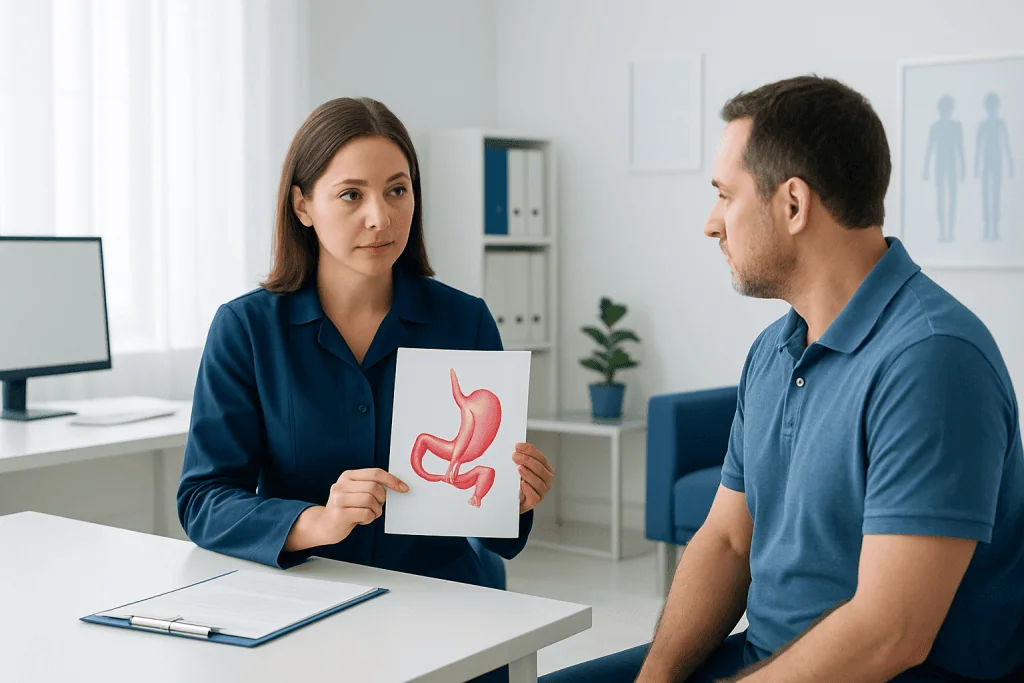
A bypass stomach operation usually refers to gastric bypass surgery, most commonly the Roux-en-Y gastric bypass. In this procedure, the surgeon creates a small pouch from the upper part of the stomach and connects it directly to part of the small intestine. This means food bypasses most of the stomach and the first section of the small intestine.
The operation works in more than one way. The new stomach pouch holds much less food, which helps a person feel full sooner. At the same time, the rerouting of the intestine changes digestion and hormone signals involved in appetite, blood sugar control, and metabolism.
This procedure is one form of bariatric surgery and is generally considered for people with obesity when lifestyle measures alone have not led to lasting weight loss. It is not a cosmetic procedure. Rather, it is a medical treatment aimed at improving health, quality of life, and obesity-related complications.
Who May Benefit From Gastric Bypass
Doctors may recommend gastric bypass for people with severe obesity, especially when excess weight is affecting health. It is often considered for those living with morbid obesity or significant obesity-related conditions such as type 2 diabetes, high blood pressure, fatty liver disease, gastroesophageal reflux, joint strain, or obstructive sleep apnea.
One reason gastric bypass is widely used is that it can lead to substantial weight loss and metabolic improvement. Many people also notice better mobility, easier breathing during sleep, improved energy, and a reduced burden from conditions linked to obesity. In some patients, blood sugar control improves quite early after surgery, sometimes before major weight loss has occurred.
Even so, surgery is not suitable for everyone. A bariatric team usually looks at body mass index, medical history, eating patterns, mental health, previous weight loss efforts, and readiness for long-term follow-up. Alternative procedures may be discussed too, such as gastric sleeve surgery or non-surgical options in selected cases.
How the Procedure Is Performed
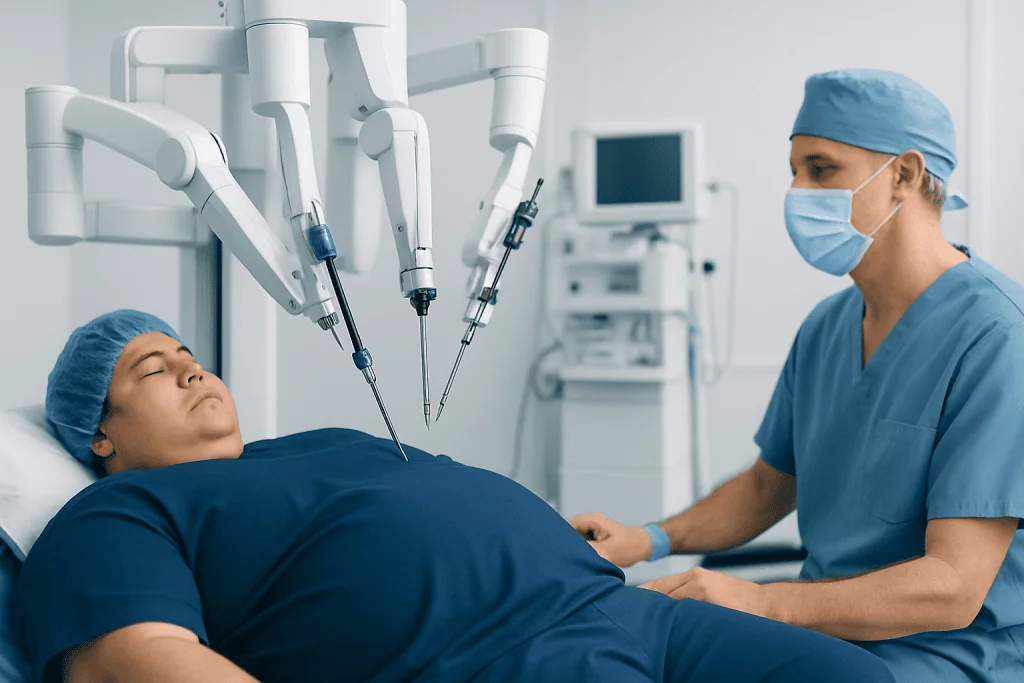
Gastric bypass is commonly performed using minimally invasive techniques through small incisions. During surgery, the doctor creates a small stomach pouch and then connects it to a lower part of the small intestine. The remaining larger part of the stomach and the bypassed section of intestine stay in the body but no longer handle food in the usual way.
Because the procedure changes the normal digestive route, people absorb fewer calories and some nutrients differently. This is why long-term vitamin and mineral supplementation is essential after surgery. Hospital stay and recovery time vary, but many operations are now done using gastric laparoscopic surgery approaches when appropriate.
Before the operation, patients usually undergo a detailed evaluation. This may include blood tests, heart and lung assessment, nutritional review, and counseling about diet, activity, and expectations. In some cases, doctors may also check for abdominal wall conditions such as incisional hernia if there is a relevant surgical history.
Benefits and Expected Results
The main benefit of a bypass stomach operation is meaningful weight loss that can be maintained over time with proper follow-up and lifestyle changes. Weight reduction often helps decrease the strain on the heart, joints, and lungs. It may also support better daily function, mobility, and self-confidence.
Another important advantage is improvement in obesity-related diseases. Gastric bypass can help control type 2 diabetes, high cholesterol, and high blood pressure, and it may reduce symptoms of sleep apnea. Some people also experience improvement in reflux, although individual results differ and should be discussed with a specialist.
It is important to keep expectations realistic. Surgery is a powerful tool, but it does not replace healthy habits. Long-term success still depends on portion control, balanced eating, physical activity, sleep, and regular medical review. For some individuals, a specialist may compare gastric bypass with other procedures to find the best fit for their health needs and goals.
Risks, Side Effects, and Possible Complications
Like any major operation, gastric bypass has risks. Early surgical complications can include bleeding, infection, blood clots, breathing problems, and leakage where the stomach or intestines are joined. Although these complications are not common in experienced centers, they are serious and require prompt care if they occur.
There are also longer-term issues to understand. Because digestion changes, nutritional deficiencies can develop, especially low levels of iron, vitamin B12, folate, calcium, vitamin D, and other micronutrients. Some people may experience nausea, vomiting, intolerance to certain foods, ulcers, bowel blockage, gallstones, or narrowing at the surgical connection.
Another possible effect is dumping syndrome, in which food moves too quickly into the small intestine. This can cause symptoms such as sweating, cramping, diarrhea, dizziness, or a racing heartbeat, especially after sugary meals. Emotional adjustment matters too, and some patients benefit from ongoing support for eating behaviors, body image, or mental well-being after surgery.
Life After Surgery: Diet, Supplements, and Daily Habits
Long-term changes after gastric bypass are a central part of treatment. In the first weeks, eating progresses gradually from liquids to soft foods and then to regular textured meals, based on the bariatric team’s plan. Over time, patients usually need to eat small, slow meals, chew thoroughly, and stop when comfortably full.
Protein intake and hydration are especially important. Many people are advised to avoid drinking large amounts with meals, because the small stomach pouch fills quickly. Foods high in sugar or fat may cause discomfort or dumping symptoms, so the dietary pattern often shifts toward lean protein, vegetables, fruit, whole grains in suitable amounts, and nutrient-dense choices.
Lifelong vitamin and mineral supplements are usually necessary, along with regular blood tests to look for deficiencies. Physical activity, sleep, and follow-up visits also support long-term results. In some cases, doctors may discuss other weight-loss approaches, such as stomach reduction without surgery, for people who are not surgical candidates or who need a different strategy.
Follow-Up, Self-Care, and When to Seek Medical Advice
Follow-up care after bypass stomach operation is not optional; it is part of the treatment itself. Patients usually see their surgeon, dietitian, and other team members at regular intervals to monitor healing, weight trends, nutrition, medications, and any symptoms. Ongoing support helps detect problems early and reinforces healthy habits that protect long-term results.
Medical advice should be sought promptly for severe abdominal pain, persistent vomiting, chest pain, fever, difficulty breathing, signs of dehydration, black stools, or problems swallowing. These symptoms do not always mean a serious complication, but they should be assessed without delay. Less urgent concerns, such as fatigue, hair thinning, constipation, or food intolerance, also deserve discussion because they may point to dietary or nutritional issues.
For people considering surgery, choosing an experienced multidisciplinary center can make a meaningful difference in assessment and follow-up planning. Acibadem International’s multidisciplinary specialists and JCI-accredited hospitals diagnose and treat this condition for international patients, with care plans tailored to medical needs and long-term monitoring.
Frequently asked questions
Is a bypass stomach operation the same as gastric bypass?
In most cases, yes. The phrase bypass stomach operation is commonly used to describe gastric bypass surgery, especially the Roux-en-Y gastric bypass. It involves making the stomach smaller and rerouting part of the small intestine.
How much weight can a person lose after gastric bypass?
Weight loss varies from person to person and depends on eating habits, activity, follow-up care, and overall health. Many people lose a significant amount of weight, but surgery is a tool rather than a guarantee. A doctor can give more individualized expectations after a full evaluation.
Will diabetes or high blood pressure improve after surgery?
They often improve, and some people need less medication after surgery. Blood sugar control may improve relatively quickly, while blood pressure and other conditions may improve as weight decreases. However, continued medical monitoring is important because results differ between individuals.
Are vitamins really necessary for life after gastric bypass?
Yes, in most cases lifelong vitamin and mineral supplementation is necessary after gastric bypass. The procedure changes how nutrients are absorbed, which increases the risk of deficiencies. Regular blood tests help doctors adjust supplements over time.
What are the biggest long-term challenges after a bypass stomach operation?
Common long-term challenges include maintaining healthy eating habits, preventing nutritional deficiencies, and attending regular follow-up visits. Some people also need support for emotional adjustment or changes in body image. Staying connected with a bariatric team can help address these issues early.
Can weight come back after gastric bypass?
Some weight regain can happen over time, especially if eating patterns, activity, or follow-up care change. This does not mean the operation has failed, but it may signal the need for renewed support. A bariatric specialist can review possible causes and discuss next steps.
References
- World Health Organization
- National Institute of Diabetes and Digestive and Kidney Diseases
- American Society for Metabolic and Bariatric Surgery
- Mayo Clinic
- National Health Service
This article is for general information only and is not a substitute for professional medical advice. Please consult a qualified doctor about your individual situation.
Medical weight-loss options in Turkey — costs & eligibility
JCI-accredited · board-certified surgeons · reply within 24h
Add us as a Preferred Source to see more of our trusted health content across Google Search, AI Overviews and Discover.
Check your numbers in seconds
BMI, calories, due date, blood pressure and 30+ more clinical calculators — free, instant, doctor-reviewed ranges.