Bypass Stomach Operation: Who May Be a Good Candidate?

A bypass stomach operation is usually considered for people with severe obesity or obesity-related medical conditions. Eligibility depends on more than body weight alone; overall health, eating habits, mental readiness, and previous weight-loss efforts matter.
Key Takeaways
- A bypass stomach operation is usually considered for people with severe obesity or obesity-related medical conditions.
- Eligibility depends on more than body weight alone; overall health, eating habits, mental readiness, and previous weight-loss efforts matter.
- Gastric bypass can improve weight-related conditions such as type 2 diabetes, sleep apnea, and high blood pressure in many patients.
- Successful outcomes require lifelong nutrition habits, vitamin supplementation, and regular medical follow-up.
- A bariatric team helps decide whether gastric bypass or another weight-loss treatment is the best fit.
A bypass stomach operation, also called gastric bypass, can be an effective treatment for severe obesity and related health problems in carefully selected patients. Good candidates usually meet medical criteria, understand the benefits and risks, and are ready for long-term lifestyle changes and follow-up care.
Overview: What Is a Bypass Stomach Operation?
A bypass stomach operation usually refers to gastric bypass surgery, most commonly the Roux-en-Y gastric bypass. This procedure helps with weight loss by creating a small stomach pouch and rerouting part of the small intestine. As a result, a person feels full sooner and absorbs fewer calories than before.
It is not a cosmetic procedure. It is a medically recognized treatment for severe obesity and for certain health conditions linked to excess weight. In many people, it can support significant long-term weight loss and improve conditions such as type 2 diabetes, high blood pressure, and obstructive sleep apnea.
Because it changes the digestive system, gastric bypass is usually recommended only after a careful evaluation. Doctors look at body mass index, weight-related illnesses, previous attempts at weight loss, and whether the person is prepared for lifelong changes in eating, supplementation, and follow-up. Patients exploring gastric bypass are often assessed within a broader bariatric surgery program so the most suitable option can be chosen.
Who May Be a Good Candidate?

In general, a good candidate is an adult with severe obesity who has not achieved lasting weight loss through structured changes in diet, physical activity, and medical support alone. Many bariatric programs consider surgery for people with a body mass index (BMI) of 40 or higher, or a BMI of 35 or higher when obesity-related conditions are also present. Some centers may also consider surgery at lower BMI ranges in selected patients, especially when metabolic disease is difficult to control.
Weight-related conditions that may support candidacy include type 2 diabetes, high blood pressure, fatty liver disease, sleep apnea, joint strain, reflux symptoms, and reduced mobility. In some individuals with morbid obesity, surgery may offer a more effective long-term treatment path than repeated short-term dieting.
Good candidates also understand that surgery is a tool, not a cure by itself. They are willing to follow preoperative instructions, attend postoperative appointments, take prescribed vitamin and mineral supplements, and make permanent changes to meal size, food choices, and physical activity habits. A strong support system at home can also be helpful during recovery and long-term weight management.
When Gastric Bypass May Be Preferred Over Other Options
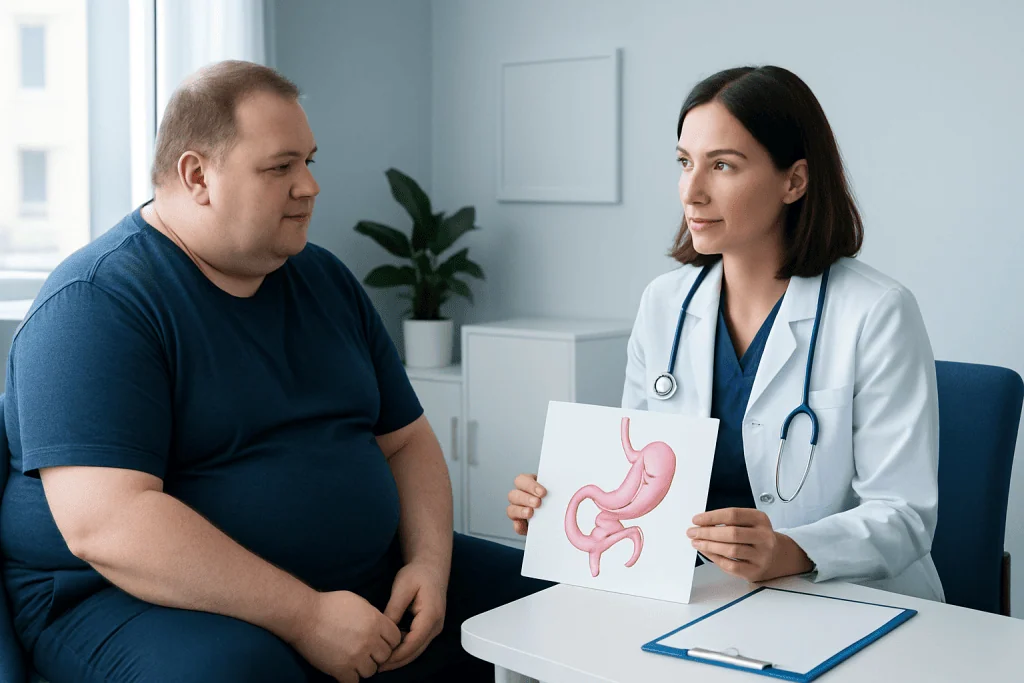
Not every patient needs the same type of bariatric procedure. Gastric bypass may be especially helpful for people who have severe obesity together with metabolic disease, particularly type 2 diabetes, or for those who need a procedure with both restrictive and hormonal effects on appetite and blood sugar regulation.
It may also be considered in people who have significant acid reflux, depending on their individual anatomy and symptoms. In some cases, gastric bypass is chosen instead of a sleeve procedure because it may better address reflux or certain eating patterns. However, the best approach varies from person to person.
Other procedures may be discussed during evaluation, such as gastric sleeve surgery, gastric balloon treatment, or other surgical and non-surgical approaches. A multidisciplinary team compares expected benefits, long-term nutritional considerations, medical history, and patient preferences before recommending one option over another.
Who May Need Extra Caution or May Not Be Eligible?
Some people may need further treatment or evaluation before surgery is considered safe. Examples include uncontrolled psychiatric illness, active substance misuse, untreated eating disorders, or medical conditions that make anesthesia or abdominal surgery unusually risky. Surgery may also be postponed if a person is not yet ready to follow the long-term dietary and medical requirements that come after the operation.
Previous abdominal surgery does not always prevent gastric bypass, but it can affect planning. Doctors may also assess for conditions such as hernias, including incisional hernia, if symptoms or examination findings suggest one. These details help the surgical team plan the safest approach.
Pregnancy, plans for pregnancy in the near future, severe nutritional deficiencies, or poorly controlled chronic disease may require timing adjustments or treatment first. In addition, some patients may benefit more from another procedure depending on their age, medication needs, anatomy, or reflux history. This is why candidacy should always be individualized rather than based on BMI alone.
How Doctors Assess Candidacy
Evaluation for a bypass stomach operation usually involves a team that may include a bariatric surgeon, physician, dietitian, psychologist or psychiatrist, anesthesiologist, and sometimes endocrinology or cardiology specialists. The goal is to confirm that surgery is appropriate, to reduce risk, and to prepare the patient for the changes ahead.
Assessment often includes a review of weight history, past diet attempts, current medications, existing health conditions, and symptoms such as reflux or sleep apnea. Blood tests are used to check blood sugar, liver function, kidney function, anemia, and vitamin levels. Some patients may also need imaging, endoscopy, sleep studies, or heart and lung assessments.
Nutrition and behavioral evaluation are just as important as physical testing. Patients are usually asked about meal patterns, binge eating, emotional eating, alcohol use, and their understanding of postoperative eating rules. This helps identify barriers early and gives patients the best chance of a safer recovery and durable results.
Benefits, Risks, and What to Expect After Surgery
For eligible patients, gastric bypass can lead to meaningful weight loss and improvement in many obesity-related conditions. Some people notice better blood sugar control very early after surgery, even before major weight loss occurs. Many also experience improved mobility, energy, and quality of life over time.
Like any major operation, it has risks. Short-term risks can include bleeding, infection, blood clots, leakage at surgical connections, or anesthesia-related complications. Longer-term issues may include vitamin and mineral deficiencies, dumping syndrome, ulcers, bowel obstruction, gallstones, or weight regain if lifestyle changes are not maintained.
Recovery and long-term success depend on following medical guidance. Most patients progress through staged eating plans, beginning with liquids and gradually moving to soft foods and then regular textured meals. Lifelong follow-up is important to monitor nutrition, mental well-being, weight trends, and any new symptoms that may need treatment.
- Eat small, measured meals and chew thoroughly.
- Prioritize protein and adequate fluid intake.
- Avoid frequent high-sugar grazing and calorie-dense drinks.
- Take prescribed vitamins and minerals regularly.
- Stay active and attend scheduled follow-up visits.
Preparing for Surgery and Long-Term Self-Care
Preparation often starts weeks or months before the operation. Patients may be asked to follow a supervised nutrition plan, stop smoking, increase physical activity gradually, and work on sleep, hydration, and stress management. If they take certain medications, the care team will explain what needs to be adjusted before surgery.
After surgery, healthy routines become part of everyday life. Meals are smaller, and eating too quickly or eating beyond fullness can cause discomfort. Vitamin supplementation is essential because gastric bypass changes how nutrients are absorbed. Follow-up blood tests help detect deficiencies before they cause symptoms.
Long-term self-care also includes realistic expectations. Weight loss may happen steadily but not always in a straight line, and plateaus can occur. Support from dietitians, support groups, mental health professionals, and exercise specialists can make it easier to maintain habits and respond to challenges over time.
When to Speak With a Specialist
It may be time to speak with a bariatric specialist if excess weight is affecting health, mobility, sleep, fertility, or daily life and repeated non-surgical efforts have not led to lasting improvement. A specialist can explain whether surgery is appropriate and whether gastric bypass or another option may be safer or more effective for that individual.
Urgent medical attention is needed after surgery if there is severe abdominal pain, persistent vomiting, chest pain, shortness of breath, fainting, fever, signs of dehydration, or inability to keep fluids down. These symptoms do not always mean a serious complication, but they should be assessed promptly.
For people seeking care across borders, Acibadem International’s multidisciplinary specialists and JCI-accredited hospitals evaluate and treat obesity and related conditions for international patients. A careful consultation can help clarify whether laparoscopic bariatric surgery or another approach is the best match for personal health goals and medical needs.
Frequently asked questions
What BMI is usually needed for a bypass stomach operation?
Many programs consider gastric bypass for adults with a BMI of 40 or higher, or 35 or higher with obesity-related health conditions. In selected cases, surgery may be considered at lower BMI levels, especially when metabolic disease is difficult to control. Final eligibility depends on a full medical assessment, not BMI alone.
Is gastric bypass only for people who have failed dieting?
Doctors usually want to see that structured lifestyle efforts have been tried, because surgery is not the first step for most people. However, the goal is not to judge willpower. Severe obesity is a complex chronic disease, and surgery may be the most effective evidence-based treatment for some patients.
How do doctors decide between gastric bypass and sleeve gastrectomy?
The choice depends on several factors, including BMI, type 2 diabetes, reflux symptoms, eating patterns, nutritional risk, and prior abdominal surgery. Gastric bypass may be preferred in some people with reflux or certain metabolic needs. A bariatric team explains the pros and cons of each option for the individual patient.
Can a person with diabetes be a good candidate for gastric bypass?
Yes, many people with type 2 diabetes may be good candidates, especially if blood sugar remains difficult to control. Gastric bypass can improve metabolic health in addition to supporting weight loss. The decision still depends on overall health, medications, and readiness for long-term follow-up.
What makes someone a poor candidate for gastric bypass?
A person may not be a good candidate if there is an untreated medical or mental health condition that raises surgical risk or makes postoperative care difficult. Active substance misuse, inability to follow nutrition guidance, or uncontrolled illness may require treatment first. In some cases, another weight-loss procedure may simply be a better fit.
Will gastric bypass guarantee permanent weight loss?
No treatment can guarantee a specific long-term result. Gastric bypass is a powerful tool, but lasting success depends on nutrition habits, physical activity, follow-up care, and management of emotional or medical factors that affect weight. Even if some weight is regained, many patients still keep meaningful health benefits.
References
- World Health Organization
- American Society for Metabolic and Bariatric Surgery
- National Institute of Diabetes and Digestive and Kidney Diseases
- National Health Service
- Mayo Clinic
This article is for general information only and is not a substitute for professional medical advice. Please consult a qualified doctor about your individual situation.
Medical weight-loss options in Turkey — costs & eligibility
JCI-accredited · board-certified surgeons · reply within 24h
Add us as a Preferred Source to see more of our trusted health content across Google Search, AI Overviews and Discover.
Check your numbers in seconds
BMI, calories, due date, blood pressure and 30+ more clinical calculators — free, instant, doctor-reviewed ranges.