Can You Die From Fibroids Surgery: Procedure, Recovery and Results

Death from fibroid surgery is rare, but serious complications such as major bleeding, blood clots, severe infection or injury to nearby organs can occur. The type of procedure, fibroid size and location, overall health and prior abdominal surgery can affect individual risk.
Key Takeaways
- Death from fibroid surgery is rare, but serious complications such as major bleeding, blood clots, severe infection or injury to nearby organs can occur.
- The type of procedure, fibroid size and location, overall health and prior abdominal surgery can affect individual risk.
- Myomectomy removes fibroids while preserving the uterus; hysterectomy removes the uterus and is definitive treatment for fibroids.
- Recovery is often faster after laparoscopic or robotic surgery than after open abdominal surgery, although timelines vary.
- Urgent medical assessment is needed for chest pain, shortness of breath, fainting, heavy bleeding, worsening pain, fever or wound problems after surgery.
Can you die from fibroids surgery? Death from myomectomy or hysterectomy for fibroids is very rare, particularly when surgery is planned and performed by an experienced team, but no operation is entirely risk-free. Understanding the procedure, recovery expectations and warning signs can help patients prepare safely and make informed decisions with their gynecologist.
Can You Die From Fibroids Surgery?
Can you die from fibroids surgery? It is possible in the sense that every major operation carries a small risk of life-threatening complications, but death from planned fibroid surgery is very rare. Most people recover safely, especially when surgery is carefully planned, medical conditions are assessed beforehand and postoperative warning signs are addressed promptly.
Fibroids are noncancerous growths of the muscle of the uterus. Surgery may be considered when they cause heavy menstrual bleeding, anemia, pelvic pressure or pain, fertility concerns, repeated pregnancy problems, or symptoms that do not improve with other options. The most suitable approach depends on the person’s goals, the fibroids and their overall health.
Before recommending surgery, a gynecologist discusses likely benefits, alternatives and individual risks. This discussion should include whether preserving fertility or the uterus is important, as well as the possibility that the surgical plan may need to change during the operation if unexpected bleeding or findings occur.
How Fibroid Removal Surgery Works and Who May Need It
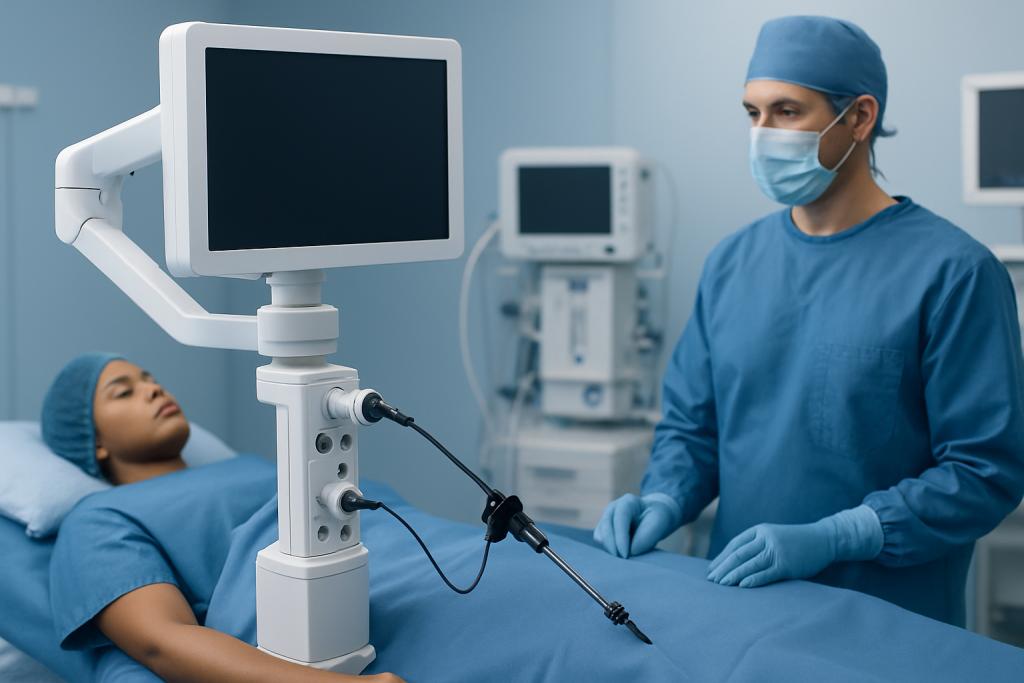
Fibroid surgery is not one single procedure. A myomectomy removes fibroids and preserves the uterus, so it is commonly considered for people who wish to retain the possibility of pregnancy or simply prefer to keep their uterus. A hysterectomy removes the uterus and prevents fibroids from returning, but pregnancy is no longer possible afterward.
The route of surgery may be hysteroscopic, laparoscopic or open abdominal. Hysteroscopic surgery uses instruments passed through the vagina and cervix to treat selected fibroids growing into the uterine cavity. Laparoscopic or robotic myomectomy uses a camera and small abdominal incisions. An open myomectomy uses a larger incision and may be recommended for very large, numerous or deeply placed fibroids.
Candidacy is based on symptoms, imaging findings, uterine size, the number and position of fibroids, prior operations, blood counts, medical conditions and reproductive plans. Some people may instead benefit from medication, observation, or uterus-sparing procedures such as uterine fibroid embolization.
Evaluation commonly includes a pelvic examination, ultrasound and sometimes magnetic resonance imaging. Testing for anemia and a review of medications are also important, particularly for medicines that affect bleeding or blood clotting.
What Happens During the Procedure?

Prior to surgery, the care team reviews medical history, allergies, medicines and anesthesia considerations. Patients are given instructions about eating and drinking before anesthesia, and may be advised to adjust certain medicines only under the guidance of their prescribing clinician. Blood may be prepared in advance when a procedure is expected to carry a higher bleeding risk.
During a myomectomy, the surgeon identifies the fibroids, makes an incision in the uterus, removes the growths and carefully repairs the uterine muscle. With hysteroscopic myomectomy, the surgeon removes fibroid tissue through the cervix without abdominal cuts. In laparoscopic surgery, small incisions allow placement of a camera and surgical instruments; open surgery requires an abdominal incision.
General anesthesia is commonly used for laparoscopic and open procedures. The operation’s length varies substantially according to the number, size and location of fibroids and whether pelvic scarring is present. Tissue removed in surgery is generally examined by a pathology laboratory to confirm the diagnosis.
Occasionally, a minimally invasive procedure must be converted to an open operation for safety, such as when bleeding cannot be controlled adequately through small incisions. Although uncommon, hysterectomy may be necessary in an emergency to control life-threatening bleeding; this possibility should be discussed before surgery when relevant.
How Risky Is Fibroid Removal Surgery?
How risky is fibroid removal surgery? For most appropriately selected patients, fibroid removal surgery is performed safely, but the degree of risk is individual. Serious complications are uncommon, while temporary discomfort, fatigue, constipation and mild vaginal bleeding or discharge can occur during recovery depending on the procedure.
The main surgical risks include significant bleeding or a need for blood transfusion, infection, blood clots in the legs or lungs, reactions to anesthesia, and injury to the bladder, bowel, ureters or blood vessels. Scar tissue can develop after pelvic surgery and may contribute to future pain, bowel obstruction or fertility difficulties in some people. Fibroids can also recur after myomectomy because the uterus remains in place.
Risk may be higher with very large or multiple fibroids, severe anemia, obesity, certain heart or lung conditions, bleeding disorders, previous abdominal surgery or extensive pelvic adhesions. Patients can reduce avoidable risk by sharing a full medical history, stopping smoking, following preoperative instructions and getting early advice if concerning symptoms develop after surgery.
Benefits can be meaningful: many people experience less heavy bleeding, improvement in anemia, reduced pelvic pressure and better day-to-day comfort. Myomectomy may also support reproductive plans in selected circumstances, though surgery does not guarantee pregnancy and requires individualized fertility counseling.
How Long Does It Take to Heal From a Laparoscopic Myomectomy?
How long does it take to heal from a laparoscopic myomectomy? Many people return to light daily activities within about one to two weeks, while full recovery commonly takes around two to four weeks. Recovery can take longer when numerous or deep fibroids are removed, when complications occur, or when the person has other health conditions.
By comparison, recovery after an open abdominal myomectomy often takes roughly four to six weeks or longer. Hysteroscopic myomectomy generally has a shorter recovery, with many patients resuming routine activities within days, although the treating team’s instructions should guide activity, work and sexual activity.
In the first days after laparoscopic surgery, shoulder-tip discomfort from the gas used to create working space, abdominal soreness, tiredness and constipation are common. Gentle walking, adequate fluids and prescribed pain relief can help. Heavy lifting, strenuous exercise and driving should wait until the surgeon confirms it is safe and the patient can move comfortably without sedating pain medicine.
Follow-up appointments allow the team to assess incision healing, review pathology if needed and discuss when to resume exercise, intercourse and attempts at pregnancy. After a deeper uterine incision, a clinician may advise allowing the uterus more time to heal before trying to conceive.
What to Do After Fibroid Removal
What to do after fibroid removal? The priority is to rest while gradually returning to movement. Short, frequent walks can support circulation and bowel function, while avoiding heavy lifting and high-impact exercise until cleared. Taking medication exactly as prescribed and attending follow-up visits are important parts of recovery.
Patients should monitor bleeding, pain, temperature and incisions. Light spotting can be expected after some procedures, but bleeding that is heavy, persistent or accompanied by dizziness needs medical advice. Keeping surgical wounds clean and dry according to the team’s instructions helps reduce infection risk; patients should not apply creams or other products unless advised.
Constipation is common after anesthesia and pain medicines. Fluids, fiber-containing foods, gentle activity and clinician-recommended bowel treatments can be useful. Emotional recovery also matters: symptoms, fertility concerns and changes in body function can affect wellbeing, and patients should feel comfortable asking for support.
For patients seeking coordinated care, Acibadem International’s multidisciplinary specialists and JCI-accredited hospitals diagnose and treat uterine fibroids for international patients. A gynecologist can explain whether uterine fibroids are best managed with monitoring, medication, a minimally invasive procedure or surgery.
What Should I Eat After Fibroid Surgery?
What should I eat after fibroid surgery? Most patients can begin with small, easy-to-digest meals once nausea has settled and then return gradually to a balanced diet as tolerated. Water, soups, yogurt, eggs, fish, beans, vegetables, fruit and whole grains can provide protein, fiber and nutrients that support recovery.
Fiber and fluids are especially helpful because constipation is common after anesthesia and pain medication. If appetite is low, smaller meals throughout the day may be easier than large portions. It is sensible to limit alcohol while taking pain medicines or recovering from anesthesia, and to avoid supplements or herbal products unless the surgical team says they are appropriate.
People who had heavy menstrual bleeding or anemia before surgery may need dietary advice focused on iron-rich foods, such as lean meat, legumes, leafy vegetables and fortified grains. A clinician may also recommend blood tests or iron treatment; dietary changes alone may not correct significant anemia.
There is no single “fibroid surgery diet,” and patients do not need restrictive eating plans unless another medical condition requires one. Persistent vomiting, inability to keep fluids down or severe abdominal bloating should be reported to the healthcare team.
When to Seek Medical Care
Contact the surgical team promptly for fever, increasing redness or drainage from an incision, worsening rather than improving pain, persistent vomiting, trouble urinating, increasing abdominal swelling, foul-smelling discharge, or bleeding that is heavier than expected. These symptoms do not always mean a serious complication, but they should be assessed without delay.
Seek emergency medical care for chest pain, shortness of breath, coughing blood, sudden fainting, confusion, one-sided leg swelling or pain, or very heavy vaginal bleeding with weakness or dizziness. These can be signs of potentially serious complications, including a blood clot or significant blood loss.
Before surgery, a patient should arrange a clear plan for transport, help at home if needed and access to the surgical team’s contact details. Anyone considering surgery should ask about the recommended approach, expected recovery, alternatives, effects on fertility and the personal factors that may influence risk.
Frequently asked questions
Can you die from fibroids surgery?
Death from planned fibroid surgery is very rare, but it is not impossible because major surgery can lead to serious complications. Important risks include severe bleeding, blood clots, infection, anesthesia complications and injury to nearby organs. A preoperative assessment and prompt attention to warning signs help reduce risk.
Is myomectomy safer than hysterectomy?
Neither procedure is universally safer because the best option depends on fibroid characteristics, symptoms, health history and reproductive goals. Myomectomy preserves the uterus but fibroids may return, while hysterectomy is definitive for fibroids but permanently ends the ability to carry a pregnancy. A gynecologist can explain the likely risks and benefits for the individual.
Can fibroids grow back after surgery?
Fibroids can recur after myomectomy because the uterus remains and new fibroids may develop. A hysterectomy removes the uterus, so uterine fibroids cannot return afterward. The chance of future symptoms depends on age, remaining fibroids and other individual factors.
How painful is recovery after fibroid surgery?
Some abdominal or pelvic discomfort is expected, particularly during the first several days. Pain is usually managed with a tailored plan that may include prescribed medicines, gentle movement and rest. Pain that becomes severe, suddenly worsens or is accompanied by fever, heavy bleeding or shortness of breath needs urgent medical advice.
When can a person exercise after fibroid surgery?
Gentle walking is often encouraged soon after surgery, but strenuous exercise and heavy lifting should wait until the surgeon advises it is safe. Timing depends on whether the procedure was hysteroscopic, laparoscopic or open, as well as how healing is progressing. Patients should follow their own postoperative instructions rather than comparing recovery with someone else’s.
Can a person get pregnant after myomectomy?
Many people can become pregnant after myomectomy, but outcomes depend on age, fertility factors and the number, size and location of fibroids. The uterine wall needs time to heal before pregnancy is attempted, and the surgeon can provide individualized timing advice. Some patients may need additional fertility evaluation or pregnancy monitoring.
References
- American College of Obstetricians and Gynecologists
- National Institute of Child Health and Human Development
- National Health Service
- Mayo Clinic
- World Health Organization
This article is for general information only and is not a substitute for professional medical advice. Please consult a qualified doctor about your individual situation.
Explore treatments in Turkey — costs, top hospitals & a free quote
JCI-accredited · board-certified surgeons · reply within 24h
Add us as a Preferred Source to see more of our trusted health content across Google Search, AI Overviews and Discover.

More from the Health Library


Related Specialists

Assoc. Prof. Dr. Erman Çilsal
Pediatric Cardiology
Prof. Dr. Ertuğrul Seyrek
Internal Medicine
Dr. Mehmet Fatih Özkan
Emergency Service
Dr. Yalçın Culha
Inpatient Clinic Physicians Clinical Service