Can You Still Be Pregnant and Have Periods? Causes, Explanations, and Next Steps

A true menstrual period usually does not occur during pregnancy. Light spotting in early pregnancy can happen for several reasons, including implantation or cervical changes.
Key Takeaways
- A true menstrual period usually does not occur during pregnancy.
- Light spotting in early pregnancy can happen for several reasons, including implantation or cervical changes.
- Heavy bleeding, severe pain, dizziness, or passing tissue needs urgent medical assessment.
- Pregnancy tests, pelvic examination, and ultrasound help clarify whether bleeding is pregnancy-related.
- Anyone who thinks they may be pregnant and is bleeding should speak with a qualified healthcare professional.
In most cases, a person cannot have a true menstrual period while pregnant because ovulation and the usual menstrual shedding stop. However, bleeding or spotting can still happen in pregnancy, and while it is often harmless, some causes need prompt medical review.
Overview: Can pregnancy and periods happen at the same time?
In simple terms, the answer is usually no. A true menstrual period happens when the uterine lining sheds because pregnancy has not occurred. During pregnancy, the hormonal changes that support the developing embryo prevent the usual menstrual cycle, so a regular period should stop.
That said, many people use the word “period” to describe any vaginal bleeding. This is where confusion often begins. Spotting or bleeding can happen in early pregnancy and sometimes later as well. In many cases it is mild and not dangerous, but it is not the same as a normal monthly period.
Most brief, light spotting episodes turn out to have a harmless explanation. Still, some patterns of bleeding can signal a problem, especially if they are heavy, painful, or associated with faintness. For this reason, anyone who could be pregnant and notices unexpected bleeding should consider both possibilities: a non-pregnancy cause and a pregnancy-related cause.
A practical first step is to think about timing and symptoms. A missed period, breast tenderness, nausea, fatigue, or a positive home pregnancy test make pregnancy more likely. If those signs are present along with bleeding, a clinician may evaluate for normal early pregnancy changes as well as conditions such as ectopic pregnancy or miscarriage.
Why bleeding can happen in pregnancy
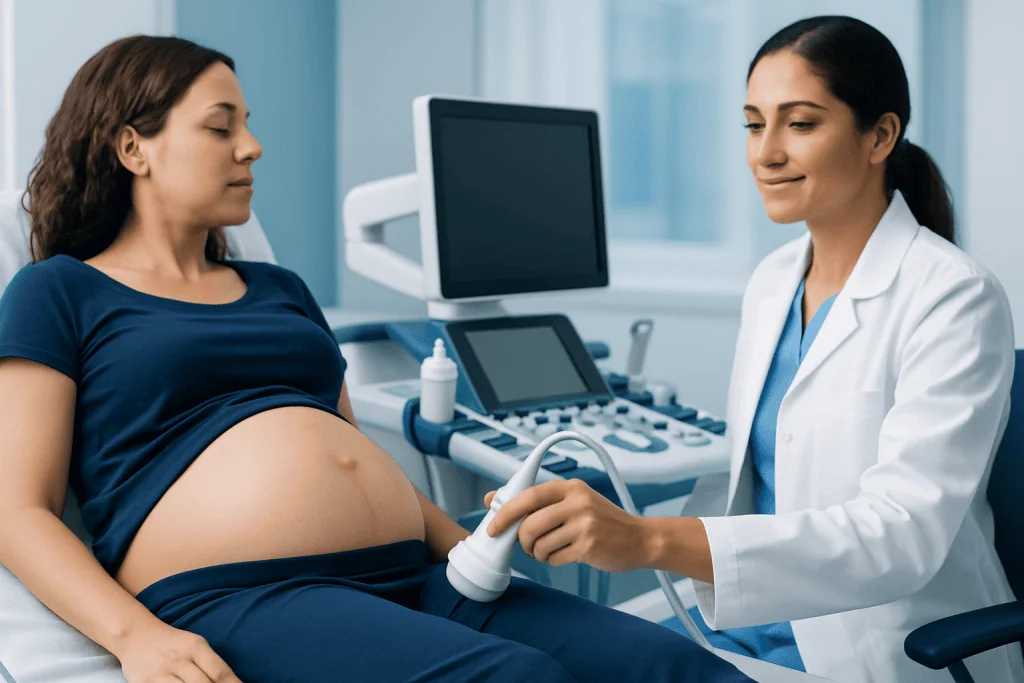
Not all bleeding in pregnancy means something is wrong. In early pregnancy, light spotting may occur around the time the fertilized egg attaches to the lining of the uterus. This is often called implantation bleeding. It is typically lighter than a period, shorter in duration, and does not usually involve the same steady flow seen with menstruation.
The cervix also becomes more sensitive during pregnancy because it has an increased blood supply. This means mild spotting can sometimes happen after sex, after a pelvic exam, or occasionally without a clear trigger. Small episodes of brown or pink discharge are often less concerning than bright red, heavier bleeding.
Other pregnancy-related causes of bleeding can include a small collection of blood near the pregnancy sac, changes in the placenta later in pregnancy, or pregnancy loss. Some causes are urgent and need prompt care, while others simply need monitoring. The pattern of bleeding, how far along the pregnancy is, and whether there is pain all help doctors understand what may be happening.
It is also possible for bleeding to have nothing to do with pregnancy itself. Hormonal fluctuations, infections, cervical polyps, or other gynecologic conditions can cause unexpected bleeding in someone who also happens to be pregnant. This is one reason self-diagnosis is often difficult without a medical assessment.
How bleeding in pregnancy differs from a period
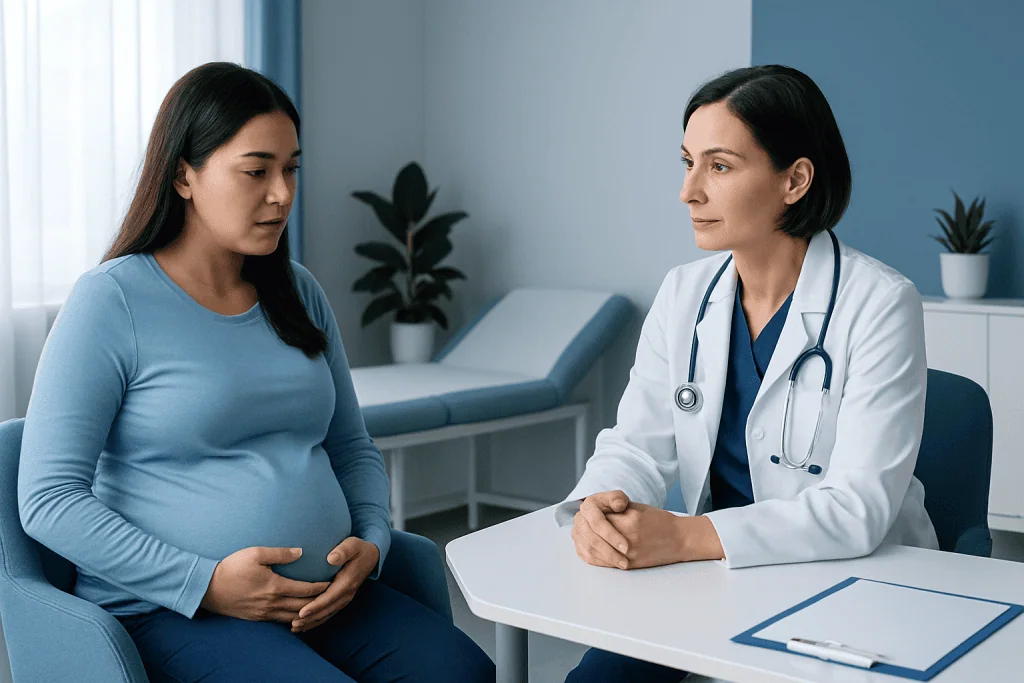
A menstrual period usually follows a familiar pattern. It often begins around the expected date in the cycle, lasts several days, and may become heavier before tapering off. Menstrual blood flow is often strong enough to require pads or tampons and may be accompanied by the usual cramping that someone recognizes from previous cycles.
Bleeding in pregnancy is more likely to be lighter, shorter, and less predictable. It may appear as a few spots on underwear, pink or brown discharge, or a small amount of red bleeding that does not follow the person’s usual cycle. Some people notice that what they thought was a “light period” was actually atypical compared with their regular menstruation.
Pregnancy-related bleeding may also happen alongside symptoms that are not typical of a normal period, such as a missed period beforehand, unusual nausea, marked fatigue, breast changes, or increased urination. A home pregnancy test can help clarify the situation, although very early testing may need to be repeated after a few days if the result is negative but pregnancy is still possible.
If the bleeding seems exactly like a normal period and occurs on schedule, pregnancy is less likely, though not impossible in very early stages. If there is uncertainty, especially after unprotected sex or assisted conception, a healthcare professional may advise blood tests or an ultrasound to confirm what is happening.
Possible causes and risk factors
Causes of bleeding when someone may be pregnant range from normal early changes to conditions that need urgent treatment. Common possibilities include implantation bleeding, cervical irritation, hormonal fluctuations, and bleeding from the uterine lining before pregnancy hormones are high enough to fully stop it. These situations are often mild, especially if the bleeding is light and short-lived.
More serious causes include miscarriage, ectopic pregnancy, and less commonly molar pregnancy. An ectopic pregnancy happens when the pregnancy implants outside the uterus, most often in a fallopian tube. It can cause bleeding and pain and may become a medical emergency if it ruptures. Later in pregnancy, placental problems can also lead to bleeding and need prompt medical care.
Risk factors can help guide the assessment but do not confirm the cause on their own. These may include a history of ectopic pregnancy, previous miscarriage, pelvic infections, fertility treatment, smoking, uterine abnormalities, or being farther along in pregnancy. Even without risk factors, however, bleeding in pregnancy can still happen.
Some non-pregnancy causes deserve consideration too, such as vaginal or cervical infection, cervical inflammation, polyps, or hormonal irregularity. In a broader gynecologic evaluation, doctors may also consider disorders such as endometriosis if the person has ongoing pelvic pain or abnormal bleeding patterns outside pregnancy.
How doctors diagnose the cause
The evaluation usually starts with clear, practical questions. A doctor may ask when the last normal period occurred, whether there has been unprotected sex, how heavy the bleeding is, whether there are clots, and whether pain, dizziness, shoulder pain, fever, or fainting is present. These details help determine how urgent the situation may be.
A pregnancy test is often the first step. If pregnancy is possible, clinicians may use a urine test or a blood test that measures human chorionic gonadotropin, also called hCG. Blood testing can be especially useful in early pregnancy because repeating the level over time may show whether the pregnancy is developing in the expected way.
Ultrasound is one of the most helpful tools for finding the cause of bleeding. It can show whether a pregnancy is inside the uterus, estimate gestational age, and look for findings that suggest miscarriage or ectopic pregnancy. In some cases, a pelvic examination is also needed to assess the cervix, the amount of bleeding, or signs of infection.
Further care depends on the findings. Some people only need reassurance and follow-up. Others may need observation, medication, or urgent treatment. If a procedure is required, a specialist may discuss options such as dilation and curettage (D&C) when appropriate for specific pregnancy loss situations.
Treatment options and what happens next
Treatment depends entirely on the cause. Light spotting from implantation or cervical sensitivity may not require any specific treatment beyond monitoring and follow-up. In these cases, the most important step is making sure the pregnancy is in the right location and that the person remains stable and comfortable.
If a miscarriage is diagnosed, management may involve watchful waiting, medication, or a procedure, depending on the stage of pregnancy, symptoms, and patient preference. If an ectopic pregnancy is found, treatment is especially important because it cannot continue normally and may become dangerous if not addressed. Management may include medication or laparoscopic surgery, depending on the situation.
When bleeding is related to infection, cervical issues, or non-pregnancy gynecologic causes, treatment focuses on the underlying condition. For people trying to conceive or those with repeated losses or cycle concerns, a clinician may recommend a broader review through fertility and reproductive assessment if appropriate.
Near the end of the care pathway, some patients benefit from coordinated specialist support. Acibadem International’s multidisciplinary specialists in JCI-accredited hospitals diagnose and treat pregnancy-related bleeding and related gynecologic conditions for international patients, with care tailored to clinical need.
Self-care, monitoring, and what not to ignore
If bleeding is light and the person feels well, it can help to monitor the amount and color of the bleeding, note any cramps or pain, and keep track of pregnancy symptoms. Using a pad instead of a tampon can make it easier to see how much bleeding is occurring. A home pregnancy test may be useful if pregnancy is uncertain, but persistent questions are best answered by a clinician.
It is generally wise to avoid assuming that every early bleed is either harmless implantation bleeding or a normal period. Bleeding that becomes heavier, lasts longer than expected, or comes with worsening cramps deserves medical advice. It is also sensible to follow any activity guidance given by the healthcare team, especially if an ultrasound or follow-up test has been arranged.
Supportive self-care may include rest, hydration, and avoiding heavy exertion until the cause is clearer, though these steps do not replace medical assessment. People should not start or stop prescribed medications without professional advice. If a person is pregnant or could be pregnant, they should check with a doctor before taking over-the-counter remedies for pain or bleeding.
Emotional reassurance matters too. Unexpected bleeding can be stressful even when the cause is minor. Clear communication with a doctor, timely testing, and follow-up often provide the fastest path to both reassurance and appropriate treatment.
When to seek medical care
Medical care should be sought promptly if there is heavy bleeding, severe or one-sided pelvic pain, fainting, dizziness, shoulder pain, fever, or passing tissue. These symptoms may point to pregnancy loss, ectopic pregnancy, or another condition that needs urgent treatment. Anyone who has a positive pregnancy test and significant bleeding should contact a healthcare professional without delay.
It is also important to get medical advice if bleeding continues for more than a short time, keeps recurring, or feels different from the person’s usual cycle. People with previous ectopic pregnancy, miscarriage, fertility treatment, or known gynecologic conditions may be advised to seek assessment sooner rather than later.
Even when symptoms are mild, uncertainty itself is a good reason to check in with a clinician. A doctor can confirm whether pregnancy is present, whether the pregnancy is inside the uterus, and whether follow-up testing is needed. Early evaluation is often the safest and most reassuring next step.
Frequently asked questions
Can you still be pregnant and have periods?
Usually no. A true menstrual period does not continue during pregnancy because the hormonal cycle changes to support the pregnancy. However, some people do have spotting or bleeding that may be mistaken for a period.
How can someone tell the difference between implantation bleeding and a period?
Implantation bleeding is usually lighter, shorter, and less consistent than a regular period. It may look like pink or brown spotting rather than a steady red flow. If there is any doubt, a pregnancy test and medical advice can help clarify the cause.
Is bleeding in early pregnancy always a sign of miscarriage?
No. Light bleeding in early pregnancy can happen for several reasons, and many pregnancies continue normally. Still, bleeding should not be ignored, especially if it is heavy, painful, or associated with dizziness or fainting.
Can a pregnancy test still be positive if someone is bleeding?
Yes. If bleeding happens during pregnancy, a home pregnancy test can still be positive because it detects pregnancy hormone. A doctor may repeat testing or order blood tests and ultrasound to better understand what is happening.
When is bleeding during pregnancy an emergency?
Emergency care is important if the bleeding is heavy, there is severe abdominal or one-sided pain, fainting, shoulder pain, or signs of shock. These symptoms can occur with ectopic pregnancy or heavy pregnancy loss and need urgent evaluation.
What will a doctor do if someone may be pregnant and is bleeding?
The doctor will usually ask about the timing and amount of bleeding, do a pregnancy test, and often arrange an ultrasound. They may also perform a pelvic examination and blood tests. The goal is to confirm whether a pregnancy is present, where it is located, and whether treatment is needed.
This article is for general information only and is not a substitute for professional medical advice. Please consult a qualified doctor about your individual situation.
IVF & fertility treatment in Turkey — success rates and costs
JCI-accredited · board-certified surgeons · reply within 24h
Add us as a Preferred Source to see more of our trusted health content across Google Search, AI Overviews and Discover.
Check your numbers in seconds
BMI, calories, due date, blood pressure and 30+ more clinical calculators — free, instant, doctor-reviewed ranges.

More from the Health Library

Vaporizer vs Humidifier: Key Differences and How Doctors Tell Them Apart

How to Get Rid of Lice Naturally in One Day? A Doctor-Reviewed Answer

How Long Does Adderall Stay in Your System? Here Is What the Evidence Says

Patellofemoral Pain Syndrome: Common Causes, Related Conditions, and When to See a Doctor

Bell’s Palsy vs Stroke: Recognizing Facial Weakness

How to Fall Asleep? Here Is What the Evidence Says
Gynecology & Obstetrics Specialists at Acibadem

Dr. Ayfer Pepekal Kükrer
Gynecology & Obstetrics
Assoc. Prof. Dr. Aylin Önder Dirican
Gynecology & Obstetrics
Dr. Aylin Tatlıadım
Gynecology & Obstetrics
Dr. Ayşe Dişli Gürler
Gynecology & Obstetrics