

Cancer Care: Diagnosis, Treatment, and Support
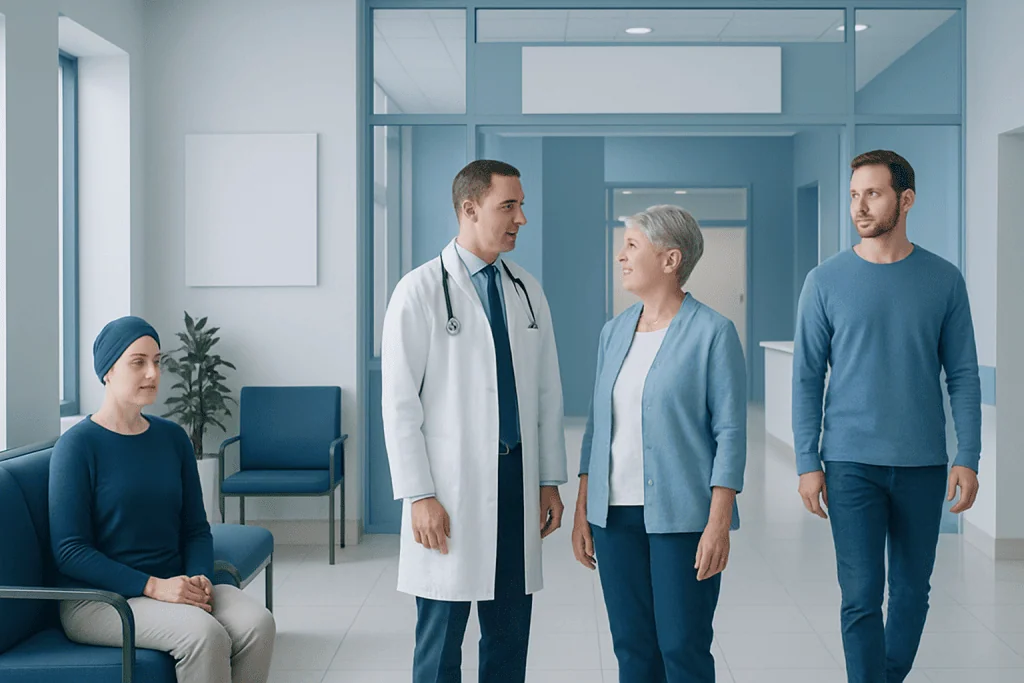
Cancer care covers diagnosis, treatment, symptom relief, follow-up, and supportive services. Treatment plans are personalized based on the cancer type, stage, overall health, and patient preferences.
Key Takeaways
- Cancer care covers diagnosis, treatment, symptom relief, follow-up, and supportive services.
- Treatment plans are personalized based on the cancer type, stage, overall health, and patient preferences.
- Common treatment options include surgery, chemotherapy, radiation therapy, targeted therapy, immunotherapy, and hormone therapy.
- Supportive care can help manage pain, fatigue, nutrition issues, emotional stress, and treatment side effects.
- Regular follow-up is important to monitor response, detect recurrence, and support recovery.
Cancer care includes the steps used to find, treat, and support people living with cancer. It often combines testing, personalized treatment, symptom management, and practical and emotional support from a multidisciplinary team.
Overview of Cancer Care
Cancer care is the broad term for the medical and supportive services used to diagnose, treat, and monitor cancer. It usually begins when a person develops symptoms, has an abnormal screening test, or is found to have a suspicious change on imaging or laboratory work. From that point, care may involve several specialists working together to confirm the diagnosis and build a treatment plan.
Modern cancer care is personalized. Doctors consider the type of cancer, where it started, whether it has spread, how quickly it may be growing, and the person’s age, general health, and goals. The aim may be to cure the cancer, control it for as long as possible, or relieve symptoms and maintain quality of life.
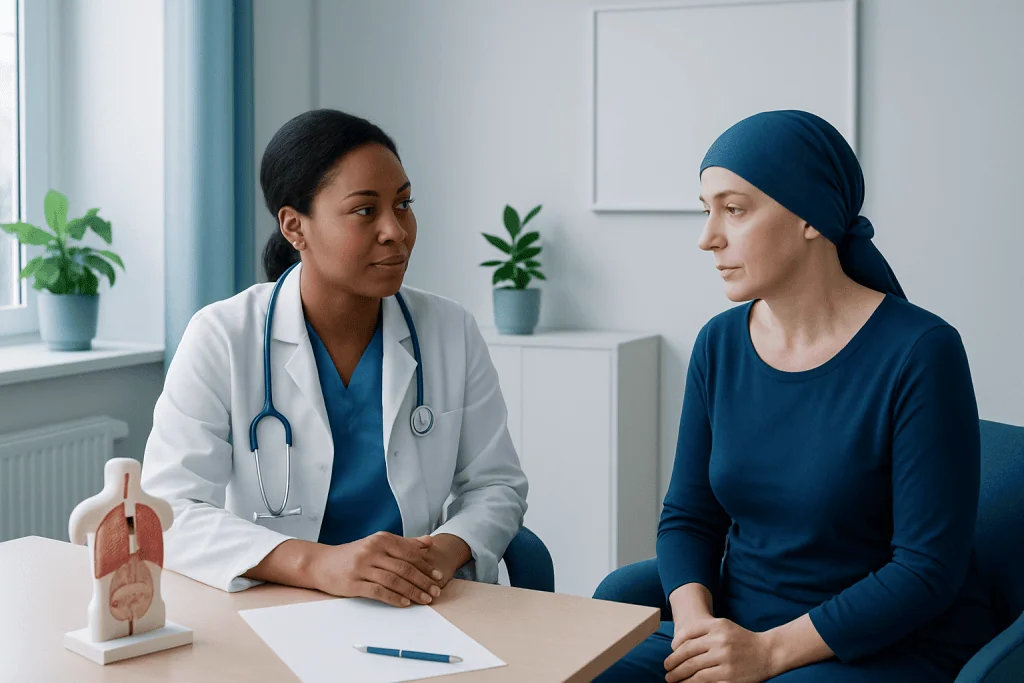
Care often involves a multidisciplinary team. This may include medical oncologists, surgical oncologists, radiation oncologists, pathologists, radiologists, specialist nurses, dietitians, psychologists, rehabilitation professionals, and palliative care experts. Working together helps ensure that treatment decisions are balanced, evidence-based, and centered on the patient.
Symptoms and Warning Signs
Cancer can cause many different symptoms, and some cancers may not cause noticeable problems at first. Symptoms depend on the organ involved, the size of the tumor, and whether the disease has spread. Because many cancer symptoms can also happen with non-cancerous conditions, symptoms alone do not confirm a diagnosis.
Possible warning signs include a new lump, unexplained weight loss, unusual bleeding, a persistent cough, changes in bowel or bladder habits, ongoing fatigue, difficulty swallowing, or a sore that does not heal. Skin changes, ongoing pain, or changes in a mole can also be important in some cases.
It is sensible to seek medical advice if symptoms last, worsen, or feel unusual for that person. Routine screening also matters because some cancers can be found before symptoms begin. Early detection often allows more treatment options and may improve outcomes.
- A lump or swelling that does not go away
- Persistent tiredness or unexplained weight loss
- Changes in bowel, bladder, or menstrual patterns
- Unusual bleeding or discharge
- Long-lasting cough, hoarseness, or trouble swallowing
Causes and Risk Factors
Cancer develops when cells grow and divide in an abnormal way. This usually happens because of changes in genes that control normal cell behavior. These changes may build up over time due to aging, environmental exposures, inherited factors, or a combination of influences. In many people, there is no single clear cause.
Known risk factors vary by cancer type. Common examples include tobacco use, heavy alcohol intake, obesity, physical inactivity, excess sun exposure, certain infections, radiation exposure, and contact with some workplace or environmental chemicals. A family history of cancer may suggest an inherited risk in some cases, though most cancers are not caused by a strong inherited mutation.
Having a risk factor does not mean a person will definitely develop cancer, and some people with cancer have no obvious risk factors. This is why prevention focuses on lowering modifiable risks where possible and using screening appropriately. Vaccination against certain infections, such as human papillomavirus and hepatitis B, can also help reduce the risk of some cancers.
How Cancer Is Diagnosed and Staged
Cancer diagnosis usually starts with a medical history and physical examination, followed by tests based on the person’s symptoms or screening results. These tests may include blood work, ultrasound, X-ray, CT, MRI, PET scanning, endoscopy, or other imaging methods. Imaging can show the size and location of an abnormal area, but it often cannot confirm the exact type of cancer on its own.
In many cases, a biopsy is needed to make a diagnosis. A biopsy removes a small sample of tissue so a pathologist can examine it under a microscope. This helps identify whether cancer is present, what type it is, and sometimes whether it has features that may respond to specific medicines. Molecular and genetic testing may also be used to guide more personalized treatment choices.
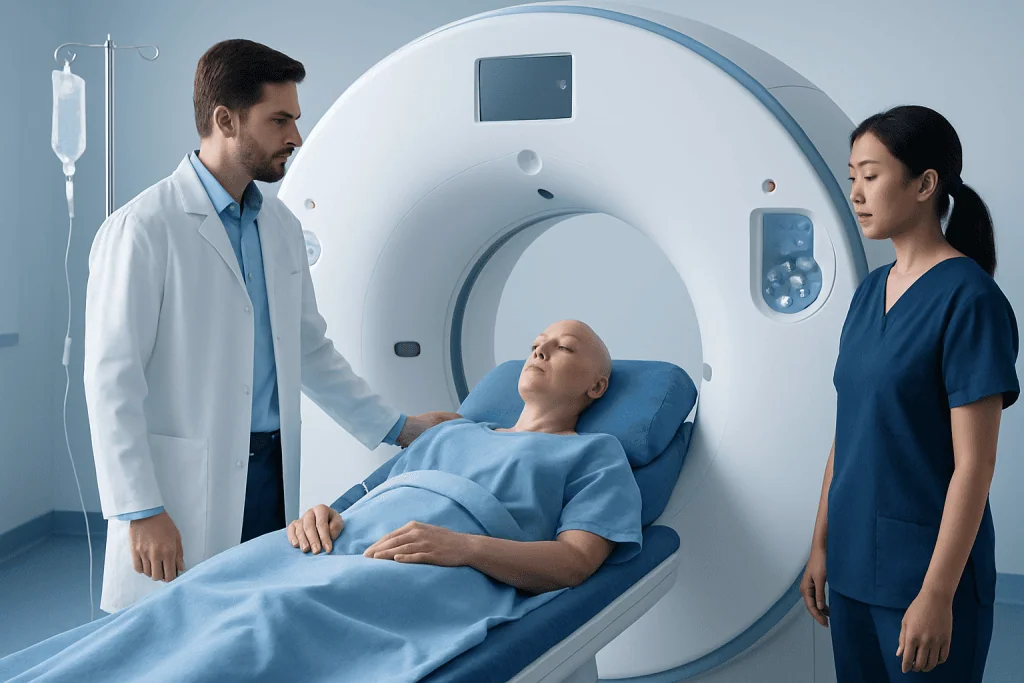
After diagnosis, doctors determine the stage of the cancer. Staging describes how large the cancer is and whether it has spread to lymph nodes or other parts of the body. Stage is one of the key factors used to choose treatment. For some patients, care may also include advanced imaging and image-guided procedures such as PET-CT scanning or biopsy procedures to clarify the diagnosis and extent of disease.
Treatment Options in Cancer Care
Cancer treatment is tailored to the individual. The main options include surgery, chemotherapy, radiation therapy, targeted therapy, immunotherapy, hormone therapy, stem cell transplantation for selected blood cancers, and active surveillance in certain situations. Some people receive one treatment, while others benefit from a planned combination given in a specific order.
Surgery may be used to remove a tumor and nearby tissue, either to cure the cancer or reduce symptoms. Radiation therapy uses high-energy beams to destroy cancer cells in a targeted area. Drug treatments such as chemotherapy, targeted therapy, immunotherapy, and hormone therapy may shrink tumors, lower the chance of recurrence, or treat cancer that has spread. Depending on the case, patients may receive chemotherapy or radiation therapy as part of a broader plan.
Treatment decisions are often discussed in a multidisciplinary tumor board, where specialists review test results and recommend the most suitable approach. The expected benefits, possible side effects, effect on fertility, impact on daily life, and the patient’s preferences are all important parts of shared decision-making. Clinical trials may also be considered for access to promising new therapies when appropriate.
Not every cancer can be cured, but treatment can still be very valuable. In advanced disease, therapy may slow cancer growth, relieve symptoms, and help preserve comfort and function. Good cancer care supports both length of life and quality of life.
Supportive Care, Recovery, and Follow-Up
Supportive care is an essential part of cancer care from the time of diagnosis onward. It focuses on preventing or easing symptoms and side effects caused by cancer or its treatment. This may include help with pain, nausea, fatigue, sleep problems, appetite loss, bowel changes, nerve symptoms, and emotional distress. Palliative care is one part of supportive care and can be provided alongside active cancer treatment.
Nutrition support, physical activity adapted to energy levels, and rehabilitation can all help people stay stronger during treatment and recovery. Some patients need speech therapy, physical therapy, or occupational therapy after surgery or radiation. Emotional support is equally important, as anxiety, sadness, uncertainty, and changes in body image are common and understandable.
After treatment, follow-up care continues. Doctors may arrange regular visits, blood tests, imaging, or other monitoring based on the cancer type and treatment received. Follow-up helps check for recurrence, manage late side effects, and support long-term health. In specialized centers, patients may also be assessed for related conditions such as brain tumor or lung cancer when symptoms or test results point in that direction.
For international patients seeking coordinated care, Acibadem International’s multidisciplinary specialists and JCI-accredited hospitals diagnose and treat many types of cancer, while also providing supportive services before, during, and after treatment.
Prevention and Self-Care
Not all cancers can be prevented, but healthy habits can lower risk and support overall well-being. Avoiding tobacco is one of the most important steps. Limiting alcohol, maintaining a healthy weight, staying physically active, and eating a balanced diet with plenty of plant-based foods may also help reduce cancer risk.
Sun protection is important for reducing the risk of skin cancer. Vaccination against human papillomavirus and hepatitis B can help prevent some cancers linked to infection. Workplace safety measures and minimizing exposure to harmful chemicals or unnecessary radiation are also part of prevention.
Screening is another key part of self-care. Depending on age, sex, family history, and personal risk factors, doctors may recommend screening tests for cancers such as breast, cervical, colorectal, prostate, or lung cancer. People should ask a qualified doctor which screening schedule is appropriate for them.
For those already diagnosed with cancer, self-care during treatment may include taking medicines as directed, attending appointments, reporting side effects early, resting when needed, and accepting support from family, friends, or counseling services. Small practical steps can make treatment more manageable.
When to See a Doctor
A doctor should be consulted if a person notices ongoing symptoms that are unusual, persistent, or getting worse. This includes a lump, unexplained bleeding, changes in bowel habits, lasting hoarseness, a chronic cough, trouble swallowing, unexplained weight loss, or severe fatigue. Many of these symptoms are not caused by cancer, but they should still be checked properly.
People should also seek advice if they have a strong family history of cancer or concerns about inherited risk. In some cases, doctors may suggest genetic counseling or earlier screening. Anyone with a previous cancer diagnosis should attend all follow-up visits and report new symptoms without delay.
Prompt evaluation does not mean expecting the worst. It simply allows the cause to be identified and, if needed, treated as early as possible. Early assessment can also bring reassurance when symptoms turn out to have a non-cancerous explanation.
Frequently asked questions
What does cancer care include?
Cancer care includes the full process of evaluating symptoms or screening results, confirming a diagnosis, determining the stage, and planning treatment. It also includes supportive care, follow-up visits, rehabilitation, and emotional or practical support throughout the journey.
Is a biopsy always needed to diagnose cancer?
In many cases, a biopsy is needed because it allows doctors to examine tissue directly and identify the exact cancer type. However, the tests used can vary depending on the location of the suspected cancer and the person’s overall condition.
How do doctors choose the best cancer treatment?
Doctors look at the cancer type, stage, molecular features, symptoms, and the patient’s general health and treatment goals. A multidisciplinary team often reviews the case so the plan can be personalized and balanced.
Can supportive care be given during active cancer treatment?
Yes. Supportive care can and should be provided during chemotherapy, radiation therapy, surgery, or other treatments. It helps manage side effects, improve comfort, and support daily functioning and emotional well-being.
Does cancer treatment always mean chemotherapy?
No. Some cancers are treated mainly with surgery or radiation therapy, while others may respond better to targeted therapy, immunotherapy, hormone therapy, or careful monitoring. Chemotherapy is only one of several possible treatments.
Why is follow-up important after cancer treatment?
Follow-up helps doctors monitor recovery, check for recurrence, and identify late side effects of treatment. It also gives patients a chance to discuss symptoms, lifestyle questions, and any emotional concerns as they move forward.
References
- World Health Organization
- National Cancer Institute
- American Cancer Society
- European Society for Medical Oncology
- National Comprehensive Cancer Network
This article is for general information only and is not a substitute for professional medical advice. Please consult a qualified doctor about your individual situation.
Oncology care in Turkey — second opinion and treatment plan
JCI-accredited · board-certified surgeons · reply within 24h
Add us as a Preferred Source to see more of our trusted health content across Google Search, AI Overviews and Discover.

More from the Health Library


Related Specialists

Prof. Dr. Korhan Özkan
Orthopedic Surgery & Traumatology
Dr. Gülay Beydilli Nacak
Gynecology & Obstetrics
Dr. Mahir Kenduşim
Ophthalmology
Prof. Dr. Sefa Müezzinoğlu
Orthopedic Surgery & Traumatology