Cdh Surgery: Procedure, Recovery and Results

CDH repair closes the opening in the diaphragm and returns displaced organs to the abdomen when possible. The timing of surgery depends on the baby’s stability rather than a fixed number of hours or days after birth.
Key Takeaways
- CDH repair closes the opening in the diaphragm and returns displaced organs to the abdomen when possible.
- The timing of surgery depends on the baby’s stability rather than a fixed number of hours or days after birth.
- Recovery focuses on lung function, blood pressure in the lungs, feeding, growth, and longer-term developmental follow-up.
- Some babies need a patch repair, breathing support, or additional treatment for pulmonary hypertension.
- Long-term outcomes vary with the severity of lung underdevelopment and associated health conditions.
CDH surgery is an operation to repair a congenital diaphragmatic hernia, a birth condition in which an opening in the diaphragm allows abdominal organs to move into the chest. Surgery is usually performed after the baby’s breathing, circulation, and overall condition have been stabilized in a specialist neonatal intensive care setting.
Overview: What Is CDH Surgery?
CDH surgery treats congenital diaphragmatic hernia (CDH), a condition present at birth. The diaphragm is the muscle that separates the chest from the abdomen and helps breathing. In CDH, a gap in this muscle allows organs such as the stomach, bowel, spleen, or liver to enter the chest, where they can limit lung growth before birth.
The operation aims to place the abdominal organs back into the abdomen and close the diaphragmatic opening. It is an important part of care, but it does not immediately reverse lung underdevelopment. For this reason, a newborn usually has CDH surgery only after the neonatal team has stabilized breathing, oxygen levels, blood pressure, and circulation.
Care is best coordinated through a CDH surgical care center with neonatology, pediatric surgery, pediatric anesthesia, respiratory care, cardiology, nutrition, and rehabilitation expertise. Families benefit from clear discussions about the baby’s individual anatomy, lung function, and treatment plan.
How CDH Repair Works and Who May Need It
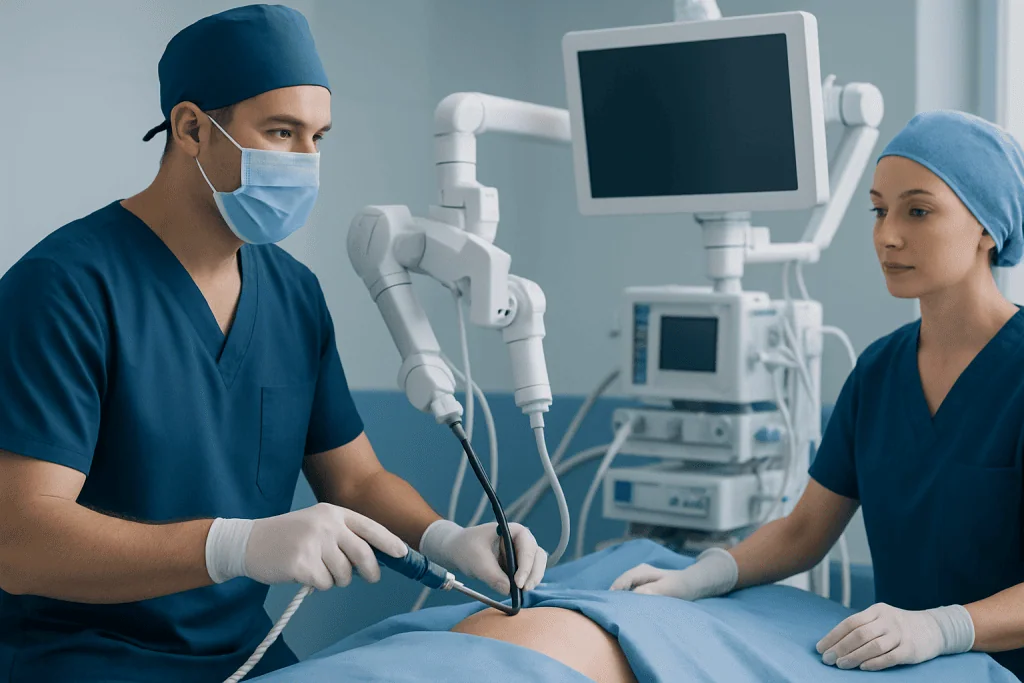
Most babies diagnosed with CDH require surgical repair. The condition may be detected during a prenatal ultrasound, allowing the family to plan delivery at a hospital with a neonatal intensive care unit and pediatric surgical services. In other cases, it is recognized after birth because of breathing difficulty, a sunken-looking abdomen, or abnormal chest findings on imaging.
Before surgery, the clinical team evaluates the location and size of the diaphragmatic defect, which organs are in the chest, heart function, blood pressure in the lung vessels, and the degree of breathing support needed. Some babies need conventional ventilation, high-frequency ventilation, medicines to support the heart and lungs, or extracorporeal membrane oxygenation (ECMO) in selected severe cases.
A prenatal or postnatal CDH pre-op discussion commonly covers imaging findings, anticipated intensive care needs, blood products if required, consent, pain control, and the uncertainty that can accompany recovery. CDH surgery scheduling is individualized: the safest time is when the baby is stable enough for anesthesia and the operation, not simply the earliest possible date.
CDH Surgery Step by Step

The procedure is performed under general anesthesia in an operating room, usually through an incision in the abdomen. The surgeon carefully returns the organs from the chest to the abdomen. This must be done gently because the abdomen may have limited space after the organs have developed outside it during pregnancy.
Next, the surgeon assesses the diaphragm. Smaller defects can often be closed with the baby’s own tissue using sutures. Larger defects may require a surgical patch to create a complete diaphragm. The approach depends on the anatomy and the baby’s stability; minimally invasive repair may be appropriate in carefully selected cases but is not suitable for every newborn.
After the repair, the baby returns to the neonatal intensive care unit for close monitoring. The medical billing term CDH repair CPT may appear in administrative or insurance documents, but coding does not describe the full clinical complexity of an individual child’s surgery. Parents should ask the treating hospital if they need help interpreting procedure documentation.
Benefits, Risks and What Results Depend On
The key benefit of CDH surgery is anatomical repair: it removes abdominal organs from the chest and restores separation between the abdomen and chest. Repair creates the conditions for the lungs to function as well as possible, supports feeding over time, and reduces the risk of bowel obstruction or organ compromise caused by the hernia.
As with any major newborn operation, risks include bleeding, infection, anesthesia-related complications, injury to nearby organs, and problems with wound healing. CDH-specific concerns include recurrence of the hernia, patch-related issues, reflux, feeding difficulties, and ongoing breathing or <a href="https://acibademinternational.com/diseases/pulmonary-hypertension/”>pulmonary hypertension concerns. The operation itself is only one stage of care; the baby’s lung development often has the greatest influence on early outcomes.
Results vary substantially. Factors that may affect outlook include the side and size of the defect, whether the liver is in the chest, the extent of lung underdevelopment, pulmonary hypertension, the need for ECMO, and whether there are other genetic or structural conditions. The care team can explain which findings are most relevant for the individual baby.
What Happens to a Baby with a Congenital Diaphragmatic Hernia (CDH) After Surgery?
After surgery, the baby remains in the neonatal intensive care unit while the team watches breathing, circulation, oxygen needs, pain control, urine output, and abdominal comfort. Mechanical ventilation commonly continues for a period after repair because the lungs may still need time and support to adapt. Medicines may be adjusted to support heart function or reduce pressure in the lung blood vessels.
Feeding is introduced gradually. At first, nutrition may be delivered intravenously or through a feeding tube. Some babies experience reflux, swallowing difficulties, or fatigue during feeding and may work with neonatal feeding specialists, dietitians, and speech and language therapists. Growth is monitored closely because recovery can increase nutritional needs.
Follow-up after discharge may involve pediatric surgery, pulmonology, cardiology, gastroenterology, nutrition, audiology, and developmental services. Families should keep all scheduled reviews, as some concerns such as hernia recurrence, reflux, hearing changes, breathing symptoms, or developmental delays may become clearer over time.
Recovery Timeline and Long-Term Outlook
Recovery from diaphragmatic hernia surgery is not identical for every baby. The incision begins healing within weeks, but the total hospital stay and time needed for breathing and feeding progress depend mainly on lung function and pulmonary hypertension. Some babies recover steadily after repair, while others require prolonged intensive care and gradual transition from breathing support.
After discharge, parents are often given guidance on feeding, medicines, wound care, safe sleep, vaccinations, infection prevention, and symptoms that need urgent review. Follow-up may continue for years, particularly after a large defect or patch repair. A recurring hernia is uncommon but possible, and early assessment is important if new symptoms develop.
Can babies with CDH live a normal life? Many children with CDH go on to attend school, play, and take part in family life. However, some need continuing support for breathing, reflux, nutrition, hearing, growth, learning, or development. Long-term follow-up helps identify needs early and supports each child’s best possible progress.
When to Seek Medical Care
Urgent medical assessment is needed for a newborn with significant breathing difficulty, bluish or gray skin color, poor responsiveness, severe chest retractions, or inability to feed. CDH is a serious neonatal condition, and babies with suspected or diagnosed CDH should be assessed and managed by an experienced neonatal and pediatric surgical team.
After hospital discharge, parents should contact the child’s clinician promptly for increasing work of breathing, persistent vomiting, green vomit, abdominal swelling, fever, poor feeding, fewer wet diapers, poor weight gain, or concerns about the surgical wound. Emergency care is appropriate if the child has severe breathing distress, becomes unusually sleepy or difficult to wake, or shows signs of dehydration.
For international families, Acibadem International’s multidisciplinary specialists and JCI-accredited hospitals can assess and treat complex pediatric surgical conditions, with care planned around the child’s medical needs and continuity of follow-up.
How Long Does It Take to Recover from Diaphragmatic Hernia Surgery?
For a newborn with CDH, recovery is measured less by the incision alone and more by respiratory stability, pulmonary blood pressure, feeding readiness, and growth. The surgical wound may heal over several weeks, but the need for intensive care can range from a shorter stay to a much longer period in babies with more severe lung underdevelopment.
For diaphragmatic hernia repairs performed later in childhood or adulthood, the recovery pattern is different and depends on the reason for surgery, the approach used, other health conditions, and whether complications occur. The treating surgeon can give the most reliable estimate based on the individual procedure and postoperative progress.
What is the hardest day after hernia surgery? There is no universal hardest day. In newborn CDH care, the early period before and shortly after repair can be especially demanding because breathing and circulation require close adjustment. Good pain management, continuous monitoring, and family communication are central parts of postoperative care.
Frequently asked questions
What is CDH surgery?
CDH surgery repairs an opening in a baby’s diaphragm that has allowed abdominal organs to move into the chest. The surgeon returns the organs to the abdomen when possible and closes the defect with stitches or, for a larger gap, a surgical patch. The operation is usually done after the baby has been stabilized in intensive care.
When is CDH surgery performed?
The operation is usually performed when the baby’s breathing, circulation, and oxygenation are stable enough for anesthesia and surgery. This timing differs from baby to baby and is determined by the neonatal intensive care and pediatric surgery teams. Early stabilization is often more important than immediate repair.
Can babies with CDH live a normal life?
Many children with CDH grow up to participate in everyday activities, including school and family life. Some may have long-term needs related to breathing, feeding, reflux, hearing, growth, or development. Regular follow-up helps identify and manage these concerns early.
How long does it take to recover from diaphragmatic hernia surgery?
In babies with CDH, incision healing may take several weeks, but the overall recovery period depends largely on lung development, pulmonary hypertension, and feeding progress. The hospital stay can vary widely. The care team can provide an individualized estimate as the baby’s condition changes.
What happens to a baby with a congenital diaphragmatic hernia after surgery?
After surgery, the baby returns to the neonatal intensive care unit for monitoring and continued respiratory support when needed. Feeding is introduced gradually, and the team monitors heart and lung function, pain, growth, and wound healing. Follow-up after discharge may involve several pediatric specialists.
What is the hardest day after hernia surgery?
There is no single hardest day for every patient. For babies with CDH, the period around surgery may be challenging because the lungs and circulation need careful support while the baby recovers. Families should rely on the neonatal team for daily updates and individualized expectations.
References
- Centers for Disease Control and Prevention
- Children's Hospital of Philadelphia
- American Pediatric Surgical Association
- National Organization for Rare Disorders
This article is for general information only and is not a substitute for professional medical advice. Please consult a qualified doctor about your individual situation.
Persistent digestive symptoms? Get evaluated in Turkey
JCI-accredited · board-certified surgeons · reply within 24h
Add us as a Preferred Source to see more of our trusted health content across Google Search, AI Overviews and Discover.
Check your numbers in seconds
BMI, calories, due date, blood pressure and 30+ more clinical calculators — free, instant, doctor-reviewed ranges.