Choosing a Gynecologist: What to Look for in Women’s Care

A gynecologist should be qualified, experienced, and appropriate for a person’s age, symptoms, and life stage. Comfort, trust, and good communication are essential in women’s care.
Key Takeaways
- A gynecologist should be qualified, experienced, and appropriate for a person’s age, symptoms, and life stage.
- Comfort, trust, and good communication are essential in women’s care.
- Hospital affiliation, access to testing, and referral options can affect convenience and continuity of care.
- A first appointment can help a patient decide whether the gynecologist is a good fit.
- Routine gynecology visits support prevention, screening, and early treatment of many health issues.
Choosing a gynecologist is an important part of preventive and long-term women’s care. The right doctor should combine medical expertise, clear communication, respect for personal preferences, and access to appropriate services when needed.
Overview: Why Choosing the Right Gynecologist Matters
Choosing a gynecologist is a personal healthcare decision that can affect comfort, confidence, and long-term well-being. A gynecologist provides preventive care, routine screenings, evaluation of symptoms, and treatment for a wide range of reproductive and pelvic health concerns. For many women, this doctor may remain an important part of care through adolescence, the reproductive years, pregnancy planning, menopause, and later life.
The right fit is not only about credentials. It also includes how well the doctor listens, explains options, respects boundaries, and responds to questions. Because gynecologic care may involve sensitive topics and intimate examinations, feeling safe and heard can make a meaningful difference in whether a person seeks care regularly and follows recommended screening or treatment.
Some patients need a gynecologist for annual checkups and cervical screening, while others may be looking for help with pain, irregular bleeding, fibroids, endometriosis, fertility concerns, contraception, menopause symptoms, or pelvic floor problems. In each case, the best choice is usually a doctor whose expertise matches the patient’s needs and who works within a trusted healthcare setting.
What a Gynecologist Does in Women’s Care
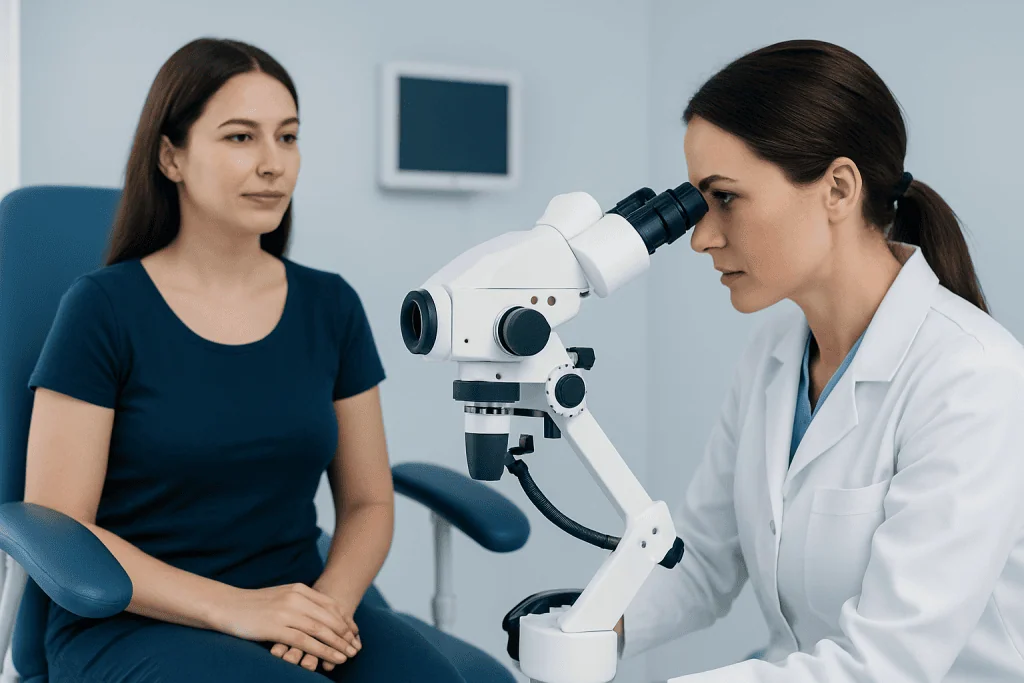
A gynecologist focuses on the health of the female reproductive system, including the uterus, ovaries, fallopian tubes, cervix, vagina, and vulva. Routine gynecology care often includes pelvic exams, cervical cancer screening, contraception counseling, sexual health discussions, and management of menstrual concerns. Depending on training, some specialists also provide surgical treatment for certain conditions.
Many gynecologists also help patients navigate common concerns such as pelvic pain, abnormal discharge, heavy periods, ovarian cysts, and symptoms related to perimenopause or menopause. If symptoms suggest a more specific condition, the doctor may arrange imaging, laboratory testing, or referral to another specialist. This can be important in conditions such as endometriosis or uterine fibroids, where symptoms may overlap with other causes of pain or bleeding.
Some physicians are obstetrician-gynecologists, often called OB-GYNs, meaning they provide both gynecologic care and pregnancy-related care. Others focus only on gynecology. For a patient who may want pregnancy care in the future, it may be helpful to ask whether the doctor also practices obstetrics or works closely with a maternity team.
Qualifications, Experience, and Areas of Special Interest

One of the first things to look for is professional qualification. A gynecologist should be licensed and appropriately trained in obstetrics and gynecology or gynecology alone, depending on the country and healthcare system. Hospital affiliation, board certification where applicable, and experience in recognized medical centers can provide additional reassurance about standards of care.
Experience matters, especially if a patient has ongoing symptoms or a known condition. Someone with severe menstrual pain, recurrent ovarian cysts, pelvic organ prolapse, or suspected infertility may prefer a doctor with a clear interest in those areas. It is reasonable to ask how often the gynecologist evaluates similar concerns and whether they perform or coordinate specialized tests and procedures.
For surgical concerns, patients may also ask whether minimally invasive options are available when appropriate. Depending on the diagnosis, treatment may include procedures such as laparoscopic surgery or hysteroscopy for diagnosis and treatment inside the uterus. A good gynecologist should explain why a test or procedure is recommended, what the alternatives are, and what recovery may involve.
Life stage can also shape the best choice. A teenager may need a doctor who is comfortable with adolescent gynecology, while a person in midlife may prefer someone experienced in menopause care. Women planning pregnancy may want coordinated support that includes preconception advice, screening, and access to fertility treatment if needed later.
Communication Style, Comfort, and Personal Preferences
Clinical skill is essential, but a strong doctor-patient relationship also depends on communication. Many patients feel more comfortable with a gynecologist who listens without rushing, explains findings in plain language, and invites questions. Clear communication can help people understand screening schedules, treatment choices, and what symptoms should be monitored.
Because gynecologic care can be highly personal, comfort and trust should be taken seriously. Some patients prefer a doctor of a particular gender, while others place more importance on language, cultural sensitivity, or a calm bedside manner. These preferences are valid and can make it easier to discuss menstruation, sexual health, fertility, pelvic pain, or changes during menopause honestly.
It may also help to ask practical questions before booking. For example, does the clinic offer a chaperone during examinations, interpretation services, and enough appointment time for complex concerns? A respectful practice should support informed consent, explain each step of an exam, and allow the patient to pause or ask questions at any time.
Good communication includes shared decision-making. Rather than simply giving instructions, the gynecologist should present reasonable options and help the patient choose based on symptoms, medical history, future fertility goals, and personal preferences. This is especially important when discussing hormonal treatments, surgical procedures, and long-term monitoring.
Practical Factors: Access, Services, and Continuity of Care
Convenience does not replace clinical quality, but it can affect whether care is timely and consistent. Patients may wish to consider location, appointment availability, clinic hours, and how easy it is to contact the office with follow-up questions. Delays in scheduling can be frustrating, especially for urgent symptoms such as severe pain, heavy bleeding, or concerns about infection.
It is also useful to look at the wider care setting. A gynecologist who works within a hospital or multidisciplinary center may have easier access to imaging, laboratory testing, pathology, and referrals. This can be helpful if further evaluation is needed with ultrasound, biopsy, advanced imaging, or consultation with specialists in fertility, urogynecology, oncology, or surgery.
Continuity of care is another important point. Some women want one doctor for routine visits over many years, while others are comfortable seeing a team. There is no single right approach, but a well-organized system should ensure that test results, treatment plans, medications, and follow-up recommendations are clearly documented and easy for the patient to understand.
Insurance coverage, pricing transparency, and access for international patients may also matter. Near the end of the decision process, many patients compare not only the doctor but also the clinic’s responsiveness, privacy practices, and overall organization. At established centers such as Acibadem International, multidisciplinary specialists in JCI-accredited hospitals diagnose and treat gynecologic conditions for international patients when more advanced evaluation or treatment is needed.
Questions to Ask at the First Appointment
A first consultation can help a patient decide whether a gynecologist is the right match. The visit may be for a routine exam or for a specific problem, but either way it is an opportunity to assess both expertise and communication. Bringing a short list of medications, symptoms, menstrual history, past test results, and questions can make the appointment more productive.
Useful questions may include:
- What screenings or exams are recommended based on age and medical history?
- How do you usually evaluate symptoms such as irregular bleeding, pelvic pain, or unusual discharge?
- What treatment options are available, and how do their benefits and risks compare?
- If a procedure is needed, where is it done and what is recovery typically like?
- Who should be contacted if symptoms worsen or new concerns appear after the visit?
Patients may also notice how the doctor responds to uncertainty. A trustworthy gynecologist does not need to have every answer immediately, but should explain the next steps clearly and honestly. If the patient feels dismissed, rushed, or uncomfortable asking questions, it may be reasonable to seek a second opinion or choose another provider.
When to Seek Gynecologic Care Sooner
Routine visits are important, but some symptoms should prompt earlier evaluation rather than waiting for an annual appointment. These include new or severe pelvic pain, very heavy bleeding, bleeding after menopause, missed periods with a possibility of pregnancy, unusual vaginal discharge, genital sores, painful intercourse, or a breast or pelvic lump. Early assessment can help identify common problems and rule out more serious causes.
Persistent symptoms deserve attention even if they seem manageable. Ongoing fatigue from heavy periods, repeated urinary symptoms, painful periods that disrupt daily life, or pelvic pressure should not be ignored. In some cases, these symptoms may be linked to conditions that benefit from earlier treatment, including fibroids, endometriosis, hormonal changes, infection, or structural problems in the reproductive organs.
It is also sensible to seek care before major life transitions. Preconception counseling can support a healthier pregnancy journey, and perimenopausal changes can be easier to manage when discussed early. If a patient already has a diagnosis and is considering surgery, it may help to consult a gynecologist who can discuss options such as hysterectomy only when medically appropriate and after reviewing less invasive alternatives where suitable.
Ultimately, the best gynecologist is one who combines sound medical judgment with compassionate, individualized care. Regular follow-up with a qualified doctor supports prevention, timely diagnosis, and confident decision-making throughout the different stages of women’s health.
Frequently asked questions
How does a person know if a gynecologist is a good fit?
A good fit usually means the doctor is qualified, communicates clearly, and makes the patient feel respected and comfortable. The first appointment can help a person judge whether questions are welcomed, explanations are understandable, and the care approach feels appropriate.
Is it important to choose a gynecologist with a special interest in a certain condition?
Yes, this can be helpful when a person has ongoing symptoms or a known diagnosis such as pelvic pain, fibroids, endometriosis, or menopause-related concerns. A doctor with relevant experience may be more familiar with evaluation options and treatment pathways.
Should a patient choose an OB-GYN or a gynecologist only?
That depends on individual needs. An OB-GYN may be convenient for someone who wants both gynecologic care and future pregnancy care, while a gynecologist who focuses only on gynecology may be suitable for those seeking non-pregnancy-related care.
Is it acceptable to change gynecologists after one visit?
Yes. If a patient feels uncomfortable, unheard, rushed, or uncertain about the doctor’s approach, it is reasonable to seek another provider or ask for a second opinion. Trust and communication are important parts of safe, effective care.
What should a patient bring to the first gynecology appointment?
It helps to bring a list of medications, allergies, past surgeries, menstrual history, previous test results, and any specific questions or symptoms. If relevant, information about pregnancies, contraception, family history, or prior gynecologic diagnoses can also be useful.
When should someone see a gynecologist sooner rather than waiting for a routine checkup?
Earlier care is important for severe pelvic pain, heavy or unexpected bleeding, unusual discharge, genital sores, painful intercourse, or any symptom that is persistent or worsening. Prompt evaluation can help identify the cause and guide treatment.
References
- World Health Organization
- American College of Obstetricians and Gynecologists
- International Federation of Gynecology and Obstetrics
- National Health Service
- Office on Women's Health
This article is for general information only and is not a substitute for professional medical advice. Please consult a qualified doctor about your individual situation.
Explore treatments in Turkey — costs, top hospitals & a free quote
JCI-accredited · board-certified surgeons · reply within 24h
Add us as a Preferred Source to see more of our trusted health content across Google Search, AI Overviews and Discover.

More from the Health Library



Related Specialists

Dr. Bülent Yücel
Orthopedic Surgery & Traumatology
Assoc. Prof. Dr. Seden Erten Çelik
Cardiology
Prof. Dr. Yurtkuran Sadıkoğlu
Interventional Radiology
Prof. Dr. Lütfi Tunç
Urology