Colored Contact Lenses: Safety Tips, Risks, and How to Choose the Right Fit

Colored contact lenses should be prescribed and fitted by an eye care professional, even if they are used only for cosmetic reasons. Buying lenses from unregulated sources or sharing them with others increases the risk of serious eye problems.
Key Takeaways
- Colored contact lenses should be prescribed and fitted by an eye care professional, even if they are used only for cosmetic reasons.
- Buying lenses from unregulated sources or sharing them with others increases the risk of serious eye problems.
- Good hand hygiene, correct cleaning, and proper wear schedules are essential for safe use.
- Redness, pain, light sensitivity, discharge, or blurred vision should be checked promptly by a doctor.
- A proper eye examination helps determine whether colored contact lenses fit safely and comfortably.
Colored contact lenses can change eye appearance and also correct vision, but they are still medical devices that require proper fitting and careful hygiene. Knowing how to choose, wear, and clean them safely helps reduce the risk of irritation, infection, and corneal injury.
Overview of Colored Contact Lenses
Colored contact lenses are soft lenses designed to change or enhance the natural appearance of the eyes. Some are purely cosmetic, while others also correct refractive errors such as nearsightedness, farsightedness, or astigmatism. They may be available in enhancement tints, opaque colors, or special-effect designs used for costumes or performance.
Although they are often marketed as beauty accessories, colored contact lenses are medical devices that sit directly on the surface of the eye. Because of this, they need the same careful fitting, hygiene, and follow-up as clear prescription lenses. A lens that looks attractive but does not fit properly can rub the cornea, reduce oxygen flow, and raise the risk of complications.
For many people, colored lenses can be worn comfortably and safely when they are prescribed by a qualified professional and used exactly as directed. A proper eye examination helps confirm that the eyes are healthy enough for lens wear and that the selected lens size, material, and wearing schedule are appropriate.
Why Safe Fit Matters
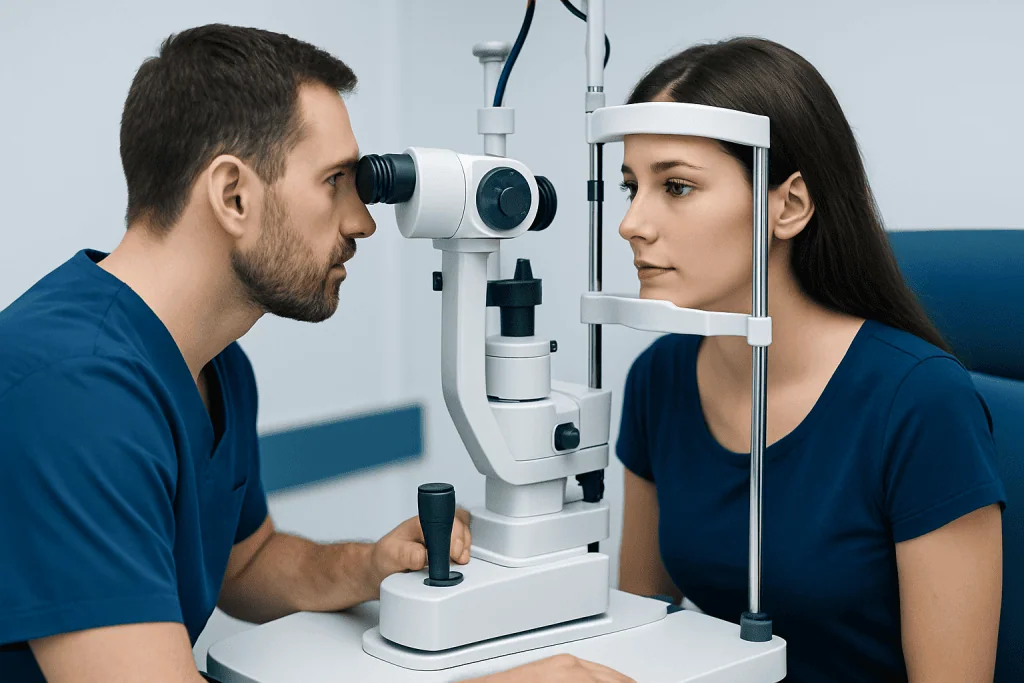
The front surface of the eye is delicate and depends on a healthy tear film and enough oxygen to stay clear and comfortable. A contact lens that is too tight, too loose, or made from unsuitable material can disrupt this balance. Colored lenses may be slightly thicker than some clear lenses because of the added pigment, which makes correct fitting especially important.
An eye care professional measures the shape of the eye, checks tear production, and examines the cornea before recommending a lens. This process helps reduce problems such as dryness, blurred vision, lens movement, or friction-related injury. It also helps identify people who may need a different type of lens or who should avoid cosmetic lenses altogether.
Good fit affects both comfort and safety. Even if a lens can be inserted easily, that does not mean it is suitable. Lenses bought online, from beauty stores, or from costume shops without professional guidance may not match the eye properly, and poor fit can lead to scratches, swelling, or infection.
Common Risks and Possible Complications

The most common problems linked to colored contact lenses are redness, dryness, irritation, and the feeling that something is in the eye. These symptoms may happen when lenses are worn too long, cleaned incorrectly, or used despite poor fit. Sometimes a lens may trap debris or interfere with normal tear flow, causing discomfort and blurred vision.
More serious complications include corneal abrasions, corneal ulcers, and eye infections. Infections can develop when lenses are handled with unclean hands, rinsed with tap water, stored in a contaminated case, or worn while sleeping unless specifically approved for overnight use. Conditions such as conjunctivitis may also occur, though deeper corneal infections are generally more urgent because they can threaten vision.
Warning signs that should never be ignored include significant pain, light sensitivity, worsening redness, discharge, decreased vision, or a white spot on the cornea. These symptoms may suggest infection or injury and should be evaluated promptly. Early treatment is important because delays can lead to scarring and long-term visual problems.
- Higher risk situations include sharing lenses, wearing expired lenses, and buying lenses from unregulated sellers.
- Using saliva or water to wet a lens is unsafe.
- Swimming or showering with lenses in place increases the risk of contamination.
How to Choose Colored Contact Lenses Safely
The safest way to choose colored contact lenses is to start with a professional fitting rather than appearance alone. During the visit, the clinician checks whether lenses are appropriate, explains the available options, and recommends a suitable design and replacement schedule. This is especially helpful for first-time users, people with dry eyes, allergies, or a history of corneal problems.
Quality matters. Lenses should come from reputable manufacturers and regulated suppliers. A cosmetic lens still needs clear labeling, proper packaging, and instructions for cleaning and replacement. Cheap, novelty, or decorative lenses sold without prescription requirements may not meet the same safety standards and can expose the eye to more risk.
When choosing a style, comfort and vision should come before color intensity. Some opaque lenses can affect visual quality in dim light if the clear center does not align well with the pupil. People interested in cosmetic options may also benefit from discussing professionally fitted contact lenses that balance appearance with corneal health and daily practicality.
Proper Use, Cleaning, and Daily Care
Safe daily habits are the main way to prevent complications. Hands should be washed and dried before touching lenses or the eyes. Lenses should be inserted and removed exactly as instructed, and only approved lens solutions should be used for cleaning, rinsing, and storage. Tap water, bottled water, and homemade solutions are not safe alternatives.
The lens case also needs regular care. It should be emptied, rinsed with fresh contact lens solution as directed, left to air dry, and replaced regularly. Old solution should never be topped up. Reusing dirty solution allows germs to remain in the case and can contaminate the lens again the next time it is worn.
Wearing time is just as important as cleaning. Lenses should be replaced on schedule, even if they still seem usable, and they should not be worn longer than recommended. People should avoid sleeping in lenses unless they have been specifically prescribed for that purpose. If the eyes become red or uncomfortable, the lenses should be removed and not reinserted until a professional has advised it is safe.
- Insert makeup after lenses are in place and remove lenses before taking makeup off.
- Avoid oil-based eye products if they interfere with lenses.
- Do not wear lenses while swimming, in hot tubs, or during water sports unless specifically protected and approved.
Who Should Be Extra Cautious
Some people need extra guidance before wearing colored contact lenses. This includes those with dry eye disease, allergies affecting the eyes, recurrent infections, eyelid inflammation, or previous corneal injury. People who have had certain eye procedures or who have ongoing eye conditions may also need more specialized assessment.
Children and teenagers can wear contact lenses in some situations, but they need enough maturity to manage hygiene consistently. Parents should make sure that lenses are obtained through a qualified professional and that cleaning routines are followed every day. Cosmetic use for parties or events should still be treated with the same seriousness as regular lens wear.
Anyone with existing visual symptoms should be evaluated before trying colored lenses. If there is unexplained blurred vision, frequent redness, light sensitivity, or repeated discomfort, an ophthalmology review may be needed first. In some cases, specialist support in cornea and external eye disease is useful when the surface of the eye is already vulnerable.
When to See a Doctor
Medical advice should be sought if lens wear causes persistent discomfort or a noticeable change in vision. Mild dryness can happen occasionally, but symptoms that do not improve after removing the lenses should not be ignored. Prompt assessment can help identify whether the problem is simple irritation, an allergic reaction, poor fit, or an early infection.
Urgent care is especially important if there is moderate to severe pain, marked redness, discharge, sensitivity to light, or sudden blurred vision. These symptoms may indicate a corneal problem that needs timely treatment. Continuing to wear lenses in this situation can make the condition worse.
Regular follow-up visits are also part of safe lens wear, even when there are no symptoms. Eye care professionals can check lens fit over time, monitor the surface of the eye, and update advice if the eyes change. Near the end of care planning, some patients may also wish to know that Acibadem International’s multidisciplinary eye specialists in JCI-accredited hospitals diagnose and treat contact lens-related problems for international patients.
Frequently asked questions
Are colored contact lenses safe?
Colored contact lenses can be safe when they are prescribed, properly fitted, and cared for correctly. They carry the same risks as regular contact lenses, including irritation and infection, if they are used improperly.
Do colored contact lenses need a prescription even if they are only cosmetic?
Yes. Even cosmetic colored lenses should be fitted by an eye care professional because the size and shape must match the eye safely. A prescription or fitting also helps confirm that the eyes are healthy enough for lens wear.
Can someone share colored contact lenses with a friend or family member?
No. Sharing lenses is unsafe because it can spread bacteria, viruses, and other germs between users. It also increases the chance of wearing a lens that does not fit correctly, which can injure the eye.
What symptoms suggest a problem with colored contact lenses?
Redness, pain, discharge, light sensitivity, blurred vision, or the feeling that the lens will not sit correctly can all be warning signs. If symptoms continue after removing the lenses, a doctor should assess the eyes promptly.
Can colored contact lenses be worn every day?
Some colored lenses are designed for regular daily wear, but only within the schedule recommended by the prescribing professional. Daily wear may be possible for many users, provided hygiene is excellent and the eyes remain healthy and comfortable.
Is it safe to sleep or swim while wearing colored contact lenses?
In general, it is best not to sleep in lenses unless they are specifically approved and prescribed for overnight wear. Swimming or exposing lenses to water is also discouraged because it can increase the risk of serious eye infection.
References
- American Academy of Ophthalmology
- U.S. Food and Drug Administration
- Centers for Disease Control and Prevention
- American Optometric Association
- National Eye Institute
This article is for general information only and is not a substitute for professional medical advice. Please consult a qualified doctor about your individual situation.
Contact Lenses in Turkey — costs, top hospitals & a free quote
JCI-accredited · board-certified surgeons · reply within 24h
Add us as a Preferred Source to see more of our trusted health content across Google Search, AI Overviews and Discover.

Ophthalmology
Comprehensive eye care from laser vision correction to retina, cornea and cataract surgery.
75 specialists in this unit