Compression Socks: An Evidence-Based Guide for Patients

Compression socks use graduated pressure, usually tighter at the ankle and looser higher up, to support venous blood flow. They may help with leg swelling, aching, varicose veins, prolonged travel, pregnancy-related discomfort, and some medical recovery plans.
Key Takeaways
- Compression socks use graduated pressure, usually tighter at the ankle and looser higher up, to support venous blood flow.
- They may help with leg swelling, aching, varicose veins, prolonged travel, pregnancy-related discomfort, and some medical recovery plans.
- Not everyone should use compression socks without advice; people with peripheral artery disease, certain skin problems, or nerve loss may need medical assessment first.
- Correct sizing and the right compression level are essential for comfort, safety, and effectiveness.
- New or one-sided swelling, severe pain, skin color change, or shortness of breath needs prompt medical evaluation.
Compression socks are specially designed garments that apply gentle pressure to the legs to support blood flow, reduce swelling, and ease symptoms related to vein problems or long periods of sitting or standing. They can be helpful for many people, but the right type, fit, and medical guidance matter—especially for anyone with circulation problems, diabetes, or unexplained leg symptoms.
What compression socks do
Compression socks are close-fitting garments designed to apply pressure to the lower legs. In most medical-grade designs, that pressure is graduated, meaning it is firmest at the ankle and gradually decreases toward the calf or thigh. This pressure pattern helps support the veins and encourages blood to move back toward the heart more efficiently.
For many patients, compression socks can reduce leg swelling, lessen feelings of heaviness or fatigue, and improve comfort during long periods of standing, sitting, or travel. They are also used as part of care plans for vein-related conditions, such as varicose veins, and after some procedures or surgeries when a doctor recommends compression therapy.
They are not a cure-all, and they are not the same as ordinary tight socks. The benefit depends on the right fit, the right compression strength, and using them for the right reason. For some people, especially those with certain circulation problems in the arteries, compression may be unsuitable or should only be used under medical supervision.
Who may benefit from compression socks
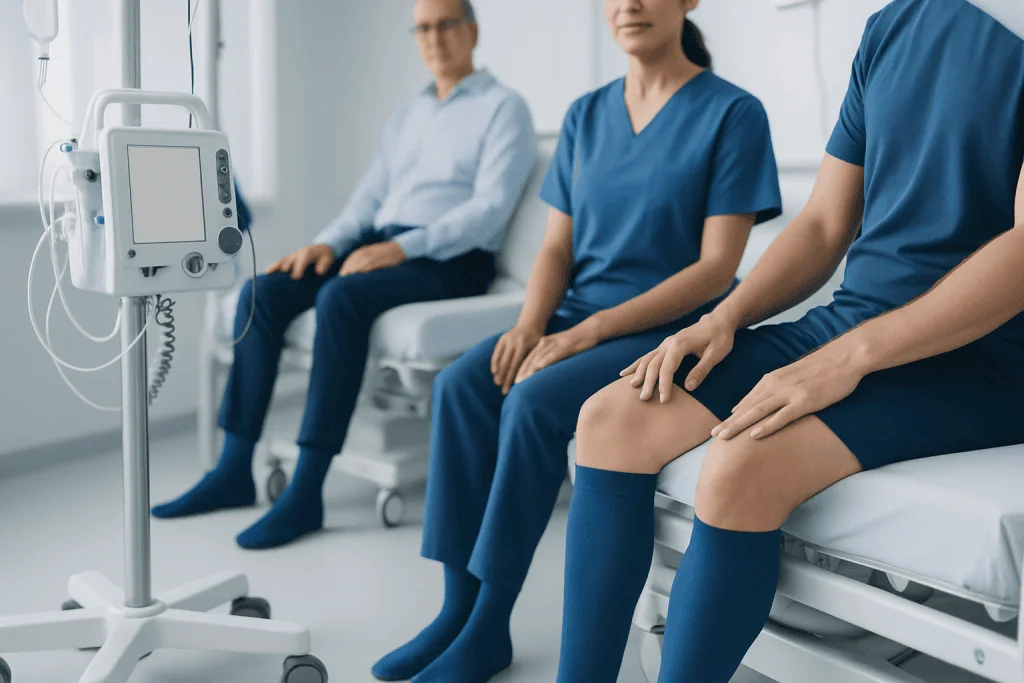
Compression socks are commonly used by people who develop swelling in the feet or ankles by the end of the day, have a job that requires prolonged standing, or sit for long stretches during travel. They may also help patients who experience leg discomfort related to venous pooling, when blood tends to collect in the lower legs instead of returning efficiently to the heart.
Doctors may recommend them for vein conditions such as chronic venous insufficiency, varicose veins, or after treatment for some vascular problems. They can also be part of prevention strategies for people at higher risk of blood clots in specific situations, such as during hospitalization, after surgery, or on long journeys. In these settings, compression is often one part of a broader plan that may also include early walking, hydration, and sometimes medication.
Pregnant women sometimes use compression socks to manage leg swelling and discomfort, especially later in pregnancy. Athletes and frequent travelers may wear them for comfort, although comfort claims should be separated from medical benefits; not every sock marketed for “recovery” has the same evidence or the same compression profile as a properly fitted medical product.
- Common reasons for use include swelling, leg heaviness, aching, visible veins, prolonged standing, and long-distance travel.
- Medical reasons may include venous insufficiency, post-procedure support, and selected clot-prevention plans.
- Non-medical “support socks” and medical compression stockings are not always interchangeable.
How compression socks work and the different types
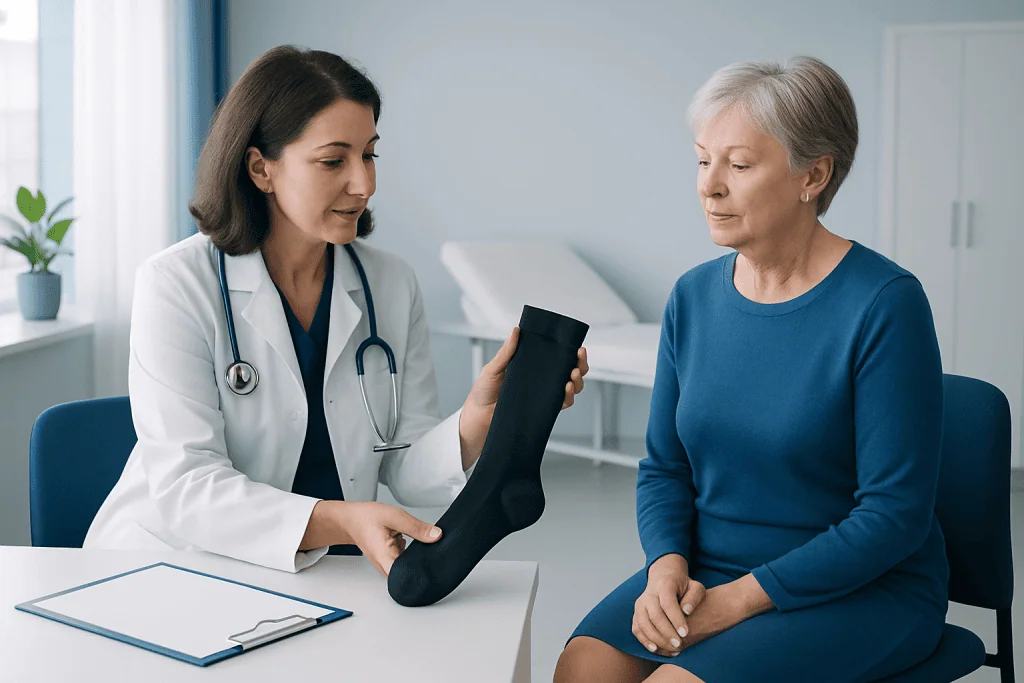
The lower-leg veins normally rely on one-way valves and calf muscle movement to push blood upward. When a person walks, the calf muscles act like a pump. Compression socks support this process by narrowing the superficial veins slightly, reducing pooling, and helping fluid move out of the tissues. This can decrease swelling and improve symptoms such as aching or heaviness.
Products differ by length, material, and strength. Some are knee-high, while others extend to the thigh or waist. Knee-high garments are often enough for lower-leg symptoms, but a doctor may recommend a different style depending on where swelling occurs and what condition is being treated. Compression levels are measured in millimeters of mercury, and stronger compression is not automatically better; the goal is appropriate pressure for the individual situation.
Many patients first encounter over-the-counter support socks, which may provide mild pressure. Medical-grade graduated compression stockings are usually more standardized and may require professional measurement. If symptoms are ongoing, severe, or linked to a vein disorder such as deep vein thrombosis, self-selection is not ideal, because the safest choice depends on a full clinical picture.
Choosing the right fit and using them correctly
Fit is one of the most important parts of safe and effective use. Compression socks that are too loose may not help, while those that are too tight can be uncomfortable and may cause skin marks, numbness, or rolling at the top. Measurements are usually taken around the ankle and calf, and sometimes the leg length is measured as well. These measurements should ideally be done when swelling is minimal, often early in the day.
Most people find them easiest to put on first thing in the morning, before the legs become more swollen. The sock should lie smooth against the skin without bunching or folding, because folds can create pressure points. It is generally best not to roll the top down. Dry skin can be moisturized, but lotion should be fully absorbed before putting the socks on so the material stays in place.
How long they should be worn depends on the reason for use. Some people wear them during the day and remove them at night, while others follow a more specific medical plan. A clinician may suggest a structured approach if compression is being used alongside varicose vein treatment or after a vascular procedure. If there is pain, toe discoloration, increasing numbness, or skin breakdown, the socks should be removed and medical advice sought.
Possible benefits, limitations, and side effects
When chosen well and worn consistently, compression socks may reduce swelling, improve day-end comfort, and help manage symptoms related to venous disease. In some clinical settings, they can support prevention of clot-related complications and help with healing of certain leg ulcers when used as part of supervised care. They can also improve tolerance of long periods of standing or sitting.
At the same time, they have limitations. They do not treat every cause of swollen legs, and they do not replace medical evaluation for new symptoms. Swelling can be related to vein disease, but it can also result from heart, kidney, liver, lymphatic, medication-related, or inflammatory causes. If someone assumes all swelling is “just poor circulation,” a more important diagnosis could be missed.
Side effects are usually related to poor fit or unsuitable use. These can include itching, warmth, tightness, pressure marks, or skin irritation. People with fragile skin, reduced sensation, severe peripheral neuropathy, or poor arterial circulation need extra caution. A clinician may assess the leg circulation before prescribing stronger compression, especially if there is a history of smoking, diabetes, foot ulcers, or leg pain when walking.
When compression socks may not be appropriate
Compression socks are not right for everyone. They may be unsuitable or require careful supervision in people with significant peripheral artery disease, because reducing the available space around the leg can worsen blood flow to tissues that are already not receiving enough oxygen. They also may need to be avoided over certain skin infections, open wounds that are not properly dressed, or severe dermatitis unless a clinician specifically advises otherwise.
Patients with numbness, nerve damage, or difficulty communicating discomfort may not notice excessive pressure or skin injury early enough. This includes some people with advanced diabetes or neurological disease. In these cases, a doctor, wound-care specialist, or vascular team may recommend modified garments, lower compression, or an alternative treatment plan after examination.
Compression should also not be used as a substitute for evaluation of sudden symptoms. A painful, swollen, red, or warm leg could indicate a blood clot and should be assessed promptly. Depending on the findings, doctors may use tests and treatments such as vascular surgery consultation or imaging if a circulation problem is suspected.
When to seek medical care
Medical advice is important if leg swelling is new, worsening, or only affects one leg. One-sided swelling, sudden calf pain, tenderness, warmth, or skin color change can be signs of a clot or another urgent circulation problem. Shortness of breath, chest pain, coughing blood, or fainting are emergency symptoms and need immediate care.
A doctor should also assess symptoms that persist despite proper use of compression socks, as well as recurring skin changes, ulcers, or visible veins that are becoming more uncomfortable. Patients who have diabetes, peripheral artery disease, known heart failure, kidney disease, or reduced sensation in the feet should ask a clinician before starting regular compression therapy, especially at higher strengths.
Assessment may include a physical examination, review of medications, and tests such as ultrasound if vein disease or clotting is suspected. In some cases, more advanced management is needed for conditions like peripheral artery disease or chronic venous disease. Near the end of the care pathway, patients seeking coordinated evaluation may also be assessed by multidisciplinary specialists at Acibadem International, where JCI-accredited hospitals diagnose and treat vascular conditions for international patients, including options such as cardiovascular surgery when appropriate.
Frequently asked questions
Do compression socks really work?
Compression socks can work well for the right problem, especially leg swelling, heaviness, and symptoms related to venous circulation. Their benefit is strongest when the socks are properly fitted and used for a clear medical or practical reason.
Can compression socks prevent blood clots?
They may help lower clot risk in some situations, such as after surgery or during long periods of immobility, but they are not the only preventive measure. Some people also need walking, hydration, or blood-thinning medication based on their medical risk.
How many hours a day should compression socks be worn?
Many people wear them during the day and remove them at night, but the exact schedule depends on why they are being used. A doctor may recommend a different routine after surgery, during pregnancy, or for chronic vein disease.
Is it safe to sleep in compression socks?
It is not usually necessary to sleep in them unless a clinician specifically advises it. Overnight use may be appropriate in selected medical settings, but routine day-only wear is common for general swelling or vein symptoms.
What compression level should a person choose?
The best level depends on the goal, symptom severity, and the person's circulation and skin health. Mild support may be enough for travel or minor swelling, while stronger medical compression should ideally be chosen with professional advice.
Can compression socks be harmful?
They can cause problems if they are too tight, the wrong size, or used by someone with poor arterial circulation or reduced feeling in the legs. Pain, numbness, skin damage, or blue or pale toes are warning signs that need prompt attention.
This article is for general information only and is not a substitute for professional medical advice. Please consult a qualified doctor about your individual situation.
Explore treatments in Turkey — costs, top hospitals & a free quote
JCI-accredited · board-certified surgeons · reply within 24h
Add us as a Preferred Source to see more of our trusted health content across Google Search, AI Overviews and Discover.

More from the Health Library

Cardiovascular Exercise for Fat Loss: What Patients Need to Know

Omega 6: An Evidence-Based Guide for Patients
Best Exercises for Posture: An Evidence-Based Guide for Patients

Mole on Pennies: An Evidence-Based Guide for Patients

Citric Acid: An Evidence-Based Guide for Patients