Computer-Assisted Surgery vs Robotic Surgery: What Is the Difference?
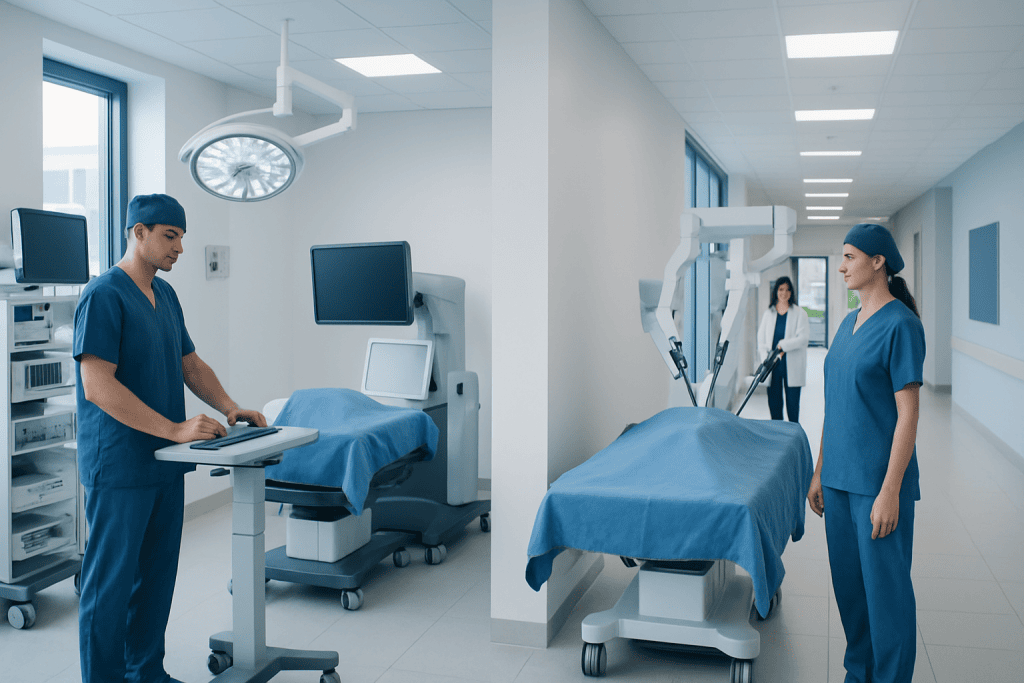
Computer-assisted surgery uses digital planning, imaging, and navigation to support surgical decision-making and precision. Robotic surgery is a type of technology-assisted surgery in which the surgeon controls robotic arms and instruments.
Key Takeaways
- Computer-assisted surgery uses digital planning, imaging, and navigation to support surgical decision-making and precision.
- Robotic surgery is a type of technology-assisted surgery in which the surgeon controls robotic arms and instruments.
- Neither system operates on its own; a trained surgeon remains in control throughout the procedure.
- The best option depends on the condition being treated, the patient’s anatomy, and the surgical team’s expertise.
- Both approaches may support smaller incisions, improved accuracy, and potentially smoother recovery in selected cases.
Computer-assisted surgery and robotic surgery both use advanced technology to help surgeons operate with greater accuracy. The main difference is that computer-assisted systems guide the surgeon with data and imaging, while robotic systems also translate the surgeon’s hand movements into highly controlled instrument movements.
Overview: how these surgical technologies differ
Computer-assisted surgery and robotic surgery are often mentioned together because both aim to make surgery more precise. However, they are not the same thing. Computer-assisted surgery uses technology such as imaging, surgical planning software, navigation systems, and real-time tracking to help the surgeon see anatomy more clearly and guide instruments accurately during an operation.
Robotic surgery goes a step further by adding a robotic platform. In this setup, the surgeon controls robotic arms from a console or control station. The robot does not make decisions independently. Instead, it translates the surgeon’s hand movements into very refined movements of surgical instruments, often through small incisions.
In simple terms, computer-assisted surgery is a broad category that helps guide surgery with digital information. Robotic surgery is a specific form of technology-assisted surgery that combines computer guidance with robotic instrument control. Some robotic systems also use computer-assisted planning and imaging, so the two approaches can overlap.
These technologies are used across several specialties, including orthopedics, urology, gynecology, general surgery, and neurosurgery. Their role is to support the surgeon, not replace surgical judgment, experience, or hands-on expertise.
How computer-assisted surgery works
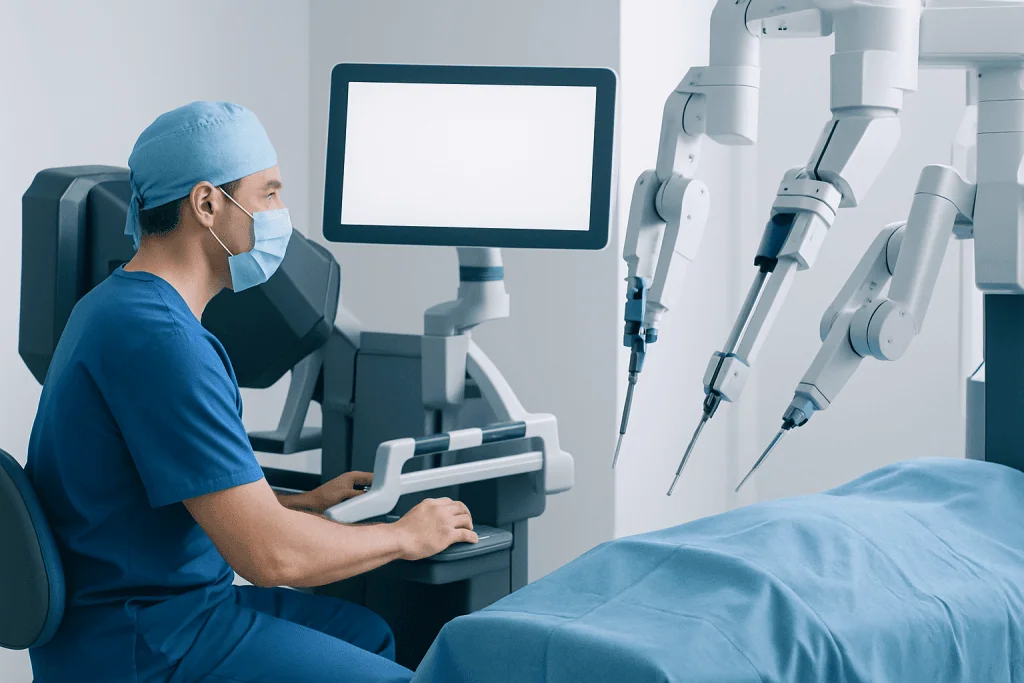
Computer-assisted surgery usually begins before the operation. The surgical team may use CT, MRI, X-ray, or ultrasound images to study the area being treated. Special software can create a detailed map of the anatomy, helping the surgeon plan the safest route, ideal implant size, or exact treatment target.
During the procedure, navigation tools may track the position of surgical instruments in real time. This is similar to a GPS system for surgery. The surgeon can see where instruments are in relation to bones, joints, tumors, blood vessels, or other important structures. This can be especially useful when anatomy is complex or when only a small margin of error is acceptable.
Computer-assisted systems are widely used in procedures such as spinal surgery, joint replacement, and certain brain surgeries. For example, in robotic knee replacement, digital planning and alignment tools can help position implants more accurately. In some hospitals, these systems are also used to support neurosurgery by improving surgical navigation in delicate areas.
The key feature of computer-assisted surgery is guidance. The technology provides information, measurements, and visual support, but the surgeon still performs the operation directly using standard or specialized instruments.
How robotic surgery works
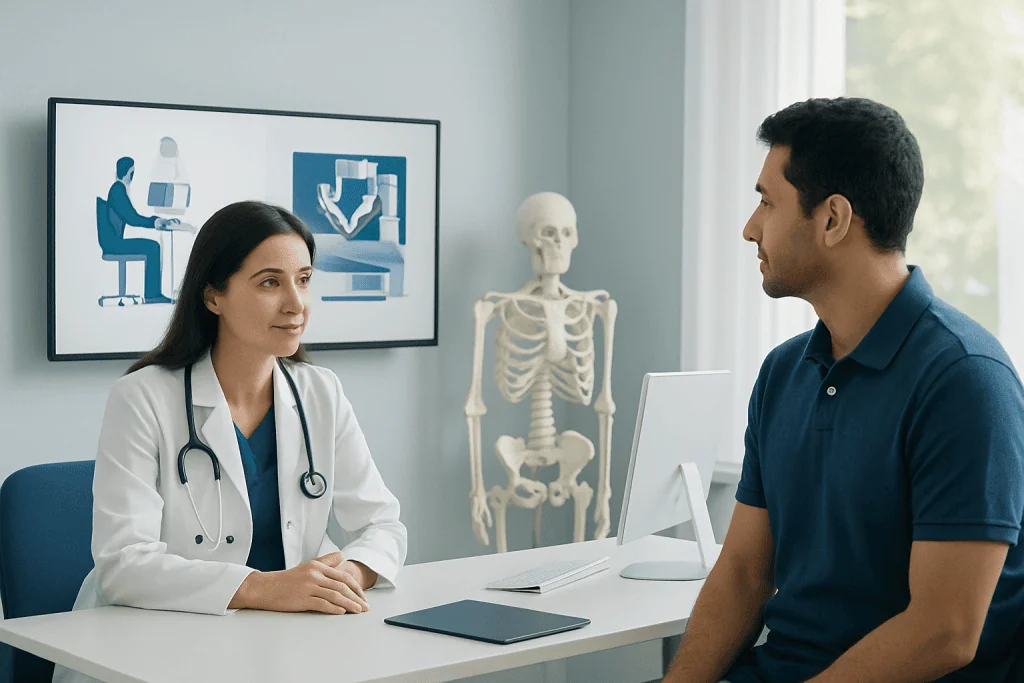
In robotic surgery, the surgeon controls the instruments through a robotic system. The setup usually includes a surgeon’s console, robotic arms, and a high-definition camera. Tiny surgical instruments are attached to the robotic arms and inserted through small openings, depending on the type of procedure.
The surgeon sits at the console and views a magnified, detailed image of the surgical field. Hand controls guide the robotic instruments, while the system can filter natural hand tremor and allow very fine movements. This can be helpful in narrow spaces or in procedures that require delicate dissection and suturing.
Robotic surgery is commonly used for selected urologic, gynecologic, colorectal, and thoracic operations, as well as some orthopedic procedures. In some settings, robotic surgery may support minimally invasive treatment by improving access and precision through small incisions.
It is important for patients to know that the robot does not operate on its own. Robotic systems are surgeon-controlled at all times. Safety depends on careful patient selection, the type of procedure, and the experience of the surgical team using the platform.
Main differences: guidance versus instrument control
The clearest difference between computer-assisted surgery and robotic surgery is the role of the technology during the operation. Computer-assisted surgery primarily provides guidance. It helps the surgeon plan, navigate, and confirm accuracy, but the surgeon moves the instruments directly by hand.
Robotic surgery provides both guidance and mechanical assistance. The surgeon still remains fully in control, but the robotic system physically moves the instruments according to the surgeon’s commands. This may allow a greater range of motion, more stable instrument handling, and precise movements in small or hard-to-reach spaces.
Another difference is the type of procedures each method supports best. Computer-assisted systems are especially common in surgeries where alignment, targeting, or implant placement are critical, such as spinal procedures or joint replacement. Robotic systems are often chosen for minimally invasive operations where camera visualization and advanced instrument movement are particularly helpful.
There can also be differences in setup, operating room workflow, and cost. Robotic platforms are generally more complex and may require additional training and preparation time. Computer-assisted navigation systems can also be sophisticated, but they may involve fewer mechanical components. In both cases, outcomes depend heavily on the surgeon’s skill and the center’s experience.
- Computer-assisted surgery: focuses on imaging, planning, tracking, and navigation.
- Robotic surgery: includes these digital tools and may also add robotic arm and instrument control.
- Shared goal: improve surgical precision while supporting patient safety.
Potential benefits and limitations
Both technologies may offer important benefits for selected patients. Improved precision can help with implant alignment, tissue preservation, and targeting accuracy. In minimally invasive operations, robotic systems may support smaller incisions, less disruption of surrounding tissue, and potentially a more comfortable recovery.
For surgeons, better visualization and real-time data can support decision-making during complex procedures. In orthopedic surgery, careful planning and navigation may help achieve desired joint alignment. In neurosurgery or other highly delicate fields, precise localization may reduce the risk of affecting nearby structures. Some patients exploring brain tumor treatment or advanced joint procedures may hear these technologies discussed as part of surgical planning.
At the same time, these tools are not automatically better for every operation. Not all surgeries require navigation or robotics, and in some cases a conventional open or laparoscopic procedure may be the most appropriate choice. Benefits can vary depending on the condition, body anatomy, previous surgeries, and the goals of treatment.
There are also practical limitations. Technology-assisted surgery requires specialized equipment, trained teams, and careful maintenance. Robotic surgery may not be suitable for every patient or every hospital setting. Most importantly, technology is only one part of successful care; good outcomes also depend on diagnosis, surgical judgment, anesthesia, aftercare, and rehabilitation.
Who may be a candidate for each approach
Suitability depends on the type of surgery needed rather than on a simple preference for one technology over another. A patient having joint replacement, spinal surgery, or a procedure involving precise anatomical targeting may benefit from a computer-assisted navigation system. A patient needing a minimally invasive pelvic or abdominal operation may be considered for robotic surgery if the procedure is well suited to that platform.
Doctors look at several factors when deciding. These include the diagnosis, the size and location of the problem, the patient’s overall health, body structure, previous operations, and whether minimally invasive access is realistic and safe. For example, some patients with complex prostate cancer treatment plans may be offered robotic techniques, while others may need a different surgical approach.
Patients can ask useful questions during the consultation, such as why a certain method is recommended, what alternatives are available, and how much experience the surgical team has with that technology. It is also reasonable to ask whether the expected benefits relate to smaller incisions, implant positioning, visualization, or recovery.
When appropriate, a multidisciplinary review can help match the right surgical method to the person rather than the other way around. Near the end of the planning process, some international patients choose centers such as Acibadem International, where multidisciplinary specialists in JCI-accredited hospitals assess whether advanced navigation or robotic systems are suitable for their procedure.
What to expect before and after surgery
Preparation for computer-assisted or robotic surgery is similar in many ways to preparation for other operations. Patients usually have a consultation, physical examination, and imaging or laboratory tests. The surgeon explains the planned procedure, expected recovery, possible alternatives, and common risks such as bleeding, infection, anesthesia-related complications, or the possibility of conversion to a different technique if needed.
If advanced technology will be used, there may be additional imaging or planning steps before the operation. For example, software may be used to map anatomy, determine surgical angles, or select implant size. Patients should follow all instructions about medications, fasting, smoking cessation, and activity restrictions before surgery.
After surgery, recovery depends much more on the type of operation than on the technology alone. Some robotic procedures may allow earlier mobility or shorter hospital stay, but this is not universal. Pain control, wound care, physical therapy, and follow-up appointments remain essential regardless of the surgical platform.
Patients should contact their care team if they develop worsening pain, fever, redness, unusual drainage, swelling, shortness of breath, or any new symptoms that concern them. Follow-up allows the team to monitor healing and confirm that the surgical goals were achieved.
Questions patients may want to ask their surgeon
Patients often feel more confident when they understand why a particular surgical approach is being recommended. Asking clear questions can help set realistic expectations and support shared decision-making. The discussion should focus on the patient’s condition, the reason for surgery, and the surgeon’s experience with each option.
Helpful questions may include whether the procedure will be open, laparoscopic, computer-assisted, or robotic; what the likely benefits are in that specific case; and whether the technology changes recovery time, scarring, or complication risk. It is also sensible to ask whether another method would work just as well.
Some patients may assume that newer technology always means better results. In reality, the best approach is the one that offers the safest and most effective treatment for that individual. A well-performed conventional operation can be the right choice in many situations, while advanced guidance or robotics may provide added value in others.
Informed consent is not only about risks. It is also about understanding goals, alternatives, and what success looks like after the procedure. A qualified surgeon can explain how technology fits into the overall treatment plan and whether it is likely to make a meaningful difference for that patient.
Frequently asked questions
Is robotic surgery the same as computer-assisted surgery?
No. Computer-assisted surgery is a broad term for operations supported by imaging, planning software, and navigation tools. Robotic surgery is a specific type of technology-assisted surgery in which the surgeon controls robotic instruments during the procedure.
Does a robot perform the operation by itself?
No. In robotic surgery, the surgeon remains in control at all times. The robotic system responds to the surgeon’s movements and helps translate them into precise instrument actions.
Which is better: computer-assisted surgery or robotic surgery?
Neither is universally better for every patient or every procedure. The best option depends on the condition, the anatomy involved, the goals of surgery, and the experience of the surgical team. A surgeon can explain which approach is most appropriate in a specific case.
Are these technologies safer than traditional surgery?
They can offer advantages in selected situations, such as improved visualization or accuracy, but safety depends on many factors. These include the patient’s health, the complexity of the surgery, and the team’s expertise. Traditional surgery may still be the best and safest choice in some cases.
Will recovery be faster with robotic surgery?
Recovery may be faster for some minimally invasive robotic procedures, especially when smaller incisions reduce tissue disruption. However, recovery mainly depends on the type of operation and the patient’s overall health. It is best to discuss expected recovery for the specific procedure being planned.
Are computer-assisted and robotic procedures available for all surgeries?
No. These technologies are used for selected procedures where they are likely to add value. Some operations are better suited to conventional open or laparoscopic techniques, while others may benefit from navigation or robotic assistance.
References
- World Health Organization
- U.S. National Library of Medicine
- American College of Surgeons
- National Institute for Health and Care Excellence
- American Academy of Orthopaedic Surgeons
This article is for general information only and is not a substitute for professional medical advice. Please consult a qualified doctor about your individual situation.
Explore treatments in Turkey — costs, top hospitals & a free quote
JCI-accredited · board-certified surgeons · reply within 24h
Add us as a Preferred Source to see more of our trusted health content across Google Search, AI Overviews and Discover.