Conjunctivitis: Viral vs Bacterial vs Allergic Eye Redness

Conjunctivitis is inflammation of the conjunctiva, the clear tissue covering the white part of the eye and inner eyelids. Viral, bacterial, and allergic conjunctivitis can look similar, but their symptoms and treatment needs often differ.
Key Takeaways
- Conjunctivitis is inflammation of the conjunctiva, the clear tissue covering the white part of the eye and inner eyelids.
- Viral, bacterial, and allergic conjunctivitis can look similar, but their symptoms and treatment needs often differ.
- Many mild cases improve with supportive care, but some people need prescription treatment or urgent eye assessment.
- Good hand hygiene and avoiding shared eye products help reduce spread, especially for infectious conjunctivitis.
- Severe pain, vision changes, light sensitivity, or symptoms in contact lens wearers should be assessed promptly.
Conjunctivitis, often called pink eye, is a common cause of eye redness, irritation, and discharge. It can be viral, bacterial, or allergic, and the best treatment depends on identifying the underlying cause.
Overview
Conjunctivitis is inflammation of the conjunctiva, the thin transparent membrane that covers the white part of the eye and lines the inside of the eyelids. When this tissue becomes inflamed, the eye may look red or pink and feel irritated, watery, or sticky. Because several conditions can cause a red eye, conjunctivitis is a broad term rather than a single disease.
The most common types are viral conjunctivitis, bacterial conjunctivitis, and allergic conjunctivitis. Viral and bacterial forms may spread from person to person, while allergic conjunctivitis happens when the eyes react to triggers such as pollen, dust mites, pet dander, or mold. Less commonly, eye redness may be linked to chemical irritation, dry eye, or other eye conditions that need different treatment.
Although conjunctivitis is often mild and self-limited, it can be uncomfortable and disruptive. The most helpful first step is understanding which type is most likely, because management differs. Viral cases usually improve with time and supportive care, bacterial cases may sometimes need antibiotic drops, and allergic cases usually improve when the trigger is reduced and allergy treatment is used.
Symptoms of Viral, Bacterial, and Allergic Conjunctivitis
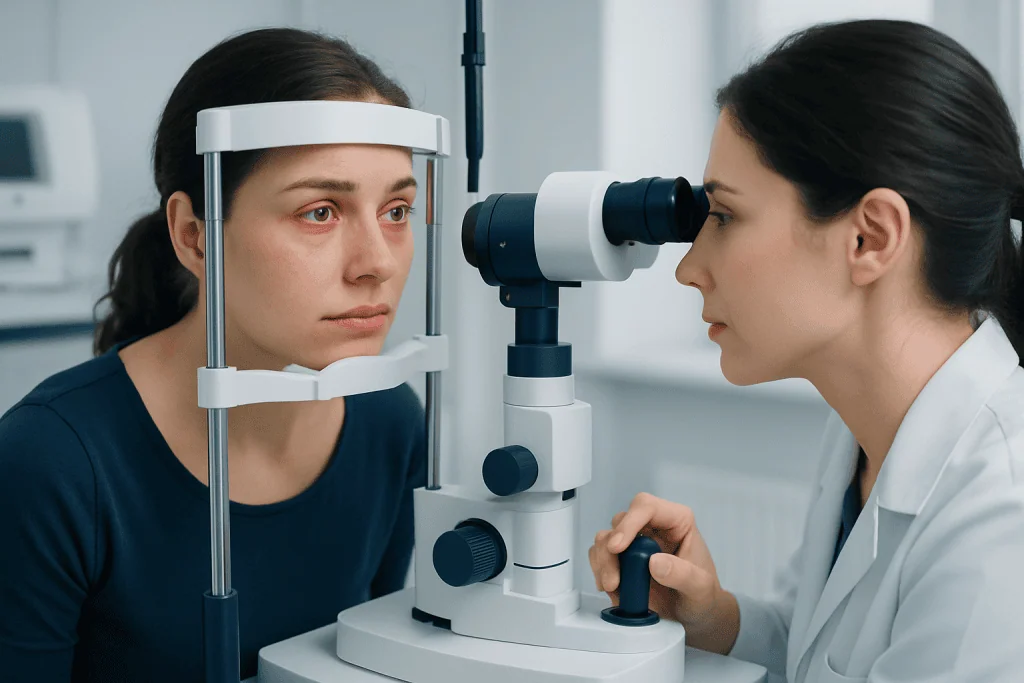
Many forms of conjunctivitis cause redness, irritation, tearing, and a gritty feeling, as if something is in the eye. One or both eyes may be affected. The eyelids can also become mildly swollen, especially in the morning or after rubbing the eyes.
Viral conjunctivitis often begins in one eye and may spread to the other. It commonly causes watery discharge rather than thick pus, and it may happen alongside a cold, sore throat, or other upper respiratory symptoms. The eyes can feel irritated and look quite red, but significant pain is not typical.
Bacterial conjunctivitis is more likely to cause thicker yellow, white, or green discharge that can make the eyelids stick together, especially after sleep. It may affect one or both eyes. Children can be affected frequently, but adults can also develop bacterial conjunctivitis.
Allergic conjunctivitis often affects both eyes at the same time and usually causes intense itching. Tearing, redness, burning, and puffiness of the eyelids are common. Many people also have other allergy symptoms such as sneezing, a runny nose, or an itchy throat.
- Watery discharge is more common in viral conjunctivitis.
- Thick sticky discharge is more suggestive of bacterial conjunctivitis.
- Itching is especially common in allergic conjunctivitis.
- Symptoms in both eyes with seasonal triggers often point to allergies.
Causes and Risk Factors

Viral conjunctivitis is most often caused by viruses that also cause colds and other common infections. It spreads easily through direct contact with eye secretions, contaminated hands, towels, pillowcases, or frequently touched surfaces. Because it is contagious, it can pass through households, schools, and workplaces.
Bacterial conjunctivitis happens when bacteria infect the conjunctiva. This may occur after touching the eyes with unclean hands, using contaminated makeup or contact lens supplies, or during another nearby infection. Contact lens wearers have a higher risk of certain eye infections and should take red-eye symptoms seriously, since not every red eye in a lens wearer is simple conjunctivitis.
Allergic conjunctivitis develops when the immune system reacts to allergens. Common triggers include pollen, grass, animal dander, dust, and mold. Symptoms may come and go with the seasons or continue year-round, depending on the trigger. People with asthma, eczema, or hay fever may be more prone to eye allergies.
Not all red eyes are conjunctivitis. Dry eye, blepharitis, corneal injury, uveitis, and glaucoma can also cause redness or discomfort. This is why persistent, severe, or unusual symptoms should be evaluated by an eye care professional rather than assumed to be pink eye.
How Conjunctivitis Is Diagnosed
Diagnosis usually begins with a medical history and eye examination. A doctor will ask when symptoms started, whether one or both eyes are involved, what the discharge looks like, whether itching is present, and whether there has been recent illness, allergy exposure, contact lens use, or close contact with someone who has pink eye.
In many cases, the pattern of symptoms helps distinguish the likely cause. Watery discharge after a cold may suggest a viral source, while marked itching and allergy symptoms may point to allergic conjunctivitis. Thick discharge and crusting can be more consistent with bacterial conjunctivitis. Even so, some overlap is common, and the cause is not always obvious from symptoms alone.
Most uncomplicated cases do not need special testing. However, if symptoms are severe, recurrent, do not improve, or there is concern for a more serious infection, the doctor may consider further assessment. This may include checking vision, examining the cornea with special light, or occasionally taking a sample of discharge for laboratory testing.
If the eye doctor suspects another condition, additional evaluation may be needed. In some situations, a person may need a full eye examination to look for corneal involvement, inflammation inside the eye, or pressure-related problems that can mimic routine conjunctivitis.
Treatment Options
Treatment depends on the cause. Viral conjunctivitis usually does not improve faster with antibiotics, because antibiotics do not treat viruses. Supportive care is the main approach: lubricating artificial tears, gentle eyelid cleansing, and cool compresses can help relieve discomfort while the infection runs its course.
Bacterial conjunctivitis may sometimes resolve on its own, but prescription antibiotic eye drops or ointment are used in selected cases, especially when symptoms are more pronounced, discharge is significant, or the person is at higher risk of complications. A doctor should decide whether antibiotics are appropriate, since not every red eye with discharge is bacterial.
Allergic conjunctivitis improves best when the trigger is reduced and allergy treatment is used. Helpful options may include avoiding known allergens, keeping windows closed during high-pollen days, washing the face after outdoor exposure, using cool compresses, and using doctor-recommended antihistamine or anti-inflammatory eye drops. People with persistent symptoms may benefit from a specialist review, especially if allergies are affecting daily life.
Contact lenses should usually be stopped until the eye has fully recovered and a clinician says it is safe to restart them. People should also avoid using old eye makeup, sharing towels, or using leftover prescription eye drops from a previous problem. If symptoms are not clearly improving, an ophthalmology assessment may be needed to consider other causes and whether care such as cornea treatment or other targeted eye care is appropriate.
Prevention and Self-care
Good hygiene plays an important role in preventing infectious conjunctivitis. Hands should be washed often with soap and water, especially after touching the eyes or face. It also helps to avoid sharing towels, pillowcases, washcloths, cosmetics, or eye drops with others.
People with viral or bacterial conjunctivitis should try not to touch or rub their eyes, since this can worsen irritation and spread germs. Disposable tissues can be used to wipe discharge, and these should be thrown away immediately. Pillowcases and face towels may need to be changed frequently until symptoms improve.
For allergic conjunctivitis, prevention focuses on trigger reduction. Wearing sunglasses outdoors, using air filters when appropriate, showering after outdoor exposure, and limiting contact with known allergens may all help. Preservative-free artificial tears can sometimes wash allergens from the eye surface and soothe irritation.
Self-care should be gentle. The eye should not be patched unless a clinician advises it. Home remedies involving herbal products or non-sterile solutions should be avoided, as they may irritate the eye further or introduce infection. If symptoms continue, a specialist in ophthalmology can help clarify the cause and guide safe treatment.
When to See a Doctor
Many cases of conjunctivitis are mild, but some symptoms suggest a need for prompt medical assessment. A person should seek care if there is moderate to severe eye pain, increasing sensitivity to light, blurred vision that does not clear with blinking, or marked swelling. These features are less typical of simple conjunctivitis and may signal a different eye problem.
Urgent evaluation is also important for contact lens wearers, newborns, people with weakened immune systems, and anyone with recent eye surgery or eye injury. In these groups, a red eye may need faster treatment to protect vision and prevent complications.
If symptoms are not improving after several days, are getting worse, or keep returning, medical review is sensible. This is also true when discharge is heavy, the eyelids are very swollen, or there is uncertainty about whether the cause is infectious or allergic. A doctor can confirm the diagnosis and recommend the right treatment.
Near the end of the care pathway, some people may need specialist support to rule out related eye disease such as keratitis or other inflammatory conditions. Acibadem International’s multidisciplinary specialists and JCI-accredited hospitals diagnose and treat eye conditions for international patients when expert assessment is needed.
Frequently asked questions
How can someone tell if conjunctivitis is viral or bacterial?
It is not always possible to tell from symptoms alone, but some patterns can help. Viral conjunctivitis more often causes watery discharge and may occur with a cold, while bacterial conjunctivitis is more likely to cause thicker sticky discharge and eyelid crusting. A doctor can assess the symptoms and examine the eye if the cause is unclear.
Is conjunctivitis always contagious?
No. Viral and bacterial conjunctivitis can be contagious, but allergic conjunctivitis is not. Good hand hygiene and avoiding shared towels, cosmetics, and eye drops can help reduce spread when an infection is suspected.
Do antibiotics help pink eye?
Antibiotics can help some cases of bacterial conjunctivitis, but they do not treat viral conjunctivitis. Because many red-eye cases are not bacterial, antibiotics should be used only when a qualified doctor recommends them.
Can a person wear contact lenses with conjunctivitis?
Contact lenses should usually be stopped until the eye has fully healed and a doctor says it is safe to restart them. Wearing lenses during an active red-eye episode can worsen irritation and may increase the risk of a more serious corneal infection.
What home care can help relieve conjunctivitis symptoms?
Cool compresses, preservative-free artificial tears, and gentle cleaning of eyelid discharge can make the eyes feel more comfortable. It is also important to avoid rubbing the eyes and to wash hands often, especially if the cause may be infectious.
When is pink eye an emergency?
Urgent assessment is needed if there is severe pain, sudden vision change, strong light sensitivity, significant swelling, or symptoms after eye injury or surgery. Contact lens wearers should also seek prompt medical advice because a red eye in this setting can sometimes be more serious than simple conjunctivitis.
References
- American Academy of Ophthalmology
- National Eye Institute
- Centers for Disease Control and Prevention
- NHS
- Mayo Clinic
This article is for general information only and is not a substitute for professional medical advice. Please consult a qualified doctor about your individual situation.
Conjunctivitis in Turkey — costs, top hospitals & a free quote
JCI-accredited · board-certified surgeons · reply within 24h
Add us as a Preferred Source to see more of our trusted health content across Google Search, AI Overviews and Discover.

Ophthalmology
Comprehensive eye care from laser vision correction to retina, cornea and cataract surgery.
75 specialists in this unit