

CoolSculpting: When to Expect Results and How Long They Can Last
CoolSculpting reduces selected fat cells gradually rather than causing instant slimming. Early changes may be noticed within a few weeks, but full results often take 2 to 3 months.
Key Takeaways
- CoolSculpting reduces selected fat cells gradually rather than causing instant slimming.
- Early changes may be noticed within a few weeks, but full results often take 2 to 3 months.
- Results can be long-lasting because treated fat cells are removed, though remaining fat cells can still enlarge with weight gain.
- Best candidates are close to their target weight and want treatment for small, stubborn fat pockets.
- More than one session may be recommended depending on the treatment area and desired contour.
CoolSculpting results do not appear immediately. Most people notice gradual body-contouring changes over several weeks, with more visible results developing over two to three months and lasting longer when body weight remains stable.
Overview: What CoolSculpting Does
CoolSculpting is a non-surgical body-contouring treatment that uses controlled cooling to target and reduce small areas of stubborn fat. It is designed for shaping and contouring, not for overall weight loss. Common treatment areas include the abdomen, flanks, upper arms, thighs, under the chin, and sometimes the area beneath the bra line.
The treatment works through a process called cryolipolysis. Fat cells are more sensitive to cold than surrounding tissues such as skin, muscle, and nerves. During treatment, the targeted fat is cooled in a controlled way so that some fat cells are damaged. Over time, the body naturally clears these treated cells through normal metabolic processes.
Because the body needs time to process and remove the treated fat cells, the results are gradual. This delayed timeline is normal and often reassuring for people who prefer subtle, progressive changes rather than a sudden shift in appearance.
When to Expect CoolSculpting Results
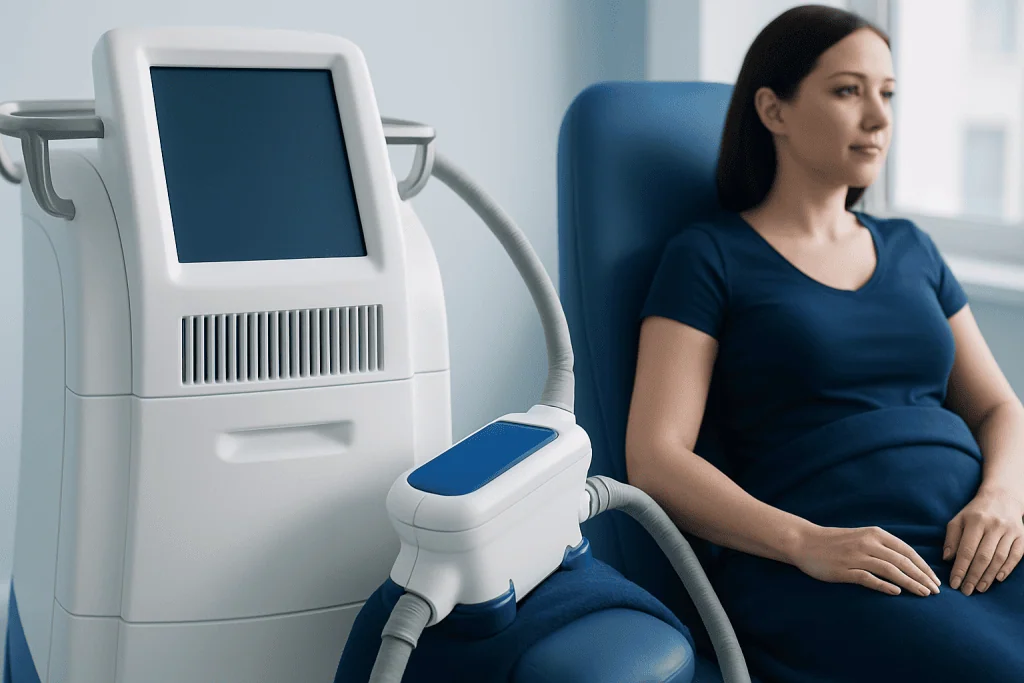
Most people do not see final CoolSculpting results right away. Early improvement may begin within about 3 to 4 weeks, but the changes are usually modest at first. More noticeable contouring often appears after 6 to 8 weeks, and full results commonly develop around 2 to 3 months after treatment.
In some cases, the body may continue clearing treated fat cells for several months. This means subtle improvements can still appear beyond the 12-week mark. The exact timeline varies from person to person and depends on the treatment area, the amount of fat present, and the body’s own healing and metabolic processes.
It is also common for some areas to need more than one treatment session. If a clinician recommends repeat treatment, it is usually spaced out to allow enough time to judge the first session’s effect. Comparing standardized before-and-after photos can be more helpful than relying on day-to-day mirror checks.
How Long CoolSculpting Results Can Last
CoolSculpting results can be long-lasting because the treated fat cells are removed by the body and do not simply “wake back up.” However, this does not mean future weight gain is impossible. The fat cells that remain in treated and untreated areas can still enlarge if a person gains weight.
For this reason, long-term results depend heavily on maintaining a stable weight. Healthy eating habits, regular physical activity, good sleep, and management of conditions that affect weight can all help preserve the contour achieved with treatment.
It helps to think of CoolSculpting as a contouring tool rather than a substitute for lifestyle measures. Someone who is already near their goal weight and wants improvement in a specific bulge usually sees the most satisfying and lasting outcome.
What Affects the Final Outcome
Several factors influence how noticeable CoolSculpting results will be. One of the most important is the starting body shape. People with small, well-defined pockets of pinchable fat often respond better than those seeking major overall size reduction.
The treatment area matters as well. Some body regions show changes more clearly than others, and a person’s skin quality can affect how smooth the final contour looks. If skin is significantly loose, reducing fat alone may not create the desired appearance. In such situations, a doctor may discuss other body-contouring options, such as arm liposuction or abdominal contouring procedures when clinically appropriate.
Age, natural body composition, lifestyle habits, and the number of applicator cycles used during treatment may also influence outcomes. A personalized consultation is important because it helps match expectations to what the procedure can realistically achieve.
- Best suited for localized fat bulges rather than obesity treatment
- Works best when weight is relatively stable
- May require repeated sessions for stronger contour change
- Does not tighten significant loose skin
What the Procedure and Recovery Are Like
CoolSculpting is usually performed in an outpatient setting and does not require general anesthesia. During the session, an applicator is placed on the selected area to draw in the tissue and cool it in a controlled manner. People often describe sensations of cold, pulling, tugging, pressure, or tingling at the start, which usually lessen as the area becomes numb.
After treatment, temporary effects are common. These may include redness, swelling, tenderness, bruising, numbness, firmness, or a tingling feeling in the treated area. In most cases, these reactions improve gradually over days to weeks. Many people return to their normal daily activities soon after the session.
Although recovery is generally straightforward, a person should still follow the provider’s aftercare advice. Gentle movement, hydration, and patience with swelling can be helpful. If someone is considering broader body-shaping options, a specialist may also compare non-surgical fat reduction with procedures such as neck contouring or breast reduction when the concern is not just localized fat.
Risks, Side Effects, and When Results May Be Disappointing
CoolSculpting is widely used, but like any medical-aesthetic procedure, it has possible side effects and limitations. Temporary numbness, sensitivity, bruising, swelling, cramping, or a feeling of fullness are relatively common. These effects are usually mild to moderate and improve with time.
Rarely, a complication called paradoxical adipose hyperplasia can occur. In this situation, the treated area becomes firmer or larger rather than smaller. This uncommon effect does not usually resolve on its own and may need further evaluation and treatment. For this reason, treatment should be performed by qualified professionals who can explain risks clearly and assess suitability carefully.
Results may also feel disappointing if expectations are unrealistic. CoolSculpting will not treat obesity, stretch marks, or significant skin laxity. It is also not intended to treat breast enlargement in men due to gynecomastia, where the issue may involve glandular tissue rather than simple fat.
Who Is a Good Candidate and Who Should Avoid It
A good candidate for CoolSculpting is usually an adult who is near a healthy, sustainable weight and wants to reduce one or more stubborn fat pockets that have not improved enough with diet and exercise. The person should also have realistic expectations and understand that the goal is contour refinement, not dramatic weight reduction.
Not everyone is a suitable candidate. A clinician may advise against treatment in people with certain cold-related conditions, major skin problems in the treatment area, or concerns better addressed with another procedure. For example, if contour changes are mainly due to scarring, skin texture, or tissue injury, the care plan may need to focus on those conditions instead, such as keloid scars or other reconstructive concerns.
A consultation should include a review of medical history, body goals, skin quality, and the specific area of concern. This helps determine whether CoolSculpting is appropriate or whether another treatment approach may offer a better match.
How to Maintain Results and When to See a Doctor
Maintaining CoolSculpting results depends mainly on overall lifestyle. A balanced eating pattern, regular exercise, and long-term weight stability can help keep the treated area looking similar over time. It can also help to continue follow-up with the treating clinician, especially if a second session is being considered.
A person should contact a doctor if swelling, pain, numbness, or skin changes seem severe, last longer than expected, or worsen instead of improving. Medical advice is also important if a treated area appears to enlarge rather than shrink, or if the final contour feels uneven and raises concern.
Choosing an experienced medical team is one of the best ways to improve safety and clarity around expected results. Near the end of the decision process, some international patients may seek assessment at centers such as Acibadem International, where multidisciplinary specialists in JCI-accredited hospitals evaluate body-contouring needs and discuss suitable treatment options.
Frequently asked questions
How soon will CoolSculpting results be visible?
Some people begin to notice early changes within a few weeks, often around 3 to 4 weeks after treatment. More visible improvement usually develops over 2 to 3 months as the body gradually removes treated fat cells.
Are CoolSculpting results permanent?
The treated fat cells that are cleared by the body are gone for the long term. However, remaining fat cells can still enlarge if a person gains weight, so stable weight is important for maintaining results.
Can one CoolSculpting session be enough?
For some people, one session can provide meaningful improvement in a small area. Others may benefit from additional sessions depending on the amount of fat, the treatment area, and their contour goals.
Does CoolSculpting help with weight loss?
CoolSculpting is not a weight-loss treatment. It is designed to reduce small pockets of stubborn fat and improve body contour in selected areas.
What happens if weight is gained after CoolSculpting?
Weight gain can increase the size of the fat cells that remain in the body, including in treated areas. This may reduce the visibility of the contour change achieved by treatment.
Is there downtime after CoolSculpting?
Most people return to normal activities soon after the procedure. Temporary redness, swelling, bruising, tenderness, or numbness can happen, but these effects usually improve gradually.
References
- American Society of Plastic Surgeons
- U.S. Food and Drug Administration
- American Academy of Dermatology
- National Health Service
- International Society of Aesthetic Plastic Surgery
This article is for general information only and is not a substitute for professional medical advice. Please consult a qualified doctor about your individual situation.
CoolSculpting in Turkey — costs, top hospitals & a free quote
JCI-accredited · board-certified surgeons · reply within 24h
Add us as a Preferred Source to see more of our trusted health content across Google Search, AI Overviews and Discover.

Related Treatments
Related Conditions
More from the Health Library


Related Specialists
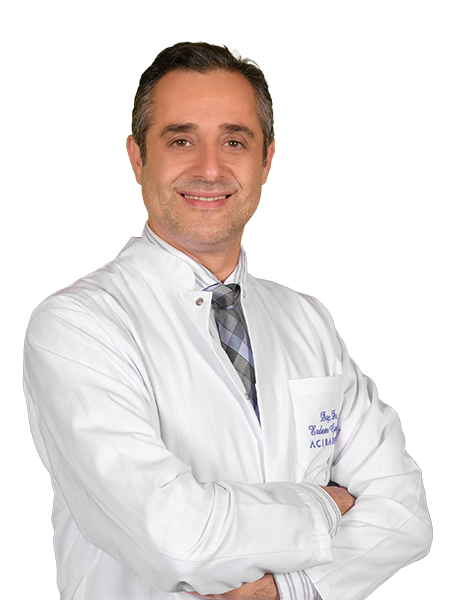
Assoc. Prof. Dr. Erdem Güven (m)
Aesthetic Plastic & Reconstructive Surgery
Prof. Dr. Şükrü Yazar
Aesthetic Plastic & Reconstructive Surgery
Prof. Dr. Hakan Ağır
Aesthetic Plastic & Reconstructive Surgery
Prof. Dr. Bülent Saçak
Aesthetic Plastic & Reconstructive Surgery