

Cosmetic Gynecology: What It Is and Who May Benefit

Cosmetic gynecology is a broad term for elective procedures involving the vulva, labia, clitoral hood, and sometimes the vaginal opening or pelvic floor. Some people seek treatment for discomfort with clothing, exercise, hygiene, or sexual activity; others are motivated by appearance or changes after childbirth, aging, or weight change.
Key Takeaways
- Cosmetic gynecology is a broad term for elective procedures involving the vulva, labia, clitoral hood, and sometimes the vaginal opening or pelvic floor.
- Some people seek treatment for discomfort with clothing, exercise, hygiene, or sexual activity; others are motivated by appearance or changes after childbirth, aging, or weight change.
- A thorough consultation is important to separate normal anatomy from symptoms that may benefit from treatment and to discuss realistic expectations.
- Options range from non-surgical approaches to procedures such as labiaplasty or other forms of [[TREATMENT:aesthetic-genital-surgery|aesthetic genital surgery]].
- Good candidates are generally healthy, understand the goals and limits of treatment, and have no untreated infections or serious medical issues.
- Recovery, risks, and aftercare vary by procedure, so individualized medical advice is essential.
Cosmetic gynecology refers to elective procedures that may improve the appearance, comfort, or function of the vulvar and vaginal area. It should be considered carefully, with attention to both physical symptoms and personal goals, and always discussed with a qualified specialist.
Overview
Cosmetic gynecology is a patient-centered term for elective procedures that address the appearance, comfort, or function of the female external genital area and, in some cases, the vaginal opening. It may include surgical and non-surgical approaches aimed at reducing discomfort, improving symmetry, or helping a person feel more at ease with their body.
The topic is often discussed alongside aesthetic genital surgery, but not every treatment is purely cosmetic. Some procedures are chosen because tissue changes cause irritation, rubbing, hygiene concerns, or pain during exercise or intimacy. In that sense, cosmetic gynecology sits at the intersection of appearance and quality of life.
Because anatomy varies naturally from person to person, the first step is usually a careful medical consultation. A skilled clinician can explain what is normal, what may be causing symptoms, and which options—if any—are appropriate and safe for that individual.
Symptoms and Concerns That May Prompt Evaluation

People consider cosmetic gynecology for different reasons. Some notice discomfort from enlarged or asymmetric labia, while others seek help after pregnancy, childbirth, hormonal changes, or weight fluctuation. Concerns may be physical, emotional, or both.
Common reasons for consultation include rubbing or chafing in tight clothing, irritation during sports, difficulty with hygiene, discomfort during sexual activity, or a sense of pulling or heaviness in the area. Some individuals are also bothered by the appearance of the vulva in fitted clothing or swimwear.
It is important to remember that a person can have a valid concern even if the anatomy is medically normal. At the same time, some symptoms attributed to genital appearance may have another cause, such as skin irritation, infection, pelvic floor issues, or hormonal changes, which should be assessed before any procedure is considered.
Causes and Risk Factors
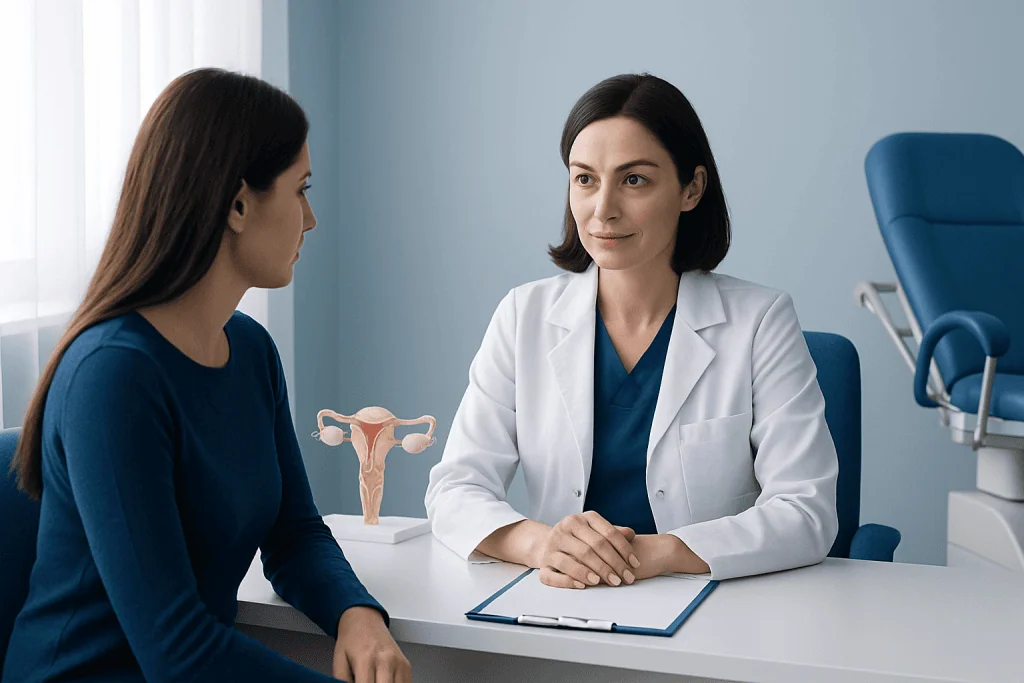
There is no single cause for the concerns addressed by cosmetic gynecology. Natural variation in anatomy is common, and features such as labial size, shape, and symmetry differ widely among healthy individuals. Life events and aging can also change the tissues over time.
Factors that may contribute to symptoms or aesthetic concerns include childbirth, especially vaginal delivery; hormonal changes associated with menopause or breastfeeding; repeated friction from exercise or clothing; weight changes; and congenital differences in genital anatomy. Scar tissue from prior surgery or trauma may also influence comfort or appearance.
Risk factors do not mean a person will need treatment. They simply help clinicians understand why symptoms developed and whether a conservative approach, a medical treatment, or a procedure is most appropriate.
Diagnosis and Consultation
Diagnosis begins with a detailed medical history and a respectful physical examination. The clinician will ask about symptoms, goals, sexual or exercise-related discomfort, prior childbirth or surgeries, current medications, and any history of skin conditions, infections, or pelvic floor concerns.
The exam is used to assess anatomy and identify whether the issue is primarily cosmetic, functional, or related to another medical condition. In some cases, the clinician may recommend testing or referral to rule out infection, skin disease, hormonal changes, or pelvic floor dysfunction before discussing treatment.
Good consultation also includes a conversation about expectations. A clear discussion of what a procedure can and cannot change helps the patient make an informed choice and reduces the chance of disappointment. This is also the time to review recovery time, possible risks, and the need for follow-up.
Treatment Options
Treatment depends on the concern and may be non-surgical or surgical. Non-surgical care can include reassurance, changes in clothing or hygiene products, treatment of skin irritation, topical therapy for dryness when appropriate, or pelvic floor-focused care if symptoms involve support or muscle tension.
When a procedure is appropriate, options may include labiaplasty to reshape the labia, clitoral hood reduction in select cases, vaginal tightening procedures in carefully chosen patients, or scar revision after prior childbirth or surgery. Some clinics may offer energy-based treatments, but these are not suitable for every patient and should be discussed cautiously with an experienced doctor.
Aesthetic genital surgery is not a one-size-fits-all category. The best approach depends on anatomy, symptoms, healing capacity, and the person’s goals. For patients with broader body-image concerns or changes after pregnancy, a multidisciplinary discussion can also help coordinate related care such as body contouring or breast procedures when relevant, always based on individual needs rather than trend-driven choices.
Benefits, Limits, and Possible Risks
When appropriately selected, cosmetic gynecology may reduce rubbing, improve comfort with exercise or clothing, and help some people feel more confident about their body. For certain patients, a procedure can also address functional concerns that affect day-to-day life or intimacy.
However, results vary, and no procedure can guarantee perfect symmetry, complete relief of all symptoms, or a specific emotional outcome. Emotional readiness matters as much as physical suitability, especially because body image concerns can be influenced by social pressure, relationship factors, or unrealistic expectations.
As with any procedure, there are risks. These may include pain, swelling, bleeding, infection, delayed healing, scarring, changes in sensation, dissatisfaction with the result, and the possibility of needing additional treatment. A careful discussion with a qualified specialist is the safest way to weigh benefits against risks.
Prevention and Self-care
There is no way to prevent all genital changes, because many are part of normal anatomy, aging, or childbirth. Still, supportive self-care can reduce irritation and help a person feel more comfortable before deciding on treatment.
Helpful steps may include wearing breathable underwear, avoiding harsh soaps or fragranced products, using lubricants when needed for comfort, and choosing exercise clothing that minimizes friction. If dryness, itch, or burning occurs, a clinician can help identify the cause and suggest appropriate treatment rather than self-treating blindly.
People considering cosmetic gynecology benefit from seeking evidence-based information and avoiding pressure from social media or unrealistic images. A calm, private consultation with a specialist can help distinguish a medical concern from a normal variation in anatomy.
When to See a Doctor
A doctor should be consulted if genital discomfort is persistent, if there is pain during sex or exercise, if hygiene has become difficult, or if a person notices a new lump, persistent itching, bleeding, discharge, or skin changes. These symptoms deserve medical evaluation before any aesthetic decision is made.
A consultation is also advisable when someone is considering a procedure but is unsure whether the concern is medical, cosmetic, or both. This is especially important after childbirth, menopause, prior surgery, or if there is a history of skin conditions or recurrent infections.
Acibadem International’s multidisciplinary specialists and JCI-accredited hospitals can evaluate and treat cosmetic gynecology concerns for international patients as part of a broader, individualized care plan. The goal is to provide careful assessment, clear education, and appropriate treatment when needed.
Frequently asked questions
What does cosmetic gynecology include?
Cosmetic gynecology is an umbrella term for elective procedures that address the appearance, comfort, or function of the vulvar and vaginal area. It may include both non-surgical options and procedures such as labiaplasty or scar revision, depending on the patient’s needs.
Who may benefit from cosmetic gynecology?
People who have persistent rubbing, discomfort with clothing or exercise, pain during intimacy, or distress about genital appearance may benefit from an evaluation. The most suitable candidates are generally healthy, have realistic expectations, and understand the possible limits of treatment.
Is cosmetic gynecology only about appearance?
No. While appearance may be part of the concern, many patients seek help because of physical symptoms such as irritation, chafing, or difficulty with hygiene. A doctor should look for both functional and emotional factors during the consultation.
Are non-surgical treatments available?
Yes, in some cases. Depending on the cause of symptoms, treatment may include managing dryness, irritation, or pelvic floor issues without surgery. A clinician can explain whether a conservative approach is likely to help.
How long is recovery after a procedure?
Recovery varies with the procedure and the person’s overall health. Most patients are advised to follow specific aftercare instructions, avoid friction or strenuous activity for a period of time, and attend follow-up visits so healing can be checked.
Can cosmetic gynecology improve sexual function?
Some patients report improved comfort during intimacy if the procedure successfully reduces a physical source of pain or irritation. However, sexual function is influenced by many factors, so results are not guaranteed and expectations should be discussed carefully with a specialist.
References
- American College of Obstetricians and Gynecologists
- International Society of Aesthetic Plastic Surgery
- Royal College of Obstetricians and Gynaecologists
- Mayo Clinic
This article is for general information only and is not a substitute for professional medical advice. Please consult a qualified doctor about your individual situation.
Cosmetic Gynecology in Turkey — costs, top hospitals & a free quote
JCI-accredited · board-certified surgeons · reply within 24h
Add us as a Preferred Source to see more of our trusted health content across Google Search, AI Overviews and Discover.

Gynecology & Obstetrics
Women’s health across pregnancy, gynecologic surgery and high-risk pregnancy care.
187 specialists in this unitRelated Treatments
Related Conditions
More from the Health Library



Related Specialists

Prof. Dr. Şükrü Yazar
Aesthetic Plastic & Reconstructive Surgery
Assoc. Prof. Dr. Erdem Güven (m)
Aesthetic Plastic & Reconstructive Surgery
Prof. Dr. Hakan Ağır
Aesthetic Plastic & Reconstructive Surgery
Prof. Dr. Bülent Saçak
Aesthetic Plastic & Reconstructive Surgery