Cowden Syndrome: Symptoms, Causes, and Treatment Options

Cowden syndrome is part of PTEN hamartoma tumor syndrome and is usually caused by an inherited PTEN gene mutation. It may lead to skin and mouth growths, thyroid disease, large head size, and increased risks of breast, thyroid, endometrial, colorectal, kidney, and other cancers.
Key Takeaways
- Cowden syndrome is part of PTEN hamartoma tumor syndrome and is usually caused by an inherited PTEN gene mutation.
- It may lead to skin and mouth growths, thyroid disease, large head size, and increased risks of breast, thyroid, endometrial, colorectal, kidney, and other cancers.
- Diagnosis often involves a careful personal and family history, physical examination, and genetic testing.
- Treatment does not cure the genetic condition itself but helps manage symptoms and reduce cancer risk through surveillance and targeted care.
- Relatives may also benefit from genetic counseling and, when appropriate, testing.
Cowden syndrome is a rare inherited condition, usually linked to changes in the PTEN gene, that can cause multiple noncancerous growths and increase the risk of several cancers. Care focuses on early diagnosis, regular screening, and personalized treatment for any related health problems.
Overview
Cowden syndrome is a rare inherited disorder that increases the risk of developing certain cancers and a range of benign, or noncancerous, growths called hamartomas. It is most often caused by a change in the PTEN gene, which normally helps control cell growth. Because the condition can affect many parts of the body, care usually involves long-term monitoring rather than a single treatment.
The condition belongs to a broader group called PTEN hamartoma tumor syndrome. Some people are diagnosed in adulthood after repeated thyroid, breast, uterine, skin, or digestive findings, while others come to attention earlier because of large head size, developmental concerns, or a strong family history. Symptoms and cancer risks vary widely, even within the same family.
Early recognition matters because regular screening can help find problems sooner, when they may be easier to treat. For many people, the most important parts of care are genetic counseling, a personalized screening plan, and coordinated follow-up with the right specialists.
Signs and Symptoms
Cowden syndrome can look different from one person to another. Many people develop characteristic skin and mucous membrane changes, including small wart-like bumps on the face, around the mouth, or inside the mouth. These growths are usually benign, but they can be an important clue to the diagnosis.
Other common features may involve the thyroid, breasts, digestive tract, uterus, and nervous system. Some people have an enlarged thyroid, thyroid nodules, benign breast disease, colon polyps, or a head size that is larger than average. Developmental differences or autism spectrum features may also be seen in some individuals with PTEN-related conditions.
Possible signs and associated findings include:
- Multiple skin papules or oral mucosal growths
- Large head size (macrocephaly)
- Thyroid nodules, goiter, or thyroid disease
- Breast lumps or benign breast changes
- Colon polyps or gastrointestinal symptoms
- Irregular uterine bleeding or endometrial changes
- Benign soft tissue or vascular growths
Not everyone with cowden syndrome has obvious symptoms at first. In some cases, the diagnosis is suspected only after a person develops cancer at a younger age than expected, has more than one related cancer, or has several relatives with similar medical histories.
Causes and Risk Factors

The main cause of cowden syndrome is a harmful change, or mutation, in the PTEN gene. PTEN is a tumor suppressor gene, which means it helps regulate how cells grow, divide, and survive. When the gene does not work properly, cells may grow in an uncontrolled way, leading to hamartomas and a higher chance of certain cancers over time.
Cowden syndrome is usually inherited in an autosomal dominant pattern. This means a person can develop the condition if they inherit one altered copy of the PTEN gene from either parent. A parent with the mutation has a chance of passing it to each child. In some people, however, the mutation appears for the first time in that person and is not known to be present in previous generations.
The most important risk factor is family history. A history of early or multiple cases of breast, thyroid, endometrial, colorectal, or kidney cancer in close relatives may raise suspicion, especially when paired with distinctive skin findings, large head size, or multiple benign growths. Still, the severity and exact pattern of symptoms can vary, so absence of a known family history does not rule the condition out.
Because cowden syndrome can overlap with other inherited cancer syndromes, doctors may also consider related conditions during evaluation. When cancer is a concern, clinicians may compare findings with syndromes associated with breast cancer or thyroid cancer risk to decide which genetic tests and surveillance plans are most appropriate.
How Cowden Syndrome Is Diagnosed
Diagnosis begins with a detailed personal and family history. A doctor may ask about cancers in close relatives, thyroid disease, skin lesions, colon polyps, uterine problems, head size, and developmental history. A careful physical examination can identify clues such as oral growths, facial papules, or thyroid enlargement.
Genetic counseling and genetic testing are central to confirming the diagnosis. Testing may look specifically for a PTEN mutation or use a broader inherited cancer panel, depending on the person’s history. A positive result can help guide cancer screening, inform care for relatives, and explain why different health issues have appeared in the same person.
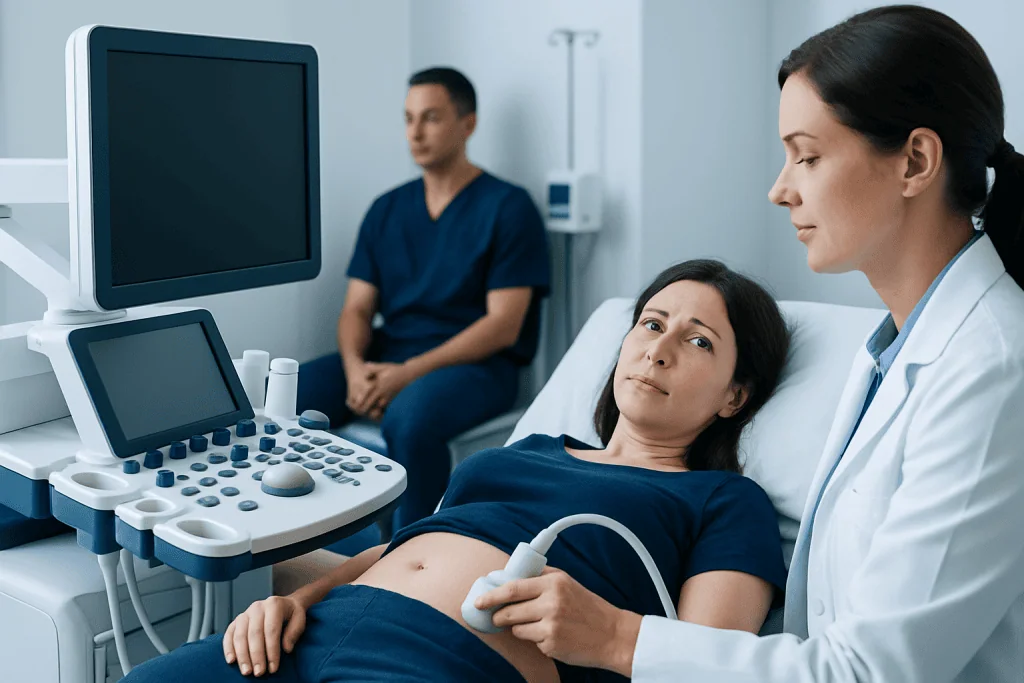
Doctors may also order tests to look for related findings or complications. These can include thyroid ultrasound, breast imaging, colonoscopy, kidney imaging, gynecologic assessment, or biopsy of a concerning growth. The exact workup depends on age, symptoms, sex, and family history.
Sometimes, a person meets clinical criteria suggestive of cowden syndrome even if a PTEN mutation is not found. In these situations, follow-up may still be recommended based on the overall pattern of risk. A multidisciplinary approach is often helpful because the condition can involve several organ systems over many years.
Cancer Risk and Long-Term Monitoring
One of the most important aspects of cowden syndrome is its link to increased lifetime cancer risk. The cancers most often discussed include breast, thyroid, and endometrial cancer, though risks may also be increased for colorectal, kidney, and some skin cancers. Risk is not the same for every person, so surveillance plans should be individualized.
Monitoring usually starts earlier and is more structured than routine screening for the general population. Depending on the person’s age and medical history, doctors may recommend regular breast imaging, thyroid ultrasound, colonoscopy, gynecologic evaluation, skin checks, and periodic kidney imaging. The aim is early detection, not to assume cancer will occur.
People with suspicious symptoms or abnormal screening results may need further evaluation or treatment. For example, a concerning breast lump may lead to breast biopsy, a thyroid nodule may need assessment in relation to thyroid cancer treatment, and gastrointestinal polyps may require removal during endoscopy. Screening plans are updated over time as new symptoms, family information, or test results become available.
Treatment Options
There is no treatment that removes the underlying genetic change in cowden syndrome, so care focuses on managing symptoms, removing or evaluating suspicious growths, and lowering the risk of serious complications through surveillance. Treatment is tailored to the person’s specific findings rather than the syndrome name alone.
Benign growths on the skin, in the thyroid, or in the digestive tract may be monitored or treated if they cause symptoms, change in appearance, or raise concern for cancer. Thyroid nodules, breast lesions, colon polyps, and uterine abnormalities may need imaging, biopsy, endoscopic removal, surgery, or other specialist care depending on what is found.
If cancer develops, treatment follows standard oncologic principles and depends on the tumor type, stage, and the person’s overall health. In some cases, this may involve surgery, systemic therapy, radiation therapy, or coordinated cancer care such as oncology treatment. People with inherited cancer syndromes may also discuss whether risk-reducing surgery is appropriate, although this decision is highly individual and should be made with expert guidance.
Because cowden syndrome can affect several organs, many people benefit from coordinated care among genetics, dermatology, endocrinology, gastroenterology, gynecology, breast specialists, and oncology. Near the end of the diagnostic pathway or during long-term follow-up, some international patients may choose centers such as Acibadem International, where multidisciplinary specialists in JCI-accredited hospitals evaluate and treat PTEN-related conditions.
Prevention, Self-Care, and Family Planning
Cowden syndrome cannot usually be prevented because it is a genetic condition. However, early recognition and regular surveillance can reduce the chance that a cancer or other complication goes unnoticed. Keeping a written record of personal diagnoses, surgeries, biopsy results, and family history can make follow-up more effective.
Self-care includes attending scheduled screening appointments, reporting new symptoms promptly, and following specialist recommendations for thyroid, breast, gynecologic, skin, digestive, or kidney evaluation. General healthy habits such as not smoking, limiting alcohol, staying physically active, and maintaining a balanced diet support overall health, though they do not replace genetic risk management.
Genetic counseling is often valuable for family planning and for helping relatives understand whether they may also be at risk. Counselors can explain inheritance patterns, testing options, and what a positive or negative result may mean. This can be especially important for families with several members affected by cancers or benign growths linked to PTEN-related syndromes.
When to Seek Medical Care
Medical advice should be sought if a person has multiple unusual skin or mouth growths, repeated thyroid nodules, large head size with other related features, numerous colon polyps, or a strong family history of breast, thyroid, uterine, kidney, or colorectal cancer. An inherited syndrome may also be considered when cancers occur at younger ages or when one person develops more than one related cancer.
Prompt medical review is also important for warning signs such as a new breast lump, unexplained vaginal bleeding, a rapidly enlarging thyroid mass, blood in the stool, persistent changes in bowel habits, unexplained weight loss, or a skin lesion that changes noticeably. These symptoms do not always mean cancer, but they should not be ignored.
People already diagnosed with cowden syndrome should keep regular follow-up appointments even when they feel well. Routine surveillance is a key part of care because some related cancers and precancerous changes may not cause early symptoms.
Frequently asked questions
Is cowden syndrome a cancer?
No. Cowden syndrome is an inherited condition that increases the risk of certain cancers and can cause multiple benign growths. Having the syndrome does not mean a person currently has cancer, but it does mean regular screening is important.
What gene is involved in cowden syndrome?
Cowden syndrome is most commonly linked to changes in the PTEN gene. This gene normally helps control cell growth, so a harmful mutation can increase the chance of benign growths and some cancers.
Can cowden syndrome be inherited from a parent?
Yes. It is usually inherited in an autosomal dominant pattern, meaning one altered copy of the gene can cause the condition. A person with a PTEN mutation may pass it on to their children, although some cases arise for the first time in one individual.
What cancers are associated with cowden syndrome?
The main cancers linked to cowden syndrome include breast, thyroid, and endometrial cancer. Risks may also be increased for colorectal, kidney, and some skin cancers, which is why doctors usually recommend a personalized surveillance plan.
How is cowden syndrome diagnosed?
Diagnosis is based on a combination of medical history, family history, physical findings, and genetic testing. A doctor may also recommend imaging, endoscopy, biopsy, or other tests to look for related conditions and guide screening.
Is there a cure for cowden syndrome?
There is no cure that removes the underlying genetic cause. Treatment focuses on monitoring for cancer, managing symptoms, and treating any benign or malignant growths that develop.
Should family members be tested?
Family members may benefit from genetic counseling and, in some cases, genetic testing. This can help identify who may need closer screening and who may not, based on the family’s specific PTEN mutation and medical history.
References
- National Cancer Institute
- National Comprehensive Cancer Network
- GeneReviews
- American Cancer Society
- National Organization for Rare Disorders
This article is for general information only and is not a substitute for professional medical advice. Please consult a qualified doctor about your individual situation.
Oncology care in Turkey — second opinion and treatment plan
JCI-accredited · board-certified surgeons · reply within 24h
Add us as a Preferred Source to see more of our trusted health content across Google Search, AI Overviews and Discover.

More from the Health Library



Related Specialists
Prof. Dr. Murat Turfan
Cardiology
Dr. Mehmet Bilhan Hayırlıoğlu
Anesthesiology
Dr. Zeynep Ece Demirbaş
Internal Medicine
Assoc. Prof. Dr. Ertuğrul Emre Güntürk
Cardiology