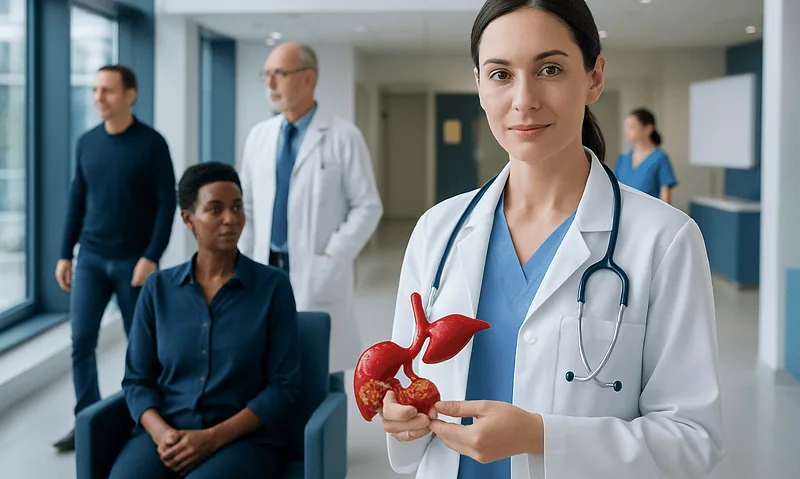
Crohn’s Disease: Symptoms, Diagnosis, and Treatment Options

Crohn’s disease is a chronic inflammatory bowel disease that may cause diarrhea, abdominal pain, weight loss, fatigue, and symptoms outside the gut. Symptoms can come and go, with periods of active inflammation called flares and quieter periods called remission.
Key Takeaways
- Crohn’s disease is a chronic inflammatory bowel disease that may cause diarrhea, abdominal pain, weight loss, fatigue, and symptoms outside the gut.
- Symptoms can come and go, with periods of active inflammation called flares and quieter periods called remission.
- Diagnosis usually combines blood and stool tests, colonoscopy with biopsy, and imaging such as MRI, CT, or intestinal ultrasound.
- Treatment may include anti-inflammatory medicines, immune-modifying drugs, biologic therapies, nutrition support, and sometimes surgery.
- People with Crohn’s disease benefit from regular follow-up because complications and treatment side effects can often be detected early.
Crohn’s disease is a long-term inflammatory bowel disease that can affect any part of the digestive tract, most often the end of the small intestine and the colon. With an accurate diagnosis, ongoing monitoring, and individualized treatment, many people can control symptoms, reduce flares, and protect long-term bowel health.
Overview
Crohn’s disease is one of the main forms of inflammatory bowel disease, often shortened to IBD. It causes ongoing inflammation in the digestive tract, which can lead to swelling, irritation, ulcers, narrowing of the bowel, and changes in how the intestines absorb nutrients. Unlike ulcerative colitis, which mainly affects the colon and rectum, Crohn’s disease can involve any part of the gastrointestinal tract from the mouth to the anus.
The condition most commonly affects the last part of the small intestine, called the ileum, and the beginning of the large intestine. Inflammation may occur in patches, with healthy-looking bowel between affected areas. It can also extend through the full thickness of the bowel wall, which helps explain why complications such as fistulas, abscesses, or strictures can develop in some people.
Crohn’s disease is a chronic condition, meaning it usually requires long-term care. However, chronic does not mean constant severe symptoms. Many people have periods of remission when symptoms are mild or absent, followed by flares when inflammation becomes active again. The goals of care are to control inflammation, relieve symptoms, prevent complications, and support a good quality of life.
Symptoms of Crohn’s Disease
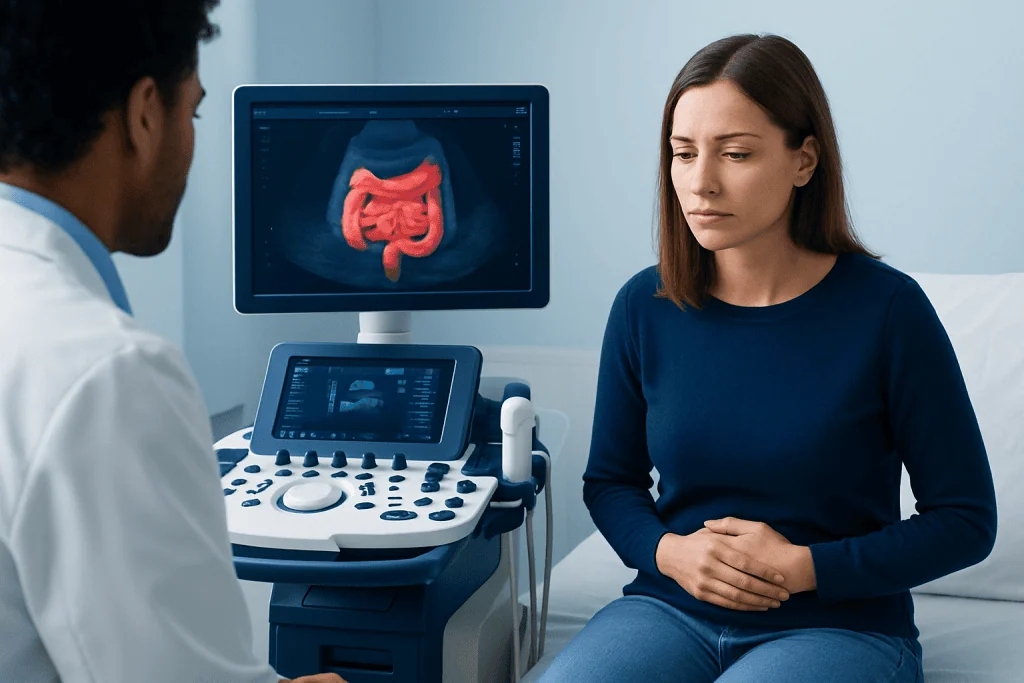
Crohn’s disease symptoms vary widely depending on which part of the digestive tract is inflamed and how severe the inflammation is. Some people develop symptoms gradually, while others notice a more sudden flare. The symptoms may be mild at first and can be mistaken for irritable bowel syndrome, infection, food intolerance, or stress-related digestive upset.
Common digestive symptoms include persistent diarrhea, cramping abdominal pain, bloating, urgency to pass stool, loss of appetite, nausea, and unintended weight loss. Some people may notice blood or mucus in the stool, especially if inflammation affects the colon or rectum. Pain is often felt in the lower right side of the abdomen, but it can occur in other areas as well.
Crohn’s disease can also cause symptoms outside the digestive tract because inflammation affects the immune system more broadly. These may include fatigue, fever during active inflammation, mouth ulcers, joint pain, eye inflammation, skin rashes, and delayed growth or puberty in children and adolescents. Anemia can occur if there is blood loss, poor iron absorption, or chronic inflammation.
Symptoms that suggest a possible complication include worsening abdominal pain, vomiting, abdominal swelling, fever, chills, severe rectal pain, drainage near the anus, or inability to pass stool or gas. These symptoms do not always mean an emergency, but they should be assessed promptly by a healthcare professional.
Causes and Risk Factors
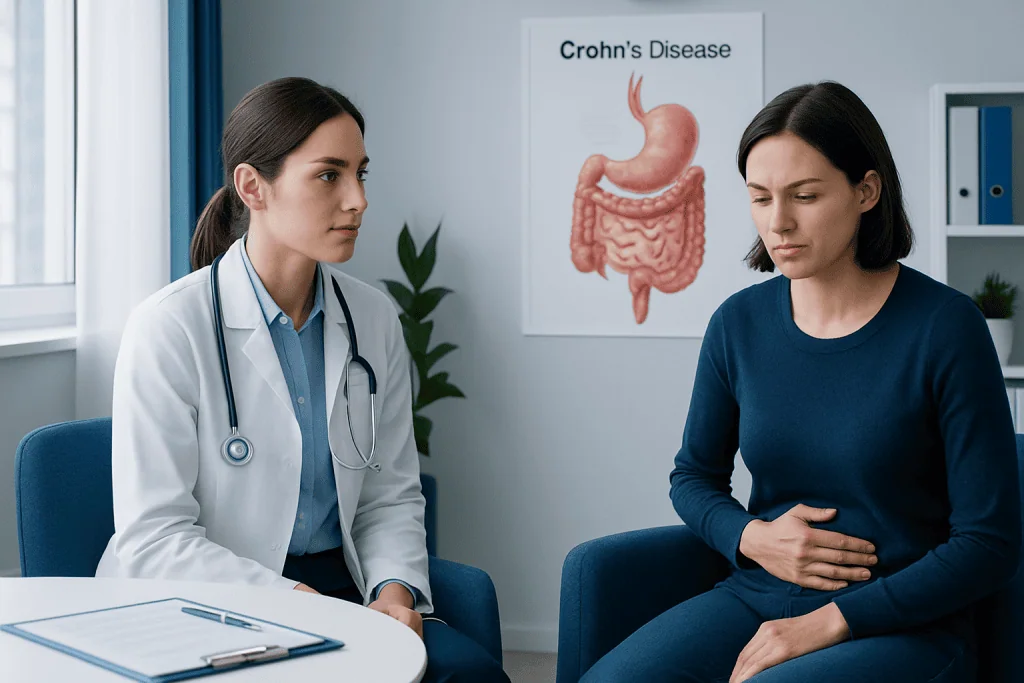
The exact cause of Crohn’s disease is not fully understood. Current medical evidence suggests that it develops from a combination of immune system activity, genetic susceptibility, the gut microbiome, and environmental triggers. In people with Crohn’s disease, the immune system appears to react in an abnormal or prolonged way, leading to inflammation that damages the intestinal lining.
Having a close relative with Crohn’s disease or another form of IBD increases risk, although many people with Crohn’s disease have no family history. The condition can occur at any age, but it is often diagnosed in young adults. It affects people of all backgrounds and may be influenced by complex interactions between genes, lifestyle, infections, and environmental exposures.
Known risk factors and contributors may include:
- Family history of Crohn’s disease or ulcerative colitis
- Cigarette smoking, which is linked with more active Crohn’s disease and higher risk of relapse
- Previous intestinal infections or changes in gut bacteria in susceptible people
- Regular use of nonsteroidal anti-inflammatory drugs in some individuals, which may worsen symptoms or irritation
- Living in urban or industrialized environments, possibly reflecting diet, microbiome, or environmental influences
Diet does not cause Crohn’s disease on its own, but certain foods can worsen symptoms during active disease or when narrowing of the bowel is present. Stress also does not directly cause Crohn’s disease, but it can affect symptom perception, sleep, appetite, and coping during flares.
How Crohn’s Disease Is Diagnosed
There is no single test that confirms Crohn’s disease in every case. Diagnosis usually requires a combination of medical history, physical examination, laboratory tests, endoscopy, biopsies, and imaging. The doctor will ask about symptoms, duration, weight changes, family history, medication use, smoking, travel, infections, and symptoms outside the intestine.
Blood tests may look for anemia, signs of inflammation, nutritional deficiencies, liver changes, and infection markers. Stool tests may help exclude infections and may measure inflammation in the gut, such as fecal calprotectin. These tests are useful for guiding the next steps, but they do not replace direct evaluation of the bowel when Crohn’s disease is suspected.
Colonoscopy with ileoscopy is a key diagnostic test because it allows the doctor to examine the colon and the end of the small intestine and take small tissue samples. Biopsy results can show patterns of inflammation and help distinguish Crohn’s disease from ulcerative colitis, infection, and other conditions. In some cases, upper endoscopy or capsule endoscopy may be used to evaluate the upper digestive tract or small intestine, if appropriate.
Imaging tests help show areas that cannot be fully assessed by colonoscopy and can identify complications. Magnetic resonance enterography, CT enterography, intestinal ultrasound, or pelvic MRI may be used depending on symptoms and availability. Imaging can detect bowel wall thickening, strictures, fistulas, abscesses, and inflammation in the small intestine.
Treatment Options
Crohn’s disease treatment is personalized. The best plan depends on disease location, severity, complications, previous treatments, age, pregnancy plans, other medical conditions, and patient preferences. Treatment aims not only to reduce symptoms but also to heal intestinal inflammation when possible, because symptoms and inflammation do not always match perfectly.
Medicines used for Crohn’s disease may include corticosteroids for short-term control of moderate or severe flares, immune-modifying medicines to reduce ongoing immune activity, and biologic or targeted therapies that block specific inflammatory pathways. Antibiotics may be used in selected situations, such as certain infections, abscesses, or perianal disease. Medication choices require careful medical supervision, including monitoring for side effects and infections.
Nutrition is an important part of care. Some people need treatment for iron, vitamin B12, vitamin D, folate, calcium, or protein deficiencies. During flares, a dietitian may recommend temporary adjustments such as smaller meals, low-fiber choices if strictures are present, or nutritional supplements. In children, specialized nutrition therapy may sometimes be used to induce remission and support growth.
Surgery may be needed if medicines cannot control disease or if complications develop, such as bowel obstruction, abscess, fistula, severe bleeding, or a narrowed section of intestine. Surgery does not cure Crohn’s disease, because inflammation can return in another area, but it can relieve complications and improve quality of life for selected patients. After surgery, follow-up treatment is often recommended to reduce the risk of recurrence.
Prevention, Lifestyle, and Self-Care
There is currently no proven way to prevent Crohn’s disease entirely, but self-care can help reduce flares, improve daily comfort, and support treatment. One of the most important steps is not smoking, or seeking help to stop smoking. Smoking is associated with more aggressive Crohn’s disease and may reduce the effectiveness of treatment in some patients.
Eating patterns should be individualized. During remission, many people can follow a balanced diet with adequate protein, fruits, vegetables, whole grains if tolerated, and healthy fats. During flares, it may help to eat smaller, more frequent meals and avoid foods that worsen diarrhea, cramping, or bloating. People with strictures should follow medical advice about fiber, seeds, nuts, and other foods that may be difficult to pass through narrowed areas.
Helpful self-care strategies may include:
- Taking prescribed medicines consistently, even when symptoms improve, unless a doctor advises otherwise
- Keeping a symptom and food diary to identify patterns
- Maintaining hydration, especially during diarrhea
- Discussing vaccinations before starting immune-suppressing therapy
- Planning regular monitoring for blood tests, stool inflammation markers, imaging, or endoscopy when recommended
- Seeking support for stress, sleep, anxiety, or depression, which can affect coping and quality of life
People with Crohn’s disease should ask their doctor before using over-the-counter anti-diarrheal medicines, anti-inflammatory pain relievers, herbal products, or supplements. Some products can be unsafe in certain situations or may interact with prescribed treatments.
When to See a Doctor
A person should seek medical evaluation if diarrhea, abdominal pain, rectal bleeding, unexplained weight loss, fever, or fatigue continues for more than a short time or keeps returning. Early assessment can help distinguish Crohn’s disease from infections, celiac disease, irritable bowel syndrome, medication effects, and other digestive conditions. Diagnosis is especially important in children and teenagers because inflammation can affect growth and development.
People already diagnosed with Crohn’s disease should contact their healthcare team if symptoms change, flares become more frequent, medicines stop working, or side effects occur. Prompt advice is also important for signs such as persistent vomiting, severe abdominal pain, high fever, dehydration, fainting, black stools, heavy rectal bleeding, or painful swelling near the anus.
Long-term care often involves a gastroenterologist, radiologist, colorectal surgeon, dietitian, nurse specialist, and sometimes a psychologist or rheumatologist, ophthalmologist, or dermatologist for symptoms outside the gut. Acibadem International’s multidisciplinary specialists and JCI-accredited hospitals diagnose and treat Crohn’s disease for international patients, with care plans guided by the patient’s clinical findings and medical history.
Frequently asked questions
Is Crohn’s disease the same as ulcerative colitis?
No. Both are inflammatory bowel diseases, but they affect the digestive tract differently. Crohn’s disease can involve any part of the gastrointestinal tract and may affect the full thickness of the bowel wall, while ulcerative colitis usually affects only the colon and rectum lining.
Can Crohn’s disease be cured?
There is currently no cure that permanently removes Crohn’s disease. However, many treatments can control inflammation, reduce symptoms, and help people stay in remission. Ongoing follow-up is important because treatment needs can change over time.
What foods should someone with Crohn’s disease avoid?
There is no single Crohn’s disease diet that works for everyone. During flares, some people feel better with smaller meals and temporary reduction of high-fiber, fatty, spicy, or lactose-containing foods if these worsen symptoms. A doctor or dietitian can help tailor advice, especially if weight loss, deficiencies, or bowel narrowing is present.
Does stress cause Crohn’s disease flare-ups?
Stress does not appear to be the root cause of Crohn’s disease, but it can worsen how symptoms are experienced and may affect sleep, appetite, and coping. Stress management, regular sleep, physical activity when appropriate, and psychological support can be helpful parts of care.
Will every person with Crohn’s disease need surgery?
No. Many people manage Crohn’s disease with medicines, nutrition support, and monitoring. Surgery may be recommended when complications occur or when inflammation cannot be controlled adequately with medical treatment.
Can children get Crohn’s disease?
Yes. Crohn’s disease can occur in children and adolescents. In younger patients, symptoms may include abdominal pain, diarrhea, poor appetite, weight loss, delayed growth, or delayed puberty, so early medical evaluation is important.
References
- European Crohn’s and Colitis Organisation
- American College of Gastroenterology
- National Institute of Diabetes and Digestive and Kidney Diseases
- Mayo Clinic
- Crohn’s & Colitis Foundation
This article is for general information only and is not a substitute for professional medical advice. Please consult a qualified doctor about your individual situation.
Persistent digestive symptoms? Get evaluated in Turkey
JCI-accredited · board-certified surgeons · reply within 24h
Add us as a Preferred Source to see more of our trusted health content across Google Search, AI Overviews and Discover.

Gastroenterology
Diagnosis and treatment of the digestive system and liver, with advanced endoscopy.
46 specialists in this unit