Dark Eye Circles: What Patients Need to Know

Dark eye circles are a symptom or appearance change, not a diagnosis by themselves. Common causes include inherited traits, thinning skin with age, allergies, rubbing the eyes, sleep issues, and dehydration.
Key Takeaways
- Dark eye circles are a symptom or appearance change, not a diagnosis by themselves.
- Common causes include inherited traits, thinning skin with age, allergies, rubbing the eyes, sleep issues, and dehydration.
- Treatment depends on the cause and may involve skincare, allergy control, lifestyle changes, or selected aesthetic procedures.
- Sudden onset, one-sided discoloration, swelling, pain, or vision changes should be medically assessed.
- A clinician may look for skin pigmentation, visible blood vessels, hollowness, puffiness, or signs of a broader health condition.
Dark eye circles are usually harmless and often relate to genetics, skin changes with age, allergies, sleep habits, or pigmentation. Because they can also reflect irritation, fluid shifts, or less commonly an underlying health issue, a medical assessment may help when they are new, worsening, or accompanied by other symptoms.
Overview: what dark eye circles usually mean
Dark eye circles describe a shadowed, brown, blue, purple, or gray appearance under the eyes. In many people, they are a normal cosmetic concern rather than a sign of disease. The under-eye area has thin, delicate skin, and small changes in pigment, blood vessels, fluid, or tissue volume can become very noticeable there.
Several different mechanisms can create a similar look. Some people mainly have extra pigment in the skin, while others have visible vessels, puffiness that casts a shadow, or age-related volume loss that makes the tear trough appear darker. Because the causes vary, the most helpful treatment is not the same for everyone.
Dark eye circles can affect people of any age and skin tone. They are often influenced by family traits and by daily factors such as sleep pattern, sun exposure, allergies, eye rubbing, smoking, and stress. Although they are usually benign, a clinician can help distinguish common cosmetic causes from less common medical problems.
How dark eye circles can look and feel
Patients often notice under-eye discoloration that makes them look tired even when they feel well. The color may be brownish if pigmentation is the main issue, bluish or purplish if blood vessels are showing through thin skin, or grayish when shadowing from hollows or puffiness is more important. In some people, the appearance changes through the day.
Dark eye circles may occur together with other under-eye features. These can include mild swelling in the morning, dryness, fine lines, itchiness from allergies or eczema, and a hollow groove between the lower eyelid and the cheek. Makeup may cover some forms better than others, which can offer clues about whether color or shadow is the main contributor.
Symptoms that suggest a separate eye or skin condition include redness, scaling, burning, significant itching, pain, tearing, or visual changes. If dark circles appear with these features, the concern may be less about appearance alone and more about an underlying problem such as dermatitis, allergy, or another eye-area disorder that deserves targeted treatment.
- Brown tones often suggest pigmentation.
- Blue or purple tones may reflect visible vessels or congestion.
- A shadowed look may be due to puffiness or loss of under-eye volume.
- Morning prominence can point to fluid retention or nasal congestion.
Why dark eye circles happen

Genetics are one of the strongest influences on dark eye circles. Some people naturally have more pigment around the eyes, deeper tear troughs, thinner skin, or more visible vessels. These inherited features can begin early in life and may remain fairly stable, though they often become more noticeable with age.
Aging changes the under-eye area in several ways. Skin gradually becomes thinner and may lose collagen and elasticity, making blood vessels easier to see. At the same time, fat and soft tissue can shift, creating hollowness or mild puffiness that casts shadows. Sun exposure can also increase pigmentation and speed visible skin aging.
Allergies are another common trigger. Nasal congestion may slow venous drainage and make the under-eye area appear darker or fuller. Itching leads many people to rub their eyes, which can worsen irritation and increase pigmentation over time. In some patients, treating allergic rhinitis or eczema improves the appearance more than any cosmetic product.
Lifestyle factors can contribute too, although they are rarely the only cause. Poor sleep may increase puffiness and make underlying circles more obvious. Dehydration can accentuate a tired, hollow look. Smoking, high salt intake, chronic stress, and inconsistent sun protection may also make the under-eye area look more prominent. In a smaller number of cases, clinicians may consider anemia, thyroid disease, or skin disorders among the broader differential diagnosis.
How doctors assess dark eye circles
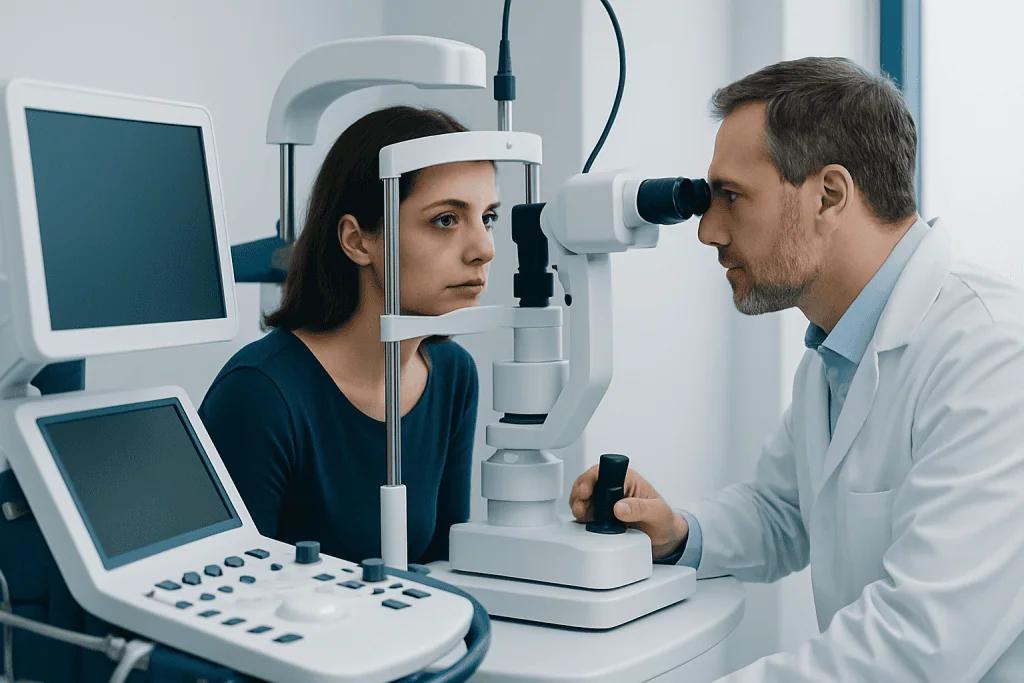
Diagnosis usually begins with a history and physical examination. A doctor may ask when the dark circles started, whether they run in the family, and whether they vary with sleep, seasons, allergies, or sun exposure. They may also ask about rubbing the eyes, contact dermatitis from skincare or cosmetics, smoking, medications, and any associated symptoms such as swelling, itching, headache, or vision changes.
During the examination, the clinician looks at skin color, texture, puffiness, hollowness, fine blood vessels, and facial anatomy. Good lighting and gentle stretching of the skin can help show whether the darkness comes more from pigment, vascular visibility, or shadowing. If the eyelids are irritated or the eyes are watery or red, the doctor may look for eczema, blepharitis, or allergic conditions.
Tests are not always needed. However, if the history suggests another health issue, a clinician may recommend blood tests or further evaluation. Examples include checking for anemia when there is fatigue and pallor, or exploring nasal allergy and sinus problems when congestion is persistent. In selected cases, related eye concerns may overlap with broader eye health issues or other conditions that require specialist review, though dark circles alone do not usually indicate these diagnoses.
Treatment options depend on the cause
The best treatment for dark eye circles depends on what is creating them. For pigmentation, gentle sun protection and avoiding eye rubbing are foundational steps. Some patients may benefit from clinician-guided topical care aimed at discoloration or skin quality. When irritation or eczema is present, treating the skin condition first is important because ongoing inflammation can maintain or worsen the problem.
If allergies or congestion play a role, managing the underlying trigger can reduce under-eye darkness and puffiness. That may include allergy evaluation, environmental control, and medical treatment when appropriate. Improved sleep regularity, head elevation for morning swelling, limiting excess salt, staying hydrated, and stopping smoking may also make circles less noticeable, especially when fluid retention and fatigue are contributing factors.
For shadowing from puffiness or hollowness, topical products may have limited benefit. In carefully selected patients, procedural approaches may help. Depending on facial anatomy and skin quality, doctors may discuss options such as under-eye bag surgery for prominent lower-lid bags or eyelid surgery when excess eyelid tissue or contour changes are significant. These treatments are individualized and should be planned by experienced specialists after a full assessment.
When texture and laxity are major concerns, some patients may also be evaluated for procedures that improve skin support or rejuvenation, such as facial rejuvenation procedures in broader aging-related cases. Not every patient is a candidate, and procedures do not treat every type of dark circle. A careful diagnosis helps set realistic expectations and prevents over-treatment.
Self-care and everyday habits that may help
Simple habits can support healthier-looking under-eye skin. Consistent sleep schedules may reduce puffiness and make shadows less obvious, even though sleep alone does not cure inherited or structural dark circles. Cool compresses can temporarily lessen swelling for some people, especially in the morning. Gentle cleansing and fragrance-aware skincare are useful when the eye area is sensitive.
Sun protection is particularly important because ultraviolet exposure can deepen pigmentation and accelerate skin thinning. Patients can use sunglasses, seek shade, and choose sunscreen products appropriate for the eye area if tolerated. Avoiding vigorous rubbing is also key, especially for people with allergies, eczema, or chronic irritation.
Hydration, a balanced diet, and smoking cessation support general skin health. If a person suspects certain cosmetics or skincare products are irritating the eyelids, it is sensible to stop them and seek professional advice rather than trying many new products at once. Persistent puffiness or discoloration should not be self-treated indefinitely without a proper evaluation.
- Keep a regular sleep routine.
- Manage allergies and avoid rubbing the eyes.
- Use daily sun protection and sunglasses.
- Limit smoking and excess salt if morning puffiness is a concern.
- Choose gentle products around the eyes.
When to seek medical care
Medical care is appropriate when dark eye circles are new, clearly worsening, or causing significant distress. A doctor should also assess circles that are mainly on one side, associated with a new lump or swelling, or paired with redness, scaling, pain, or changes in vision. These features may point to something other than a simple cosmetic concern.
It is also reasonable to seek evaluation if dark circles occur with persistent fatigue, shortness of breath, paleness, chronic nasal symptoms, or signs of skin disease. In children, long-standing under-eye darkness is often related to allergies or inherited traits, but a pediatric assessment may help when symptoms are recurrent or disruptive. A structured medical review can clarify the cause and prevent unnecessary treatments.
For patients exploring procedural options, specialist assessment is especially important because under-eye anatomy is delicate and treatment must be individualized. Near the end of the care journey, some people choose multidisciplinary evaluation at centers such as Acibadem International, where JCI-accredited hospitals and relevant specialists care for international patients with medical and aesthetic concerns affecting the eyelid and under-eye area.
Frequently asked questions
Are dark eye circles usually a sign of poor sleep?
Not always. Poor sleep can make under-eye circles look more obvious by increasing puffiness and a tired appearance, but many cases are mainly due to genetics, pigmentation, visible vessels, or age-related changes. If sleep improves and the circles remain, another cause is likely contributing.
Can dehydration cause dark eye circles?
Dehydration can make the under-eye area look more hollow or tired, which may accentuate existing circles. However, it is usually not the sole cause. Rehydration may help the overall appearance, but persistent circles often have other contributing factors.
Do allergies make dark eye circles worse?
Yes, they can. Allergies may cause nasal congestion, swelling, itching, and frequent eye rubbing, all of which can deepen under-eye darkness or make puffiness more noticeable. Treating the allergy often improves the appearance.
Will creams completely remove dark eye circles?
Creams may help some patients, especially when dryness, mild pigmentation, or skin quality are part of the issue. They are usually less effective for circles caused by hollowness, prominent vessels, or under-eye bags. A proper diagnosis helps determine whether topical care is likely to help.
Are dark eye circles hereditary?
Often, yes. Family traits can influence skin thickness, pigmentation, visible blood vessels, and facial structure around the eyes. When genetics are a major factor, circles may begin early and may not fully respond to lifestyle changes alone.
When are dark eye circles a reason to see a doctor?
A medical review is sensible if the circles are new, one-sided, rapidly worsening, or associated with swelling, pain, redness, rash, fatigue, or visual changes. These signs can suggest an underlying condition that needs specific treatment. Even when the cause is benign, professional guidance can help match treatment to the correct mechanism.
This article is for general information only and is not a substitute for professional medical advice. Please consult a qualified doctor about your individual situation.
Explore treatments in Turkey — costs, top hospitals & a free quote
JCI-accredited · board-certified surgeons · reply within 24h
Add us as a Preferred Source to see more of our trusted health content across Google Search, AI Overviews and Discover.

More from the Health Library

Deep Breathing for Anxiety Attack: What Patients Need to Know

Dyslexia: What Patients Need to Know

Engorged: An Evidence-Based Guide for Patients

Aleve — Explained by Medical Evidence, Not Myths

Furuncle: An Evidence-Based Guide for Patients