Deep Sleep: A Complete Medical Overview
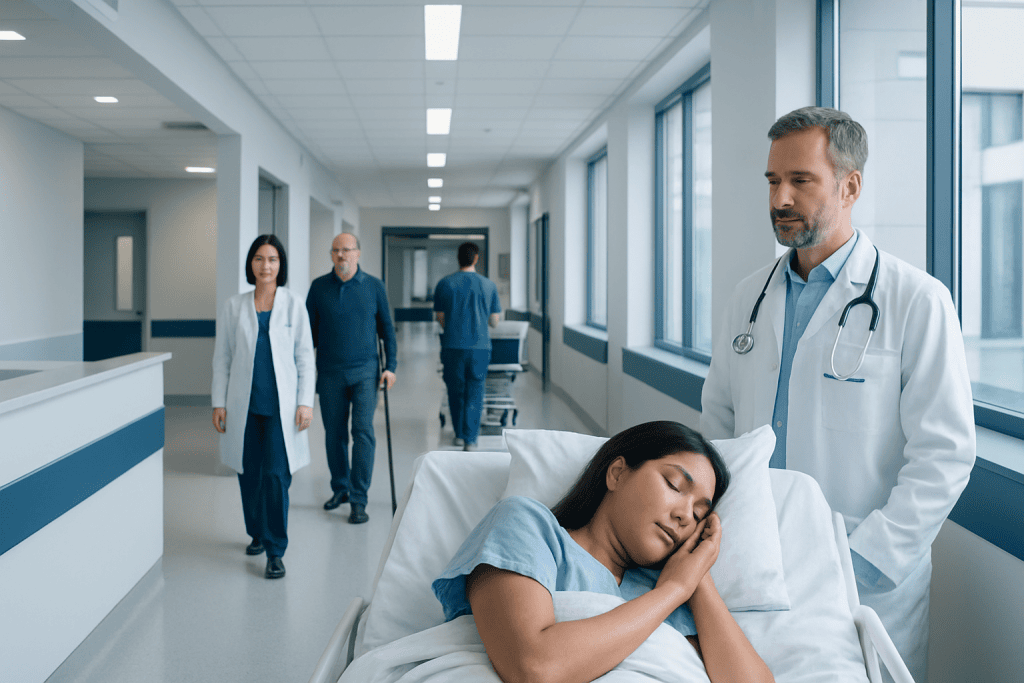
Deep sleep, also called slow-wave sleep, is a normal stage of non-REM sleep linked to physical restoration. Too little deep sleep may cause unrefreshing sleep, daytime tiredness, poor concentration, and lower resilience to stress or illness.
Key Takeaways
- Deep sleep, also called slow-wave sleep, is a normal stage of non-REM sleep linked to physical restoration.
- Too little deep sleep may cause unrefreshing sleep, daytime tiredness, poor concentration, and lower resilience to stress or illness.
- Age, irregular sleep schedules, alcohol, certain medicines, pain, and sleep disorders can all reduce deep sleep.
- Healthy sleep habits and treatment of underlying conditions often improve deep sleep quality.
- Persistent snoring, pauses in breathing, severe insomnia, or excessive daytime sleepiness should be assessed by a doctor.
Deep sleep is the most physically restorative stage of sleep. It helps the brain and body recover, supports memory and immunity, and is essential for feeling refreshed; when it is reduced, daytime function and overall health can suffer.
Overview: what deep sleep is and why it matters
Deep sleep is the stage of sleep in which the brain produces slow waves, breathing and heart rate become steadier, and the body shifts strongly toward repair and recovery. It is also called slow-wave sleep and is part of non-rapid eye movement (non-REM) sleep. People usually have more deep sleep in the first half of the night, especially during the earlier sleep cycles.
Deep sleep matters because it supports physical restoration, hormone regulation, immune function, and aspects of learning and memory. During this stage, the body is less responsive to outside stimulation, which is why it can be harder to wake someone from deep sleep than from lighter stages. Waking from deep sleep may cause temporary grogginess, sometimes called sleep inertia.
Sleep is not a single uniform state. It moves through repeating cycles that include light sleep, deep sleep, and REM sleep. Each stage has a role. Deep sleep is especially associated with tissue recovery and energy restoration, while REM sleep is more strongly linked to vivid dreaming and some emotional and cognitive processing. Good health depends on having enough total sleep and a normal balance of sleep stages rather than focusing on one number alone.
How deep sleep fits into the sleep cycle
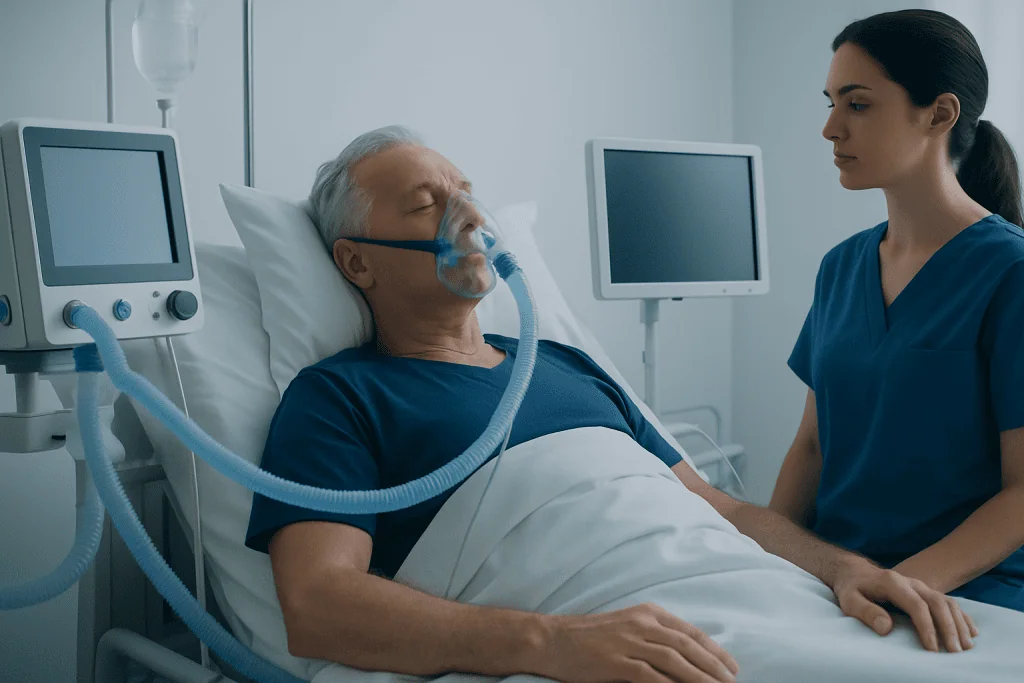
Normal sleep is organized into cycles that repeat several times each night. These cycles typically move from lighter non-REM stages into deeper slow-wave sleep and then into REM sleep. The amount of time spent in each stage changes across the night. Deep sleep usually occurs more in the first third to half of sleep, while REM sleep becomes longer toward morning.
In deep sleep, brain waves slow, muscle activity decreases, and the body conserves energy while carrying out restoration processes. Growth hormone release is closely linked to this stage, especially in children and adolescents, though it remains relevant across life. The immune system also appears to benefit from healthy deep sleep, which may be one reason poor sleep can affect how resilient a person feels.
Deep sleep naturally changes with age. Infants and children typically spend more time in deep sleep than adults. Older adults often have lighter, more fragmented sleep and less slow-wave sleep, which can be a normal part of aging. Even so, frequent awakenings, significant daytime symptoms, or loud snoring and breathing pauses are not simply something a person should ignore as “normal aging.”
Signs of too little deep sleep
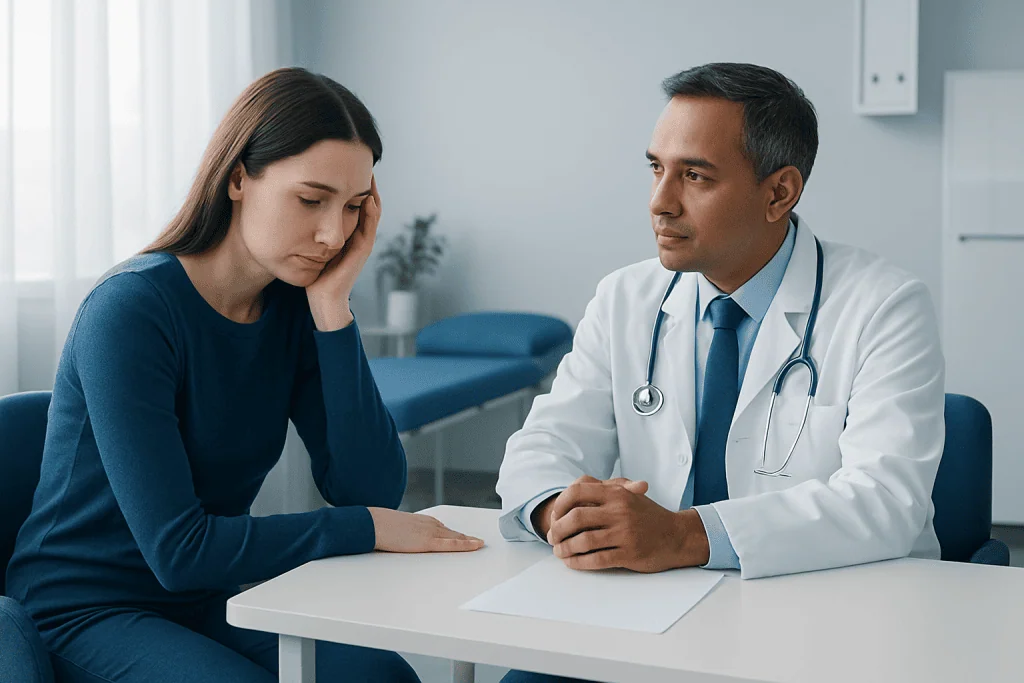
A person cannot usually tell how much deep sleep they had just by guessing, but the effects of reduced deep sleep are often noticeable. Common signs include waking unrefreshed despite spending enough time in bed, feeling physically drained, having trouble concentrating, and experiencing daytime sleepiness. Some people notice irritability, reduced exercise recovery, or more sensitivity to stress.
Memory and attention can also be affected. Deep sleep contributes to brain processes involved in consolidating information and supporting next-day mental performance. When deep sleep is disrupted night after night, people may feel mentally slower or less sharp, even if they are not fully aware of why.
Sleep trackers may estimate deep sleep, but these devices cannot diagnose a medical condition. Their results can be helpful for noticing general patterns, yet they are not as accurate as formal sleep testing. If symptoms are significant or persistent, medical evaluation is more useful than relying on wearable data alone.
- Unrefreshing sleep
- Daytime fatigue or sleepiness
- Poor focus or memory lapses
- Morning grogginess
- Mood changes, including irritability
- Reduced physical recovery after activity
What can reduce deep sleep
Many factors can lower deep sleep or make it more fragmented. One of the most common is insufficient total sleep time. If a person regularly shortens sleep because of work, travel, caregiving, or late-night screen use, the body may struggle to maintain healthy sleep architecture. Irregular sleep schedules, such as rotating shifts or frequent jet lag, can also interfere with the timing and quality of deep sleep.
Alcohol may make a person feel sleepy at first, but it often disrupts sleep later in the night and can worsen snoring or breathing-related sleep problems. Caffeine too late in the day may delay sleep onset and reduce sleep depth in some people. Pain, stress, anxiety, depression, fever, and chronic medical conditions can all fragment sleep and reduce restorative stages.
Some medicines can affect sleep stages as well, including certain antidepressants, stimulants, sedatives, and other prescription drugs. People should not stop a prescribed medicine on their own, but it is reasonable to ask a clinician whether a treatment might be contributing to poor-quality sleep.
Sleep disorders are another important cause. Obstructive sleep apnea can repeatedly interrupt sleep through snoring, breathing pauses, and brief arousals, limiting time spent in deeper stages. Chronic insomnia may reduce both total sleep time and sleep continuity. Restless legs syndrome and periodic limb movements can also prevent stable, restorative sleep. Related conditions may include sleep apnea and insomnia.
How doctors evaluate deep sleep concerns
Evaluation begins with a detailed history. A doctor may ask about bedtime and wake time, snoring, witnessed pauses in breathing, leg discomfort, medications, alcohol or caffeine use, shift work, and symptoms such as daytime sleepiness, headaches, or concentration difficulties. A sleep diary kept for one to two weeks can be very helpful because it shows patterns that may not be obvious day to day.
Physical examination may focus on factors that affect breathing during sleep, such as nasal blockage, enlarged tonsils, weight distribution, or jaw and airway structure. Depending on the symptoms, doctors may also consider underlying medical or mental health conditions that can disturb sleep, including thyroid disease, mood disorders, chronic pain, and reflux.
If a sleep disorder is suspected, formal testing may be recommended. A sleep study, also called polysomnography, measures brain waves, breathing, oxygen levels, heart rhythm, and leg movements during sleep. This can show how much time is spent in different sleep stages and whether there are breathing-related or movement-related disruptions. Home sleep apnea testing may be appropriate for selected patients with suspected sleep apnea, but it does not measure sleep stages in the same way as a laboratory study.
Doctors may also use questionnaires to assess sleepiness and insomnia severity. The goal is not only to measure sleep, but to identify what is preventing restorative sleep and to guide treatment safely.
Treatment options and ways to improve deep sleep
Improving deep sleep starts with improving sleep quality overall. The most effective approach depends on the cause. If a person has poor sleep habits, irregular bedtimes, excess evening caffeine, or frequent alcohol use, lifestyle changes may make a meaningful difference. If the problem is due to a condition such as sleep apnea, insomnia, chronic pain, or restless legs, treatment should focus on that underlying issue.
Sleep hygiene can support more stable sleep. Helpful measures include keeping a consistent sleep schedule, creating a cool and dark sleep environment, limiting heavy meals and alcohol close to bedtime, reducing late screen exposure, and allowing enough time in bed for age-appropriate sleep. Regular daytime exercise can support sleep depth, but intense activity very close to bedtime may not suit everyone.
For chronic insomnia, cognitive behavioral therapy for insomnia is often recommended as a first-line treatment. This structured, evidence-based approach addresses behaviors and thought patterns that interfere with sleep and may be more effective long term than relying only on sleep medicines. In some cases, short-term or targeted medication use may be considered by a clinician, but treatment should be individualized.
When sleep apnea is present, treatment may include weight management, positional strategies, oral appliances, or sleep apnea treatment such as positive airway pressure therapy, depending on severity and anatomy. If nasal obstruction contributes to disrupted sleep, a doctor may assess whether septoplasty or other ENT care is appropriate. In selected cases, a formal sleep study helps clarify the best treatment plan.
Prevention and self-care for healthier restorative sleep
Prevention focuses on protecting the body’s natural sleep rhythm. Going to bed and waking up at similar times every day helps anchor the internal clock. Morning daylight exposure can support this rhythm, while bright light late at night may delay it. For many people, this simple routine improves both sleep onset and sleep continuity over time.
It is also useful to treat sleep as part of overall health rather than an isolated nighttime issue. Managing stress, staying physically active, and addressing chronic pain, reflux, or nasal congestion can improve the quality of sleep. People who nap late in the day or spend long periods awake in bed may unintentionally reduce sleep drive at night, making deep, consolidated sleep less likely.
Self-monitoring can help. A person might notice whether caffeine after lunch, alcohol in the evening, or inconsistent bedtimes lead to poorer sleep the next day. Sleep trackers can be used cautiously to observe patterns, but they should not replace medical advice. Focusing too intensely on tracker scores can itself create sleep anxiety in some people.
For international patients who need specialist assessment, Acibadem International’s multidisciplinary teams in JCI-accredited hospitals evaluate sleep-related concerns and underlying conditions in a coordinated way.
When to seek medical care
Medical assessment is appropriate when poor-quality sleep lasts for weeks, affects daily function, or causes safety concerns such as drowsy driving. People should also seek care if they regularly wake with headaches, dry mouth, or a choking sensation, or if a bed partner notices loud snoring or pauses in breathing. These can be signs of a treatable sleep disorder rather than simple “light sleeping.”
Evaluation is also important when deep sleep concerns occur alongside mood changes, significant anxiety, memory problems, unexplained high blood pressure, or chronic fatigue. Children who snore regularly, breathe through the mouth at night, or seem unusually sleepy or irritable during the day should also be assessed.
Urgent medical attention is needed if a person has severe sleepiness that leads to near-miss accidents, sudden episodes of falling asleep in unsafe situations, or breathing problems during sleep with significant daytime symptoms. A qualified doctor can help determine whether the cause is behavioral, medical, or related to a specific sleep disorder and guide safe treatment.
Frequently asked questions
What is deep sleep?
Deep sleep is a stage of non-REM sleep also called slow-wave sleep. It is the phase most closely linked to physical restoration, stable sleep, and feeling refreshed the next day.
How much deep sleep does a person need?
There is no single target that applies to everyone. Deep sleep needs vary with age, health, and total sleep time, and doctors usually focus more on symptoms and overall sleep quality than on a fixed number from a device.
Can a smartwatch accurately measure deep sleep?
Wearables can estimate sleep stages, but they are not as accurate as formal sleep testing. They may be useful for identifying broad trends, but they cannot diagnose sleep apnea, insomnia, or other medical causes of disrupted sleep.
Does alcohol help with deep sleep?
Alcohol may make a person feel sleepy at first, but it often disrupts sleep later in the night. It can fragment sleep, worsen snoring, and reduce overall sleep quality, even if falling asleep seems easier.
Why do people get less deep sleep with age?
A gradual reduction in slow-wave sleep is common with aging. However, frequent awakenings, severe daytime tiredness, or loud snoring and breathing pauses should not be assumed to be normal and may need medical evaluation.
Can insomnia reduce deep sleep?
Yes. Insomnia can shorten total sleep time and make sleep more fragmented, which may reduce restorative sleep stages. Treating insomnia often improves both sleep continuity and how refreshed a person feels.
When should someone talk to a doctor about deep sleep problems?
A doctor should be consulted if sleep problems persist for several weeks, affect daytime function, or include symptoms such as loud snoring, breathing pauses, morning headaches, or severe daytime sleepiness. These symptoms may point to a treatable sleep disorder.
This article is for general information only and is not a substitute for professional medical advice. Please consult a qualified doctor about your individual situation.
Explore treatments in Turkey — costs, top hospitals & a free quote
JCI-accredited · board-certified surgeons · reply within 24h
Add us as a Preferred Source to see more of our trusted health content across Google Search, AI Overviews and Discover.
Check your numbers in seconds
BMI, calories, due date, blood pressure and 30+ more clinical calculators — free, instant, doctor-reviewed ranges.

More from the Health Library

Burning Sage: What Patients Need to Know

Nauseous with a cold: Symptoms, Causes, and Treatment — Complete Patient Guide

Cold Medicine: An Evidence-Based Guide for Patients

Snacks for Type 2 Diabetes: An Evidence-Based Guide for Patients

Transvaginal Ultrasound: A Complete Medical Overview