Dental Implants and Bone Loss: When a Second Opinion May Be Worth Getting

Jawbone loss can happen after tooth loss, gum disease, trauma, or long-term denture use. Many people with reduced bone volume can still receive implants with careful planning and, in some cases, bone grafting.
Key Takeaways
- Jawbone loss can happen after tooth loss, gum disease, trauma, or long-term denture use.
- Many people with reduced bone volume can still receive implants with careful planning and, in some cases, bone grafting.
- A second opinion may be helpful when treatment feels rushed, options are unclear, or major procedures are suggested without detailed explanation.
- 3D imaging, gum health evaluation, and review of general health are important before implant treatment.
- Successful treatment depends on the quality of the bone, healthy gums, good oral hygiene, and long-term follow-up.
Bone loss does not always rule out dental implants, but it can make planning more complex. In some situations, a second opinion helps patients better understand the cause of bone loss, available treatment options, and whether a different implant plan may be safer or more suitable.
Overview
Dental implants are designed to replace missing tooth roots and support crowns, bridges, or full-arch restorations. For an implant to be stable, it needs enough healthy jawbone and surrounding gum tissue. When bone loss is present, treatment may still be possible, but the plan often requires more detailed evaluation.
Bone loss in the jaw can develop gradually after a tooth is removed or lost. Without the regular stimulation that comes from chewing through a natural tooth root, the bone in that area may shrink over time. Gum disease, infection, injury, and certain health factors can also affect the amount and quality of available bone.
This is why some patients are told they need extra procedures before implants, while others are offered alternative approaches. A second opinion can be worthwhile if the recommendation is unclear, if treatment choices seem limited, or if there are questions about whether bone rebuilding, implant placement, or another restoration method would be the best fit.
How Bone Loss Affects Dental Implants
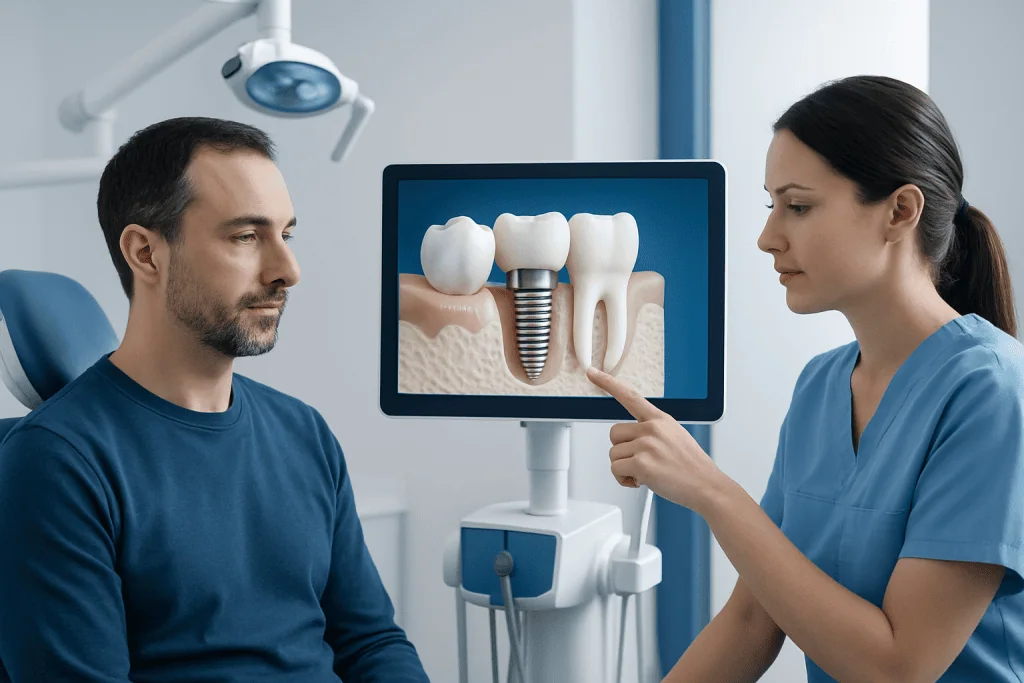
An implant needs enough width, height, and density of bone to be placed in a secure position. If the bone is too thin or too soft, the implant may not have the support it needs. In these cases, the concern is not only whether an implant can be placed, but whether it can function well and remain healthy in the long term.
Bone loss can affect treatment differently depending on where it occurs. In the upper back jaw, the maxillary sinus may limit available bone height. In the lower jaw, the position of important nerves must be considered. In the front teeth region, even moderate bone loss can affect appearance because the shape of the gum and smile line is important as well as function.
Importantly, bone loss does not automatically mean implants are impossible. Modern implant dentistry may include bone grafting, staged treatment, or different implant strategies based on the individual case. In some patients, wider or longer implants may be suitable; in others, a more conservative or delayed approach may be safer.
Common Causes and Risk Factors
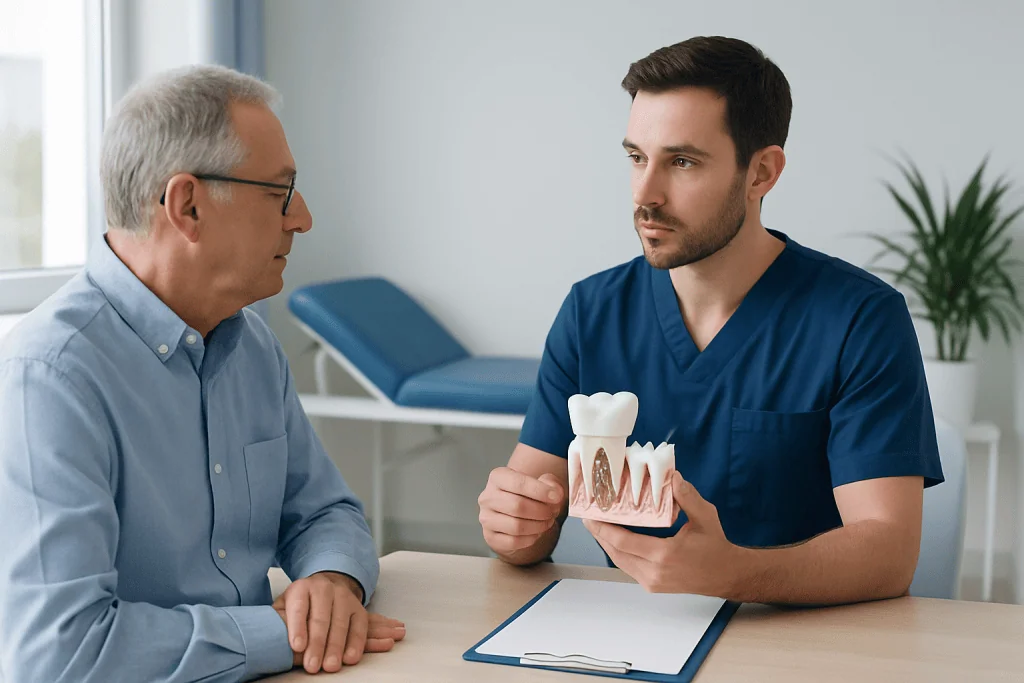
The most common reason for jawbone loss is missing teeth. After a tooth is lost, the bone that once supported it is no longer stimulated in the same way and can begin to resorb. The longer the area remains without a tooth replacement, the more likely bone shrinkage becomes.
Another major cause is periodontal disease, also known as gum disease. Chronic inflammation can damage the tissues that support the teeth and may lead to both tooth loss and reduced bone volume. Patients with a history of advanced gum disease often need careful assessment before implant treatment, especially if there are signs of ongoing infection, inflammation, or gum recession.
Other factors may include dental trauma, previous infections, poorly fitting dentures, smoking, uncontrolled diabetes, and some medications or medical conditions that affect healing. Teeth grinding can also place excess force on the mouth and may need to be addressed as part of planning, particularly in people with bruxism. A full review of oral and general health helps explain why bone loss occurred and what can be done to reduce future problems.
When a Second Opinion May Be Worth Getting
A second opinion is often helpful when a patient has been told they are “not a candidate” for implants without detailed imaging or a clear explanation. It may also be useful if the recommended treatment feels unusually aggressive, expensive, or rushed. Informed decisions are easier when a person understands the diagnosis, alternatives, likely stages of care, and expected limitations.
Patients may also want another opinion if one clinician recommends extensive grafting while another suggests an alternative implant design or a bridge-based solution. These differences do not always mean one plan is wrong. They may reflect different experience, technology, treatment philosophy, or interpretation of the bone anatomy.
Good reasons to ask more questions include:
- No 3D scan or detailed imaging was performed before making major recommendations.
- The cause of bone loss was not explained.
- Gum disease or oral infection was not discussed before implant planning.
- Only one treatment option was offered, with no explanation of alternatives.
- The benefits, risks, treatment timeline, or maintenance needs were not clearly reviewed.
A second opinion should leave the patient better informed, not more pressured. The goal is to confirm the diagnosis, compare realistic options, and choose a plan that is safe, functional, and appropriate for the person’s needs.
How Diagnosis and Treatment Planning Are Done
Careful diagnosis is essential when implants and bone loss are being considered together. The assessment usually includes a dental examination, review of symptoms and dental history, and imaging to measure available bone. A panoramic X-ray can provide a broad overview, but many implant cases benefit from a cone beam CT scan, which gives 3D detail about bone height, width, density, sinus position, and nearby nerves.
The dentist or oral surgeon also examines the gums, bite, missing-tooth space, and condition of neighboring teeth. If there is active gum disease, infection, or unresolved dental decay, these problems are usually treated first. In some cases, a consultation in general dentistry helps address overall oral health before implant surgery begins.
Treatment planning should include a discussion of both surgical and restorative goals. That means considering not only whether an implant can be placed, but how the final tooth replacement will look, feel, and function. Patients should feel comfortable asking why a certain number of implants is recommended, whether bone augmentation is needed, and how healing will be monitored over time.
Treatment Options for Implants With Bone Loss
When bone loss is mild to moderate, implants may sometimes be placed directly if there is enough stable bone in the correct position. In other cases, treatment begins with rebuilding the site. This may involve bone grafting to increase bone volume before or during implant placement. Healing time varies depending on the size of the graft and the area being treated.
If several teeth are missing, the plan may involve implant-supported bridges or full-arch systems rather than replacing each tooth individually. For some people with significant tooth loss, options such as All-on-4 treatment or All-on-6 treatment may be discussed. These approaches are not suitable for everyone, but they can be useful in carefully selected patients because they distribute support across multiple implants.
Once the implant integrates with the bone, the final restoration may include a crown, bridge, or full-arch prosthesis. The visible tooth portion is designed to restore chewing ability and appearance, often with a custom dental crown or a larger prosthetic restoration. The best option depends on the amount of bone loss, location of missing teeth, gum health, bite forces, and the patient’s goals.
Not every patient with severe bone loss is best served by implants. In some situations, removable dentures or fixed bridges may still be more practical. A trustworthy plan balances what is technically possible with what is medically sound and sustainable for the individual.
Prevention, Self-Care, and Long-Term Success
The best way to limit future bone loss is to address dental problems early. Replacing missing teeth in a timely way, treating gum disease, and keeping regular dental visits can help preserve the supporting tissues of the mouth. Stopping smoking and managing conditions such as diabetes also support healing and long-term oral health.
Daily oral hygiene remains essential before and after implant treatment. Brushing, interdental cleaning, and professional maintenance reduce the risk of inflammation around natural teeth and implants. Patients with a history of periodontal disease often need closer follow-up because they may have a higher risk of tissue problems if plaque control is poor.
After implant placement, long-term success depends on maintenance as much as surgery. Follow-up visits allow the dental team to monitor bone levels, gum health, and the fit of the restoration. Near the end of the care pathway, patients seeking coordinated evaluation may choose centers such as Acibadem International, where multidisciplinary specialists in JCI-accredited hospitals diagnose and treat complex dental conditions for international patients.
When to See a Dentist or Oral Surgeon
A patient should seek professional advice if they have missing teeth, loose dentures, difficulty chewing, or concerns about shrinking gums or changes in jaw shape. Anyone told they have bone loss before implant treatment should ask for a clear explanation of the findings and available options.
Prompt evaluation is especially important if there are symptoms of infection or active gum disease, such as swelling, bleeding, bad taste, drainage, or pain around teeth or previous dental work. These problems should usually be treated before implant placement is considered.
A second opinion can be especially reassuring when decisions feel complex or irreversible. Patients benefit from choosing a qualified dentist, periodontist, prosthodontist, or oral and maxillofacial surgeon who explains imaging results clearly, reviews alternatives honestly, and supports shared decision-making.
Frequently asked questions
Can someone still get dental implants if they have bone loss?
Yes, many people with bone loss can still receive dental implants. The decision depends on how much bone remains, where the loss is located, the health of the gums, and whether bone grafting or another treatment approach is needed.
Why does bone loss happen after a tooth is removed?
The jawbone normally receives stimulation through the tooth root during chewing. After a tooth is lost or removed, that stimulation decreases, and the bone in the area may gradually shrink over time.
Is a bone graft always required before dental implants?
No, a bone graft is not always necessary. Some patients have enough healthy bone for implant placement without additional procedures, while others benefit from grafting to improve support and long-term stability.
What should a patient ask during a second opinion visit?
Useful questions include what caused the bone loss, whether 3D imaging is needed, what treatment alternatives exist, and what the likely timeline and maintenance needs will be. It is also reasonable to ask about the risks, expected healing, and whether gum disease or bite problems need treatment first.
How is bone loss around the jaw diagnosed?
Diagnosis usually includes a clinical dental examination and imaging. Many implant cases are evaluated with X-rays and cone beam CT scans to measure bone height, width, and the position of nearby structures such as nerves and sinuses.
Does gum disease affect implant success?
Yes, gum disease can affect implant planning and long-term outcomes. Active inflammation should be treated before implant placement, and patients with a history of periodontal disease usually need excellent oral hygiene and regular follow-up.
References
- American Dental Association
- National Institute of Dental and Craniofacial Research
- European Federation of Periodontology
- American Academy of Periodontology
- Mayo Clinic
This article is for general information only and is not a substitute for professional medical advice. Please consult a qualified doctor about your individual situation.
Dental Implants in Turkey — costs, top hospitals & a free quote
JCI-accredited · board-certified surgeons · reply within 24h
Add us as a Preferred Source to see more of our trusted health content across Google Search, AI Overviews and Discover.

Dental & Oral Health
Full-scope dental care from implants and aesthetics to oral and maxillofacial surgery.
151 specialists in this unitRelated Treatments
More from the Health Library



Related Specialists

Assoc. Prof. Dr. Ferit Bayram
Oral & Dental Health
Assoc. Prof. Dr. Yeliz Çavuşoğlu Yüce
Oral & Dental Health
Assoc. Prof. Dr. Mutlu Keskin
Oral & Dental Health
Prof. Dr. Ülkü Noyan
Oral & Dental Health