Dental Implants vs Dentures: Which Option Feels More Natural Long Term?
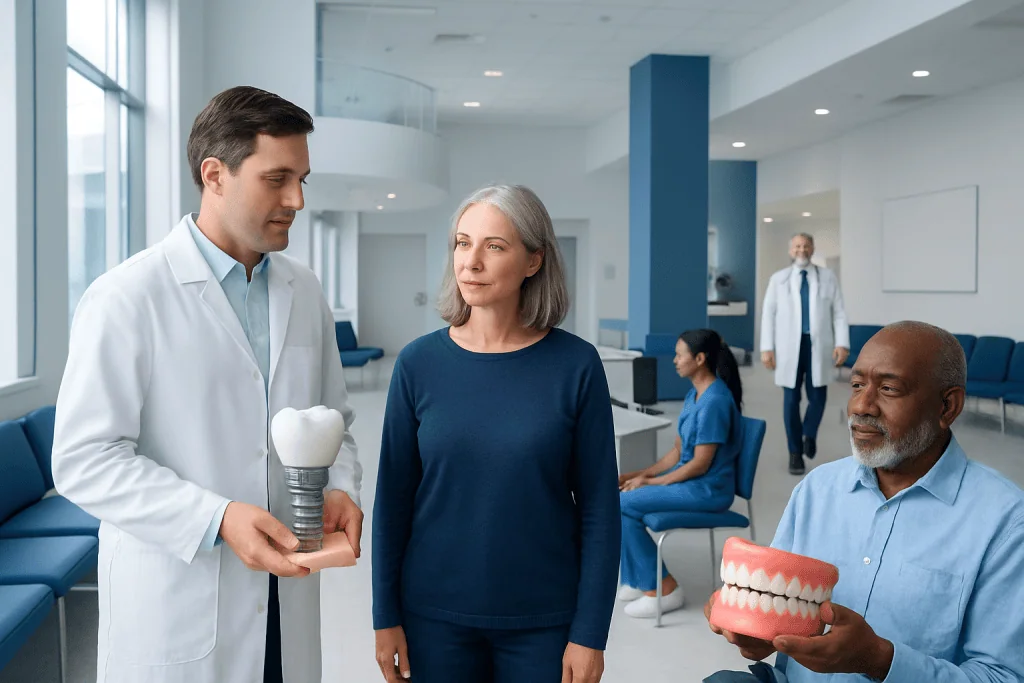
Dental implants usually provide the most natural long-term feel because they are anchored in the jaw. Dentures can restore appearance and function effectively, but they may shift, rub, or feel less stable over time.
Key Takeaways
- Dental implants usually provide the most natural long-term feel because they are anchored in the jaw.
- Dentures can restore appearance and function effectively, but they may shift, rub, or feel less stable over time.
- The best option depends on bone support, general health, number of missing teeth, budget, and personal preference.
- A dental evaluation can help compare comfort, maintenance, healing time, and expected long-term results.
- Good oral hygiene and regular follow-up visits are important for both implants and dentures.
Dental implants and dentures can both restore missing teeth, but they often feel different over time. Implants are fixed in the jaw and usually feel closer to natural teeth, while dentures remain a removable option that may suit some patients better depending on health, budget, and oral anatomy.
Overview: How implants and dentures differ
When choosing between dental implants and dentures, many people ask one main question: which option will feel more natural in daily life? Both treatments replace missing teeth, improve appearance, and support chewing and speech. However, they work in very different ways, so the long-term experience is not the same.
Dental implants are small titanium or similar biocompatible posts placed into the jawbone to act like artificial tooth roots. Once they heal and integrate with bone, they can support crowns, bridges, or full-arch restorations. Because they are fixed in place, implants often feel more like natural teeth during eating, speaking, and smiling. Patients exploring dental implants are often looking for a stable, longer-term solution.
Dentures are removable prosthetic teeth that sit on the gums. They may replace some teeth or all teeth in an arch. Modern dentures can look natural and can be very helpful, especially when surgery is not preferred or possible. Still, because they rest on soft tissue rather than being anchored directly in bone, they may feel less secure than implants for some people.
In the long term, the most natural-feeling option is often the one that best matches a person’s oral health, anatomy, expectations, and lifestyle. A careful dental assessment helps determine whether fixed implant treatment, traditional dentures, or an implant-supported denture is likely to provide the best balance of comfort and function.
Which option feels more natural long term?
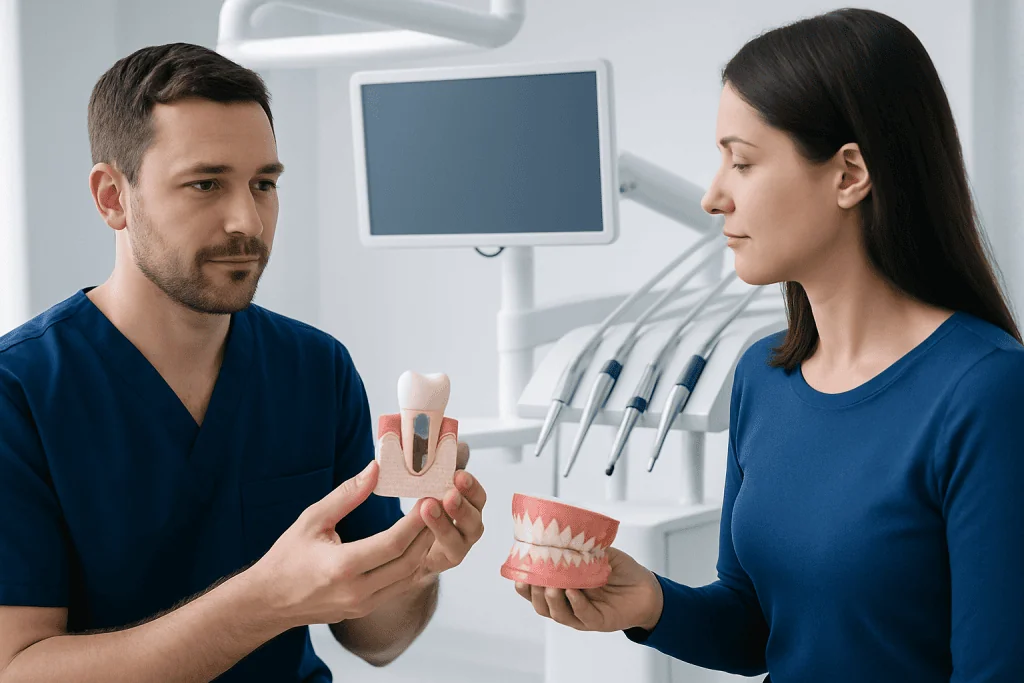
For many patients, dental implants feel more natural over time. Since they are fixed into the jawbone, they generally do not move during chewing or speaking. This stability can make them feel closer to real teeth and may reduce the awareness that a dental prosthesis is present. Many people also find that they can bite with more confidence.
Dentures can certainly become familiar with practice, but they usually require more adaptation. A new denture may feel bulky at first, and some people notice movement, pressure points, or gum irritation. Even when the fit is good, removable dentures often continue to feel different from natural teeth because they rely on gum support and can shift slightly with use.
Another reason implants may feel more natural is jawbone preservation. After a tooth is lost, the surrounding bone can gradually shrink. Implants help stimulate bone in a way that resembles natural tooth roots, while conventional dentures do not. As the jaw changes, dentures may become looser and need relining or replacement, which can affect long-term comfort and fit.
That said, “natural feel” is not only about physical sensation. It also includes confidence, ease of maintenance, comfort during meals, and freedom in social situations. Some patients prefer removable dentures because they avoid surgery and can still provide acceptable function, especially when carefully designed and regularly adjusted.
Comfort, chewing, speech, and daily life
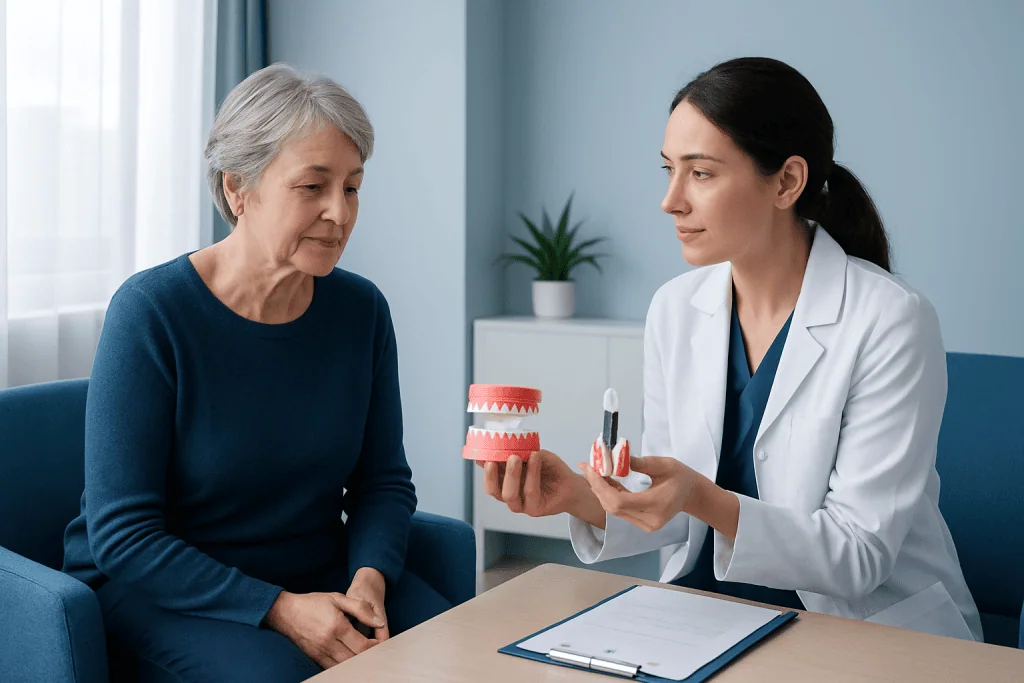
Long-term comfort is one of the biggest differences between these two options. Implant-supported restorations are typically more stable, which can make chewing firmer foods easier. Patients may find that they can enjoy a wider variety of textures with less worry about slipping or dislodging. This can have a positive effect on nutrition and quality of life.
Speech can also improve with both options, but the experience may differ. Dentures sometimes affect pronunciation at first, especially for sounds that depend on tongue contact with the teeth or palate. Most people adapt, but if a denture moves while speaking, confidence can be affected. Fixed implant restorations usually interfere less with speech once healing is complete and the final prosthesis is in place.
Some denture wearers experience sore spots, increased saliva at first, or a sense that the appliance is bulky. Adhesives may help in selected cases, but they do not fully replace natural stability. With implants, there can be temporary post-procedure discomfort during healing, but after successful integration the day-to-day feel is often more predictable.
Daily routine matters too. Dentures need to be removed for cleaning, and many patients remove them at night. Implants are cleaned more like natural teeth, although they still need careful hygiene. A dentist may also use digital dentistry tools to plan restorations precisely, helping improve fit, bite, and overall comfort.
Who may be a good candidate for each option?
Dental implants may be a strong option for adults who have healthy gums, enough jawbone, and are well enough for minor oral surgery. They can replace a single tooth, several teeth, or support a full arch. People who want a fixed solution and are prepared for a longer treatment timeline often prefer implants.
Dentures may be more suitable for patients who want a non-surgical or lower-cost approach, have significant bone loss, or need a faster tooth replacement method. They are also a reasonable choice for people with medical conditions that make surgery less suitable, although this decision should always be individualized.
Bone quality and gum health are especially important. If the jawbone has shrunk after years of tooth loss, implants may still be possible but could require added procedures such as dental bone grafts before implant placement. Dentures do not require bone integration, but they may become harder to stabilize when the ridge is very resorbed.
For full-arch tooth loss, some patients choose implant-supported bridges or fixed hybrid options rather than removable dentures. Treatments such as All-on-4 full-arch restoration may offer improved stability with fewer implants in selected cases. A prosthodontic or implant consultation helps match the treatment to the patient’s anatomy and goals.
Costs, maintenance, and long-term durability
Cost is an important part of decision-making. Dentures usually have a lower upfront cost than implants, which is one reason they remain widely used. However, long-term maintenance should also be considered. Dentures may need adjustments, relining, repair, or replacement as the mouth changes over time.
Implants often require a higher initial investment because they involve surgery, healing, and custom restorations. Even so, many patients value their stability and longevity. While implant restorations can also need repair or replacement in the future, the supporting implant itself may remain functional for many years with proper care.
Maintenance differs as well. Dentures must be cleaned outside the mouth and handled carefully to avoid damage. Food trapping, staining, and changes in fit can occur. Implants require consistent brushing, interdental cleaning, and professional reviews to protect surrounding gums and bone. If plaque builds up around implants, inflammation can develop and threaten long-term success.
A dentist may recommend ongoing preventive visits and professional dental hygiene support for either option. Looking only at the initial cost can be misleading; comfort, dietary freedom, maintenance, and expected longevity all contribute to the true long-term value of treatment.
Possible drawbacks and limitations
Although implants often feel more natural, they are not the right choice for everyone. Implant treatment takes time, usually involves several stages, and requires healing before the final restoration is placed. Some patients feel anxious about surgery, while others may have health factors such as uncontrolled gum disease, heavy smoking, or poor bone quality that can complicate treatment.
Dentures also have limitations. A lower denture in particular can be less stable because of tongue movement and reduced surface area for support. Over time, bone loss under a denture can lead to looseness, changes in facial support, and reduced chewing efficiency. Some wearers are comfortable with these changes, while others find them frustrating.
Appearance can be excellent with both solutions when treatment is well planned. If a patient is especially focused on smile design, the dentist may discuss how tooth shape, gum contours, and bite can be refined, sometimes alongside cosmetic dentistry planning. Still, aesthetics should be balanced with function and long-term oral health.
There is also a middle ground between traditional dentures and full fixed implants. Implant-retained overdentures attach to a smaller number of implants and are still removable by the patient, but they usually feel more secure than conventional dentures. For some people, this offers a practical compromise between natural feel, stability, and cost.
How dentists decide: evaluation and treatment planning
A thorough dental evaluation is the best way to compare implants and dentures for an individual patient. The dentist will review medical history, medications, smoking status, gum health, number of missing teeth, bite, and jawbone condition. Imaging such as dental X-rays or 3D scans may be used to assess whether implant placement is feasible and safe.
The consultation should also explore the patient’s priorities. Some people care most about fixed stability and natural chewing. Others want the simplest or fastest route to replacing teeth. It is helpful to discuss expectations clearly, including comfort during healing, likely maintenance needs, and whether future adjustments may be required.
If there are remaining damaged teeth, the dentist may first treat decay, infection, or gum disease before moving forward. In some cases, attention to general oral health and general dentistry care is needed before either implants or dentures can be expected to perform well.
Near the end of the planning process, the care team may present more than one suitable option. This is often a sign of individualized care rather than uncertainty. At Acibadem International, multidisciplinary specialists in JCI-accredited hospitals diagnose and treat dental tooth-loss problems for international patients, helping them understand the benefits and limits of each approach before treatment.
When to seek dental advice
Anyone missing one or more teeth should consider a dental assessment, especially if chewing, speech, or confidence has changed. Replacing missing teeth is not only about appearance; it can also help support bite balance and oral function. Earlier planning may provide more options, particularly before significant jawbone loss develops.
People who already wear dentures should seek review if the denture feels loose, causes sore spots, clicks during speech, or makes eating difficult. These changes may signal that the mouth has changed shape and that an adjustment, reline, or a different tooth-replacement approach is needed.
Patients interested in implants should also seek advice if they have been told they do not have enough bone. That may or may not be the final answer, since treatment possibilities can vary. A second opinion from an experienced implant dentist can clarify whether grafting, a different implant design, or an implant-supported denture may be possible.
Urgent dental care is advisable if there is swelling, severe pain, bleeding, trauma, or signs of infection around teeth, gums, dentures, or implants. Prompt evaluation protects oral health and helps avoid delays in future restorative treatment.
Frequently asked questions
Do dental implants always feel more natural than dentures?
For many people, yes. Because implants are fixed in the jaw, they usually feel more stable and tooth-like than removable dentures. However, the most comfortable option still depends on bone support, gum health, overall health, and personal preference.
Can dentures become comfortable over time?
Yes, many patients adapt well to dentures, especially when they fit properly and are checked regularly. Even so, dentures may still feel less secure than implants because they rest on the gums and can loosen as the jaw changes shape.
Are implant-supported dentures a good middle option?
They can be. Implant-supported dentures are usually more stable than traditional dentures but may cost less and require fewer implants than a full fixed restoration. For some patients, they provide a good balance of comfort, retention, and affordability.
Who should not get dental implants?
Some people may not be ideal candidates right away, including those with uncontrolled gum disease, certain uncontrolled medical conditions, inadequate bone, or habits such as heavy smoking. A dentist can often suggest ways to improve candidacy or recommend another suitable option.
Do dentures or implants last longer?
Implants often offer a longer-lasting foundation, especially with good oral hygiene and regular professional care. Dentures can also last for years, but they commonly need relining, adjustment, or replacement as the gums and jawbone change over time.
Is it easier to eat with implants or dentures?
Many patients find eating easier with implants because they are more secure and can handle chewing forces better. Dentures can still restore function, but hard, sticky, or tough foods may remain more challenging for some wearers.
References
- American Dental Association
- National Institute of Dental and Craniofacial Research
- Mayo Clinic
- NHS
- European Association for Osseointegration
This article is for general information only and is not a substitute for professional medical advice. Please consult a qualified doctor about your individual situation.
Dental Implants in Turkey — costs, top hospitals & a free quote
JCI-accredited · board-certified surgeons · reply within 24h
Add us as a Preferred Source to see more of our trusted health content across Google Search, AI Overviews and Discover.

Dental & Oral Health
Full-scope dental care from implants and aesthetics to oral and maxillofacial surgery.
151 specialists in this unitRelated Treatments
More from the Health Library



Related Specialists

Assoc. Prof. Dr. Ferit Bayram
Oral & Dental Health
Assoc. Prof. Dr. Yeliz Çavuşoğlu Yüce
Oral & Dental Health
Assoc. Prof. Dr. Mutlu Keskin
Oral & Dental Health
Prof. Dr. Ülkü Noyan
Oral & Dental Health