Digital Dentistry for Crowns and Bridges: How Same-Day Planning Can Improve Fit
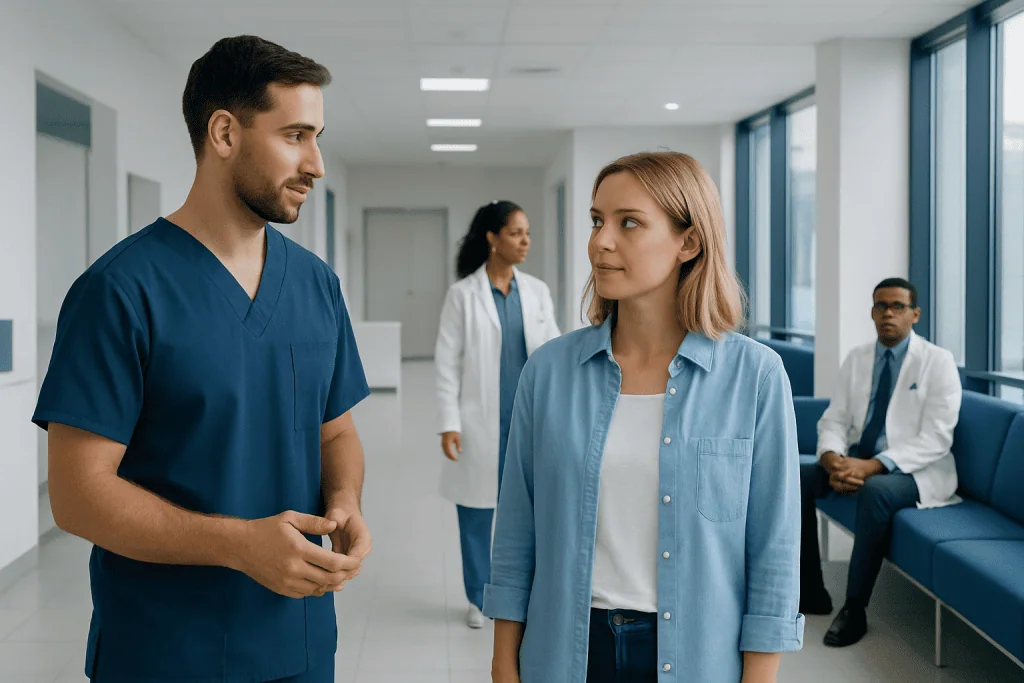
Digital workflows replace or reduce the need for traditional putty impressions in many cases. Same-day planning can help dentists assess bite, tooth shape, and margins more precisely.
Key Takeaways
- Digital workflows replace or reduce the need for traditional putty impressions in many cases.
- Same-day planning can help dentists assess bite, tooth shape, and margins more precisely.
- A better digital fit may improve comfort, function, and the longevity of crowns and bridges.
- Not every patient is suited to same-day delivery, but digital planning is useful in many routine and complex cases.
- Good oral hygiene, healthy gums, and regular follow-up help crowns and bridges perform well over time.
Digital dentistry for crowns and bridges uses intraoral scanning, computer-aided design, and modern manufacturing to plan restorations more precisely. In many cases, this approach can improve fit, comfort, and efficiency while reducing the need for traditional impression materials.
Overview: What Digital Dentistry Means for Crowns and Bridges
Digital dentistry for crowns and bridges refers to the use of modern tools such as intraoral scanners, computer-aided design software, and advanced manufacturing systems to restore damaged or missing teeth. Instead of relying only on traditional impressions and manual laboratory steps, the dentist can capture detailed digital images of the teeth and bite and use them to plan a restoration with high precision.
For patients, this often means a more comfortable experience and a treatment process that may take fewer appointments. In some cases, the crown can even be designed and produced on the same day. Even when the final restoration is made in an external laboratory, digital planning can still improve communication, accuracy, and quality control.
Crowns are used to cover and strengthen a damaged tooth, while bridges replace one or more missing teeth by attaching to neighboring teeth or implants. Digital techniques can support both treatments by helping the dental team evaluate tooth preparation, contact points, bite alignment, and overall appearance. Patients who want to understand their broader care options may also hear about digital dentistry as part of comprehensive general dentistry.
How Same-Day Planning Works
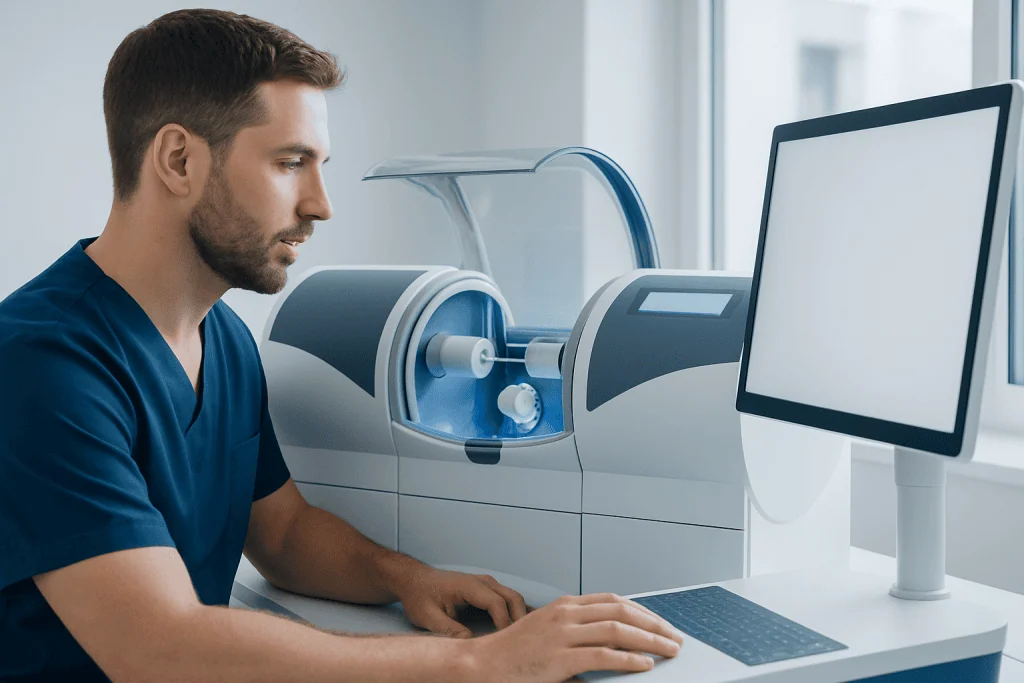
The process usually begins with a digital scan of the mouth. A small handheld camera captures many images of the teeth and gums, and software combines them into a three-dimensional model. This digital model can be enlarged and rotated on screen, allowing the dentist to study fine details that affect how a crown or bridge will fit.
After the tooth is prepared, the dentist uses software to design the restoration. The program helps define the edges of the crown, shape the chewing surface, and adjust the contacts with neighboring teeth. Some systems also map the patient’s bite, making it easier to identify areas that could feel too high or uneven after placement.
Once the design is finalized, the restoration may be milled from a ceramic block in the clinic or sent electronically to a dental laboratory for fabrication. Same-day planning does not always mean same-day placement, but it does mean that diagnosis and design happen quickly and accurately. This can streamline treatment and reduce delays that sometimes occur with conventional methods.
How Digital Planning Can Improve Fit
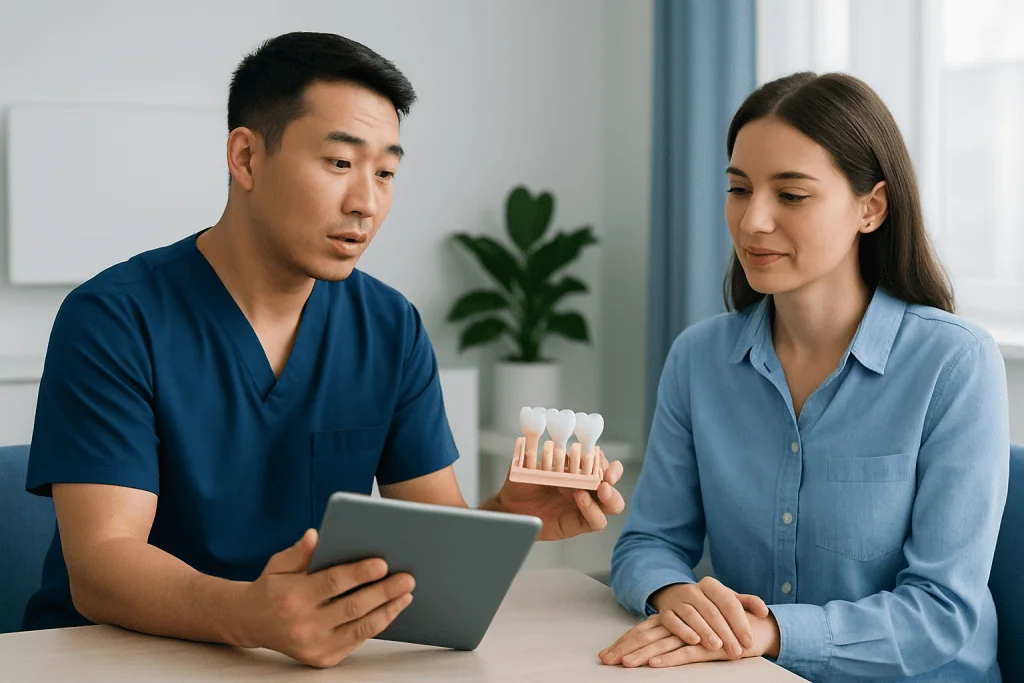
Fit is one of the most important factors in a successful crown or bridge. A restoration should sit closely against the prepared tooth, align well with neighboring teeth, and match the patient’s bite. If the fit is poor, it can lead to discomfort, food trapping, plaque buildup, or extra stress on the tooth and jaw.
Digital systems can improve fit by capturing detailed measurements and helping the dentist visualize the restoration before it is made. The software can highlight margins, spacing, and contact areas with a level of consistency that is harder to achieve when using only traditional impressions and wax models. This does not remove the need for professional judgment, but it gives the clinician more precise information to work with.
Digital workflows can also reduce some common sources of distortion. Traditional impression materials may be uncomfortable for some patients, and impressions can occasionally shrink, tear, or trap bubbles. A well-taken digital scan avoids these issues and can be repeated immediately if needed. For bridges or implant-supported restorations, digital design may also help coordinate care with options such as dental bridge treatment or dental implants.
- More accurate visualization of tooth margins
- Better assessment of bite and chewing contacts
- Improved communication between dentist and laboratory
- Faster adjustments if a scan needs to be repeated
Benefits for Patients
Many patients notice the comfort benefits first. Digital impressions are often easier to tolerate than trays filled with impression material, especially for people with a strong gag reflex or dental anxiety. The scanning process is usually quick, and patients can often see the 3D images of their own teeth during the visit, which makes it easier to understand the treatment plan.
Digital planning may also reduce the number of appointments in suitable cases. If a crown can be designed and milled in one visit, the patient may avoid wearing a temporary crown for days or weeks. Even when the final restoration requires laboratory work, digital files can speed communication and help reduce remakes or repeated impressions.
Aesthetic planning can benefit as well. The dentist can assess tooth shape, size, and symmetry in relation to the patient’s smile. This is especially helpful for visible front teeth, where subtle changes in contour can make a meaningful difference. Patients interested in appearance-focused restorations may hear digital workflows discussed alongside cosmetic dentistry or aesthetic dentistry.
Who Is a Good Candidate and What Can Affect Results
Digital crown and bridge planning is suitable for many adults and older teenagers, depending on the condition of the teeth and gums. It can be especially useful for single crowns, short-span bridges, and implant restorations. However, the best approach depends on factors such as the amount of tooth damage, the position of the tooth, the bite, and the health of the surrounding gums.
Healthy gums matter because bleeding, swelling, or recession can make it harder to capture an accurate scan and create a well-sealed restoration. Conditions such as gum disease, active tooth decay, or untreated grinding may need attention before the final crown or bridge is placed. For example, patients with tooth grinding may need evaluation for bruxism, and gum health concerns may require treatment first.
Very complex cases are not always completed in one day. Long bridges, difficult bite relationships, or extensive cosmetic planning may still benefit from extra laboratory steps. Digital dentistry is a powerful tool, but it is not a one-size-fits-all solution. The dentist will recommend the method that offers the safest and most durable result for that individual patient.
Diagnosis, Treatment Steps, and Aftercare
Before treatment, the dentist examines the mouth, reviews symptoms, and may take X-rays or other images to assess the tooth roots, bone, and surrounding structures. The goal is to confirm that a crown or bridge is the right option and that any infection, decay, or gum problems are treated first. Careful diagnosis is essential whether the restoration is made digitally or conventionally.
On the day of treatment, the tooth is prepared by removing damaged structure and shaping it to support the crown. A digital scan is then taken, and the restoration is designed. If the crown is produced on site, it is milled, tried in, adjusted, and bonded or cemented in place. If it is made by a laboratory, a temporary restoration may be worn until the final one is ready.
After placement, patients may need a short adjustment period as the bite settles. The dentist checks that the crown or bridge feels natural when biting and that floss can pass properly between teeth where appropriate. Daily brushing, flossing, and regular dental visits are important for long-term success. Crowns and bridges do not protect against gum disease or decay at the tooth margins, so continued oral hygiene remains essential.
Possible Limitations, Prevention, and When to See a Dentist
Although digital workflows offer many advantages, they do have limits. A scan can be less reliable if the field is difficult to keep dry, if gums bleed heavily, or if the tooth margin is very deep below the gumline. In these situations, the dentist may combine digital and traditional methods to achieve the best result. This flexibility is normal and reflects individualized care rather than a problem with treatment.
Patients can help protect crowns and bridges by following preventive habits. These include brushing twice daily with fluoride toothpaste, cleaning between teeth, limiting frequent sugary snacks, and attending routine dental checkups. A night guard may be advised for patients who clench or grind. Prompt treatment of gum problems also helps preserve the fit and health of the restoration over time, including conditions related to bleeding gums or recession.
A person should see a dentist if a crown or bridge feels loose, painful, high when biting, or difficult to clean. Persistent bad breath, bleeding gums, sensitivity, or food getting trapped around the restoration also deserve evaluation. Near the end of the treatment journey, some international patients choose centers such as Acibadem International, where multidisciplinary specialists in JCI-accredited hospitals diagnose and treat dental conditions using modern restorative techniques.
Frequently asked questions
Is digital dentistry more accurate than traditional impressions?
Digital impressions can be very accurate, especially for single crowns, short bridges, and many implant restorations. They also reduce some problems linked to traditional materials, such as bubbles or distortion. The final result still depends on the dentist’s technique, gum health, and the complexity of the case.
Can a crown really be done in one day?
In some cases, yes. If the tooth is suitable and the clinic has the right scanning, design, and milling systems, a crown may be planned and placed in a single visit. More complex cases may still require a laboratory and more than one appointment.
Are digital scans uncomfortable?
Most patients find digital scans more comfortable than traditional impression trays. A small camera is moved around the mouth to create a 3D image, and there is usually no need for putty-like material. People with a strong gag reflex often tolerate this method better.
Does a better digital fit mean the crown will last forever?
No dental restoration lasts forever, but good fit can support better comfort, function, and easier cleaning. Longevity also depends on oral hygiene, bite forces, gum health, and regular dental care. A well-made crown or bridge can perform well for many years with proper maintenance.
Can digital dentistry be used for bridges as well as crowns?
Yes. Digital planning is widely used for both crowns and bridges, including some implant-supported restorations. The dentist uses the scan and software to assess spacing, bite, and support so the final bridge functions properly and is easier to clean.
What if my dentist says I still need a traditional impression?
That can be appropriate in some situations. Deep margins, significant bleeding, or a particularly complex restoration may make a conventional impression or a combined approach more reliable. The goal is always the most accurate and durable result for the patient.
References
- American Dental Association
- National Institute of Dental and Craniofacial Research
- FDI World Dental Federation
- European Federation of Periodontology
This article is for general information only and is not a substitute for professional medical advice. Please consult a qualified doctor about your individual situation.
Digital Dentistry in Turkey — costs, top hospitals & a free quote
JCI-accredited · board-certified surgeons · reply within 24h
Add us as a Preferred Source to see more of our trusted health content across Google Search, AI Overviews and Discover.

Dental & Oral Health
Full-scope dental care from implants and aesthetics to oral and maxillofacial surgery.
151 specialists in this unitRelated Treatments
More from the Health Library



Related Specialists

Assoc. Prof. Dr. Ferit Bayram
Oral & Dental Health
Assoc. Prof. Dr. Yeliz Çavuşoğlu Yüce
Oral & Dental Health
Assoc. Prof. Dr. Mutlu Keskin
Oral & Dental Health
Prof. Dr. Ülkü Noyan
Oral & Dental Health